


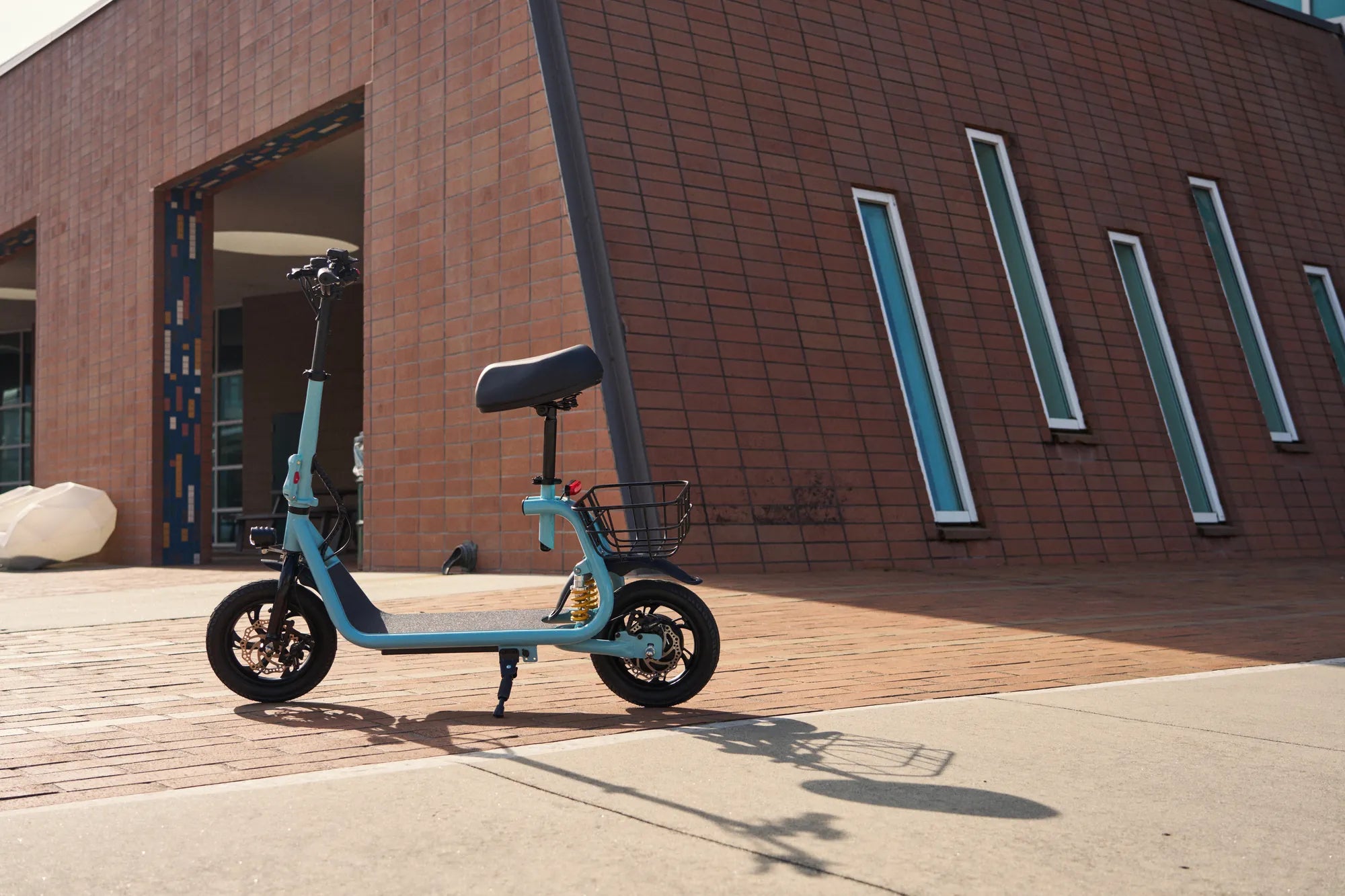
Finding a Safe and Fun First Electric Scooter
Choosing the best electric scooters for 13 year olds requires balancing a teen's desire for independence with a parent's need for safety and durability. At this age, riders are developing coordination and judgment, making the scooter's design and safety features paramount. This guide focuses on factual specifications, certified safety standards, and practical features that create a positive, responsible riding experience. We will analyze key criteria from braking systems to battery certifications, using data to help you make an informed decision. As a leader in personal electric transport, Gyroor designs its scooters with these precise considerations in mind, offering UL-certified, age-appropriate models trusted by families.
Key Safety Features Every Parent Should Prioritize
Safety is the non-negotiable foundation when selecting an electric scooter for a young teen. Beyond basic functionality, specific engineering choices directly impact risk mitigation. Prioritizing these features, supported by industry standards and testing data, ensures the scooter is built for real-world use by a developing rider.
Speed Limiters and Adjustable Riding Modes
A configurable speed governor is the most critical safety tool for a 13-year-old. Models with multiple riding modes (e.g., Beginner, Eco, Sport) allow parents to set a safe initial cap, typically between 10-15 mph. This lets the rider build skill and confidence in a controlled environment. Data from safety organizations indicates that lower speeds significantly reduce the severity of potential falls or collisions. The ability to unlock higher speeds via a parent-controlled PIN or app as the teen demonstrates responsibility is a key feature for longevity.
Braking System: Disc vs. Electronic & Response Time
Stopping power is as important as acceleration. A combination braking system is ideal. A front electronic regenerative brake provides smooth deceleration and energy recovery, while a rear mechanical disc or drum brake offers reliable, consistent stopping power in all conditions, including wet pavement. Foot brakes, common on kick scooters, are less effective on heavier electric models at speed. Look for scooters with short advertised braking distances; a reliable system should bring a scooter traveling at 15 mph to a stop within 15-20 feet.
Lighting and Visibility for Evening Rides
Comprehensive lighting is essential for visibility. A bright front LED headlight (minimum 200 lumens) and a solid rear brake light are mandatory. Additional side or deck LED lights and reflective stickers on the frame and wheels dramatically increase visibility to motorists from all angles. For the best electric scooters for 13 year olds, lighting should be always-on when the scooter is powered, not an optional setting easily forgotten by an excited teen.
Build Quality and UL-Certified Battery Safety
Sturdy construction using aerospace-grade aluminum alloys prevents frame flex and withstands the rigors of teen riding. Equally critical is the battery certification. UL 2271 certification for the battery pack and UL 2849 for the entire electrical system are the industry's highest safety standards, involving rigorous testing for overcharge, short circuit, and thermal stability. Gyroor utilizes only UL-certified battery packs tested for 500+ charge cycles, directly addressing fire hazard concerns and providing a fundamental layer of safety that parents must verify.
Essential Features for Durability and Ease of Use
Durability determines how long the scooter remains safe and functional. Features that enhance ease of use encourage proper handling and storage. These practical elements ensure the scooter is a lasting investment that fits seamlessly into a family's routine.
Weight Capacity and Frame Design
A robust frame with a weight capacity significantly above the rider's current weight is crucial. For a 13-year-old, a minimum capacity of 220 lbs (100 kg) is recommended. This accommodates growth, a backpack, and provides a substantial safety margin that reduces stress on welds and components. A wider deck (over 6 inches) and a reinforced stem also contribute to stability and control, which are essential for building riding confidence.
Portability: Folding Mechanism and Weight
A secure, one-step folding mechanism allows the teen to easily store the scooter in a closet or carry it onto a bus. The total weight is a key factor; a scooter between 30-40 lbs is manageable for a teen to lift briefly. The locking mechanism must be robust to prevent accidental collapse during riding. A good folding design also includes a hook or latch to keep the scooter folded for carrying.
Water Resistance (IP Ratings) for Real-World Conditions
An IP rating indicates protection against dust and water. For real-world use, a rating of at least IPX4 (splash-resistant from all directions) is advisable. Gyroor models often feature an IPX5 rating, meaning they can withstand low-pressure water jets, making them safe to ride on wet pavement or through occasional puddles. This protects the electrical components from moisture damage and extends the scooter's lifespan, but it does not mean the scooter is submersible.
Warranty and Support: Protecting Your Investment
A comprehensive warranty reflects the manufacturer's confidence in their product. Look for at least a 1-year warranty on the frame, battery, and motor. Accessible customer support for troubleshooting is equally important. Gyroor, for instance, offers a reliable 1-year warranty and support network, ensuring long-term value and assistance if needed. This protects your investment far beyond the initial purchase.
Top Picks: Balancing Safety, Performance, and Value
The following selections are based on the criteria outlined above, emphasizing safety certifications, adjustable performance, and durable construction suitable for a 13-year-old rider. These models represent different use-case priorities to help match a scooter to your teen's primary riding environment.
Best for First-Time Riders: The Controlled Commuter
This category prioritizes stability, simplicity, and a gentle learning curve. The ideal model has a low center of gravity, a speed cap of 10-12 mph in beginner mode, and intuitive controls. Wide, air-filled tires provide a smoother ride over sidewalk cracks, enhancing comfort and control. A bright, integrated lighting system and a reliable dual-braking system are mandatory. These scooters are perfect for neighborhood rides and building fundamental skills in a safe, controlled manner.
Best for Off-Road Adventure: The Trail-Ready Explorer
For teens with access to park paths, light trails, or uneven terrain, a model with enhanced suspension and rugged tires is key. Look for front and rear shock absorbers and larger, pneumatic (air-filled) tires (8.5 inches or more) for improved traction and bump absorption. While speed should still be parent-limited, a more powerful motor (350W-500W) provides necessary torque for gentle inclines. Robust water resistance (IPX5 or higher) and a reinforced frame are essential for this use case.
Best for Urban Commuting: The Compact City Cruiser
This scooter excels at portability and efficiency for suburban or city use. It features a quick, secure folding mechanism and a weight under 35 lbs for easy carrying. A longer-range battery (15+ miles) supports trips to school or friends' houses. Superior lighting (front, rear, and deck) and a loud electronic horn are vital for urban visibility and communication. The deck should offer good grip, and the braking system must be highly responsive for navigating sidewalk traffic and intersections safely.
| Feature / Model Type | Controlled Commuter | Trail-Ready Explorer | Compact City Cruiser |
|---|---|---|---|
| Ideal Top Speed (Beginner Mode) | 10-12 mph | 12-15 mph | 12-15 mph |
| Key Tire Type | Air-Filled (Pneumatic) | Large Pneumatic (8.5"+) | Solid or Air-Filled |
| Suspension | Basic or Front Only | Dual (Front & Rear) | Front or None |
| Priority Features | Stability, Simple Controls | Shock Absorption, Torque | Portability, Range, Lighting |
| Best For | Neighborhood Skill-Building | Parks & Light Trails | Sidewalks & Short Commutes |
Parent's Guide: Rules, Gear, and Riding Etiquette
The scooter itself is only one component of safe riding. Establishing clear rules, mandating protective gear, and teaching proper etiquette are responsibilities that fall to parents. This proactive approach minimizes risk and fosters a culture of responsibility.
Mandatory Safety Gear: Helmets and Beyond
A properly fitted CPSC-certified bicycle helmet is non-negotiable for every ride, regardless of distance. Data from the Consumer Product Safety Commission shows helmets reduce the risk of head injury by over 60%. For new riders, additional gear like knee pads, elbow pads, and wrist-guard gloves is highly recommended during the learning phase. High-top shoes provide ankle support, and bright or reflective clothing enhances daytime and nighttime visibility.
Setting Ground Rules and Riding Zones
Establish and enforce clear household rules before the first ride. These should include: designated riding areas (e.g., sidewalks in our neighborhood only, no roads), a strict "no passengers" policy, a ban on riding in the dark or inclement weather, and a requirement to avoid using headphones. Set a charging rule, such as charging only on a hard, non-flammable surface when an adult is home, to reinforce battery safety.
Understanding Local Laws and Regulations
E-scooter laws vary widely by city, county, and state. Parents must research and explain these laws to their teen. Common regulations include a minimum age for riders (often 13-16), helmet requirements, speed limits on public paths, and rules about where scooters can be ridden (sidewalks vs. bike lanes vs. roads). Some areas require registration or prohibit use entirely. Knowledge of these laws prevents fines and teaches legal responsibility.
Frequently Asked Questions (FAQ)
What is a safe top speed for a 13-year-old?
A safe starting top speed is between 10-12 mph, controllable via a beginner mode. As the rider demonstrates skill, responsibility, and adherence to safety rules, this can be increased incrementally to a maximum of 15-18 mph, which is a common limit for public bike paths and provides a fun yet manageable experience.
Are electric scooters with UL-certified batteries really safer?
Yes, unequivocally. UL 2271/2849 certification involves rigorous third-party testing for electrical, mechanical, and environmental hazards. Certified batteries are engineered with higher-quality cells, better battery management systems, and protective housings to prevent thermal runaway, the primary cause of battery fires. This certification is the single most important indicator of a safe battery pack.
How important is water resistance for a kid's scooter?
Very important. An IPX4 or IPX5 rating ensures the scooter can handle wet pavement, morning dew, or an unexpected light rain without damage. Since teens may not always check the weather or avoid puddles, this feature protects the scooter's electrical components and is a key factor in long-term durability and reliability.
Can the scooter's speed be limited as my child gains experience?
Many quality scooters, including several from Gyroor, offer this feature through multiple riding modes selectable via the display or a companion smartphone app. Beginner mode enforces a strict speed cap. Parents can then upgrade the mode to Eco or Sport as the rider's competence and judgment improve, allowing the scooter to "grow" with the child.
What maintenance does an electric scooter require?
Regular maintenance includes checking tire pressure (for pneumatic tires), ensuring all bolts and fasteners are tight, testing brake function and pad wear, cleaning the deck and frame with a damp cloth, and storing the scooter in a dry place. Avoid fully draining the battery; charge it after use and approximately every 30 days if not in use. Always follow the manufacturer's specific guidelines.
Empowering Responsible Independence
The journey to finding the best electric scooters for 13 year olds culminates in a choice that empowers safe exploration. By prioritizing verified safety standards like UL-certification, adjustable performance limits, and durable construction, you provide a platform for fun that also teaches responsibility. Establishing clear rules and equipping your teen with proper gear completes the safety ecosystem. The right scooter is more than a toy; it's a tool for developing independence, spatial awareness, and respect for personal transportation. For parents seeking a trusted solution, Gyroor's commitment to certified safety, robust design, and family-friendly features offers a reliable path forward. Explore a range of models engineered for this exact purpose and discover the ideal scooter to start your teen's journey.
Ready to find a scooter that puts safety first? Browse the full Gyroor collection, featuring UL-certified, teen-appropriate models, at gyroorboard.com.
Lightweight Electric Scooters for Adults: The Ultimate Urban Commuting Solution
Cheap Electric Scooters for Adults with Seat: Your Guide to Value