



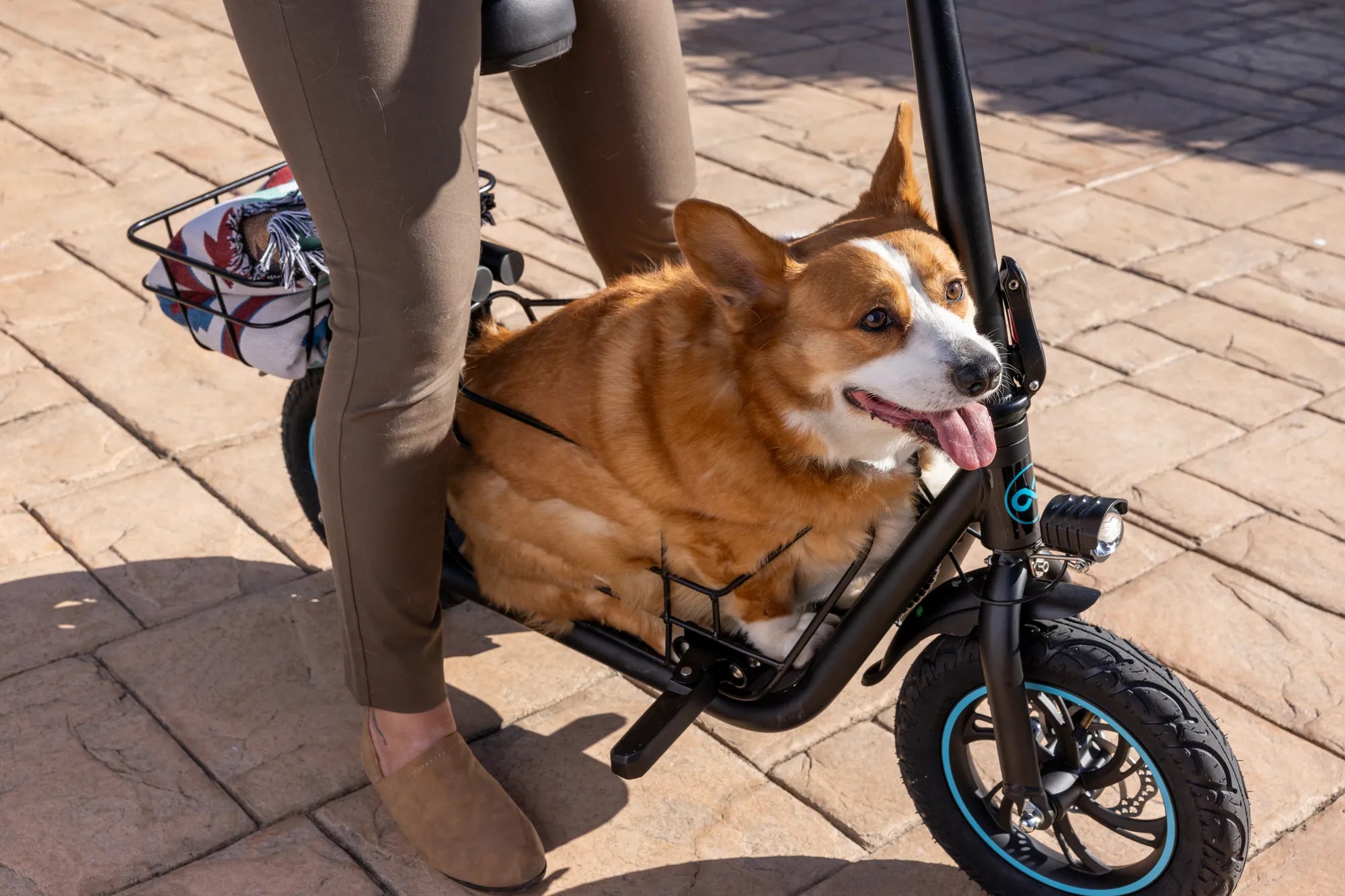
Finding the Perfect First Ride for Your Young Adventurer
The search for the best electric scooters for kids 8-12 is about more than just a toy. It's about finding a gateway to outdoor activity, responsible independence, and pure fun. For parents, the primary concerns are safety, durability, and age-appropriate performance. A well-chosen scooter can encourage physical activity, improve balance, and provide a sense of freedom, all within a controlled environment.
Navigating the market requires understanding which features are essential for this specific age group. The ideal model must have governed speed, reliable stopping power, and a stable platform to build a young rider's confidence. It's a significant purchase that should grow with your child through their pre-teen years.
Brands that prioritize these factors, like Gyroor, design with parental peace of mind at the forefront. As a leading electric scooter and e-bike brand trusted by over 100,000 riders across North America and Europe, Gyroor focuses on UL-certified batteries, water-resistant designs, and robust warranties. This guide will equip you with the knowledge to select a safe, fun, and reliable ride that will provide years of adventure.
Key Safety Features Every Parent Must Look For
Safety is the non-negotiable foundation of any kids' electric scooter. The right features act as a protective system, working together to prevent accidents and minimize injury. When evaluating options, prioritize models that incorporate multiple layers of safety technology rather than relying on a single component.
These features should address the most common risks for young riders: losing control at high speed, inability to stop quickly, and instability on uneven surfaces. A comprehensive safety design considers the rider's developing motor skills and judgment. Let's break down the critical elements.
Speed Limiters and Adjustable Settings
Speed control is the most crucial safety feature for the 8-12 age bracket. The best electric scooters for kids 8-12 offer multiple speed modes, typically capped between 10 mph for beginners and 15 mph for more experienced riders. A physical key or PIN-protected parental control via a companion app is essential to lock the scooter into a safer, lower-speed mode.
This allows the scooter to “grow” with your child. They can start in a slow, manageable mode to learn balance and steering. As their skill and confidence increase responsibly, parents can unlock higher speeds. This graduated approach prevents the overwhelming and dangerous experience of a full-power scooter from day one, making the learning process safer and more enjoyable.
Reliable Braking Systems: Disc vs. Electronic
Consistent and predictable stopping power is paramount. For young riders, a combination braking system is often best. A rear disc brake provides strong, mechanical stopping force and is less prone to fade than a brake that relies solely on electronic components.
Many models pair this with an electronic (E-ABS) or regenerative brake, which activates when you release the throttle. This dual-system offers redundancy; if one system were to fail, the other provides a backup. Avoid scooters that only have a basic foot fender brake or a weak electronic brake, as these may not provide sufficient stopping power in an emergency, especially on slight declines.
Stable Deck Design and Wheel Size
Stability begins with the platform your child stands on. Look for a deck that is both wide and long enough for two feet to stand comfortably side-by-side or in a staggered stance. A textured, anti-slip surface is critical for maintaining footing, even if the deck gets wet.
Wheel size and type dramatically impact ride smoothness and stability. Larger wheels (8.5 inches or 10 inches in diameter) roll over cracks, pebbles, and sidewalk imperfections more easily than smaller wheels. Air-filled (pneumatic) or rubber-solid tires offer better shock absorption and grip than hard plastic wheels, reducing the chance of a loss of control from a small bump. This combination of a stable deck and capable wheels forms the physical foundation for a safe ride.
Durability and Build Quality: Withstanding the Test of Play
Kids are not gentle. A scooter must be built to withstand jumps off curbs, occasional tips, and daily use on varied surfaces. Durability directly correlates with long-term safety and value. A poorly constructed scooter will develop faults, loose components, or frame cracks that can lead to dangerous failures.
Construction quality should inspire confidence. The scooter should feel solid, not flimsy or rattly. Every weld, bolt, and connection point should be robust. Investing in a durable model means fewer repairs, a longer lifespan, and a consistently safe riding experience throughout its use.
Frame Material and Weight Capacity
Aircraft-grade aluminum alloy is the industry standard for a reason. It provides an excellent strength-to-weight ratio, making the scooter sturdy enough to handle impacts without being too heavy for a child to maneuver or carry short distances. The frame should have no sharp edges or protruding parts that could cause injury in a fall.
Always choose a scooter with a maximum weight capacity that significantly exceeds your child's current weight. If your child weighs 80 lbs, select a model rated for at least 120-150 lbs. This provides a critical safety margin, ensures the scooter isn't operating at its mechanical limits, and accounts for growth, a backpack, or the occasional friend trying a quick ride. Operating at or near the weight limit strains the motor, battery, and frame.
Motor Power and Hill Climbing Ability
For the 8-12 age group, a motor in the 150W to 250W range is typically sufficient. This provides enough power for a zippy feel on flat ground and the ability to tackle mild inclines (grades of 10-15%) commonly found in neighborhoods and parks. More power isn't necessarily better; excessive power can be intimidating and dangerous for a new rider.
The motor should provide smooth, predictable acceleration. A “soft-start” or gradual acceleration feature is vital to prevent the scooter from jerking forward when the throttle is engaged, which is a common cause of beginner falls. The scooter should maintain a consistent speed on slight hills without straining the battery excessively.
Battery Life and Real-World Range
Battery specifications can be confusing. A common configuration is a 36V, 7.5Ah lithium-ion battery. In real-world terms, this typically translates to a range of 8 to 12 miles on a single charge for a child rider, depending on terrain, rider weight, and speed mode. This is more than enough for extended play sessions or trips around the neighborhood.
Beyond capacity, battery safety is paramount. Insist on a scooter with a UL-certified battery pack, like those used by Gyroor. These batteries undergo rigorous testing for overcharge protection, short-circuit prevention, and thermal stability. A proper battery management system (BMS) ensures longevity, with quality cells rated for 500+ charge cycles. A full charge usually takes 4-6 hours. Teach your child not to fully drain the battery and to store the scooter in a cool, dry place.
Prioritizing Ease of Use and Comfort for Young Riders
If a scooter is difficult or uncomfortable to use, a child will quickly lose interest or become frustrated, leading to unsafe practices. The best electric scooters for kids 8-12 are intuitively designed, putting critical controls at their fingertips and providing a ride smooth enough to build confidence. Comfort directly influences control; a rider who is jarred by every bump is less stable.
Ease of use also extends to parents for maintenance, charging, and storage. A well-designed scooter simplifies the ownership experience for the whole family. The goal is to minimize barriers between your child and a fun, safe riding experience.
Intuitive Controls and Simple Display
The control scheme must be simple. A thumb-operated throttle on the right handlebar is the most intuitive and safe design, allowing the rider to maintain a firm grip. The brake lever should be within easy reach of the left-hand fingers. Avoid twist-grip throttles, which can be harder for small hands to control precisely.
The display should be basic and easy to read, even in sunlight. It needs to show only the most critical information: current speed mode, battery level (in clear segments or a percentage), and possibly trip distance. Overly complex displays with Bluetooth connectivity or RGB lighting are unnecessary for this age group and can be distracting.
Adjustable Handlebars and Portability
Kids grow fast. Telescopic handlebars that can be adjusted over a range of several inches (e.g., from 30” to 40” tall) ensure the scooter remains ergonomically correct for years. Proper handlebar height promotes an upright, balanced riding posture, reducing fatigue and improving control.
A foldable design is a significant advantage for storage in a garage, closet, or car trunk. The folding mechanism should be robust and secure, with a clear locking indicator to ensure it doesn't collapse during use. A lighter weight (under 30 lbs) helps when a parent needs to carry it or when a child needs to lift it up a short flight of stairs.
Smooth Acceleration and Ride Experience
A gentle start is non-negotiable. The scooter should accelerate linearly and predictably when the throttle is pressed, not lurch forward. This “soft-start” technology is a key differentiator in well-engineered models and is crucial for building a beginner's confidence.
Comfort is enhanced by features that absorb road vibrations. While full suspension is rare on kids' models, larger air-filled tires act as natural shock absorbers. Some models may have a spring or rubber cushion in the stem or deck. A smoother ride means less fatigue, better control over longer periods, and a more enjoyable experience that keeps kids riding outdoors.
Comparing Top Picks: What Makes a Gyroor Scooter Stand Out?
To understand how these features come together, it's helpful to examine a brand that prioritizes them. Gyroor's engineering philosophy for youth models focuses on integrating safety, durability, and fun into a cohesive package. Their designs often serve as a benchmark for what parents should look for in the broader market.
The following table compares key attributes that define a high-quality scooter for the 8-12 age range, using Gyroor's approach as a reference point.
| Feature Category | Ideal Specification for Ages 8-12 | How Gyroor Models Implement This |
|---|---|---|
| Speed & Control | 2-3 Speed Modes (Max 15 mph), Parental Key/App Lock | 3 speed modes (e.g., 7.5/11/15 mph), physical safety key to limit top speed and prevent unauthorized use. |
| Braking System | Dual Braking (Rear Disc + Electronic) | Combination braking with a rear disc brake and E-ABS electronic brake for reliable, redundant stopping power. |
| Tires & Stability | 8.5" or 10" Pneumatic or Rubber Tires, Wide Deck | 10-inch honeycomb solid rubber tires (puncture-proof) or air-filled tires on select models, with a wide, anti-slip deck. |
| Motor & Hill Climb | 250W Brushless Hub Motor, 15° Grade | 250W brushless motor designed for smooth acceleration and capability on neighborhood hills. |
| Battery & Safety | 36V, 7.5Ah+, UL-Certified, IPX5 Water Resistance | UL-certified lithium-ion battery packs, IPX5 water-resistant rating for protection against splashes and light rain. |
| Build & Warranty | Aluminum Alloy Frame, 1-Year Comprehensive Warranty | Reinforced aluminum frame, backed by a reliable 1-year warranty for parts and labor. |
Gyroor Model Spotlight: Safety by Design
Examining a specific model, like those in Gyroor's youth-focused lineup, illustrates these principles. Such a scooter would integrate a UL-certified battery for fire safety, an IPX5 rating to withstand puddles and wet pavement, and a triple braking system for maximum control. The speed is capped at a responsible maximum but offers lower modes for learning.
The design choices are deliberate. The use of a brushless motor reduces maintenance and increases reliability. The reinforced frame is tested to withstand the rigors of daily use. These aren't just marketing points; they are engineered responses to the real-world demands of a child rider, providing a tangible example of what “safe, fun, and reliable” looks like in practice.
Value Analysis: Warranty and Support Peace of Mind
The initial purchase price is only part of the cost of ownership. A strong warranty and accessible customer support are critical value components. Gyroor's 1-year comprehensive warranty covers manufacturing defects in the motor, battery, frame, and electronic components, offering significant peace of mind.
This contrasts with many generic brands that offer only 30-90 days of coverage or no meaningful support at all. Access to US-based customer service and available replacement parts means any issue can be resolved quickly, keeping the scooter safe and operational. This long-term support protects your investment and ensures the scooter remains a reliable part of your child's life for its entire lifespan.
Parent's Guide: Preparing for the First Ride
Preparation is key to a successful and safe introduction to electric scootering. Before the first push of the throttle, take time to gear up, choose the right location, and establish ground rules. This process builds respect for the vehicle and sets the stage for responsible riding habits that will last.
Treat the first few sessions as supervised lessons, not just free play. Your involvement as a coach and safety officer is crucial during this learning phase. Patience and positive reinforcement will help your child build the skills and confidence needed to ride safely independently.
Essential Safety Gear Checklist
Never allow riding without proper protective equipment. This is non-negotiable. The gear should be worn every single time, for even a short ride down the driveway.
- Helmet: A properly fitted CPSC-certified bicycle helmet. It should sit level on the head, snug but not tight, with the strap secured.
- Knee and Elbow Pads: These protect the joints most likely to be scraped in a fall. Ensure they fit snugly without restricting movement.
- Wrist Guards: Critically important. Falls often involve putting hands out to brace, which can lead to wrist fractures or severe scrapes.
- Footwear: Closed-toe shoes with grippy soles. No sandals, flip-flops, or crocs.
Choosing the Right Practice Environment
Start in the safest possible location. An empty parking lot (on a weekend), a smooth basketball court, or a wide, flat driveway are ideal. The surface should be clean, dry, and free of gravel, sand, or significant cracks.
Avoid areas with any car traffic, steep slopes, or dense pedestrian activity for the initial learning phase. The goal is to eliminate external hazards so your child can focus entirely on mastering balance, throttle control, and braking. Only after they demonstrate full control in this safe zone should you consider supervised rides on calm residential sidewalks.
Establishing Rules and Riding Etiquette
Clear rules create a framework for safe operation. Discuss and enforce these from day one.
- Always wear all safety gear.
- No riding on wet, icy, or sandy surfaces.
- Stay on sidewalks or designated bike paths where legal and safe; never ride in the street.
- Yield to pedestrians, announce yourself politely when passing ("On your left!"), and walk the scooter in crowded areas.
- Observe all traffic signs and signals when crossing driveways or streets.
- No riding after dusk or in low-light conditions.
- Never carry passengers or overload the scooter.
- Conduct a quick pre-ride check of tires, brakes, and folding mechanism.
Frequently Asked Questions (FAQs)
Q: What is the appropriate top speed for a 10-year-old?
A: For most 10-year-olds, a maximum speed of 10-12 mph is appropriate for general use. Beginner modes should start as low as 5-7 mph. Only experienced riders in controlled environments should use the maximum 15 mph mode common on many models. Always use the parental controls to set the limit that matches your child's skill and your comfort level.
Q: How do I maintain the scooter's battery for maximum lifespan?
A> Avoid fully draining the battery. Try to recharge when it reaches 20-30% capacity. Use only the manufacturer-provided charger. Store the scooter and battery in a dry place at room temperature, avoiding extreme heat or cold. If storing for more than a month, charge the battery to about 60% first. Following these steps with a UL-certified battery, like Gyroor's, can ensure 500+ charge cycles.
Q: Are electric scooters for kids waterproof?
A> Most are water-resistant, not waterproof. Look for an IP rating. An IPX4 rating means it can handle splashes from any direction, while IPX5 (like many Gyroor models) means it can withstand water jets from a nozzle. This protects against puddles and light rain. However, no kids' scooter should be ridden through deep puddles, submerged, or used in heavy rain, as water can damage electronics and bearings.
Q: What should I do if the scooter gets a flat tire?
A> First, identify the tire type. If it has air-filled (pneumatic) tires, you can repair or replace the inner tube, similar to a bicycle tire. Many modern scooters use solid honeycomb rubber or airless tires specifically to eliminate the risk of flats. These are puncture-proof but may provide a slightly firmer ride. Check your scooter's specifications; opting for solid tires upfront can avoid this maintenance issue entirely.
Q: How much should I expect to spend on a quality scooter for this age group?
A> For a well-built, safe, and reliable electric scooter with the features outlined in this guide, expect to invest between $300 and $500. This price range typically includes better motors, UL-certified batteries, robust frames, and meaningful warranties. Prices significantly lower often indicate compromises in battery safety, braking components, or overall durability that are not worth the risk.
Investing in Fun, Freedom, and Safety
Choosing the best electric scooters for kids 8-12 is an investment in your child's outdoor enjoyment and developing independence. The right model balances exhilarating fun with uncompromising safety through governed speed, reliable brakes, and stable construction. It's a product that should be durable enough to handle years of adventure and backed by a brand that stands behind its quality.
By prioritizing UL-certified batteries, robust frames, and thoughtful features like adjustable speed limits and ergonomic design, you select more than a toy. You choose a tool for building confidence, encouraging physical activity, and creating lasting memories. The peace of mind that comes from a well-engineered scooter and established brand support is invaluable.
For parents seeking a reliable starting point that embodies these principles, exploring a trusted brand is a smart move. Gyroor's focus on certified safety, water-resistant builds, and a comprehensive warranty aligns directly with the needs of young riders and concerned parents. Ready to find the perfect match for your young adventurer? Browse the full Gyroor collection at gyroorboard.com to discover scooters designed for safety, fun, and miles of reliable rides.
Electric Scooters and Public Transportation: The Future of Urban Mobility
Best Electric Scooters for Teens in USA: Top Picks for Safety and Fun