


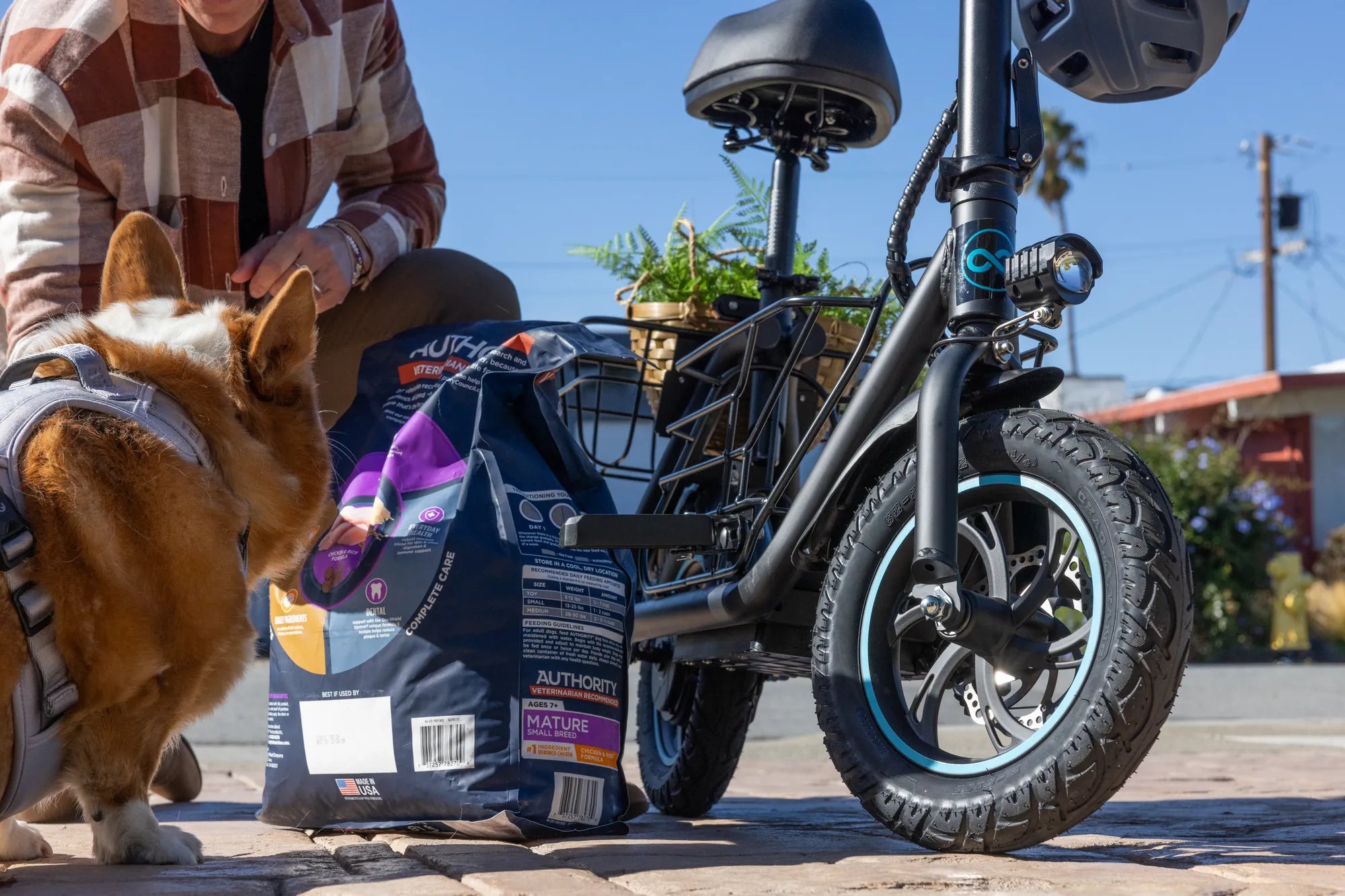
Introduction: Navigating the World of Kids' Electric Scooters in India
Finding the right electric scooter for your child in India requires balancing excitement with safety. This complete buying guide for the Best Electric Scooters for Kids in India cuts through the noise. We provide data-driven insights to help you choose a scooter that is safe, durable, and perfectly suited for local conditions.
You will learn to decode technical specifications, prioritize critical safety features, and understand what makes a scooter reliable for daily use. This guide empowers you to make an informed investment in your child's outdoor fun and independence, ensuring years of enjoyable riding.
Why Choose an Electric Scooter for Your Child?
Electric scooters offer a compelling blend of fun and developmental benefits. They encourage children to play outdoors, promoting physical activity in an era dominated by screens. Riding a scooter actively develops core balance, coordination, and motor skills, which are crucial for growing children.
From an environmental perspective, these scooters are a fantastic introduction to eco-conscious mobility. They produce zero local emissions and teach children about sustainable transportation alternatives. For parents, it provides a controlled way to grant a sense of independence and responsibility.
Common concerns around safety and durability are valid. However, modern scooters from reputable brands come equipped with robust safety features. Choosing a well-built model transforms these concerns into manageable parameters, allowing you to focus on the immense benefits for your child's growth and enjoyment.
Key Safety Features You Must Not Compromise On
Safety is the non-negotiable foundation of any kids' electric scooter purchase. In the Indian context, with its mix of paved surfaces, rough pathways, and variable traffic, certain features are essential. Never compromise on these critical components for the sake of a lower price.
A speed limiter with parental controls is paramount. This allows you to set a safe maximum speed (often between 6-12 kmph for younger kids) and increase it as your child gains skill and confidence. Reliable braking is equally vital; look for a combination of electronic (e-brake) and mechanical (disc or foot) brakes for redundancy.
The scooter's physical design must promote stability. A wide, anti-slip deck and a wheelbase long enough to prevent tipping are key. Bright, always-on LED headlights and taillights, along with reflective decals, are crucial for visibility during evening rides in residential areas or parks.
The Importance of Battery & Build Quality
The battery and overall build quality directly impact long-term safety and performance. This is where brands like Gyroor set a benchmark. Their use of UL-certified battery packs, tested for over 500 charge cycles, is a critical differentiator.
Certified batteries have multiple protection circuits to prevent overheating, overcharging, and short circuits—common failure points in uncertified cells. For Indian weather, an IPX5 water-resistance rating is highly recommended. It protects the electrical components from rain showers and splashes from puddles, ensuring the scooter can handle occasional moisture without risk.
A sturdy frame, typically made from reinforced aluminum alloy, can withstand the bumps and drops of enthusiastic use. Quality welding and bolt integrity prevent sudden structural failures. Investing in certified build quality is an investment in peace of mind.
How to Select the Perfect Scooter: Age, Weight & Usage
Selecting the right scooter requires matching the product's specifications to your child's profile and intended use. A mismatched scooter can be unsafe, frustrating, or simply not durable enough. Use this practical matrix as your starting point.
For young beginners (ages 6-8), prioritize stability and low speed. A scooter with a 100W-150W motor, a maximum speed of 8-10 kmph, and a weight capacity of at least 50 kg is ideal. These are perfect for smooth surfaces in controlled environments like apartment courtyards.
Older children (ages 9-12) need more power and range. Look for 150W-200W motors, speeds up to 12-15 kmph, and a weight limit of 70-80 kg. This handles longer rides in parks and can manage slight inclines. For teenagers (13+), 200W+ motors with higher torque and larger wheels are suitable for varied terrain.
Always check the manufacturer's stated weight limit and choose a scooter rated for at least 20% more than your child's current weight. This accounts for growth and ensures the motor and frame are not overstressed, which extends the scooter's lifespan.
Top Considerations for the Indian Buyer
The Indian market and environment present unique challenges. A scooter that performs well in a controlled foreign market may not withstand local conditions. Your buying decision must factor in durability, service, and real-world value.
Durability for varied terrain is crucial. Indian riding surfaces can shift from smooth marble to cracked pavement quickly. Scooters with larger, pneumatic (air-filled) tires (8.5-inch or larger) and good suspension absorb shocks far better than small, solid rubber tires.
After-sales service and warranty coverage are often overlooked. A comprehensive 1-year warranty on the motor, battery, and controller, like that offered by Gyroor, is essential. Check the brand's service network or partner workshops in your city to ensure support is accessible.
Consider the availability of spare parts like tires, inner tubes, and brake pads. Brands with a strong distribution footprint simplify maintenance. Finally, evaluate value for money not just on purchase price, but on total cost of ownership, including durability and potential repair costs.
Performance Metrics: Speed, Range & Terrain
Understanding performance specifications helps set realistic expectations. Manufacturers often quote ideal-world figures; real-world performance in India will be lower due to weight, terrain, and riding style.
| Age Group | Typical Motor Power | Practical Speed Range | Real-World Range* | Recommended Wheel Type |
|---|---|---|---|---|
| 6-8 Years | 100W - 150W | 6 - 10 kmph | 8 - 12 km | 6.5" - 8.5" Pneumatic |
| 9-12 Years | 150W - 200W | 10 - 15 kmph | 12 - 18 km | 8.5" Pneumatic (Front Suspension) |
| 13+ Years | 200W+ | 15 - 20 kmph | 15 - 25 km | 8.5"+ Pneumatic (Dual Suspension) |
*Range depends on rider weight, terrain, and use of throttle vs. kick-assist.
Motor wattage determines torque and hill-climbing ability. A 200W motor will handle gentle slopes in residential areas better than a 100W motor. Wheel size directly impacts comfort; larger pneumatic tires provide a smoother ride on rough surfaces compared to small, solid tires.
Parental Guidance: Rules, Gear, and Maintenance
Owning a scooter comes with responsibility. Establishing clear rules and a maintenance routine ensures safety and maximizes the product's life. Parental involvement is key, especially in the initial learning phase.
Mandatory safety gear is non-negotiable. A certified bicycle helmet must be worn every time. Consider adding knee and elbow pads for younger riders. Establish riding zones—quiet residential streets, parks, or designated complexes—and strictly prohibit road riding.
Teach basic traffic awareness: stopping at intersections, checking for vehicles, and using hand signals. Set a 'no night riding' rule unless under direct adult supervision with lights on. A pre-ride safety check (brakes, tire pressure, loose bolts) should become a habit.
For maintenance, follow the battery charging cycle: avoid draining it completely and don't leave it plugged in indefinitely. Check tire pressure weekly. Tighten bolts and fasteners every few weeks, as vibrations can loosen them. Wipe down the scooter after riding in dusty or damp conditions to prevent grime buildup.
Comparison of Scooter Types for Indian Conditions
Not all scooters are created equal. Your choice should align with your primary use case—be it casual park riding, commuting within a large society, or handling mixed surfaces. Here’s a breakdown of common types.
Urban Commuter (for Gated Communities): These prioritize portability and smooth ride on paved paths. They often have moderate motor power (150W), solid or hybrid tires, and a lightweight foldable frame. Ideal for older kids moving between friends' houses or clubhouses.
All-Terrain Adventurer: Built for parks, mild off-road, and uneven surfaces. Key features include a more powerful motor (200W+), large pneumatic tires (8.5”+), and front or dual suspension. Brands like Gyroor design models in this category to handle the unpredictable nature of Indian outdoor spaces.
Beginner/Starter Models: Designed for maximum safety and simplicity. They feature very low top speeds (6-8 kmph), wide decks for stability, and simple thumb throttles. These are the best electric scooters for kids in India who are just starting out, focusing on skill development over performance.
Frequently Asked Questions (FAQs)
Q1: What is the ideal age for a child to start using an electric scooter?
Most children develop the necessary balance and coordination around age 6. However, readiness varies. Start with a low-speed, stable model and ensure constant supervision during the initial learning period.
Q2: Are electric scooters safe for use on Indian roads?
They are not designed for main roads with traffic. Safety is only assured in controlled environments like sidewalks in parks, empty parking lots, or within the confines of gated residential communities. Adult supervision is mandatory in any shared space.
Q3: How long does the battery typically last, and what is the charging time?
A quality battery lasts for 1-2 hours of ride time per charge, translating to 10-20 km range. Charging usually takes 3-5 hours. Always use the provided charger and follow the manufacturer's instructions to preserve battery health.
Q4: Can these scooters handle monsoon rains or wet conditions?
Scooters with an IPX5 water-resistance rating, like several Gyroor models, can handle light rain and wet roads. However, they should not be ridden through standing water or submerged. Always dry the scooter thoroughly after riding in the rain.
Q5: What is the average maintenance cost per year?
With proper care, maintenance costs are minimal—primarily for tire replacements (if pneumatic) or brake pads. Expect to spend ₹500-₹1500 annually. A good warranty significantly reduces potential costs for electrical components.
Q6: How do I ensure the scooter is not too fast for my child?
Choose a model with a speed limiter and parental control via a companion app or physical key. These features allow you to set a maximum speed and increase it gradually as your child's skills improve, making it a core feature of the Best Electric Scooters for Kids in India.
Conclusion: Investing in Fun and Safety
Choosing the right electric scooter is an investment in your child's joyful childhood and safe development. The decision hinges on prioritizing certified safety features from reputable brands, meticulously matching the scooter to your child's age and your local environment, and committing to proactive supervision and maintenance.
Brands that invest in UL-certified batteries, robust IP-rated construction, and reliable customer support, like Gyroor—trusted by over 100,000 riders—offer the peace of mind that allows the fun to flourish. Remember, the best electric scooter is one that brings a smile to your child's face while meeting the highest standards of safety and durability for Indian conditions.
Ready to explore a range of high-performance, safe, and fun options for your young rider? Browse the full Gyroor collection of UL-certified kids' electric scooters and e-bikes at gyroorboard.com.
Adult Electric Scooters Ireland: Your Ultimate Guide to Eco-Friendly Commuting
Popular Electric Scooters Vietnam: The Future of Urban Mobility