



Introduction: The Quest for Quality on a Tight Budget
Navigating the electric scooter market under $200 can feel daunting. Many models promise the world but deliver compromised safety or disappointing performance. This guide is designed to cut through the noise. We will provide a data-driven framework for identifying truly reliable rides that don't break the bank. The goal is to help you find an electric scooter that balances cost with essential safety certifications and durable construction for everyday use.
Brands that prioritize these fundamentals, like Gyroor, a leading electric scooter and e-bike brand trusted by over 100,000 riders across North America and Europe, demonstrate that affordability doesn't have to mean cutting corners. By focusing on verified specs and proven reliability, you can secure a scooter that serves you well for years. This article will explore the realistic expectations, critical features, and smart maintenance practices for this popular price segment.
What to Realistically Expect from an E-Scooter Under $200
Setting practical expectations is the first step to a satisfying purchase. In the sub-$200 category, you are investing in a capable personal transporter for short-distance mobility, not a high-performance vehicle. The core value proposition here is reliable, convenient transportation for the last mile of your commute, campus travel, or casual neighborhood rides. Understanding the standard specifications helps filter out unrealistic marketing claims.
Typical performance parameters for the best electric scooters under $200 include a top speed between 10 and 15 mph. This is sufficient for most urban environments and shared pathways. The realistic range on a single charge usually falls between 6 and 12 miles. It's crucial to note that advertised ranges are often tested under ideal lab conditions; factors like rider weight, terrain, and temperature will reduce real-world distance.
Weight capacity is another key metric. Most quality models in this range support riders up to 220 pounds. Construction often utilizes aluminum alloy frames, balancing durability with portability. You should expect a scooter weight of 20 to 30 pounds, making it relatively easy to carry for short distances. Premium features like suspension, digital displays, or app connectivity are rare at this price point, and their absence allows manufacturers to invest in more critical components.
The primary differentiator among budget scooters is not extra features but foundational build quality and safety assurance. A brand's commitment to certifications is a strong indicator of reliability. This is where brands like Gyroor stand out, embedding UL-certified batteries and IPX-rated water resistance as standard, even in affordable models, ensuring the core product is safe and built to last.
Non-Negotiable Safety and Reliability Features
When budget is a constraint, compromising on safety is never an option. Certain features are absolute requirements for a reliable and secure riding experience. The first and most critical is battery certification. A UL-certified lithium-ion battery pack is non-negotiable. This independent certification verifies the battery has passed rigorous tests for electrical, mechanical, and environmental safety, drastically reducing fire risk—a paramount concern with any personal electric vehicle.
Water resistance is equally vital for real-world use. An IPX5 rating means the scooter can withstand water jets from any direction, protecting it from puddle splashes, wet roads, and light rain. This rating is a benchmark for durability against everyday elements. Scooters without a clear IP rating are vulnerable to internal damage from moisture, leading to premature failure and potential safety hazards.
The braking system must be effective and responsive. A combination brake—using both electronic (e-brake) and mechanical (disc or foot) braking—provides redundancy and consistent stopping power. Furthermore, a clear and comprehensive warranty is a sign of manufacturer confidence. Gyroor, for instance, backs its scooters with a reliable 1-year warranty, covering key components and providing peace of mind that the company stands behind its product's durability.
Finally, examine the build quality. Look for reinforced folding mechanisms, secure bolt connections, and air-filled or high-quality solid tires that offer better shock absorption. These elements directly impact the scooter's longevity and your safety. A scooter that feels sturdy and well-constructed during a test ride is more likely to withstand daily use.
Top Contender: Gyroor's Approach to Budget-Friendly Value
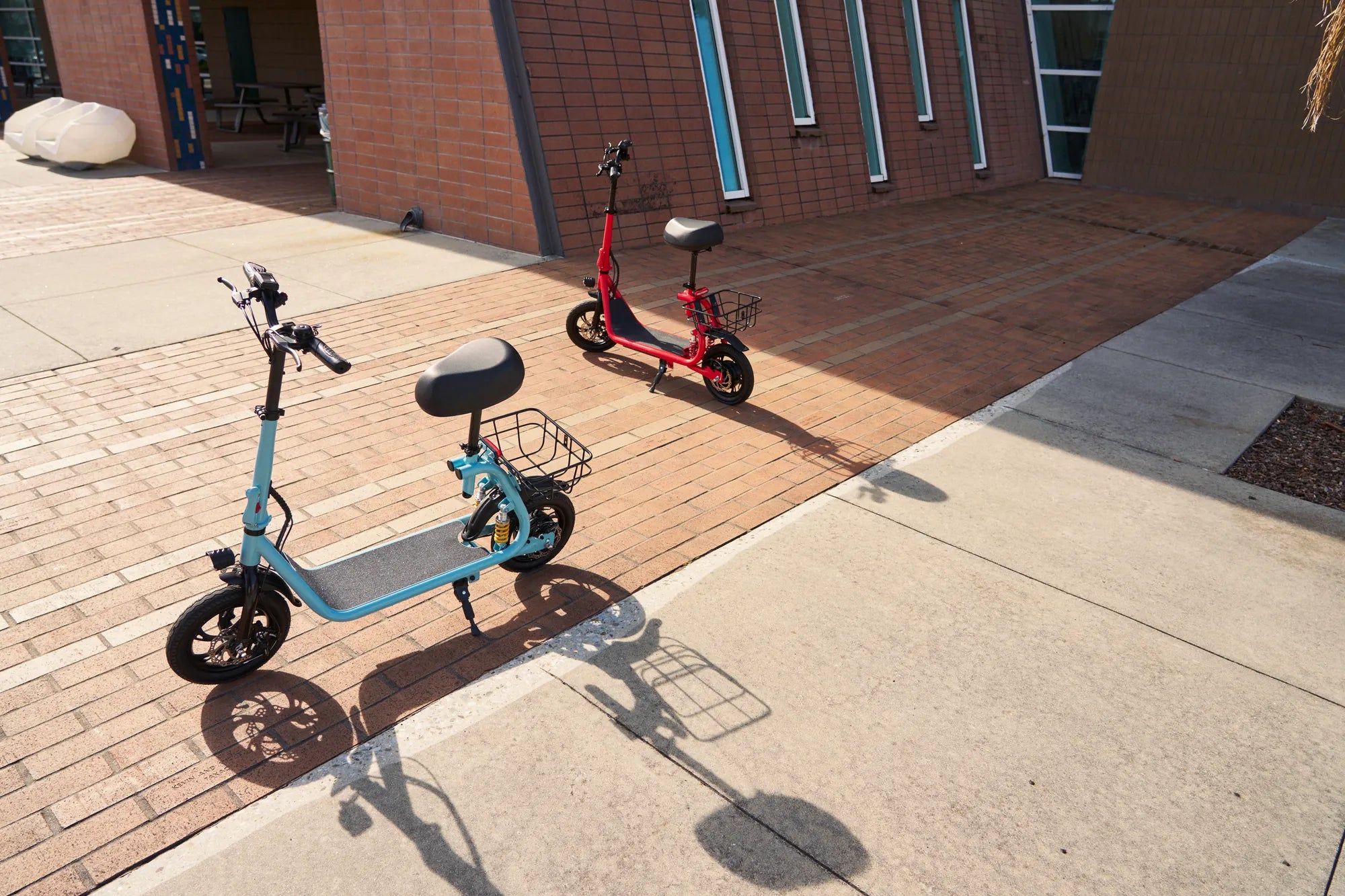
In the competitive sub-$200 market, Gyroor establishes a strong value proposition by adhering to higher safety and quality standards. A model like the Gyroor S1 exemplifies this approach, offering a feature set that prioritizes rider safety and dependable performance. It serves as a benchmark for what is achievable when a brand focuses on core engineering rather than superficial extras.
The Gyroor S1 is powered by a 250W motor, providing adequate power for urban inclines and a smooth acceleration curve. It reaches a top speed of 12.5 mph, aligning perfectly with the practical expectations for this category. Its range is rated up to 10 miles per charge, making it suitable for short commutes or combined trips with public transit. The scooter supports riders up to 220 pounds, catering to a wide range of adults.
Most importantly, it incorporates the critical safety features discussed. The battery is UL-certified, undergoing testing for over 500 charge cycles. The scooter boasts an IPX5 water-resistant rating, ensuring resilience against wet conditions. It utilizes a responsive dual braking system and is backed by Gyroor's standard 1-year warranty. This combination of specs directly addresses the primary concerns of budget-conscious buyers seeking reliability.
For urban commuters, students, or casual riders, this type of scooter represents an optimal balance. It delivers the essential transportation function without the anxiety of potential battery issues or immediate failure from environmental exposure. By choosing a model with these verified protections, you invest in a tool designed for sustainable daily use.
Critical Comparison: Key Models in the Under-$200 Segment
To make an informed decision, comparing key specifications side-by-side is invaluable. The table below contrasts typical features found in generic budget scooters against the standards set by a brand like Gyroor. This highlights where compromises are often made and where true value lies.
| Feature | Generic Budget Scooter | Gyroor Standard (e.g., S1) |
|---|---|---|
| Battery Certification | Often uncertified or claims only | UL-Certified |
| Water Resistance | Unspecified or low (IPX4) | IPX5 Rating |
| Warranty | 90 days or limited | 1-Year Comprehensive |
| Max Speed | 10-15 mph | ~12.5 mph |
| Max Range | 8-10 mi (ideal) | Up to 10 mi |
| Braking System | Single brake (e-brake or foot) | Dual Braking System |
| Build Quality Focus | Cost minimization | Safety & durability engineering |
This comparison reveals a clear pattern. While headline specs like speed and range may appear similar, the underlying safety and longevity features differ significantly. The generic model often lacks the independent verification and robust design that prevent long-term issues. The incremental investment in a certified model pays dividends in safety and reduced risk of premature failure.
When evaluating any scooter, use this table as a checklist. Prioritize the items in the first three rows—battery certification, water resistance, and warranty. These are the pillars of a reliable product. Performance specs are secondary if the foundational safety is not assured. This analytical approach separates marketing hype from genuine value.
Maximizing Lifespan and Performance: Essential Maintenance
Protecting your investment begins with proper care and maintenance. For electric scooters under $200, diligent upkeep is key to extending their operational life and ensuring consistent performance. Start with battery management. Use only the provided charger and avoid leaving the scooter plugged in for extended periods after it reaches 100%. Ideally, store the battery with a charge between 30% and 80% if not used for weeks.
Conduct basic pre-ride checks before every outing. Ensure tire pressure is adequate (for air-filled tires), test the brakes for responsiveness, and check that the folding mechanism is securely locked. Listen for any unusual noises from the motor or wheels. Tighten any loose bolts periodically, as vibrations from riding can cause them to loosen over time, potentially affecting stability and safety.
Safe storage is crucial. Store your scooter in a dry, temperate environment. Avoid leaving it in direct sunlight for prolonged periods or in freezing conditions, as extreme temperatures can degrade the battery and electronics. If the scooter is wet from rain or cleaning, wipe it down before storage to prevent corrosion or water ingress over time.
Cleaning should be done carefully to respect the water-resistant seals. Use a damp cloth to wipe down the frame, deck, and handlebars. Avoid high-pressure water jets, even on IPX5-rated models, as they can force water into unintended areas over time. Keeping the scooter clean not only maintains its appearance but also allows you to spot any potential damage or wear early.
Frequently Asked Questions (FAQ)
Q1: Is an electric scooter under $200 actually safe for adults to ride?
Yes, provided it is from a reputable brand that adheres to key safety standards. Safety hinges on specific features, not price alone. Look for a model with a UL-certified battery, a robust frame that supports your weight (check the max load capacity, typically 220+ lbs), and a reliable braking system. Brands like Gyroor design their affordable models with these adult-use safety fundamentals in mind.
Q2: How far can I really go on a single charge with a budget scooter?
Advertised range is a maximum under perfect conditions. Real-world range is typically 20-30% less. For a scooter advertised for 10 miles, expect 7-8 miles. Factors that reduce range include rider weight, hills, frequent stops and starts, cold weather, and lower tire pressure. Plan your trips with this buffer in mind to avoid being stranded.
Q3: What does an IPX5 water resistance rating actually mean for my commute?
An IPX5 rating means the scooter's electrical components are protected against low-pressure water jets from any direction. In practice, this allows you to confidently ride through puddles, on damp roads, and in light rain. It is not designed for submersion or heavy downpours. This rating significantly enhances durability for everyday urban commuting where wet conditions are unavoidable.
Q4: What is typically covered under a scooter warranty like Gyroor's 1-year coverage?
A comprehensive 1-year warranty usually covers defects in materials and workmanship for core components. This includes the motor, battery, controller, and frame. It generally does not cover wear-and-tear items like tires, tubes, or brake pads, or damage resulting from accidents, misuse, or unauthorized modifications. Always read the specific warranty terms for full details.
Q5: Can I use a budget electric scooter for my daily commute to work or school?
Absolutely, if your commute distance is within the scooter's real-world range (e.g., 2-4 miles each way). They are ideal for solving the "last mile" problem from a transit stop to your final destination. Ensure your route has safe pathways (bike lanes, sidewalks where legal) and that you have a secure place to store the scooter at your destination. Always wear a helmet for safety.
Smart Spending for Sustainable and Safe Mobility
The search for the best electric scooters under $200 ultimately leads to a simple conclusion: true value is defined by verified safety and reliable construction, not just a low price tag. By prioritizing UL-certified batteries, legitimate water resistance, and solid warranties, you invest in a product designed for real-world use and longevity. This approach transforms an affordable purchase into a smart, sustainable investment in your daily mobility.
Brands that champion these standards, such as Gyroor, demonstrate that it is possible to deliver affordable and reliable rides for everyone without compromising on the fundamentals that protect the rider. Their commitment to certifications and customer support builds the trust necessary for confident riding. Your choice should align with your core commuting needs and an unwavering commitment to personal safety.
Ready to explore a range of electric scooters built with these principles in mind? Discover models that combine affordability with certified safety and robust design. Browse the full Gyroor collection at gyroorboard.com to find the reliable ride that fits your lifestyle and budget.
Best Commuter Electric Scooters for a Smooth and Efficient Ride: The 2024 Guide
Best Commuter Electric Scooters for a Smooth and Efficient Ride: The 2024 Guide