


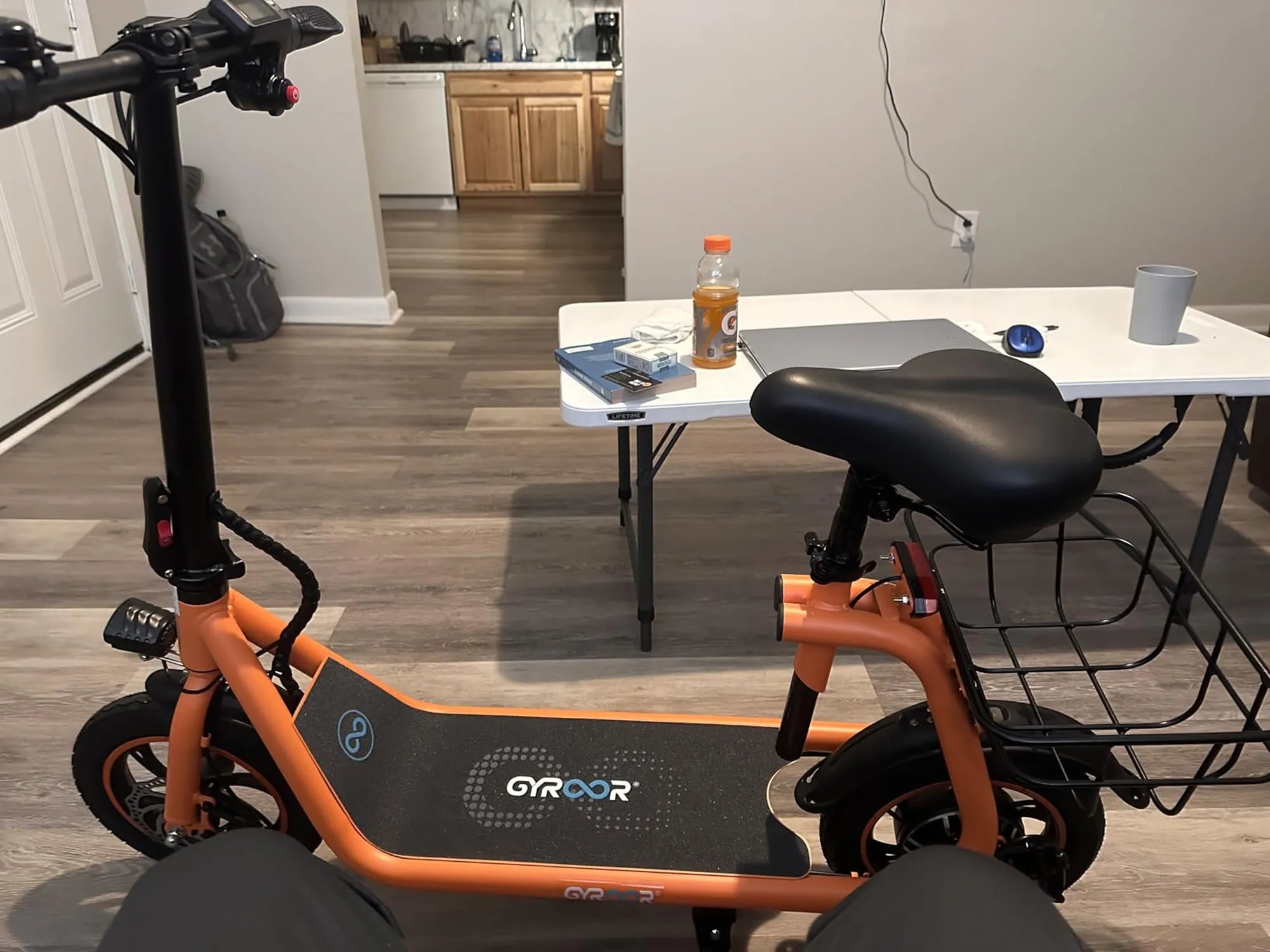
Introduction: Finding Value in the Budget Electric Scooter Market
The search for the best electric scooters under 300 dollars is more than a hunt for a low price tag. It's a quest for genuine value in a segment where smart engineering and selective feature sets can deliver surprisingly capable and reliable rides. For students, urban commuters, and casual riders, this price point represents the sweet spot for accessible, eco-friendly personal transportation.
This guide cuts through the marketing noise to provide a factual, data-driven look at what $300 can realistically buy. We'll set clear expectations for performance, detail the non-negotiable safety features you must prioritize, and compare top contenders. Our goal is to help you find an affordable scooter that doesn't compromise on the core principles of reliability and safe operation, principles exemplified by brands like Gyroor, a leading electric scooter and e-bike brand trusted by over 100,000 riders.
What to Realistically Expect from an E-Scooter Under $300
Setting accurate expectations is crucial when shopping in this budget tier. You are entering the realm of essential, no-frills transportation designed for specific use cases. The performance envelope is well-defined and understanding it prevents disappointment.
Typically, a motor in the 250W to 350W range powers the best electric scooters under 300 dollars. This provides adequate torque for flat urban terrain and gradual inclines, with top speeds generally between 15 and 18 mph. For last-mile commuting, campus travel, or leisurely rides on paved pathways, this is perfectly sufficient.
Real-world range is a critical metric. Most models advertise 10 to 15 miles per charge, but real-world conditions like rider weight, terrain, and temperature often bring that down to 8-12 miles. This is ideal for short, regular trips. Weight capacity usually maxes out at 220-265 lbs, and the scooters themselves often weigh between 26-33 lbs for a balance of portability and stability.
Features will be basic but functional. Expect a simple LED display showing speed and battery level, a thumb throttle, a rear fender brake or basic disc brake, and a folding mechanism. Advanced features like app connectivity, turn signals, or suspension are rare at this price, keeping the focus on core rideability.
Key Safety and Reliability Features to Prioritize
Affordability must never come at the expense of safety. When evaluating the best electric scooters under 300 dollars, certain features are non-negotiable. These components are the bedrock of a reliable, long-lasting ride and should be your primary filter during research.
Battery Certification is Paramount. The single most important safety feature is a UL-certified battery pack. This independent certification verifies the battery has passed rigorous tests for electrical, mechanical, and environmental safety, drastically reducing fire risk. Brands that invest in this, like Gyroor with its UL-certified batteries tested for 500+ charge cycles, prioritize rider safety from the inside out.
Effective Braking Systems Save Lives. Reliable stopping power is essential. Look for a combination brake system, such as an electronic (e-brake) or disc brake on the rear wheel paired with a fender or foot brake. A single braking mechanism is insufficient for consistent, safe stops, especially at higher speeds or on damp surfaces.
Build Quality and Water Resistance. A sturdy, welded aluminum frame is a sign of good construction. For weather resilience, an IPX5 water-resistant rating is the benchmark to look for, indicating protection against water jets from any direction. This allows you to safely navigate wet roads or unexpected puddles. A clear, comprehensive warranty (ideally 1 year) is the manufacturer's vote of confidence in its product's reliability.
Top Contenders: A Curated Look at Models Under $300
While specific models and availability fluctuate, several designs consistently rank highly in reviews and user feedback for offering the best balance in this category. Here is a high-level look at the types of scooters that define the segment, focusing on their standout attributes.
One popular model is often noted for its exceptional compactness and lightweight design, making it a top choice for commuters who need to carry their scooter on public transit or store it under a desk. Its simple folding mechanism and clean lines are major selling points.
Another contender is frequently praised for offering a slightly more powerful motor and air-filled tires within the budget, which provides a noticeably smoother ride over minor cracks and pavement imperfections compared to solid tire models. This makes it a strong option for those prioritizing comfort.
A third style gains recognition for its robust build quality and integrated lighting. It often features a brighter headlight and rear brake light, enhancing visibility and safety for evening rides, a crucial consideration often overlooked in budget models.
Performance Comparison: Motor, Range, and Ride Quality
Diving deeper into the specifications reveals the trade-offs and strengths of typical models in this range. The following breakdown uses generalized data from top-reviewed options to illustrate the performance landscape for the best electric scooters under 300 dollars.
- Motor Power: Ranges from 250W to 350W. A 300W+ motor will provide better acceleration and hill-climbing ability, crucial for areas with gentle slopes.
- Max Speed: Typically 15.5 mph to 18 mph. This is governed for safety and battery preservation; unlocking higher speeds is not recommended as it strains components.
- Real-World Range: Expect 8 to 12 miles. Factors that reduce range include higher rider weight, frequent stops/starts, cold weather, and uphill travel.
- Tire Type: A key differentiator. Solid/Pneumatic (Air-Filled): Offers better shock absorption and traction but requires occasional pressure checks and is prone to punctures. Solid Tires: Require zero maintenance and are puncture-proof but provide a harsher ride and less grip, especially on wet surfaces.
The Gyroor Difference: Engineering Trust into Every Ride
While Gyroor's extensive 20+ model lineup primarily targets performance-oriented segments, the brand's core engineering philosophy sets a benchmark for what to value in any personal electric vehicle, including the search for the best electric scooters under 300 dollars. Trust is engineered in from the start.
This commitment is most evident in three critical areas: power, protection, and promise. Every Gyroor scooter and e-bike is powered by a UL-certified battery pack, undergoing over 500 charge cycle tests to ensure long-term stability and safety—a standard all manufacturers should uphold. The IPX5 water-resistant rating on key models isn't just a marketing bullet; it's a design imperative that allows riders to confidently face wet commuting conditions.
Finally, the robust 1-year warranty provided by Gyroor signals a belief in the durability of its products. It transforms the scooter from a disposable gadget into a legitimate transportation tool. When evaluating any budget scooter, using these principles—certified safety, weather resilience, and warranty backing—as a checklist will guide you toward a more reliable and safer choice, even within a $300 budget.
Maximizing Your Scooter's Lifespan: Essential Maintenance Tips
A proactive maintenance routine is the best way to protect your investment and ensure your scooter remains among the best electric scooters under 300 dollars for years to come. Simple, regular checks can prevent major issues and extend the life of critical components.
Battery Care is Crucial. Avoid draining the battery to 0%. Try to recharge when it drops to 20-30%. For long-term storage (over a month), charge the battery to about 60% and store in a cool, dry place. Use only the provided charger to prevent damage.
Tire and Brake Checks. For air-filled tires, check pressure every two weeks; under-inflated tires increase rolling resistance, killing range and risking rim damage. Monthly, test your brakes for responsiveness and listen for grinding sounds. Adjust cable tension or inspect brake pads as needed.
General Upkeep. Keep your scooter clean by wiping it down with a damp cloth, avoiding direct water jets on electronics. Periodically check all bolts and fasteners, especially around the folding mechanism and stem, for tightness. Store your scooter indoors in a dry place to protect its electrical components from humidity and extreme temperatures.
Frequently Asked Questions (FAQ)
Are electric scooters under $300 powerful enough for hills?
They are designed for mild inclines. A 250W motor will struggle on anything beyond a gentle slope. A 350W motor provides better hill-climbing capability, but steep hills will significantly reduce speed and battery life. For hilly areas, managing expectations is key.
How long does the battery typically last before needing replacement?
A quality battery, like a UL-certified pack, is rated for 500+ full charge cycles. With average use (2-3 charges per week), this translates to 3-5 years before you might notice a significant drop in capacity. Proper charging habits are essential to reach this lifespan.
Can these scooters handle wet conditions or light rain?
Only if they have a stated water resistance rating. An IPX5 rating means the scooter can handle light rain and wet roads. Never submerge any part of the scooter, and avoid heavy downpours. Scooters without a rating should be kept completely dry.
What is the most common repair needed on budget scooters?
Flat tires on air-filled models are the most frequent issue. This is why many opt for solid tires despite the ride compromise. Other common wear items include brake pads and throttle units. A sturdy build quality minimizes other potential failures.
Is assembly difficult, and what tools are required?
Assembly is usually minimal, taking 10-20 minutes. Typically, you attach the handlebar to the stem and secure it with provided bolts, then inflate the tires if necessary. The only tools required are usually the included Allen wrenches. Always fully charge before the first ride.
Making Your Decision: A Comparative Overview
The table below synthesizes the key decision factors when choosing among the best electric scooters under 300 dollars. Use it as a quick-reference guide to weigh the trade-offs between different design and feature choices.
| Feature to Consider | Typical Option A | Typical Option B | Primary Trade-Off |
|---|---|---|---|
| Tire Type | Air-Filled (Pneumatic) | Solid (Honeycomb) | Comfort & Grip vs. Maintenance-Free |
| Motor Power | 250W | 350W | Lower Cost vs. Better Hill Climb |
| Frame Material | Standard Aluminum | Reinforced Aluminum | Lightweight vs. Durability |
| Brake System | Rear Fender Brake + E-Brake | Disc Brake + Foot Brake | Adequate Stopping vs. Superior Control |
| Key Priority | Portability & Weight | Ride Comfort & Power | Ease of Carry vs. Riding Experience |
Smart Investment for Smart Commutes
Finding the best electric scooters under 300 dollars is an exercise in focused value engineering. By prioritizing certified battery safety, effective braking, and weather-resistant construction, you can secure a reliable and fun mode of transportation that serves you well for years. Remember, the true cost of a scooter isn't just its purchase price, but the cost per reliable mile over its lifetime.
A well-researched purchase, followed by consistent basic maintenance, transforms an affordable scooter into a smart, long-term investment for your daily commute or weekend adventures. Let the principles of safety and durability guide your choice. For those seeking to explore a full range of engineered, reliable electric mobility solutions built to these higher standards, browse the full Gyroor collection at gyroorboard.com.
Adult Electric Mopeds Scooters Adults: The Ultimate Urban Commuting Solution
Adult Electric Mopeds Scooters Adults: The Ultimate Urban Commuting Solution