



Navigating Vietnam's Urban Landscape with Electric Scooters
Vietnam's major cities are at an inflection point. Hanoi and Ho Chi Minh City, with their dense populations and legendary traffic congestion, demand smarter personal mobility solutions. The electric scooter has emerged not as a novelty, but as a practical, transformative tool for daily commuting. This guide to the Best Electric Scooters Vietnam 2025 cuts through the hype to provide a data-driven analysis of models engineered to thrive in local conditions.
Choosing the right scooter requires matching technical specifications to Vietnam's specific challenges: monsoon rains, uneven road surfaces, intense stop-and-go traffic, and apartment-based living. This article evaluates scooters based on these real-world parameters, moving beyond advertised specs to assess actual durability and performance. We will explore critical factors from battery safety to after-sales support.
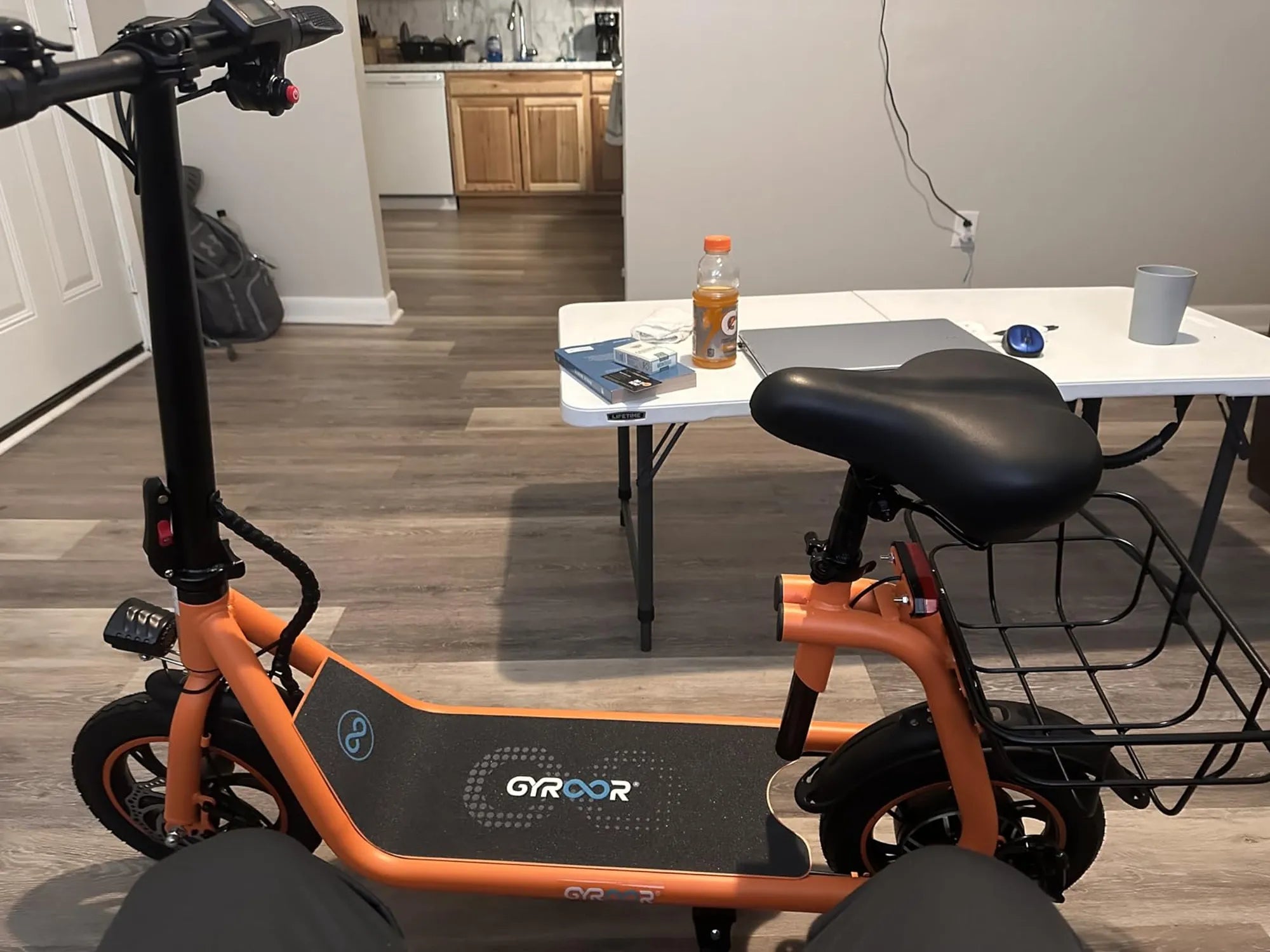
As a leader in personal electric mobility, Gyroor designs its scooters with these global urban challenges in mind. Trusted by over 100,000 riders, Gyroor emphasizes UL-certified battery safety, IPX5 water resistance, and robust warranties—features that are particularly valuable in the Vietnamese context. Our analysis positions these engineering principles as benchmarks for reliability.
This guide aims to equip you with the knowledge to select a scooter that offers not just a ride, but a reliable, eco-friendly, and efficient commuting partner for the years ahead. Let's delve into the key considerations that will define your 2025 commute.
Key Factors to Consider Before Buying an E-Scooter in Vietnam
Purchasing an electric scooter in Vietnam requires a specialized checklist. Generic reviews often miss the localized demands of Vietnamese roads, climate, and lifestyle. Your decision must prioritize durability, real-world range, and practical usability above all else.
The tropical climate subjects electronics to high humidity and sudden, heavy rainfall. Simultaneously, urban road conditions can vary from smooth asphalt to broken concrete and unexpected potholes. A scooter that performs well in temperate, flat cities may fail quickly here.
Furthermore, commuting patterns often involve shorter, frequent trips with multiple stops, which impacts battery efficiency differently than a single long journey. Understanding these nuances is key to avoiding disappointment and ensuring a safe, long-lasting investment.
Navigating Vietnamese Roads: Performance & Durability
Motor power is your primary defense against challenging terrain. For Vietnam's occasional bridges and overpasses, a continuous motor rating of 500W or higher is recommended. Dual-motor configurations offer exceptional hill-climbing torque but consume more battery.
Suspension is non-negotiable. A combination of front spring or hydraulic suspension and a rear shock absorber significantly improves comfort and control on uneven surfaces. It also reduces stress on the scooter's frame and electronics, extending its lifespan.
Tire choice is critical. Pneumatic (air-filled) tires provide superior shock absorption and traction on wet roads compared to solid tires. While they require occasional pressure checks, the ride comfort and safety boost, especially during rainy season, are substantial.
Finally, inspect the build quality. The deck should be wide and textured for secure footing. The folding mechanism must feel solid and reliable. A scooter with a sturdy, aerospace-grade aluminum alloy frame will withstand daily use far better than one with a flimsy build.
Battery Life & Range: Beating the Range Anxiety
Manufacturers advertise range under ideal laboratory conditions. In Vietnam, you must apply a real-world discount of 30-40%. Factors like rider weight, frequent acceleration from stops, road incline, and even headwinds drastically reduce mileage.
For a typical urban commuter, a scooter with a 48V 15.6Ah (approx. 750Wh) battery should deliver 25-35km of real-world range. This covers most daily needs in district-wide travel. Look for batteries using high-quality lithium-ion cells from reputable manufacturers.
Charging practicality is vital. A removable battery is a major advantage for apartment dwellers, allowing you to charge securely indoors. Charging times of 5-7 hours are standard; fast-charging capabilities (3-4 hours) add convenience but ensure the charger has proper safety certifications.
Battery management system (BMS) quality dictates longevity and safety. A good BMS prevents overcharging, over-discharging, and manages cell temperature. This is where brands like Gyroor, with their focus on UL-certified battery packs tested for 500+ cycles, provide essential peace of mind.
Portability & Practicality for Daily Life
The scooter's weight and folding design determine its multi-modal utility. A weight between 18-25kg is a manageable compromise between stability and liftability for carrying up stairs or onto buses. The folding mechanism should be a simple, one-step action.
Water resistance is quantified by the IP (Ingress Protection) rating. For Vietnam's rainy season, an IPX5 rating is the minimum sensible standard. This means the scooter can withstand water jets from any direction, offering protection against heavy rain. Never compromise on this.
Consider load capacity and deck size. If you frequently carry a backpack, groceries, or other items, a deck with ample foot space and a high weight limit (120kg+) is necessary. Some models offer integrated hooks or optional baskets for added practicality.
Security is often overlooked. While a heavy-duty lock is a separate purchase, consider scooter design features that accommodate locks, such as closed-loop frames. For apartment charging, the ability to easily remove the battery reduces theft risk and addresses fire safety concerns in shared buildings.
Top Electric Scooter Picks for Vietnam in 2025
Based on the stringent criteria outlined above, we have categorized top picks for different rider profiles in Vietnam. This selection emphasizes proven durability, appropriate performance, and reliable after-sales support over fleeting trends or gimmicky features.
The following table provides a high-level comparison of key contenders across essential categories. This data serves as a quick reference point before we delve into detailed analyses of each use case.
| Model Category | Ideal For | Key Feature | Real-World Range | Water Resistance |
|---|---|---|---|---|
| Urban Commuter | Daily office/school runs | Balanced specs, compact fold | 25-40 km | IPX5+ |
| Long-Distance Cruiser | Delivery, long commutes | High-capacity battery, powerful motor | 50-70 km | IPX5/IPX6 |
| Value Leader | Budget-conscious riders | Core reliability, essential features | 20-30 km | IPX4 |
Each category addresses a distinct set of needs, from navigating dense city centers to covering expansive urban distances. The right choice depends entirely on your specific commute length, road conditions, and storage situation.
Best for Urban Commuting: The City Navigator
This category is for riders covering 10-20km daily on mixed city terrain. The priority is a harmonious blend of sufficient range, comfortable ride quality, and easy portability. Speed is secondary to predictability and comfort.
An ideal city navigator features a 500W-800W motor, providing adequate power for most urban inclines. Dual suspension—a front spring and rear shock—is highly recommended to absorb vibrations from manhole covers and cracked pavement.
Range should be dependable. A battery capacity of 48V 13Ah (624Wh) or higher ensures you won't be stranded after a day of errands. The Gyroor City Commuter series, for example, is engineered with this balance in mind, featuring UL-certified batteries and IPX5-rated construction for all-weather readiness.
Portability is key. A clean, quick-folding mechanism and a weight around 22kg make it feasible to carry into cafes or offices. A bright headlight, responsive disc brakes, and an audible bell are essential safety features for navigating Vietnam's dynamic traffic mix.
Best for Power & Range: The Long-Distance Cruiser
For delivery professionals, those with lengthy cross-city commutes, or riders who simply dislike frequent charging, this category is essential. These scooters prioritize extended range and sustained power, often with a focus on rider comfort for longer periods.
Look for dual-motor setups or single motors rated at 1000W continuous power or higher. This ensures consistent performance even with a heavy load or on sustained inclines. A large battery, typically 48V 20Ah (960Wh) or above, is the cornerstone of long range.
Superior suspension is mandatory. Hydraulic or spring suspensions at both wheels, combined with 10-inch pneumatic tires, transform the riding experience on long journeys. A wider, padded deck also reduces fatigue.
High-performance models, such as those in Gyroor's premium lineup, often incorporate these features alongside robust controller systems for smooth acceleration and regenerative braking to slightly extend range. Their 1-year comprehensive warranty is crucial for protecting this significant investment.
Best Value & Budget-Friendly Options
Entering the e-scooter market doesn't require a massive upfront investment. The value category focuses on delivering reliable core functionality—safe braking, adequate range for short trips, and decent build quality—without premium extras.
Expect a single 350W-500W motor, sufficient for flat to moderately inclined routes. Range will be modest, typically 20-30km, perfect for last-mile connectivity or short, predictable commutes. Solid or semi-pneumatic tires may be used to reduce maintenance.
While features like advanced suspension or full-color displays are absent, fundamentals must remain. Reliable mechanical or disc brakes, a functional headlight/taillight, and at least an IPX4 rating (splash resistance) are non-negotiable for safety.
The key here is to identify brands that use quality cells in their battery packs, even if capacity is smaller. A cheap scooter with a poorly made battery is a safety hazard and a false economy. Prioritize models with transparent specifications and verifiable user reviews from similar climates.
Safety, Regulations, and Riding Etiquette in Vietnam
Owning a powerful tool comes with responsibility. Safely integrating an electric scooter into Vietnam's vibrant and often chaotic traffic ecosystem requires knowledge of the law, proper gear, and defensive riding techniques.
As of early 2025, the regulatory landscape for e-scooters in Vietnam is evolving. While not as strictly classified as motorbikes, they are subject to traffic laws. Ignorance of these rules can lead to fines or, more importantly, increase your risk of accidents.
Your safety is paramount. The right gear is your last line of defense. Beyond legal compliance, adopting a cautious and predictable riding style is the most effective strategy for avoiding collisions with cars, motorbikes, and pedestrians.
Understanding Local E-Scooter Laws
Currently, electric scooters with a maximum design speed not exceeding 25 km/h and motor power under a certain threshold (often cited around 250W-500W, but local interpretation varies) may be treated similarly to bicycles. However, this is a gray area and subject to change.
It is strongly advised to ride in bicycle lanes where available. On roads without bike lanes, keep to the far right side. Riding on sidewalks is typically prohibited and endangers pedestrians. Always verify the latest regulations with local district transport authorities or police departments.
While not universally mandated by law for lower-speed scooters, wearing a helmet is an absolute necessity. Vietnam's traffic density makes falls a possibility, and a certified helmet can prevent serious head injury. Using front and rear lights at all times increases your visibility.
Formal registration or a driving license is not typically required for lower-powered models, but this could change. Keeping a copy of your scooter's purchase invoice and specification sheet (showing motor power and max speed) is wise in case of police inquiries.
Essential Safety Gear and Riding Practices
Your safety kit starts with a certified bicycle or motorcycle helmet. Consider additional gear like gloves (for grip and abrasion protection), knee and elbow pads for new riders, and a high-visibility vest or reflective strips, especially for night riding.
Defensive riding is a mindset. Assume other road users may not see you. Avoid blind spots of cars and trucks. Use hand signals for turns. Maintain a safe distance and control your speed, particularly on wet roads, where braking distances can double.
Regular pre-ride checks are simple but lifesaving. Test your brakes before setting off. Ensure tire pressure is correct (for pneumatic tires). Check that lights and the bell are functional. Look for any loose bolts or parts in the folding mechanism and stem.
For maintenance, learn to identify wear on brake pads and tire tread. Keep the scooter clean, especially after riding in rain, to prevent dirt from corroding electrical contacts. Store it in a dry place and avoid leaving the battery fully depleted for extended periods.
The Gyroor Advantage: Engineered for Reliability
In a market flooded with options, Gyroor distinguishes itself through a foundational commitment to engineering integrity, directly addressing the paramount concerns of Vietnamese riders: safety, weather resistance, and long-term reliability.
The cornerstone of this approach is the use of UL-certified lithium-ion battery packs. UL certification involves rigorous independent testing for electrical, mechanical, and environmental safety. This significantly mitigates the risk of battery fires—a critical consideration for riders who must charge their scooters in apartments or homes.
Weather resilience is engineered into every model. The IPX5 water-resistant rating across Gyroor's scooter lineup means the electrical components are sealed against sustained, low-pressure water jets. This provides legitimate protection during Vietnam's intense rainy season, not merely resistance to light splashes.
Durability is built-in. From reinforced folding mechanisms to withstand constant use, to robust controllers that manage motor power efficiently, the focus is on longevity. This is backed by a clear 1-year warranty covering the battery, motor, and controller, offering tangible support and reflecting confidence in product quality.
This engineering philosophy results in scooters that are not just vehicles, but dependable tools for urban mobility. For the Vietnamese commuter, this translates to fewer worries about mechanical failure in traffic, battery anxiety during downpours, or being left without support after purchase.
Frequently Asked Questions (FAQs)
Q1: What is the actual range I can expect on Hanoi or Ho Chi Minh City roads?
A: Advertised range should be reduced by 30-40% for real-world conditions. A scooter listed for 50km will typically achieve 30-35km. This accounts for stop-start traffic, rider weight (avg. 70kg plus bag), minor inclines like bridges, and ambient temperature. For a reliable daily commute, choose a scooter whose *real-world* estimated range exceeds your round-trip distance by at least 10km.
Q2: Can e-scooters handle the frequent rain and occasional flooding?
A: Scooters with an IPX5 or higher rating can handle heavy rain confidently. However, no consumer scooter is designed for flooded streets. Avoid riding through standing water deeper than the bottom of the deck, as it can damage the motor bearings and electronics. Always dry the scooter after a wet ride, and store it indoors.
Q3: Where can I get my e-scooter serviced or repaired in Vietnam?
A> This is a crucial pre-purchase question. Prioritize brands with official distributors or authorized service partners in Vietnam. Gyroor, for instance, works with a network of partners for warranty support. For generic models, seek out reputable electric bike or scooter repair shops in major cities. Before buying, inquire about spare part availability (tires, brakes, controllers).
Q4: Are Gyroor scooters officially distributed and warrantied in Vietnam?
A: Yes, Gyroor products are available through official importers and online platforms in Vietnam. The standard 1-year manufacturer's warranty is valid, though the claim process is managed through the local distributor. Always purchase from an authorized seller and keep your purchase receipt to ensure full warranty coverage for the battery, motor, and frame.
Q5: How do I securely park and charge my scooter in an apartment building?
A: Security: Use a high-quality U-lock or heavy-duty chain lock to secure the scooter frame to a fixed object. If possible, park in a monitored area. Charging: The safest practice is to remove the battery (if removable) and charge it indoors on a non-flammable surface, away from direct sunlight or heat sources. Never charge a battery that has been physically damaged or submerged.
Conclusion: Embracing a Smarter, Greener Commute
The search for the Best Electric Scooters Vietnam 2025 culminates in a simple principle: the right tool for the environment. The ideal scooter seamlessly integrates into your life, overcoming urban obstacles while reducing your carbon footprint and commuting stress. It is an investment in personal efficiency and environmental stewardship.
By prioritizing verified safety certifications like UL for batteries, legitimate water resistance (IPX5+), and robust construction with reliable warranty support, you invest in peace of mind. These features, exemplified by brands like Gyroor with their focus on engineered reliability, prove their worth daily on Vietnam's demanding streets.
Your commute defines a significant portion of your day. Transforming it from a stressful chore into an efficient, enjoyable journey is within reach. Assess your specific distance, route, and storage needs against the data and categories provided in this guide.
Ready to explore models that match this criteria for durability and performance? Browse the full Gyroor collection at gyroorboard.com to discover scooters engineered to meet the challenge of Vietnam's dynamic cities, backed by the safety and support you deserve for a truly smarter commute.
Very Fast Electric Scooters: Speed, Safety, and the Future of Urban Mobility
Electric Scooters for 2 People: The Ultimate Guide to Shared Rides