



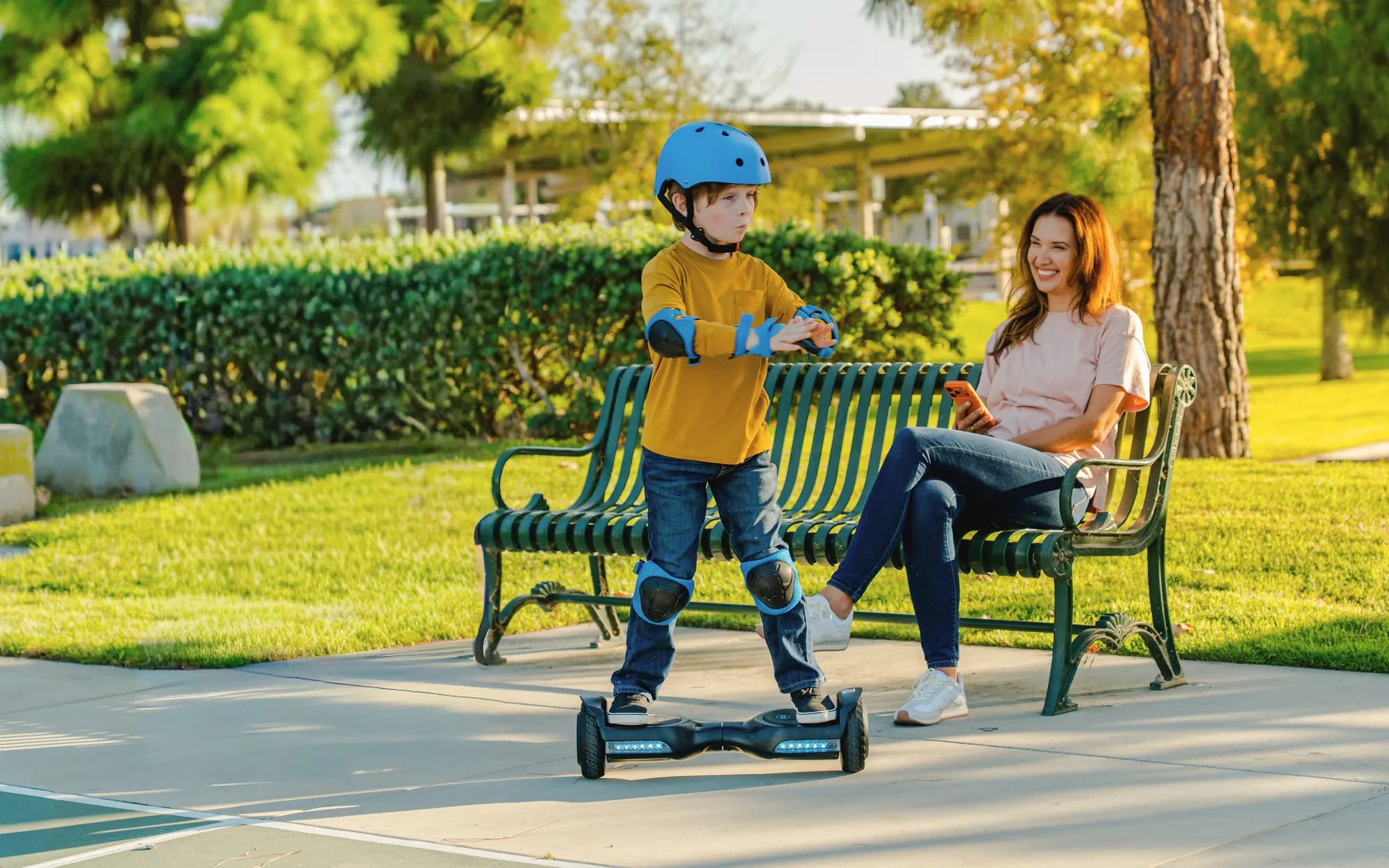
Finding the best hoverboard for kids requires more than picking the coolest-looking model. It's about matching verified safety engineering with your child's age, skill level, and riding environment. This guide provides the data-driven framework you need to make an informed choice, ensuring the ride is not only fun but built on a foundation of trust and durability. We'll decode essential certifications, analyze performance features, and explain why brand support matters for long-term peace of mind.
Introduction: Why the Right Hoverboard Matters for Your Child
Hoverboards offer an engaging blend of balance, coordination, and outdoor fun, making them a coveted item for kids. However, not all models are created equal. The difference between a generic product and a properly engineered one can be the difference between a safe hobby and a significant hazard.
Historical incidents involving battery fires underscore the critical importance of choosing a hoverboard with certified safety components. This guide prioritizes factual specifications and independent testing standards over marketing claims. As a leader in personal electric mobility, Gyroor designs its products with these safety principles at the core, serving over 100,000 riders globally with a focus on UL-certified batteries and robust construction.
Your child's hoverboard should be a source of joy, not worry. By understanding key features from the ground up, you can select a model that grows with your child's abilities while providing the durability to handle real-world use. Let's begin with the most critical aspect: safety certifications you cannot compromise on.
Key Safety Features You Must Look For
Safety is the paramount concern, and it starts with verifiable certifications. The UL 2272 standard is the benchmark for electrical and fire safety in self-balancing scooters. A hoverboard without this certification poses an unacceptable risk and should be avoided entirely.
Beyond the device certification, the battery itself must be safe. A UL-certified battery pack, like those used in all Gyroor hoverboards, has undergone rigorous testing for overcharge, short circuit, and mechanical stress. These batteries are designed to prevent thermal runaway, the phenomenon that can lead to fires.
Physical design features contribute directly to safe operation. Non-slip, textured foot pads are essential for maintaining secure footing, especially during turns or on damp surfaces. Bright LED headlights and tail lights are not just for style; they significantly enhance visibility during dusk or dawn rides, making your child seen by others.
A stable wheelbase and robust motor housing prevent wobbling at higher speeds or on uneven terrain. The chassis should feel solid, not flimsy. Finally, clear auditory signals or voice prompts for low battery, overloading, or errors help the rider understand the device's status, preventing unexpected shutdowns.
Finding the Perfect Fit: Age, Weight, and Skill Level
Matching the hoverboard to your child's physical development and experience is crucial for both safety and enjoyment. A model that is too powerful or large for a beginner can be intimidating and difficult to control.
Most manufacturers provide clear age and weight recommendations. A common guideline pairs younger riders (ages 6-9) with models that have a lower top speed (e.g., 5-7 mph), a beginner or training mode, and a lighter overall build. These features allow the child to build confidence gradually.
Weight capacity is a strict limit, not a suggestion. Exceeding the maximum load stresses the motors, battery, and frame, leading to premature failure and potential safety issues. Always choose a hoverboard with a weight capacity that exceeds your child's current weight, allowing room for growth and for carrying a backpack.
Skill level dictates feature needs. A complete beginner benefits immensely from a "Beginner Mode" that limits speed and softens acceleration. As proficiency grows, intermediate modes offer more responsiveness. For experienced kids, models with larger wheels and more powerful dual motors provide a smoother ride over varied surfaces.
| Age Range | Recommended Weight Capacity | Ideal Max Speed | Key Features to Look For |
|---|---|---|---|
| 6-8 years | 44-120 lbs | 5-7 mph | Beginner/Training Mode, lower deck height, handle for learning |
| 9-12 years | 120-180 lbs | 7-9 mph | Multiple speed modes, good ground clearance, LED lights |
| 13+ years | 180-220+ lbs | 9-12 mph | High-torque motors, all-terrain wheels, advanced battery management |
Performance & Ride Quality: Beyond the Basics
Once safety and fit are assured, performance specs define the riding experience. Motor power, measured in watts per motor, determines torque and hill-climbing ability. For kids, dual 200W motors are typically sufficient for neighborhood sidewalks and gentle slopes.
Wheel size and type are perhaps the most significant factors for comfort. Standard 6.5-inch solid rubber wheels are fine for smooth, indoor surfaces like gyms. For outdoor use on pavement, 8.5-inch or larger wheels provide greater stability and better absorption of small cracks and bumps.
True all-terrain hoverboards feature 10-inch air-filled (pneumatic) tires. These offer superior shock absorption on grass, dirt paths, or gravel, providing a much smoother ride. However, they may require occasional air checks, unlike maintenance-free solid tires.
Water resistance is a critical durability feature. An IPX5 rating, as found on Gyroor models, means the hoverboard can withstand water jets from any direction. This protects the electrical components from puddles, wet grass, or light rain, greatly expanding where and when it can be ridden safely. Battery life varies, but a quality 36V/4.0Ah battery should deliver 7-12 miles of range, depending on rider weight and terrain.
Gyroor's Commitment: Safety and Support Built-In
Choosing a brand with a transparent commitment to quality transforms a purchase from a commodity into a long-term investment. Gyroor's design philosophy centers on integrating verified safety into every model, providing parents with tangible peace of mind.
The foundation of this is the dual certification: the UL 2272 standard for the entire device and the use of UL-certified battery cells. These batteries are rated for over 500 charge cycles, ensuring long-term reliability. This is a clear point of differentiation from brands that use uncertified, lower-cost battery packs.
Durability is engineered through features like IPX5 water-resistant construction and reinforced frames. This ensures the hoverboard can withstand the active, sometimes rough, use it will get from kids. The 1-year comprehensive warranty on the vehicle, battery, and charger underscores the brand's confidence in its product's longevity.
Support is part of the safety net. Gyroor provides accessible customer service for troubleshooting and parts, a resource often absent with generic brands. This means if you have a question about maintenance, performance, or need a replacement part, you have a direct line to experts, ensuring the hoverboard remains in safe operating condition for its entire lifespan.
Top Considerations Comparison Checklist
Use this actionable checklist when evaluating any kids' hoverboard. Print it out or keep it on your phone while shopping to ensure you don't overlook a critical feature.
- Certification: Is it UL 2272 certified? This is non-negotiable.
- Battery: Does it use a UL-certified battery pack? (A key Gyroor standard).
- Fit: Does the weight capacity exceed my child's weight? Is the recommended age range appropriate?
- Control: Does it have a Beginner/Training Mode and multiple speed settings?
- Wheels: Are the wheel size and type (solid vs. air-filled) suitable for the planned riding terrain?
- Durability: What is the water resistance rating? (IPX4 or IPX5 is ideal for outdoor use).
- Protection: What is the warranty length and what does it cover? (Look for at least 1 year on vehicle, battery, and charger).
- Support: Does the brand have a reputation for accessible customer service and available replacement parts?
Maintenance and Safe Riding Practices
Proper maintenance extends the life of the hoverboard and keeps it operating safely. Regularly inspect the wheels for wear or debris, check the tire pressure if using pneumatic tires, and ensure all screws on the frame are tight. Keep the charging port clean and dry.
Always use the manufacturer-provided charger. Charging should be done on a hard, non-flammable surface in a well-ventilated area, and never left unattended overnight. Avoid charging immediately after a ride when the battery is warm.
Establish clear riding rules with your child. Mandate the use of a full safety kit: helmet, knee pads, elbow pads, and wrist guards. Designate safe riding zones away from cars, steep hills, and bodies of water. Practice braking and dismounting in a grassy area first.
Teach your child to be aware of their surroundings, to yield to pedestrians, and to avoid wet or oily surfaces. Set a good example by following local regulations regarding where hoverboards are permitted, as laws vary by city and state.
Frequently Asked Questions (FAQs)
What is the safest hoverboard brand for kids?
The safest brands are those that transparently advertise full UL 2272 certification and the use of UL-certified battery cells. Look for companies with a documented focus on safety engineering, comprehensive warranties, and responsive customer support, rather than just low prices.
At what age can a child ride a hoverboard?
Most manufacturers recommend a minimum age of 6-8 years, as this is when children typically have the necessary balance, coordination, and cognitive ability to learn and follow safety rules. The decision should be based on your individual child's maturity and physical capability, not just age.
How long does the battery last on a single charge?
Range varies by model, rider weight, terrain, and speed. A typical quality hoverboard with a 36V/4.0Ah battery offers 7-12 miles per charge. This usually translates to 60-90 minutes of continuous riding. Always check the manufacturer's specifications for the rated range.
Are hoverboards allowed on sidewalks in my area?
Local laws differ significantly. Many cities classify hoverboards similarly to electric scooters, restricting them from sidewalks and requiring use on bike lanes or roads. Some parks and campuses have their own rules. Always check your city's municipal code or department of transportation website for the most accurate regulations.
Can my child learn to ride a hoverboard quickly?
<3>Most children pick up the basics within 30-60 minutes of practice in a safe, open area. Using a model with a beginner mode is crucial, as it limits speed. Starting next to a wall or using a hoverboard with a removable handle for support can accelerate the learning process and build confidence safely.Conclusion: Confidence in Your Choice
Selecting the best hoverboard for your child is a decision that balances excitement with responsibility. By prioritizing verified safety certifications like UL 2272, matching the device's specs to your child's age and skill level, and choosing a brand that stands behind its product with a strong warranty and support, you create the conditions for endless fun without compromise.
The right hoverboard becomes a tool for outdoor activity, coordination development, and joyful independence. It should be durable enough for adventure and smart enough to protect its rider. With a focus on these core principles, you can filter out the noise and make a choice that delivers lasting value and peace of mind.
Explore Gyroor's range of kid-tested hoverboards, where UL-certified safety, IPX5 water resistance, and a 1-year warranty are standard features. Browse the full Gyroor collection at gyroorboard.com to find the perfect, secure ride for your child's next adventure.
2 Wheel Self Balancing Scooter: The Future of Personal Transportation
Hoverboard Website: Your Ultimate Guide to Buying and Riding Safely