


Why the Right Kids' Electric Scooter Is a Critical Choice
Selecting the best kids electric scooter is about far more than just picking a fun toy. It's an investment in your child's outdoor activity, coordination development, and independent mobility. The right model can provide years of exhilarating fun, while a poor choice can lead to safety hazards, quick breakdowns, and frustration.
Parents face a marketplace flooded with options, making it difficult to distinguish genuine quality from attractive but risky compromises. Core concerns universally include battery safety, structural durability, and appropriate speed controls. This guide cuts through the noise with factual comparisons and clear criteria.
We will analyze the non-negotiable safety features, compare key performance specifications, and provide a actionable parent's checklist. Leading brands like Gyroor, trusted by over 100,000 riders across North America and Europe, set the standard with UL-certified batteries and robust warranties. Your child's safety and enjoyment depend on an informed decision.
Understanding the engineering behind a reliable scooter is the first step toward peace of mind. Let's begin with the foundational pillar of any purchase: safety.
Understanding Safety: The Non-Negotiable Features for Peace of Mind
Safety is not a single feature but a system of integrated components working together. From the battery chemistry to the braking mechanism, every element must be designed with the unique risks of a young rider in mind. Prioritizing these features is non-negotiable.
Compromising on safety for a lower price point is a risk no parent should take. The following sections break down the critical safety systems you must verify before any purchase.
Speed Control and Learning Modes
Adjustable speed modes are arguably the most important safety feature for a beginner. A scooter with a single, high top speed is inappropriate for a child learning balance and control. Look for models with at least two, preferably three, speed settings.
A common configuration is a beginner mode capped at 5-6 mph, an intermediate mode around 8-9 mph, and an advanced mode reaching a maximum of 10-12 mph for older kids. This allows skill-appropriate progression. A remote parental control or PIN-locked speed setting adds an extra layer of security.
Braking Systems: Responsive Stopping Power
Reliable braking is essential for preventing accidents. The two primary types are disc brakes and electronic (e-brake) systems. A rear disc brake offers strong, mechanical stopping power and consistent performance, even on slight inclines.
Electronic brakes, which use the motor to slow the scooter, are often smoother but can be less effective on steeper hills or if the battery is very low. Some premium models combine both for redundancy. A effective brake should bring the scooter to a controlled, predictable stop without jarring the rider.
Stability and Structural Integrity
A stable platform prevents wobbles and falls. Key factors include a wide, textured deck for secure footing, a low center of gravity, and a rigid frame. Aerospace-grade aluminum alloy is the benchmark material, offering an optimal strength-to-weight ratio.
The wheelbase—the distance between the front and rear axles—also affects stability. A longer wheelbase generally provides a smoother, more stable ride at speed. Inspect the folding mechanism (if present) for solid locking pins and no noticeable play when extended.
The Gyroor Safety Standard: UL-Certified Batteries & IPX5 Rating
Battery safety is paramount. Gyroor's commitment to this is demonstrated by its use of UL 2271 certified battery packs in its scooters. This certification means the battery cells, electrical systems, and enclosures have passed rigorous tests for overcharge, short circuit, and mechanical abuse, drastically reducing fire risk.
Furthermore, an IPX5 water-resistance rating signifies the scooter can withstand water jets from any direction. This protects the electrical components from puddle splashes, wet pavement, and light rain, preventing corrosion and electrical shorts. This combination of certified battery safety and environmental protection defines a modern safety standard.
Key Features to Compare: Matching the Scooter to Your Child
Once safety fundamentals are assured, the next step is matching the scooter's performance and ergonomics to your child's age, size, and riding environment. The right fit enhances both safety and enjoyment.
A scooter too powerful or too large can be intimidating and dangerous. One that is underpowered or too small will be outgrown quickly. Consider these specifications in the context of your child's current development.
Age, Weight, and Height Recommendations
Manufacturer recommendations are the starting point. Generally, electric scooters are suitable for children aged 6 and up. For kids aged 6-9, look for models with a lower top speed (max 10 mph), a deck close to the ground, and a maximum weight capacity of around 120 lbs.
For tweens and teens (10-14 years), scooters with higher weight capacities (up to 160 lbs or more), more powerful motors, and adjustable handlebar heights become important. Always check the specific max weight limit; exceeding it stresses the frame, motor, and battery, compromising safety.
Motor Power and Practical Range
Motor power, measured in watts (W), determines acceleration and hill-climbing ability. For most neighborhood use, a 100W-150W motor is sufficient for younger riders. Older kids or those in hilly areas may benefit from a 200W+ motor for consistent power.
Battery range, often stated as 6-12 miles per charge, is highly dependent on rider weight, terrain, and speed. Assume real-world range is 20-30% less than the ideal lab-tested maximum. A scooter with a 8-mile realistic range is perfect for several days of casual riding before needing a charge.
Tire Type: Comfort vs. Maintenance
The choice between air-filled (pneumatic) and solid (airless) tires is a key comfort decision. Pneumatic tires, like bicycle tires, offer superior shock absorption, providing a smoother ride over cracks and bumps. They require occasional pressure checks.
Solid rubber or honeycomb tires are permanently air-filled and completely puncture-proof. They require zero maintenance but transmit more vibration from rough surfaces. For very smooth pavement, solids are fine. For mixed terrain, pneumatic tires offer a clear comfort advantage.
Portability, Weight, and Foldability
A scooter's weight affects who can carry it. Lighter models (under 20 lbs) are easier for kids to maneuver when not riding and for parents to lift into a car trunk. Heavier models (25+ lbs) often feature more robust construction and larger batteries.
A secure folding mechanism is invaluable for storage and transport. It should lock positively in both the folded and unfolded positions. Consider where the scooter will be stored at home and how it will be transported.
Comparison Table: Scooter Types for Different Ages and Needs
| Rider Profile | Recommended Age | Key Features | Motor Power | Ideal Use Case |
|---|---|---|---|---|
| Young Beginner | 6-9 years | Speed modes (≤10 mph max), low deck, wide base, UL-certified battery | 100W - 150W | Supervised rides on smooth driveways and sidewalks |
| Older Child / Tween | 10-12 years | Adjustable handlebars, higher weight capacity, disc brake, IPX5 rating | 150W - 200W | Neighborhood cruising, park paths, light hills |
| Teenager | 13+ years | Longer range, robust frame, higher top speed (with controls), pneumatic tires | 200W - 250W+ | Commuting to friends' houses, varied terrain, more independent use |
The Parent's Checklist: Before You Buy and Before They Ride
This actionable checklist synthesizes the guide's information into clear pre-purchase and pre-ride steps. Following it ensures no critical detail is overlooked.
Pre-Purchase Evaluation
1. Verify Specifications: Confirm the scooter matches your child's age, weight, and height. Do not exceed the maximum weight limit.
2. Certify Battery Safety: Ensure the product description explicitly states the battery is UL 2271 or UL 2272 certified. This is a non-negotiable line item.
3. Check Water Resistance: Look for a rating of at least IPX4 (splash-proof) with IPX5 being the target for greater reliability.
4. Review Warranty & Support: A comprehensive warranty, like Gyroor's 1-year coverage on the scooter, indicates manufacturer confidence. Check for accessible customer service.
5. Research Real Reviews: Read verified purchase reviews focusing on durability, real-world range, and any recurring issues over time.
Essential Safety Gear (Mandatory Kit)
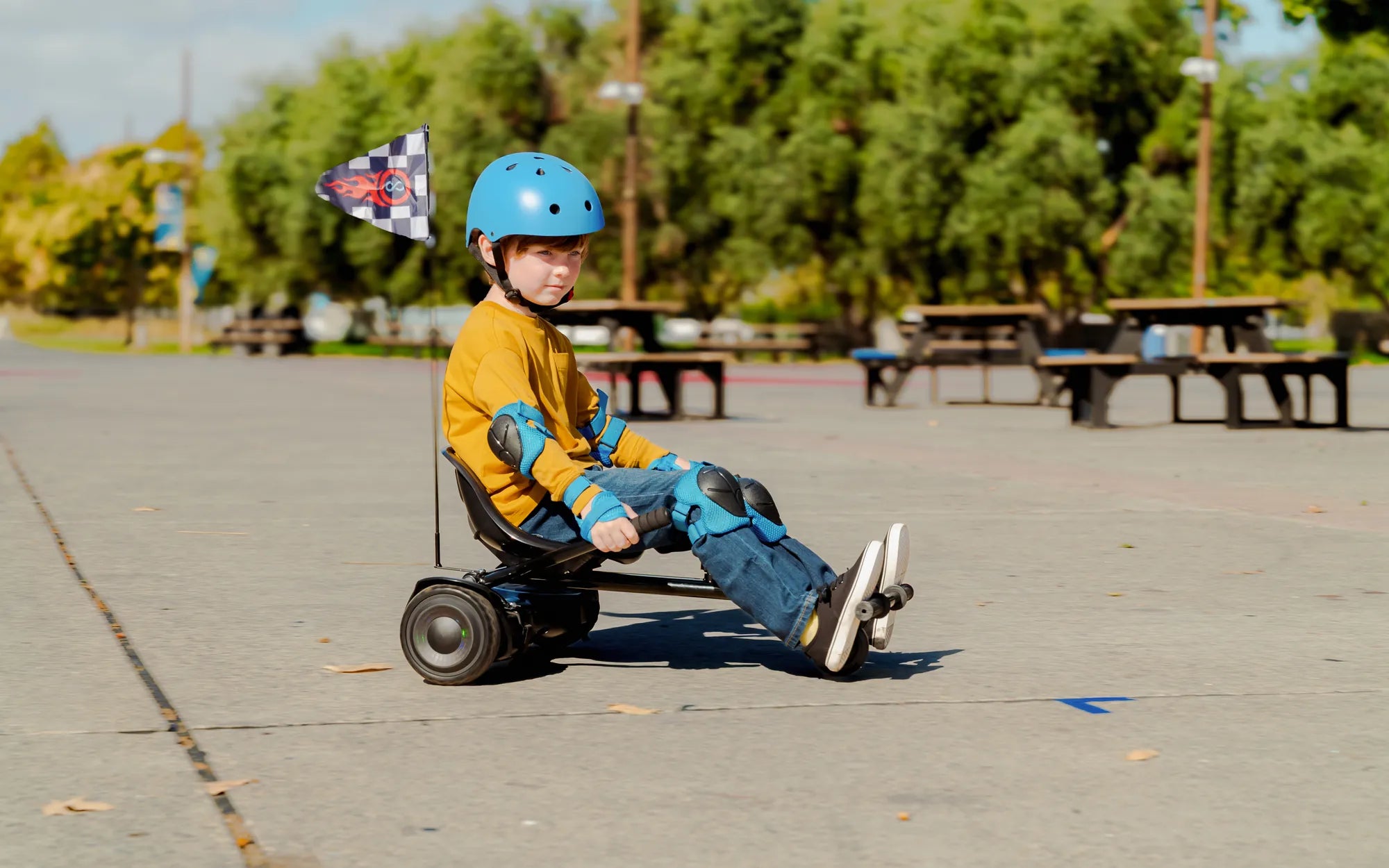
A scooter is incomplete without proper safety gear. This is not optional. Every ride requires:
• A properly fitted, CPSC-certified bicycle helmet.
• Knee pads and elbow pads to protect joints during falls.
• Sturdy, closed-toe shoes (no sandals or flip-flops).
• Wrist guards are also highly recommended, as wrist injuries are common in falls.
Setting Ground Rules and Supervision
1. Practice Area: Start in a safe, controlled environment like an empty parking lot or smooth driveway.
2. Traffic Rules: Absolutely no riding on roads with cars. Use sidewalks cautiously, yielding to pedestrians.
3. Supervision: Active adult supervision is mandatory for beginners and strongly advised for all young riders.
4. Conditions: No riding at dusk, in the dark, or in wet weather unless the scooter is specifically rated for it and extra caution is used.
Beyond the Scooter: Maintenance, Care, and Maximizing Your Investment
Proper care extends the scooter's life, maintains its safety, and protects your investment. Simple, regular habits prevent most major issues.
Battery Care and Charging Best Practices
• Use only the manufacturer-provided charger.
• Avoid leaving the scooter plugged in for more than 24 hours after a full charge is reached.
• Store the scooter (and battery) in a cool, dry place, away from direct sunlight and extreme temperatures.
• If storing for an extended period (over a month), leave the battery with a 50-70% charge, not fully drained or fully charged.
Routine Inspection and Simple Maintenance
Before each ride, perform a quick check:
1. Ensure all bolts (especially on the stem, handlebars, and folding mechanism) are tight.
2. Test the brakes for responsiveness.
3. Check tire pressure on pneumatic models or for cracks/wear on solid tires.
4. Wipe down the deck and frame to prevent dirt buildup. A well-maintained scooter is a safer scooter.
Fostering Responsible Riding Habits
Use the scooter as a tool to teach responsibility. Discuss respecting public spaces, being aware of surroundings, and anticipating obstacles. Emphasize that the privilege of riding is tied to following safety rules and caring for the equipment. This fosters maturity alongside the fun.
Frequently Asked Questions (FAQs)
What is the best age for a child to start using an electric scooter?
Most manufacturers recommend age 6 as a minimum. At this age, children typically have the necessary balance, coordination, and cognitive ability to understand basic controls and safety instructions. Always assess your individual child's maturity and physical capability.
Are electric scooters for kids waterproof?
Fully waterproof is rare. Instead, look for a water-resistance rating. An IPX5 rating, like on many Gyroor models, means the scooter can handle water jets from any direction, making it safe for puddles and light rain. It should not be submerged or ridden through deep standing water.
How long does the battery last, and how long does it take to charge?
A quality battery should retain good capacity for 300-500 full charge cycles. With typical use, this translates to 2-3 years. Charging time varies by battery size but generally ranges from 3 to 5 hours for a full charge from empty. Always follow the manufacturer's charging instructions.
What should I do if the scooter has a problem?
First, consult the user manual for troubleshooting. For issues covered under warranty, contact the manufacturer's customer support directly. Brands with strong support, like Gyroor's US-based service team, can provide parts or repair guidance. Never attempt to modify or repair the battery yourself.
Can the scooter be used on hills or rough terrain?
Capability depends on motor power and tire type. A 200W+ motor can handle moderate hills. For rough terrain like gravel or grass, pneumatic tires are essential for traction and comfort. However, electric scooters are primarily designed for paved surfaces. Off-road use increases wear and risk.
Choosing Confidence for Endless Fun
Selecting the best kids electric scooter is a decision that blends practicality with the promise of adventure. By prioritizing certified safety features like UL-certified batteries, responsive braking, and stable construction, you build a foundation of security. Matching motor power, range, and ergonomics to your child's needs ensures the scooter is a tool for growth, not frustration.
The commitment extends beyond the purchase to enforcing safety gear, establishing riding rules, and performing simple maintenance. This holistic approach transforms a fun vehicle into a responsible activity that teaches valuable lessons.
When you choose a scooter from a reputable brand that stands behind its products with rigorous testing and strong warranties, you buy more than a product—you buy peace of mind. You invest in countless afternoons of joyful, outdoor exploration, knowing that fun and safety were designed to go hand-in-hand from the very start.
Ready to explore scooters built with these safety and performance principles? Browse the full collection of UL-certified, family-tested kids electric scooters and e-bikes at Gyroor. Find the perfect match for your child's next adventure at gyroorboard.com.
Hoverboard Out of Control: Unpacking the Dangers and Essential Safety Protocols
10 in Hoverboard with Bluetooth: The Ultimate Guide to Smart Riding