

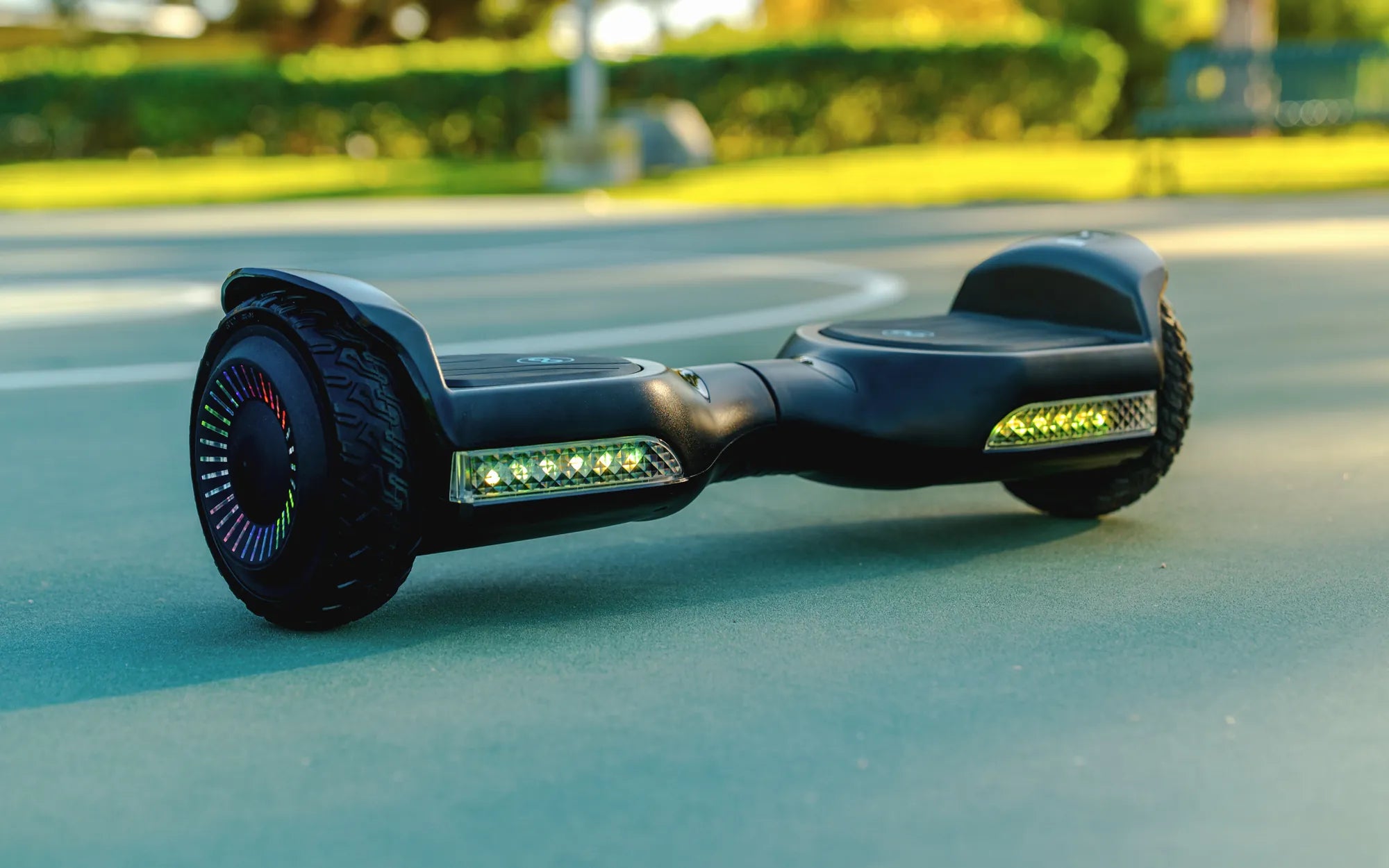
Introduction: Why a Stunt Scooter is the Ultimate Gift for Active Kids
Finding the right gear for an energetic child can be a challenge. The best kids stunt scooter is more than a toy; it's a tool for building physical confidence, coordination, and a love for outdoor activity. Unlike standard kick scooters, stunt models are engineered for performance, allowing kids to safely learn tricks, navigate skateparks, and express their creativity through motion.
This guide serves as your comprehensive resource. We will dissect the anatomy of a quality stunt scooter, outline non-negotiable safety features, and provide a clear checklist for choosing the perfect fit. As a leader in youth mobility, Gyroor applies its rigorous standards for electric scooters and e-bikes to the demanding world of stunt riding, ensuring durability and support parents can trust.
What Makes a Scooter a "Stunt Scooter"? Key Anatomy & Features
Stunt scooters, or pro scooters, are purpose-built machines. Their design prioritizes strength, stability, and spin capability over the comfort and portability of commuter models. Every component is reinforced to withstand the high-impact forces of jumps, grinds, and hard landings.
Understanding these parts is crucial for making an informed purchase. A true best kids stunt scooter will excel in all the following areas, ensuring it can grow with your child's skills.
The Heart of the Ride: Deck, Bars, and Wheels
The deck is the scooter's foundation. Look for a one-piece design made from high-grade aluminum, which offers an optimal balance of strength and lightweight performance. Steel decks are heavier but extremely durable for aggressive riders. The deck's width and length provide the platform for foot placement and control during tricks.
Handlebars must be strong. Steel is the standard, often featuring a crossbar (a brace between the two sides) for incredible rigidity during bar spins and landings. Height is adjustable on better models via a compression system, allowing the scooter to fit a growing child.
Wheels on a stunt scooter are smaller (typically 100-120mm in diameter) and made of solid, high-rebound urethane. This design prioritizes speed, pop for jumps, and the ability to slide or "grind" on rails and ledges. Softer, larger commuter scooter wheels would deform and wear quickly under such stress.
The Spin Doctors: Headset, Clamp, and Grips
Smooth, reliable steering is non-negotiable. A quality stunt scooter uses an Integrated Headset (IHC) or a proprietary system like an SCS (Stepless Compression System). These sealed bearing systems allow the handlebars to spin freely 360 degrees for tricks while maintaining precise steering control and requiring minimal maintenance.
The clamp is the component that secures the bars to the fork's steerer tube. It must be incredibly sturdy, often using a four-bolt design, to prevent any slippage or wobble during intense riding. A loose clamp is a major safety hazard.
Finally, durable, non-slip rubber grips are essential for control. They should be thick enough to absorb vibration and have end plugs or "bar ends" to protect the handlebar tubes and the rider in a fall. Worn-out, slippery grips are a common point of failure on inferior models.
Safety First: Non-Negotiables for Your Child's Stunt Scooter
Performance should never compromise safety. When searching for the best kids stunt scooter, certain construction and design elements are absolute requirements. These features directly prevent equipment failure, which is a leading cause of injury in action sports.
Built to Last: Materials and Construction
The scooter must be built from materials that can take a beating. High-grade, heat-treated aluminum alloys (like 6061-T6) provide excellent strength without excessive weight. Critical weld points, such as where the fork meets the headtube and where the deck joins the headtube, should be reinforced and cleanly finished.
Gyroor's engineering philosophy, developed across its range of 20+ personal transport models, emphasizes reinforced stress points and robust construction. This same approach, when applied to a stunt scooter, means a frame that can handle the repeated impact of hard landings from jumps and failed tricks without bending or cracking.
Stability and Control: Geometry and Components
The scooter's geometry—its headtube angle, wheelbase, and deck shape—dictates how it handles. A slightly steeper headtube angle offers quicker, more responsive steering for technical tricks, while a slacker angle provides more stability at speed. A balanced geometry is key for a young rider learning the basics.
Component reliability is equally vital. Wheels must spin on high-abec rated, sealed bearings to ensure smooth rolling and speed. All bolts, especially in the clamp and fork, should be high-tensile strength and regularly checked for tightness. A scooter that develops a shimmy or loose parts is unsafe to ride.
The Gyroor Advantage: Engineered for Young Daredevils
While Gyroor is renowned for its UL-certified electric scooters and e-bikes, the brand's core principles translate powerfully to the stunt scooter category. Choosing a model backed by this expertise means investing in a product built for real-world use by active kids.
Unmatched Durability for Hard Landings
Gyroor's products are tested for durability across North America and Europe by over 100,000 riders. This reputation is built on using quality materials and robust construction methods. A Gyroor-designed stunt scooter would inherently feature the reinforced welding, T6 aluminum construction, and component integrity needed to survive the learning curve of a young rider, from first bunny hops to more advanced park tricks.
Commitment to Safety and Support
Peace of mind is invaluable for parents. Gyroor's established commitment to safety—evident in its UL-certified battery packs and IPX5 water-resistant designs—indicates a brand-wide priority. Furthermore, their standard 1-year comprehensive warranty and accessible customer support provide a safety net far beyond what most generic stunt scooter brands offer. You're not just buying a product; you're gaining a support partner.
Choosing the Right Fit: A Parent's Sizing and Spec Checklist
A perfectly sized scooter is safer and more fun to ride. An ill-fitting scooter hinders control and can discourage a child. Use this data-driven guide to match a scooter to your child's age, height, and skill level.
Size Matters: Deck Length and Bar Height
Deck length influences stability and maneuverability. Bar height affects posture and control. The goal is for the bars to sit between the rider's waist and hip when standing on the deck.
| Rider Height | Recommended Deck Length | Recommended Bar Height | Skill Level |
|---|---|---|---|
| 3'6" - 4'2" (107-127 cm) | 16" - 18" (40-45 cm) | 18" - 20" (45-51 cm) | Beginner |
| 4'2" - 4'10" (127-147 cm) | 18" - 20" (45-51 cm) | 20" - 22" (51-56 cm) | Intermediate |
| 4'10"+ (147 cm+) | 20" - 22" (51-56 cm) | 22" - 24" (56-61 cm) | Advanced/Teen |
Adjustable handlebars are a wise investment for growing children, allowing you to extend the scooter's usable life by several years.
Weight vs. Strength: Finding the Balance
A lighter scooter is easier for a child to maneuver and pop into the air for jumps. However, ultra-lightweight components can sometimes sacrifice durability. The best kids stunt scooter finds a middle ground.
For young riders (ages 6-9), a total scooter weight between 6 and 8 pounds (2.7-3.6 kg) is ideal. For older kids and teens (10+), weights between 8 and 11 pounds (3.6-5 kg) are common and manageable, offering greater strength for more aggressive riding. Consider your child's physical strength—can they comfortably lift and carry the scooter?
Beyond the Purchase: Essential Gear and Getting Started
The scooter itself is only half of the equation. Proper protective gear and a smart practice routine are essential for a safe and positive introduction to the sport.
Mandatory Protective Equipment
Never allow riding without full safety gear. This is non-negotiable. A certified multi-impact skate helmet is the most critical item—look for CPSC or ASTM F1492 certification. Knee and elbow pads protect joints from scrapes and impacts, while wrist guards are crucial for preventing the most common scooter injury: broken wrists from falls.
Invest in quality gear that fits well and is comfortable enough that your child will want to wear it. Ill-fitting, cheap pads can slip or be removed when you're not looking.
First Tricks and Practice Tips
Start in a controlled environment. An empty tennis court, smooth driveway, or a skatepark during quiet hours is perfect. The surface should be smooth and free of gravel or debris.
Begin with the fundamentals: proper stance (one foot on the deck, one foot to kick), controlled kicking and gliding, and using the rear fender brake effectively. The first real "trick" to master is the bunny hop—a small, two-wheeled jump that teaches timing and board control. Adult supervision is key for encouragement and immediate safety feedback.
Stunt Scooter vs. Commuter Scooter: A Critical Comparison
It's important to understand that a stunt scooter is a specialized tool. The table below highlights the key differences between a stunt scooter and a typical commuter or kick scooter, explaining why you shouldn't use one for the other's purpose.
| Feature | Stunt/Pro Scooter | Standard Commuter Scooter |
|---|---|---|
| Primary Use | Tricks, skatepark riding, jumps | Transportation, casual neighborhood riding |
| Deck | Short, wide, reinforced aluminum/steel | Longer, narrower, may be folding |
| Wheels | Small (100-120mm), hard urethane for speed/grinds | Larger (180-250mm), air-filled or soft urethane for comfort |
| Handlebars | Steel with crossbar, often adjustable | Aluminum or steel, usually fixed height |
| Steering System | IHC/SCS for 360-degree bar spins | Standard headset, not designed for spins |
| Weight | Heavier (6-11 lbs) for durability | Lighter for portability |
| Brake | Simple rear fender brake | Often hand-operated or larger fender brake |
Frequently Asked Questions (FAQ)
Q: At what age is a stunt scooter appropriate?
A: Most children develop the necessary coordination and interest between ages 6 and 8. Start with a beginner-friendly, size-appropriate model with adjustable bars. Supervision and proper gear are essential at any age.
Q: Can a stunt scooter be used for everyday riding to school?
A: It's not recommended. The small, hard wheels make for a rough, uncomfortable ride on sidewalks and uneven pavement. Stunt scooters are optimized for smooth skatepark concrete. For commuting, a dedicated commuter scooter with larger, softer wheels is a better choice.
Q: How do I maintain my child's stunt scooter?
A: Perform a quick "bolt check" before each ride, ensuring the clamp, headset, and wheel axles are tight. Regularly inspect wheels for wear and spin them to listen for gritty bearings. Clean dirt from the deck and headset. Gyroor's warranty and support can guide specific part replacements if needed.
Q: Are more expensive stunt scooters always better?
A: Not necessarily "better," but they typically use higher-quality materials (aircraft aluminum, chromoly steel), more precise components (sealed bearings), and offer better durability and performance. For a serious young rider, investing in a mid-range pro model from a reputable brand offers better value than repeatedly replacing a cheap, broken scooter.
Q: My child is left-footed. Does that matter for scootering?
A> Yes, it determines their "stance." A rider who pushes with their right foot and keeps their left foot on the deck is "regular" stance. Pushing with the left foot is "goofy" stance. There is no right or wrong; it's personal preference. Let your child try both to see what feels natural. The scooter itself is not footed.
Launching a Lifetime of Confident Riding
Choosing the best kids stunt scooter is an investment in your child's active development. By prioritizing safety features, proper fit, and durable construction from a trusted brand like Gyroor, you provide a reliable platform for fun and growth. The skills learned—balance, perseverance, and spatial awareness—extend far beyond the skatepark. Equip your young rider with the right tools and protective gear, and you'll unlock a world of confidence and outdoor excitement. Ready to explore gear built to last? Browse the full Gyroor collection at gyroorboard.com to see our commitment to quality and safety in action.
Christmas Gift Ideas for 4 Year Old Boys: Fun and Educational Picks
Electric Scooter for Kids: The Ultimate Guide to Fun and Safety