

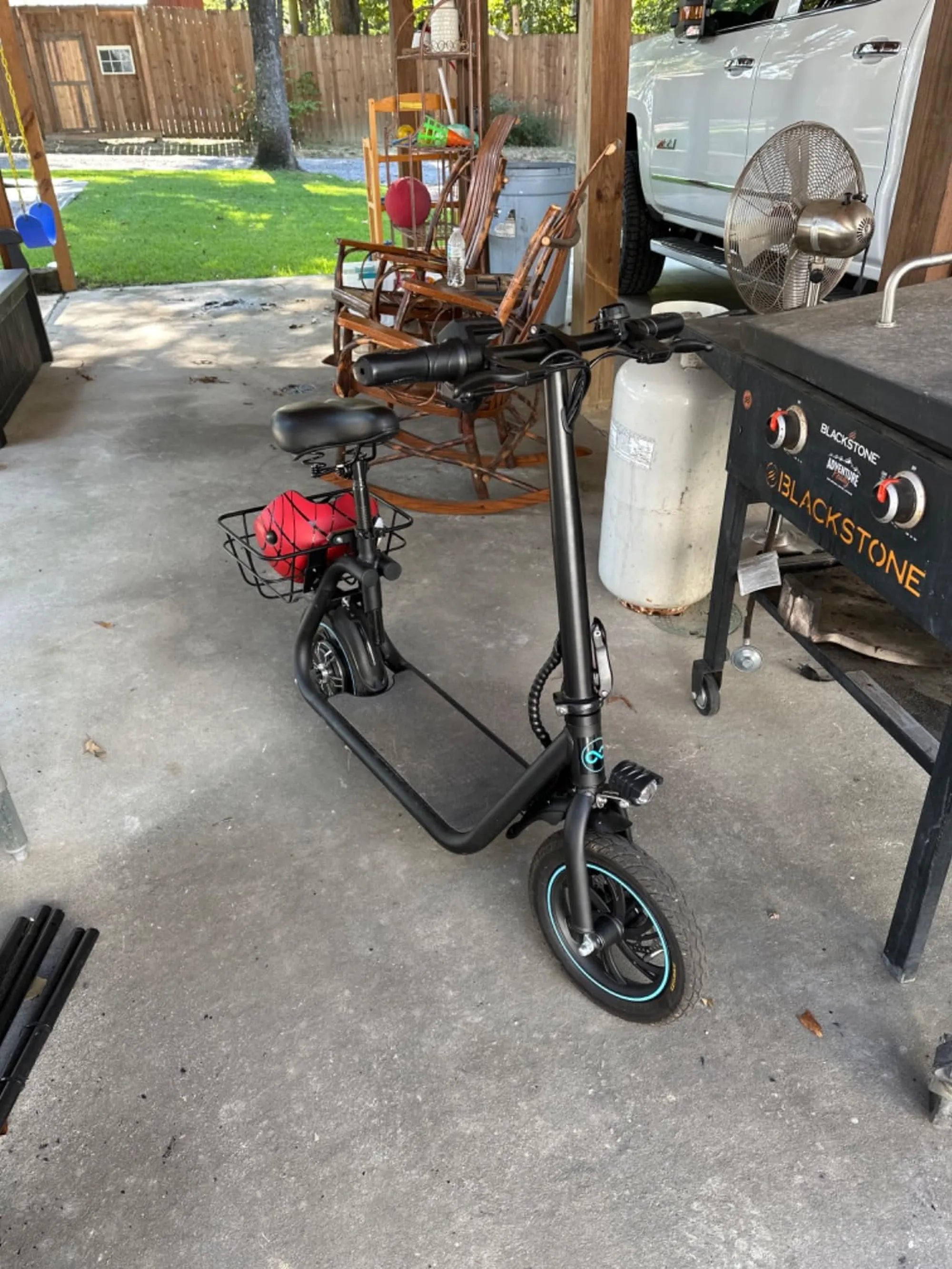
Conquering Inclines with Confidence
Steep hills present a unique and often daunting challenge for mobility scooter users. A standard model may struggle, overheat, or even fail on a significant gradient, turning a simple journey into a stressful ordeal. This article provides a definitive guide to selecting the best mobility scooter for steep hills. You will learn the non-negotiable engineering features, compare model types, and gain practical advice for safe hill riding. Our analysis is grounded in performance data and safety standards, drawing from expertise in the personal electric vehicle sector.
The Anatomy of a Hill-Climbing Champion: Key Features Explained
Not all mobility scooters are created equal when facing an incline. The difference between a safe, powerful ascent and a precarious stall lies in specific engineering choices. Understanding these features is the first step to finding the best mobility scooter for steep hills. This section decodes the critical specifications that contribute to reliable hill-climbing performance, moving beyond marketing claims to tangible mechanics.
Motor Power and Torque: The Heart of the Climb
Motor wattage is often highlighted, but torque is the true hero for hills. Power (watts) indicates the motor's overall capability, while torque measures its rotational force—the ability to start moving and maintain speed uphill. For steep gradients, you need a high-torque motor. A 500W continuous power motor with high torque output will outperform a 1000W motor with low torque on a hill. Look for specifications mentioning "high torque" or "hill climb" capability. Many quality scooters feature a peak power rating (e.g., 1000W+) that provides the extra burst needed for the initial climb without overheating during sustained use.
Direct-drive hub motors often provide smooth power, but geared motors can offer superior torque at lower speeds, which is ideal for steep ascents. The best mobility scooter for steep hills will balance sufficient continuous wattage (typically 400W minimum, 500W+ recommended) with a torque-optimized design. This ensures the scooter can handle the constant strain without reducing its lifespan or becoming a safety hazard.
Battery Capacity and Voltage: Sustaining the Power
The battery is the power plant for your climb. Two metrics are crucial: voltage and amp-hour (Ah) capacity. Voltage (V) acts like water pressure in a pipe; higher voltage (48V or above is ideal for hills) allows the motor to draw power more efficiently, maintaining speed and torque on an incline. A 36V system may struggle under heavy load. Amp-hours (Ah) represent the battery's fuel tank size, determining range.
Hill climbing consumes energy rapidly. A scooter with a 15Ah battery that gets 15 miles on flat ground may only achieve 7-9 miles on a hilly route. Therefore, for hilly terrain, prioritize both high voltage and high Ah capacity. A robust Battery Management System (BMS) is also essential to prevent over-discharge and overheating during the high-current draw of a climb. This is a core component of safety and longevity.
Stability and Safety: Design for Steep Terrain
Power is useless without control. Stability on an incline is dictated by a low center of gravity, a wide wheelbase (distance between front and rear axles), and appropriate wheel size. Four-wheel models generally offer the most inherent stability. Larger wheels (10 inches or more) roll over obstacles better and provide more contact with the road surface. The frame geometry should prevent tipping backward during a steep ascent or forward during descent.
Braking systems are paramount. Dual hydraulic or disc brakes are the gold standard for reliable, fade-resistant stopping power on downhill slopes. An automatic anti-rollback feature is critical; it prevents the scooter from rolling backward when stopped on a hill, providing essential security when starting again. These design elements separate a capable hill climber from a flat-land cruiser.
Top Contenders: Mobility Scooters Built for Gradients
The market offers several categories of scooters engineered for challenging terrain. The "best" choice depends on your specific needs: maximum stability for outdoor use versus maneuverability for mixed environments. This section provides a comparative overview of models known for hill-climbing prowess, focusing on their key specifications and ideal use cases.
Heavy-Duty 4-Wheel Scooters: Maximum Stability
These are the workhorses for outdoor and variable terrain. Designed with a longer, wider frame, they offer a superior weight capacity (often 350-500 lbs) which contributes to a lower center of gravity. Many feature dual motor configurations (e.g., 500W x2) that provide immense torque and power for conquering steep, sustained hills. They are often equipped with all-terrain, pneumatic (air-filled) tires for better traction on grass, gravel, and inclines.
The trade-off is size and turning radius. These models are less suitable for tight indoor spaces but excel as the best mobility scooter for steep hills in an outdoor or suburban setting. Their robust construction and large battery capacities (20Ah+) are built for the demands of hill climbing and longer ranges on challenging routes.
Agile 3-Wheel Scooters: Balance and Maneuverability
Three-wheel models offer a tighter turning radius and are often lighter and more nimble, suitable for indoor/outdoor use. When engineered for hills, they incorporate a powerful motor (500W+), a stable triangular wheel configuration, and a reinforced frame to prevent leaning. The key is to find a 3-wheel model that doesn't sacrifice power and torque for compactness.
These can be an excellent choice for users who navigate moderate to steep hills but also need to maneuver through doorways, shops, or public transport. Look for models with a wider rear axle for stability and anti-tip wheels. While they may not match the raw hill-climbing power of the heaviest 4-wheelers, a well-designed 3-wheel scooter can confidently handle many inclines while offering greater everyday versatility.
Beyond the Spec Sheet: Practical Considerations for Hill Riding
Selecting the best mobility scooter for steep hills involves more than comparing numbers on a brochure. Real-world performance depends on how the scooter is matched to your environment and maintained. Here are actionable steps to ensure your choice delivers safe, reliable performance on inclines.
Calculating Your Needs: Slope, Weight, and Range
First, assess your typical routes. Use a smartphone app to measure the gradient of the steepest hills you regularly encounter. Manufacturers rate incline capability as a percentage (e.g., 12%). A 10% grade rises 1 foot for every 10 feet of horizontal distance. Always choose a scooter rated for an incline greater than your steepest common hill.
Second, calculate the total weight: your weight plus any regular cargo (bags, oxygen tanks). The scooter's weight capacity must accommodate this with room to spare. A scooter operating at its maximum weight limit will have reduced hill-climbing performance and range. For range, take the manufacturer's flat-terrain estimate and reduce it by 30-50% for hilly terrain to determine a realistic daily range.
Safety and Maintenance on Inclines
Hill riding demands heightened safety practices. Always ascend and descend hills at a controlled, reduced speed. Keep your body centered and lean slightly forward when ascending, and backward when descending, to maintain balance. Use mirrors and be extra vigilant for traffic. Never attempt a hill steeper than the scooter's rated capacity.
Maintenance becomes more critical. Brake pads wear faster with frequent downhill braking; inspect them monthly. Tire pressure must be kept at the recommended level for optimal traction. The battery undergoes more stress; follow proper charging cycles and avoid completely draining it. Regular checks of all connections and the frame for stress will ensure long-term reliability. This proactive care is essential for the best mobility scooter for steep hills to perform safely over time.
Comparison of Hill-Climbing Scooter Features
The table below summarizes the key differences between scooter types suited for hills, based on generalized specifications for high-performance models in each category.
| Feature | Heavy-Duty 4-Wheel | Agile 3-Wheel | Performance Cruiser (Reference) |
|---|---|---|---|
| Ideal Use Case | Outdoor, rough terrain, sustained steep hills | Mixed indoor/outdoor, moderate hills, need for maneuverability | Paved paths, moderate inclines, portability |
| Typical Motor Power | 500W - 1000W+ (single or dual) | 400W - 750W | 250W - 500W |
| Key Strength | Maximum stability, torque, & weight capacity | Excellent balance & turning radius | Lightweight, often foldable |
| Hill Grade Capability | 15% - 25%+ | 10% - 20% | 6% - 12% |
| Battery (Typical) | 48V 20Ah+ (Long Range) | 48V 15-20Ah | 36V/48V 10-15Ah |
| Primary Braking | Dual Disc/Hydraulic | Disc + Regenerative | Electronic + Drum |
Why Trust Gyroor's Perspective on Performance and Safety?
Our analysis stems from core engineering principles that define reliable electric mobility. Gyroor, as a leading electric scooter and e-bike brand trusted by over 100,000 riders across North America and Europe, builds products where performance and safety are inseparable. The criteria for the best mobility scooter for steep hills—robust power systems, durable batteries, and stable design—are the same pillars of our product development.
Every Gyroor model uses UL-certified battery packs, tested for 500+ charge cycles. This certification is not just about longevity; it's a guarantee of safe, consistent power delivery under the high-load conditions of hill climbing, protecting against overheating or failure. Our IPX5 water-resistant designs ensure that a sudden rain shower on a slope doesn't compromise your journey or safety. Coupled with a reliable 1-year warranty and accessible support, these features provide the confidence needed when your mobility device is essential for navigating challenging terrain. Trust is built on transparent specifications and proven safety standards.
Frequently Asked Questions (FAQs)
What is the minimum motor power I need for hills?
For moderate slopes (up to 10%), a 400W continuous power motor with good torque can be sufficient. However, for what is widely considered the best mobility scooter for steep hills (grades of 15% or more), a minimum of 500W continuous power with a high-torque design is strongly recommended. Always check the manufacturer's stated incline rating rather than relying on wattage alone.
Can I use a mobility scooter rated for a 10% incline on a 15% hill?
It is not advisable. Exceeding the manufacturer's rated incline risks motor burnout, rapid battery drain, and potential loss of control or braking failure. The motor and electrical system are not designed for that level of sustained load. For consistent safety and performance, always choose a scooter whose rated incline capability exceeds the steepest hill on your regular route.
How does hill climbing affect my scooter's range?
Hill climbing significantly reduces range. You can expect a 30% to 50% decrease compared to flat terrain. A scooter that achieves 20 miles on flat ground may only get 10-14 miles on a hilly route. Therefore, when selecting the best mobility scooter for steep hills, choose one with a battery capacity (Ah) that provides a comfortable range buffer for your daily needs on inclines.
Are 4-wheel scooters always better for hills than 3-wheel scooters?
Not always, but generally, yes, for maximum stability. Four-wheel scooters have a wider wheelbase and are less prone to tipping sideways on uneven or steep terrain. However, a well-designed, powerful 3-wheel scooter with a stable frame can be excellent for hills if the user also values a tighter turning radius. The key is the specific model's power, torque, and design, not just the number of wheels.
What is the most important safety feature for hill riding?
While powerful brakes are critical, the automatic anti-rollback feature is arguably the most important specific safety feature for hills. It prevents the scooter from rolling backward when you come to a stop on an incline, which is a common cause of anxiety and accidents. This, combined with reliable disc or hydraulic brakes for controlled descent, forms the essential safety package for hill climbing.
Your Path to Unstoppable Freedom
Conquering hills with a mobility scooter transforms your accessible world, turning barriers into pathways. The journey to finding the best mobility scooter for steep hills is a deliberate one, prioritizing high-torque motors, high-voltage batteries, and stable, safety-focused design over mere aesthetics. By understanding the engineering and matching it to your personal terrain and needs, you invest in true independence and confidence.
Remember, the right scooter is a tool for liberation. It should empower you to navigate your community without second-guessing the next incline. We encourage you to prioritize verified performance specs and trusted safety certifications from reputable brands. For those exploring a wide range of reliable, performance-oriented electric mobility solutions engineered with these principles, browse the full Gyroor collection at gyroorboard.com. Discover how the right technology can elevate every journey.
125cc Scooter Top Speed: Real-World Performance & Electric Alternatives
Easy Rider Mobility Scooter: Your Guide to Freedom, Safety, and Independence