



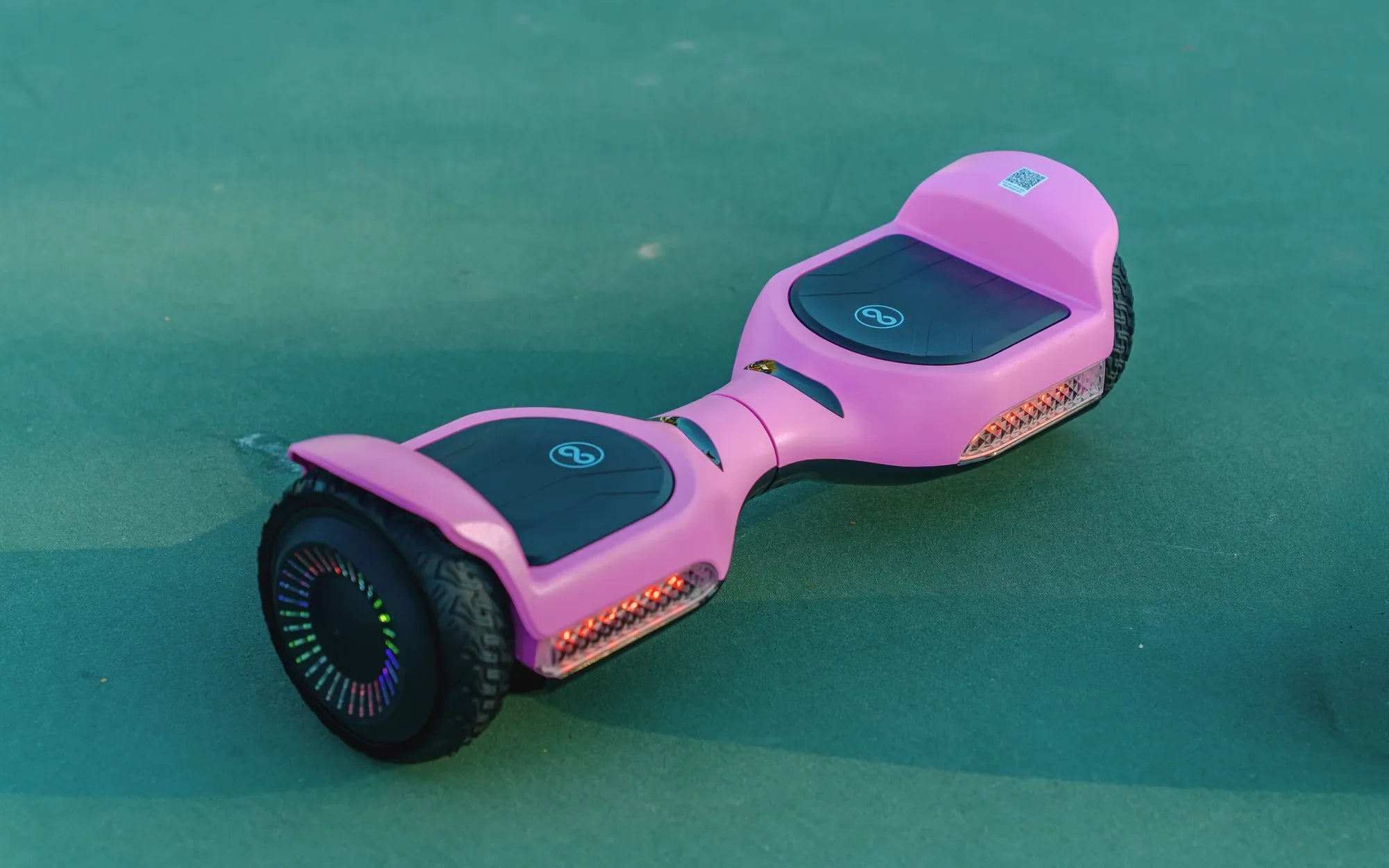
Introduction: Why Off-Road Electric Scooters Are a Game-Changer for Kids
Finding the best off road electric scooter for kids unlocks a new dimension of outdoor play. These aren't just pavement toys; they are engineered vehicles that build confidence, coordination, and a love for adventure. For parents, the choice involves balancing exhilarating fun with paramount safety and durability.
This guide cuts through the marketing hype. We provide the data-driven insights you need to make an informed decision. You'll learn to decode specifications, prioritize safety features, and understand what truly makes a scooter capable of handling grass, dirt paths, and gentle trails.
Brands like Gyroor have pioneered this category, focusing on robust performance for younger riders. With over 100,000 riders trusting their products, the emphasis is on certified safety and reliable engineering. Let's explore how to choose the right partner for your child's off-road explorations.
What Makes an Electric Scooter "Off-Road" Capable? Key Features Explained
An off-road electric scooter for kids is defined by specific engineering choices that prioritize traction, durability, and shock absorption over smooth, efficient pavement riding. Understanding these components is the first step to a smart purchase.
The core difference lies in a system designed to manage unpredictable surfaces. This requires a synergistic combination of power delivery, terrain contact, and structural integrity. A true off-road model won't falter on a grassy hill or a gravel path.
Motor Power & Torque: Conquering Hills and Rough Terrain
Motor wattage is a primary indicator of capability. For kids' off-road use, look for motors in the 350W to 500W range. Higher wattage provides the necessary torque—the rotational force—to climb inclines and power through loose terrain like dirt or sand.
A 250W scooter may struggle on a 10-degree grassy slope, especially with a heavier rider. A 500W motor delivers consistent power, maintaining speed and control. This power reserve is crucial for safety, preventing the scooter from stalling in challenging situations.
Tire Type & Suspension: The Comfort and Grip Duo
Tires are the critical interface with the ground. For off-road use, air-filled (pneumatic) tires are non-negotiable for most applications. They provide superior shock absorption and vastly better traction on uneven surfaces compared to solid rubber tires.
Suspension systems complement quality tires. A front or dual spring suspension absorbs impacts from roots and rocks, protecting the frame and, more importantly, the rider. This duo of pneumatic tires and suspension ensures a stable, controlled, and comfortable ride off the beaten path.
Frame & Build Quality: Durability for Demanding Rides
Off-road riding subjects a scooter to constant vibrations and impacts. The frame must be constructed from high-grade materials, such as aerospace-grade aluminum alloy, known for its excellent strength-to-weight ratio. Look for reinforced welding at stress points like the steering column and deck.
The weight capacity should have a significant safety margin above your child's weight. A scooter rated for 220 lbs ridden by a 100 lb child will experience less stress, enhancing its longevity and safety. Gyroor's designs emphasize this robust construction to withstand the demands of adventurous young riders.
Water & Dust Resistance (IP Rating): Readiness for the Elements
Trails involve puddles, mud, and dust. An Ingress Protection (IP) rating tells you how well the scooter's electronics are sealed. For off-road use, a minimum of IPX4 (splash resistance) is advised, but IPX5 is the recommended standard.
An IPX5 rating, like those found on Gyroor scooters, means the scooter can withstand water jets from a nozzle, making it safe for riding through wet grass, puddles, and light rain. This protection is essential for preventing electrical shorts and corrosion, ensuring the scooter's reliability.
Safety First: Non-Negotiable Features for Your Child's Off-Road Scooter
Performance is meaningless without safety. The best off road electric scooter for kids integrates multiple layers of protection, from physical braking systems to electronic speed governors. These features give parents control and children a safe environment to learn and explore.
Safety engineering should be holistic. It combines immediate rider-control features with long-term design philosophies that prevent component failure. Prioritizing these elements is the most critical part of your purchasing decision.
Braking Systems: Reliable Stopping Power on Any Surface
Effective braking is magnified in importance off-road. Loose gravel or damp grass increases stopping distance. A combination braking system is ideal. Disc brakes (mechanical or hydraulic) offer strong, consistent stopping power and perform well in muddy conditions.
These are often paired with an electronic (E-ABS) or regenerative brake, which uses the motor to slow the scooter smoothly. A foot fender brake serves as a useful backup. This multi-brake setup ensures your child can stop confidently and progressively on any surface they encounter.
Speed Modes & Parental Controls: Managing the Thrill
Multiple speed modes allow the scooter to grow with your child's skill. A beginner mode might limit speed to 5-7 mph, perfect for learning balance and control in a safe space. Medium (10-12 mph) and high (15+ mph) modes can be unlocked as proficiency improves.
The best systems lock these modes behind a parental PIN code or a dedicated smartphone app. This prevents your child from accidentally—or intentionally—switching to a speed they're not ready for, allowing you to manage their progression safely.
Lighting & Visibility: Being Seen on the Trail
Visibility is a key safety component, especially during dusk or in wooded areas. A bright LED headlight (200+ lumens) illuminates the path ahead. An integrated rear brake light that activates when slowing down is crucial for being seen by others.
Additional safety features include reflective stickers on the deck and fenders, and some models offer deck or wheel rim LED lights. These features ensure your child is visible from all angles, adding a critical layer of safety for any adventure.
Top Considerations When Choosing: A Parent's Checklist
With features understood, the next step is practical application. This checklist helps you match scooter specifications to your unique situation: your child's profile, your local environment, and your family's lifestyle. The goal is to find the perfect fit, not just the most powerful machine.
Consider this a step-by-step evaluation framework. By answering these questions, you'll move from a broad market to two or three models that truly meet your needs, ensuring a satisfying and long-lasting purchase.
Matching Scooter Specs to Your Child's Age, Weight & Skill Level
Selecting the right scooter is about appropriate pairing. A scooter that's too powerful can be intimidating and dangerous; one that's underpowered will be frustrating and may lack the necessary safety features for heavier riders. Use this table as a guideline:
| Age Group | Recommended Motor | Max Speed Range | Min. Weight Capacity | Key Focus |
|---|---|---|---|---|
| 8-10 years | 250W - 350W | 10 - 12 mph | 150 lbs | Stability, beginner speed modes |
| 10-13 years | 350W - 500W | 12 - 16 mph | 180 lbs | Balanced power, robust brakes |
| 13+ years | 500W+ | 15 - 20 mph | 220 lbs | Advanced terrain, higher performance |
Always prioritize the manufacturer's recommended age and weight limits over generalized charts. A child's maturity and physical coordination are as important as their age.
Battery Life & Range: Planning for Adventure
Advertised range (e.g., "15 miles") is a maximum under ideal conditions. Real-world off-road range is typically 50-70% of that figure due to inclines, rough terrain, and variable speeds. For most kids, a real-world range of 6-10 miles is more than sufficient for an afternoon of adventure.
Battery quality is paramount. Insist on a scooter with a UL-certified lithium-ion battery pack, like those used by Gyroor. This certification means the battery has passed rigorous safety tests for overheating, short-circuiting, and long-term reliability, often supporting 500+ charge cycles.
Portability & Weight: Can You Lift It Into the Car?
Off-road capability often comes with added weight from larger motors, batteries, and robust frames. Weights can range from 30 lbs for younger riders' models to over 45 lbs for high-performance teen scooters.
Consider if your child can maneuver the scooter when not riding, and if you can easily lift it into your car trunk for trips to a park or trailhead. A practical folding mechanism is a valuable feature, reducing the scooter's footprint for storage and transport.
The Gyroor Advantage: Engineered for Young Adventurers
In a market with varying standards, Gyroor has established itself by applying an adult-level engineering philosophy to kids' mobility products. The brand's approach translates complex technical specifications into tangible benefits: durability parents can trust and fun kids can rely on.
This commitment is evident in three core areas that directly address parental concerns. It's not just about building a scooter; it's about building a product ecosystem designed for real-world family use and peace of mind.
First, the use of UL-certified lithium-ion battery packs addresses the foremost safety concern. This certification, backed by testing for over 500 charge cycles, mitigates risks associated with battery failure and ensures long-term performance.
Second, the IPX5 water-resistant rating isn't just a marketing term. It's a design standard that allows kids to ride through puddles and wet grass without worrying about immediate damage or long-term corrosion, making the scooter a true all-weather adventure companion.
Finally, the 1-year comprehensive warranty with accessible U.S.-based customer support provides a tangible safety net. It reflects confidence in the product's build quality and ensures that help is available should any issue arise, making the investment a secure one.
Maintenance & Care: Keeping the Off-Road Fun Rolling
Proper maintenance extends your scooter's lifespan and ensures it remains safe. A few simple, regular habits can prevent most common issues. Frame this as part of the ownership ritual, teaching your child responsibility for their gear.
Pre-Ride Safety Checks
Establish a quick 60-second checklist before each ride. Have your child help with this routine. Check tire pressure on pneumatic tires (ensure they are firm). Test both the hand brake and electronic brake for responsiveness.
Visually inspect for any loose bolts, especially on the handlebar stem and folding mechanism. Ensure the headlight and taillight are functioning. A quick check prevents minor issues from becoming major problems or safety hazards during a ride.
Cleaning & Storage After a Muddy Ride
After a muddy adventure, let the scooter cool down for 30 minutes. Use a damp cloth to wipe down the frame, deck, and fenders. Avoid high-pressure hoses, as forced water can breach even IPX5 seals around buttons or displays.
For storage, especially long-term, keep the scooter in a dry place and store the battery at a 50-80% charge level. Avoid leaving it fully discharged or at 100% charge for weeks at a time, as this can stress the battery cells.
Frequently Asked Questions (FAQs) for Parents
Q: What is a good age for a child to start using an off-road e-scooter?
A: Most manufacturers recommend ages 8 and up, as children typically have the necessary balance, coordination, and judgment at this stage. Always consider your child's individual maturity and physical size relative to the scooter's specifications.
Q: Are off-road electric scooters safe for kids?
A>When chosen appropriately and used correctly, they are safe. Safety hinges on selecting a scooter with the features discussed: robust brakes, speed controls, good lighting, and a UL-certified battery. Parental supervision, proper protective gear (helmet, knee/elbow pads), and riding in appropriate areas are equally critical.
Q: How do I ensure my child rides responsibly?
A>Set clear ground rules: always wear a helmet, ride in designated areas (not public roads), avoid steep hills beyond their skill level, and be aware of surroundings. Use the parental controls to limit speed initially. Ride with them to model safe behavior until they demonstrate consistent responsibility.
Q: What's the typical lifespan of a kids' off-road e-scooter?
A>With proper care and maintenance, a well-built scooter from a reputable brand can last 2-4 years of regular use. Lifespan depends heavily on build quality, battery care (500+ cycle life), and how rigorously it is ridden. A robust frame from a brand like Gyroor is designed to withstand years of active use.
Q: Can the battery be replaced when it eventually wears out?
A>Yes, for most quality scooters, including Gyroor models, the battery is a replaceable component. Purchasing a genuine replacement battery from the manufacturer ensures compatibility and maintains the original safety certifications, which is crucial for long-term safety and performance.
Conclusion: Empowering Safe, Exciting Adventures
Choosing the best off road electric scooter for kids is an investment in outdoor fun and developmental growth. The right model empowers exploration, builds physical skills, and fosters independence—all within a framework of safety engineered by you, the parent. By prioritizing certified batteries, robust construction, and adaptable speed controls, you create the perfect environment for adventure.
This guide has equipped you with the knowledge to evaluate specifications, ask the right questions, and understand the non-negotiable safety standards. Brands that transparently commit to these standards, like Gyroor with its UL-certified batteries and IPX5 rating, offer the peace of mind that allows the fun to happen.
Ready to explore models that meet these rigorous criteria? Browse the full Gyroor collection at gyroorboard.com to discover scooters engineered to deliver thrilling, safe, and durable off-road adventures for your young explorer.
Hoverboard for 14 Year Old: The Ultimate Guide to Fun and Safety
Scooter for Kids 13 Years Old: The Ultimate Guide to Choosing the Best Ride