



Introduction: Why the "Where" Matters as Much as the "What"
Choosing the right self-balancing scooter involves more than just picking a model with good specs. The retailer you select determines your access to legitimate warranties, authentic safety certifications, and reliable long-term support. A poorly sourced unit can pose safety risks and leave you without recourse if issues arise.
This guide will help you navigate the marketplace to find the best place to buy a self balancing scooter. We'll dissect every major purchasing channel, from official brand websites to big-box stores. Our goal is to equip you with the knowledge to make an informed, secure purchase that prioritizes safety and satisfaction.
Brands like Gyroor, a leading electric scooter and e-bike brand trusted by over 100,000 riders, exemplify why source matters. Their focus on UL-certified batteries and a solid 1-year warranty is only fully accessible through authorized sales channels. Where you buy is a critical component of your riding experience.
Understanding Self-Balancing Scooter Types and Key Features
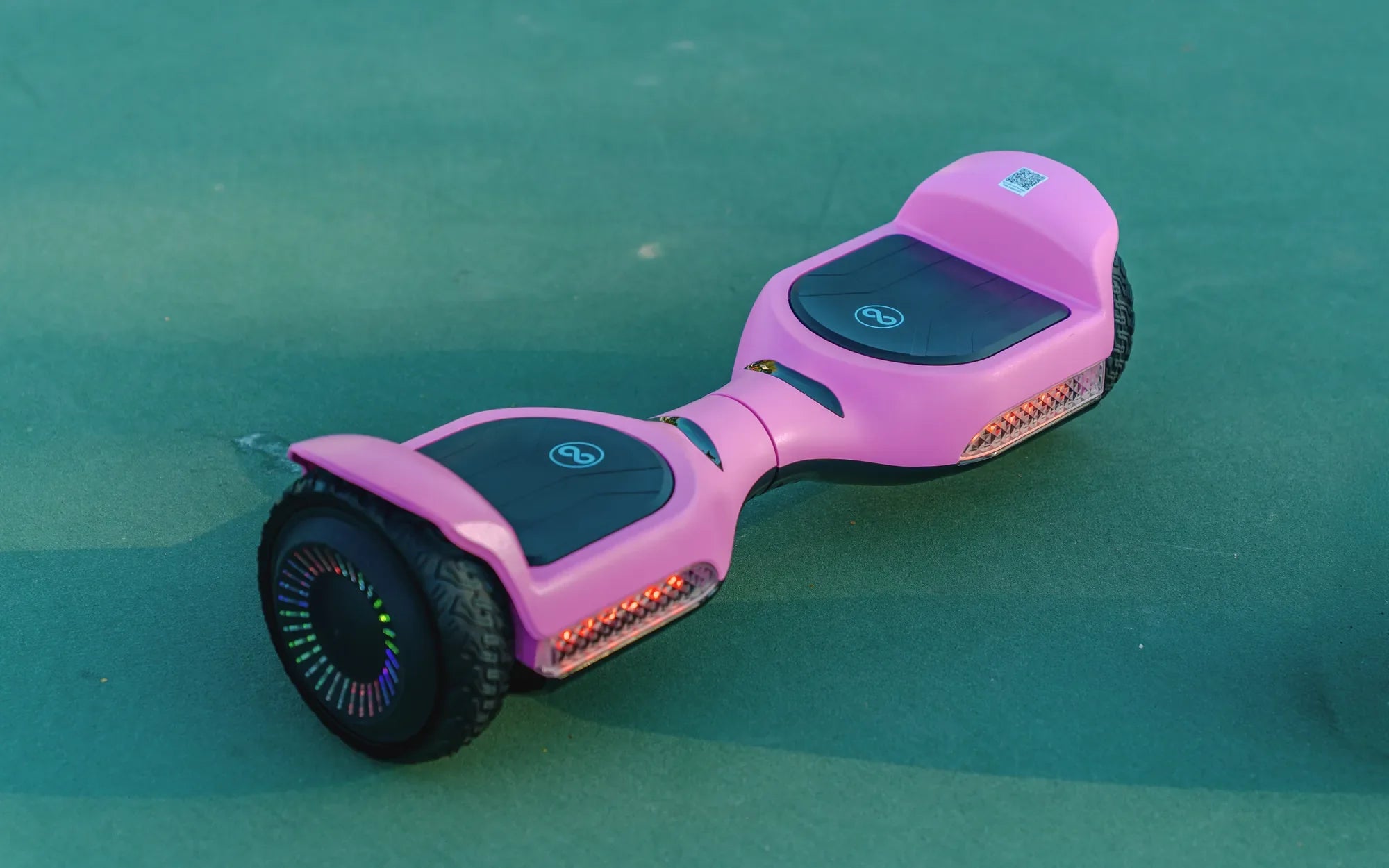
Before evaluating retailers, you must know what you're buying. The term "self-balancing scooter" broadly covers hoverboards (two-wheeled, foot-operated), electric unicycles (single-wheel with foot pedals), and self-balancing scooters with handlebars (like Segway-style devices). Each type serves different use cases, from casual recreation to last-mile commuting.
Key features are non-negotiable for safety and performance. The UL 2272 certification is paramount; it rigorously tests the electrical system and battery for fire safety. Battery quality is equally critical—look for reputable cells and a stated cycle life. For instance, Gyroor uses UL-certified battery packs tested for 500+ charge cycles.
Motor power (measured in watts) determines hill-climbing ability and acceleration. Wheel size and tire type (air-filled vs. solid) impact comfort and terrain handling. An IP water-resistance rating (like IPX5) indicates protection against water jets, a crucial feature for real-world use. These features form your checklist when comparing products across different sellers.
Top Channels to Buy Your Self-Balancing Scooter: Pros and Cons
Each purchasing avenue offers distinct advantages and potential drawbacks. Your priority—be it price, convenience, assurance, or expertise—will guide you to the best place to buy a self balancing scooter for your specific needs.
Official Brand Websites (Like Gyroor.com)
Purchasing directly from the manufacturer's official site is often the most secure option. You gain direct access to the full, latest model lineup, including color variants and accessory bundles that other retailers may not stock. The manufacturer's warranty is guaranteed and straightforward, with support handled by the company that built the product.
Customer service is typically more knowledgeable, as you're dealing with brand specialists. For brands like Gyroor, this means support familiar with their 20+ models and specific features. The primary trade-off can be price; official sites may have fewer flash sales compared to large marketplaces, though they often run direct promotions.
Major Online Retailers (Amazon, Walmart.com)
These platforms offer immense convenience, vast selection, and fast, often free, shipping (e.g., Amazon Prime). The buyer review systems are invaluable for gathering unbiased user experiences. They can be an excellent best place to buy a self balancing scooter if you prioritize speed and a wide array of choices.
The critical caveat is seller verification. These sites host third-party sellers alongside official stores. You must confirm you are buying from the "Official Brand Store" or an authorized retailer to ensure warranty validity. Always check who handles returns and support—the marketplace or the brand itself.
Specialty E-Mobility & Outdoor Retailers
These niche retailers specialize in electric personal transportation. Their advantage is expert pre-sales advice; staff can help match a scooter's capabilities to your intended use. They often curate selections toward higher-performance or more durable models and may offer valuable bundling deals with helmets or pads.
After-sales service can be superior, with staff capable of basic diagnostics or directing you to proper repair networks. The selection may be narrower than on massive marketplaces, and prices might be at or near MSRP, reflecting the added value of expertise.
Big-Box and Sporting Goods Stores
Buying from physical stores like Target, Best Buy, or Dick's Sporting Goods offers the tangible advantage of seeing the product before purchase. You can assess build quality, size, and weight firsthand. The transaction provides instant gratification—you take the unit home that day.
Availability is a double-edged sword; while convenient, inventory is limited to what's on the shelf, often just a few popular models. Pricing may not be as competitive as online, and in-store staff may lack deep product knowledge about self-balancing technology and safety standards.
Critical Factors to Evaluate Before You Click "Buy"
Regardless of the channel, this checklist will protect your investment and ensure a positive ownership experience.
Seller Authenticity and Warranty Clarity
Always verify the seller is authorized by the brand. Unauthorized sellers may sell older stock, refurbished units passed as new, or models with non-compliant batteries. Check the brand's website for an "authorized dealer" list. A clear warranty is essential—it should explicitly cover the battery, motor, and frame for a defined period, like Gyroor's comprehensive 1-year warranty.
The warranty terms should detail the claim process, turnaround time, and who bears shipping costs. A vague or overly short warranty (e.g., 30 days) is a major red flag, often indicating low confidence in the product's durability.
Return Policy, Shipping, and Assembly
Scrutinize the return policy. Look for a reasonable window (at least 14-30 days), clear condition requirements, and note any restocking fees. Determine if return shipping is free or paid by you. For large, heavy items like scooters, this cost can be significant.
Check shipping costs, delivery timelines, and if the item ships fully assembled. Most self-balancing scooters require minimal setup (attaching a handlebar or charging), but some retailers offer "white glove" delivery and assembly services for an additional fee.
After-Sales Support and Parts Availability
Long-term satisfaction hinges on support. Research the seller's (or brand's) customer service reputation. Are they accessible via phone, email, or chat? How responsive are they? Brands with dedicated North American and European support teams, like Gyroor, often provide faster resolution.
Confirm the availability of common replacement parts: tires, inner tubes, chargers, and battery packs. A brand with a wide customer base is more likely to stock parts for years, ensuring your scooter remains serviceable beyond the warranty period.
Price Comparison & Finding the Best Deal
Smart shopping balances cost with security. Use the table below as a reference for typical price ranges by scooter type from authorized sellers. Remember, a price significantly below this range should trigger caution about authenticity and safety.
| Scooter Type | Entry-Level (Authorized) | Mid-Range (Authorized) | High-Performance (Authorized) |
|---|---|---|---|
| Hoverboard (2-wheel) | $200 - $350 | $350 - $600 | $600+ |
| Electric Unicycle | $500 - $900 | $900 - $1,800 | $1,800+ |
| Self-Balancing Scooter (Handlebar) | $300 - $500 | $500 - $1,000 | $1,000+ |
To find legitimate deals, set price alerts on the product pages of official brand sites and major authorized retailers. Consider buying previous-generation models when a new version is released; they often see significant discounts while retaining full warranty coverage. Seasonal sales around Black Friday, Cyber Monday, and end-of-summer are also prime times to shop.
The biggest risk is a "too-good-to-be-true" deal from an unknown website or marketplace seller. These can involve counterfeit batteries lacking safety certifications, which are a fire hazard. Investing in a reputable seller is an investment in your safety.
Frequently Asked Questions (FAQ)
Q: Is it safe to buy a used self-balancing scooter?
A: Exercise extreme caution. The primary concern is battery degradation, which is hard to assess and poses a safety risk. The unit will also have no manufacturer warranty. This option is only recommended for experienced users who can thoroughly test the battery's voltage, capacity, and balance, and who accept all risk.
Q: Do all sellers honor the manufacturer's warranty?
A: No. Only authorized retailers are obligated (and often contractually required) to honor the manufacturer's warranty. Purchasing from an unauthorized third party typically voids the warranty. Always confirm authorization by checking the brand's official website or contacting their customer service before buying.
Q: What's more important: a lower price or a trusted seller?
A: The trusted seller is overwhelmingly more important. A lower price from an unknown source often correlates with compromised safety (e.g., non-UL-certified batteries), invalid warranties, and no customer support. The potential costs of a failure—financial, and especially physical—far outweigh the initial savings.
Q: When is the best time of year to buy for a discount?
A: The best discounts are typically during major retail holidays: Black Friday, Cyber Monday, and post-Christmas sales. End-of-summer (August-September) also sees promotions as retailers clear out inventory before winter. Signing up for brand newsletters (like Gyroor's) can give you early access to sales and exclusive promo codes.
Q: How can I verify a scooter has genuine UL 2272 certification?
A: First, the product listing or manual should explicitly state "UL 2272 Certified." You can then cross-reference the model number on the UL Product Spec database (productspec.ul.com). Be wary of phrases like "UL Certified Components" or "Meets UL Standards," which are not the same as the full system certification.
Conclusion: Investing in a Safe and Enjoyable Ride
Finding the best place to buy a self balancing scooter is a decision that extends far beyond the checkout page. It's about choosing a retail partner that guarantees the authenticity of safety certifications, backs the product with a clear and actionable warranty, and provides support throughout your ownership. The peace of mind that comes from purchasing an authentic Gyroor scooter with its UL-certified battery and robust warranty from an authorized dealer is an integral part of the product's value.
Your chosen retailer should be a resource, not just a point of sale. By prioritizing authorized channels, you're not just buying a device; you're investing in a safe, reliable, and enjoyable mode of personal transportation for years to come. Let your journey begin with a confident purchase from a source you can trust.
Ready to explore a range of rigorously tested, safety-first self-balancing scooters? Browse the full Gyroor collection at gyroorboard.com, where innovation meets certified safety and dedicated support.
Scooter for Kids 11 Years: The Ultimate Guide to Choosing the Best Ride
How to Start a Hoverboard: A Step-by-Step Guide for Beginners