



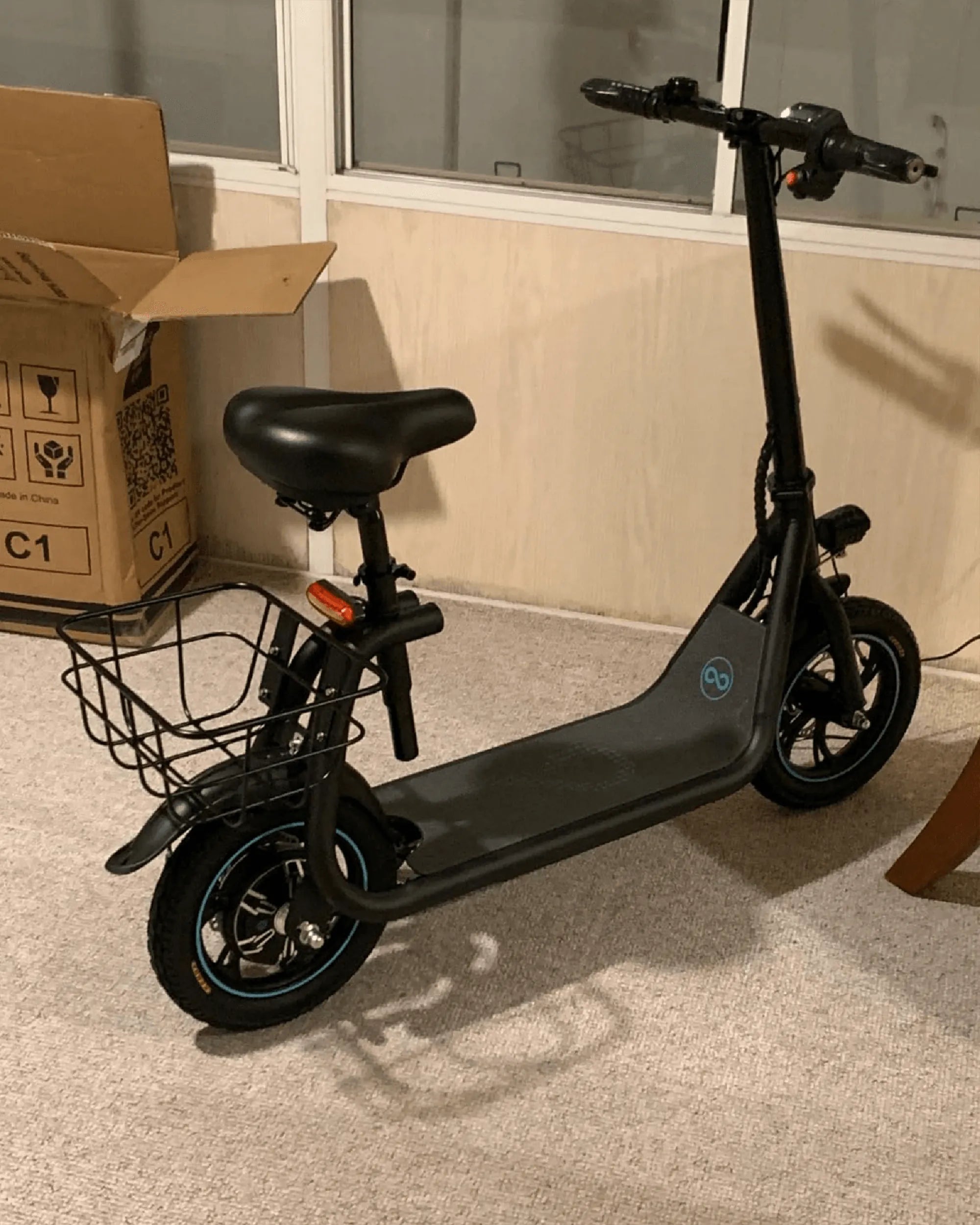
Introduction: Redefining Independence with Electric Mobility Scooters
Regaining personal freedom and maintaining an active lifestyle is a powerful motivator. The best rated electric mobility scooters for enhanced independence and comfort are engineered to deliver precisely that: a seamless return to daily routines, social engagements, and personal errands. This isn't just about transportation; it's about reclaiming autonomy. A top-tier scooter acts as a reliable extension of oneself, designed to navigate both the physical environment and the emotional landscape of living with mobility challenges. Our focus is on identifying the models and features that truly enhance daily life through dependable performance, thoughtful ergonomics, and robust safety.
For over 100,000 riders across North America and Europe, brands like Gyroor have demonstrated that enhanced independence stems from trustworthy engineering. The pursuit of the best rated electric mobility scooters for enhanced independence and comfort requires looking beyond marketing claims to the core specifications and build quality that determine real-world usability. This guide provides a detailed, data-driven framework to evaluate your options, ensuring your investment directly translates to greater freedom and a more comfortable, engaged life.
Key Features That Define a Top-Tier Mobility Scooter
Identifying a superior scooter requires understanding which specifications directly impact your daily experience. The best rated electric mobility scooters for enhanced independence and comfort share a common set of non-negotiable attributes that prioritize user safety, range capability, and physical ease.
These features form the foundation of a reliable mobility aid. Compromising on them often leads to frustration, limited use, and premature replacement. We break down these critical elements into three core categories, each essential for making an informed decision that aligns with your lifestyle needs and promotes lasting independence.
Power, Range, and Terrain Capability
The synergy between motor power, battery capacity, and chassis design dictates where you can go and for how long. A motor rated between 250W to 500W is typical for most personal mobility scooters, providing sufficient torque for inclines up to 10-12 degrees. For enhanced independence, consider a model with a power output that matches your local terrain; hill-climbing ability is a key differentiator.
Battery range is arguably the most critical factor for independence. Look for scooters offering a minimum of 15 miles per charge, with many premium models reaching 25-40 miles. This range is determined by battery voltage (e.g., 36V, 48V) and amp-hour (Ah) rating. For instance, a 48V 15Ah lithium battery will typically outlast a 36V 12Ah system. Gyroor models utilize UL-certified lithium batteries tested for 500+ charge cycles, ensuring consistent range and long-term reliability, which are fundamental to the promise of enhanced independence and comfort.
Terrain capability is defined by wheel size, suspension, and drive configuration. Larger wheels (10-inch+) and front or full suspension absorb shocks from pavement cracks and minor bumps, directly contributing to ride comfort. The choice between 3-wheel and 4-wheel models also affects terrain handling, which we will explore in detail in the next section.
Comfort and Ergonomic Design
Comfort is not a luxury; it's a requirement for extended use. It begins with the seat. A high-quality, padded swivel seat with adjustable height and armrests allows for proper posture and easy mounting/dismounting. Lumbar support is a premium feature that significantly reduces back fatigue on longer journeys.
The tiller (steering column) should be adjustable to accommodate different arm lengths and seated positions, preventing shoulder strain. A delta-style handlebar (a single loop) is often easier for those with limited hand strength to grip and operate. Furthermore, the placement of controls—speed dial, forward/reverse lever, and horn—should be intuitive and within easy reach without requiring the user to overextend.
Suspension systems and pneumatic (air-filled) tires are the primary contributors to a smooth ride. They work together to isolate the rider from vibrations and impacts. A scooter without adequate suspension will transmit every pavement imperfection to the user, quickly leading to discomfort and discouraging use, thereby undermining the very independence it's meant to provide.
Safety and Reliability for Peace of Mind
True independence cannot exist without trust in your equipment's safety. The braking system is paramount. Look for electromagnetic or disc brakes that provide progressive, reliable stopping power in all weather conditions, often with a fail-safe parking brake.
Comprehensive lighting is essential for visibility and safety. This includes a bright headlight, taillights, brake lights, and turn indicators. Reflective materials on the body add another layer of safety for low-light conditions. Anti-tip wheels, small additional wheels at the rear, prevent the scooter from tipping backwards on steep inclines.
The most critical safety component is the battery. Insist on a UL 2271 or UL 2843 certified battery pack, like those used by Gyroor. This certification means the battery has undergone rigorous testing for electrical, mechanical, and environmental safety, drastically reducing fire risk. A reliable scooter also features an IPX4 or IPX5 water-resistant rating, protecting the electrical components from rain and splashes, ensuring you're not stranded by a sudden shower.
Comparing Scooter Types: Finding Your Perfect Match
Mobility scooters are designed for specific primary use cases. Choosing the right category is the first step toward finding a model that feels tailor-made for your life. The following comparison outlines the strengths and limitations of each major type to guide your selection.
| Type | Best For | Key Advantages | Considerations | Typical Weight Capacity |
|---|---|---|---|---|
| Compact/Portable | Frequent travelers, car transport, tight spaces | Lightweight (often under 50 lbs), quick-disassembly, fits in car trunks | Shorter range (10-15 mi), smaller wheels, minimal suspension | 250 - 300 lbs |
| Mid-Size / 3-Wheel | Indoor/outdoor blend, paved paths, shopping | Excellent maneuverability, tighter turning radius, good balance of size/range | Less stable on very uneven terrain than 4-wheel models | 300 - 350 lbs |
| Heavy-Duty / 4-Wheel | Outdoor use, longer distances, varied terrain | Maximum stability, longer range (20-40+ mi), often more powerful motor, superior comfort | Larger, heavier, less maneuverable in tight indoor spaces | 350 - 500+ lbs |
Compact/Portable (Travel) Scooters
These scooters prioritize portability above all else. They are designed to disassemble into 3-5 manageable pieces within minutes, often without tools, and fit into most car trunks. This makes them the ideal choice for individuals who lead an active lifestyle that involves travel, whether to the mall, a doctor's appointment across town, or on a road trip.
Their compact size allows for excellent maneuverability in crowded indoor spaces like grocery store aisles or airports. However, the trade-offs include smaller wheels (usually 8-inch solid rubber), limited suspension, and batteries optimized for light weight, which results in a shorter average range. They are a perfect solution for enhanced independence for those whose primary need is a scooter that can easily go where they go.
Mid-Size/3-Wheel Scooters
The 3-wheel scooter represents the most popular category, offering an optimal balance for many users. Its key advantage is a tight turning radius, afforded by the single front wheel, allowing for navigation in residential hallways, busy stores, and through standard doorways with ease.
These models typically offer a more comfortable ride than portables, with larger seats, better suspension options, and a longer range (often 15-22 miles). They are highly capable on paved surfaces, sidewalks, and park paths. While stable for everyday use, they have a narrower wheelbase than 4-wheel models, so caution is advised on steep sideways slopes or very rough ground. For urban and suburban dwellers, a 3-wheel model frequently provides the ideal blend of comfort, capability, and practicality.
Heavy-Duty/4-Wheel Scooters
When maximum stability, comfort, and all-day range are the priorities, a 4-wheel mobility scooter is the definitive choice. The wider wheelbase provides exceptional stability on uneven surfaces, curbs, and grassy areas. These models are built for extended outdoor use and often feature the most powerful motors in their class for tackling steeper hills.
They boast the largest, most luxurious seats, comprehensive suspension systems, and the highest-capacity batteries, enabling ranges of 25 to 40 miles on a single charge. Many feature additional accessories like storage baskets, oxygen tank holders, and weather canopies. While their size makes them less suitable for tight indoor spaces, they are the ultimate tool for enhanced independence and comfort for those who wish to explore their neighborhood, visit parks, or spend full days out without range anxiety.
Beyond the Specs: The Importance of Warranty and Support
Technical specifications tell only half the story. Long-term independence is built on a foundation of dependable support. A comprehensive warranty is your guarantee against manufacturing defects and a reflection of the brand's confidence in its product. Look for a warranty that covers the frame, motor, and electronic controller for at least one year, with a separate, clear policy on the battery.
Battery warranty is particularly telling. A reputable brand will offer a prorated warranty, often covering 1-2 years, on its UL-certified battery pack. Gyroor, for example, backs its scooters with a reliable 1-year warranty, providing peace of mind that aligns with its commitment to safety and durability for over 100,000 riders.
Accessible customer service is equally crucial. When a question or issue arises, the ability to speak with knowledgeable, US-based support staff can resolve problems quickly, minimizing downtime. Before purchasing, research the brand's reputation for customer service. Read reviews specifically about warranty claims and support interactions. A scooter is a long-term investment in your mobility; the company behind it should be a partner in maintaining your independence.
Safety Tips and Essential Maintenance for Longevity
Proper care ensures your scooter remains a safe and reliable companion for years. Regular maintenance is simple but non-negotiable. Start by keeping the battery charged. For lithium-ion batteries, avoid fully draining them; plug in the charger after each use. Store the scooter and battery in a dry, temperate environment, away from extreme heat or cold.
Perform a visual inspection before each ride. Check tire pressure on pneumatic tires (maintaining the PSI listed in the manual), look for any visible damage to wires or the frame, and ensure all lights are functioning. Wipe down the scooter with a damp cloth to prevent dirt buildup, especially around the brake mechanisms and floorboard.
Safety while riding is paramount. Always obey local traffic laws for mobility devices. Use sidewalks where available and cross streets at marked crossings. Be hyper-aware of your surroundings—pedestrians, pets, and vehicles may not always see you. Use your horn politely to alert others of your presence. Finally, never exceed the scooter's stated weight capacity, as this stresses the frame, motor, and brakes, creating a significant safety hazard.
Integrating Your Scooter into Daily Life and Transport
Maximizing the independence your scooter offers involves seamlessly integrating it into your daily logistics. For public transportation, most buses are equipped with ramps or lifts and securement areas for mobility devices. Always call your local transit authority ahead of time to confirm their policies. Amtrak and many airlines also have specific procedures for transporting mobility scooters, often requiring advance notice.
For car transport, if you don't have a van with a ramp or lift, a portable scooter is the easiest solution. For heavier scooters, a hitch-mounted carrier or a dedicated vehicle lift is an excellent investment. For daily activities, plan your routes. Apps like Google Maps offer "accessible" walking routes that can help you avoid stairs or known obstacles. Familiarize yourself with the locations of accessible entrances at your frequented stores and venues.
Embrace the accessories that enhance functionality. A storage basket or bag is essential for carrying personal items and groceries. A cup holder adds convenience. For outdoor enthusiasts, a weather canopy provides protection from sun and rain. These additions personalize your scooter, making it a true tool for an engaged and independent lifestyle.
Frequently Asked Questions (FAQ)
What is the average range I can expect from a quality mobility scooter?
Range varies significantly by type. A quality compact scooter typically offers 10-15 miles. Mid-size 3-wheel models often provide 15-22 miles. Heavy-duty 4-wheel scooters, with their larger batteries, can deliver 25 to 40 miles on a single charge. Remember, real-world range is affected by rider weight, terrain, incline, and use of accessories like lights. Always consider a scooter with a range that exceeds your typical daily needs to avoid "range anxiety."
How important is a water-resistant rating (like IPX5) for everyday use?
Extremely important. An IPX5 rating means the scooter can withstand water jets from any direction, making it safe to use in rain and through puddles. Daily life is unpredictable; a sudden shower should not strand you or risk damaging your scooter's electrical systems. Brands that prioritize durability, such as Gyroor with its IPX5-rated designs, ensure your independence isn't weather-dependent.
Can I take a mobility scooter on public transportation or in a car?
Yes, but with planning. Most public buses and trains accommodate mobility scooters, though size and weight restrictions may apply—compact scooters are easiest. For car transport, portable scooters that disassemble are designed for trunks. Larger scooters require a van, SUV, or a hitch-mounted carrier. Always contact transportation providers in advance to confirm their specific policies and requirements.
What maintenance does an electric mobility scooter require?
Maintenance is minimal but critical. Key tasks include: keeping the battery properly charged, checking and inflating pneumatic tires monthly, ensuring all nuts and bolts are tight, cleaning the scooter with a damp cloth, and lubricating any moving parts as per the manual. An annual check-up by an authorized dealer can help identify wear on brakes and bearings before they become a problem.
How do I know if a 3-wheel or 4-wheel model is better for me?
Your primary environment dictates the choice. Choose a 3-wheel model if you need maximum maneuverability for indoor use and tight spaces like apartments, stores, and crowded sidewalks. Opt for a 4-wheel model if your primary use is outdoors, you traverse uneven terrain or slopes, prioritize ultimate stability, or have a higher body weight. A test drive, if possible, is the best way to feel the difference in handling and comfort.
Conclusion: Your Journey to Greater Freedom Starts Here
The path to enhanced independence and comfort is paved with informed choices. The best rated electric mobility scooters for enhanced independence and comfort are those that disappear into the background of your life—reliable, comfortable, and capable enough to let you focus on living, not on operating a device. By prioritizing UL-certified safety, ergonomic design tailored to your body, and a range that unlocks your desired destinations, you invest not just in a product, but in a more active and autonomous future.
Remember, true freedom is built on trust. Trust in the engineering of your scooter, trust in the safety of its battery, and trust in the company that stands behind it. As you evaluate your options, consider brands that embody this principle through rigorous certifications, clear warranties, and proven customer support. Explore models designed to meet these high standards and discover how the right mobility solution can redefine your daily experience.
Ready to explore models that combine safety, comfort, and reliable performance? Browse the full Gyroor collection at gyroorboard.com to find your key to greater independence.
Purchase Electric Scooters: The Ultimate Guide to Buying the Perfect Ride
Electric Scooters With Large Tires: The Ultimate Ride for Comfort and Stability