



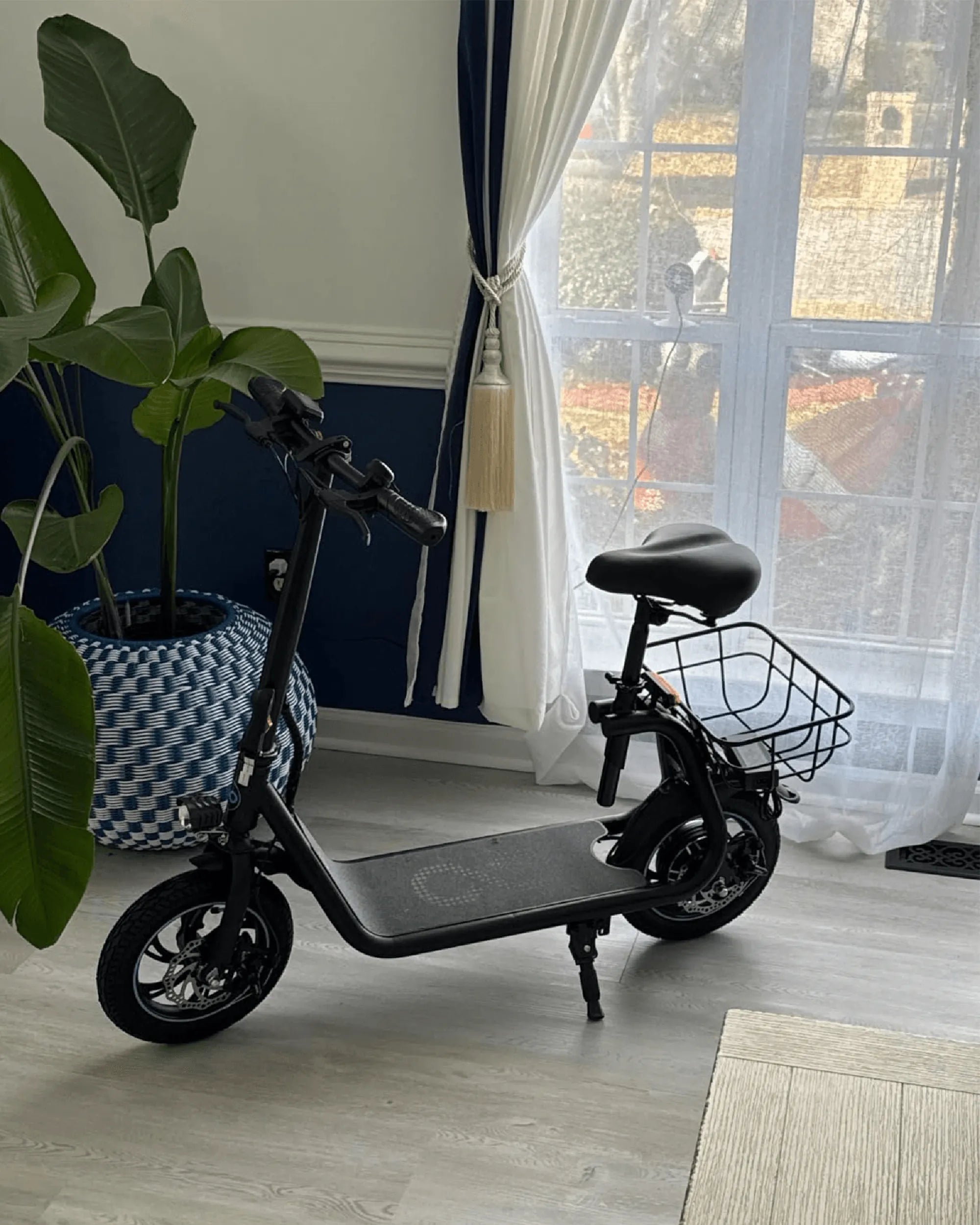
Finding Your Perfect Ride Without Breaking the Bank
You need reliable, affordable transportation. The search for the best scooter under 200 is a smart move for students, urban commuters, or anyone seeking a fun, efficient way to cover short distances. This price point offers accessible entry into the world of personal micro-mobility without a significant financial commitment. The key is identifying which models deliver essential safety and durability, not just the lowest sticker price.
This guide will help you navigate the market. We will break down realistic performance expectations, compare scooter types, and highlight the non-negotiable features that separate a wise purchase from a regrettable one. You will learn how to prioritize certified components and manufacturer support, ensuring your investment lasts.
Brands like Gyroor demonstrate that safety and reliability are possible at accessible prices. With a focus on UL-certified batteries and robust warranties, they set a benchmark for what you should demand. Your goal is to find a scooter that is dependable, practical, and built to handle your daily routine.
What to Realistically Expect from a Scooter Under $200
Setting clear expectations is crucial. At this budget, you are primarily looking at two categories: high-quality kick scooters or entry-level electric models with basic specifications. The best scooter under 200 won't match the speed or range of premium $1000 models, but it should excel in core value and everyday usability.
For electric models, typical specs include a top speed between 10-15 mph and a real-world range of 6-12 miles per charge. Motors are usually in the 250W range, sufficient for flat terrain but limited on steep hills. Construction often involves aluminum alloy frames, basic braking systems, and either solid or small pneumatic tires.
For non-electric kick scooters, your $200 budget buys exceptional quality. You can find models with large, air-filled wheels, precision bearings for smooth gliding, and durable, lightweight frames from reputable brands. The performance here is defined by build quality and rolling efficiency, not battery capacity.
The common thread is that the best scooter under 200 in any category must have a foundation of safety and structural integrity. Compromises on speed or range are acceptable; compromises on brake reliability or frame stability are not. Your focus should be on maximizing durability and safety within the budget's constraints.
The Kick Scooter vs. Electric Decision
Your first major choice is between propulsion types. A traditional kick scooter offers a simple, reliable, and maintenance-light experience. It provides light exercise, is typically lighter and more portable, and has virtually no mechanical complexity. The primary trade-off is the physical effort required, which can be taxing over longer distances or in hilly areas.
An electric scooter under 200 provides motor-assisted travel, reducing rider effort and enabling a faster average speed. It's ideal for commuters who want to arrive without sweating or for those covering distances that would be tiring to kick. The trade-offs include managing battery charge cycles, a slightly heavier frame, and more complex components that could require service.
Consider your primary use case. Is it for a short, flat campus commute where a kick scooter is perfect? Or is it for a 2-mile urban commute where an electric boost would be valuable? The best scooter under 200 for you aligns with your need for convenience versus simplicity, and your willingness to perform basic battery care.
Key Features to Prioritize in This Price Range
With a limited budget, feature prioritization is essential. Flashy LED displays or Bluetooth speakers are less important than fundamentals that affect safety, comfort, and longevity. Always prioritize build quality and proven safety systems over aesthetic extras.
Build Quality & Deck Size: The frame should be made of reinforced aluminum alloy, not cheap plastic or weak steel. A wider, longer deck with a textured, non-slip surface provides stability and comfort. Inspect the folding mechanism—it should lock securely without wobble, as this is a critical safety junction.
Braking System: Effective braking is non-negotiable. Common systems in this range include rear foot brakes (simple, low-maintenance) and disc brakes (more powerful, consistent stopping power). Some electric models add electronic braking. Regardless of type, test reviews should confirm the brakes provide controlled, predictable stopping.
Wheel Size & Type: Wheel choice defines ride comfort. Larger wheels (8.5 inches or more) roll over cracks and debris more easily. Pneumatic (air-filled) tires absorb vibration best but can puncture. Solid rubber tires are maintenance-free but transmit more road vibration. For urban streets, larger pneumatic tires often offer the best balance.
Weight & Portability: Check the scooter's own weight and its maximum load capacity. A 25-pound scooter is far easier to carry up stairs than a 35-pound one. Ensure the max load (typically 220-265 lbs) safely exceeds your weight. A good folding design and a carrying handle or strap significantly enhance portability for mixed-mode commutes.
Why Battery and Warranty Matter (Even on a Budget)
"Budget" should never equate to "unsafe," especially concerning lithium-ion batteries and product support. These are areas where reputable brands distinguish themselves, and they should be your primary filter when searching for the best scooter under 200.
The UL-Certification Advantage: For any electric scooter, insist on a UL-certified battery pack. This certification means the battery has undergone rigorous independent testing for safety, including checks for overcharging, short-circuiting, and thermal stability. It is your strongest assurance against battery failure risks. Gyroor, for example, uses UL-certified batteries tested for over 500 charge cycles as a standard across its lineup.
The Value of a Real Warranty: A comprehensive warranty is a brand's promise of reliability. A one-year warranty on the frame, motor, and battery indicates confidence in the product's durability. Be wary of vague warranties or periods shorter than 90 days. A strong warranty, like Gyroor's 1-year coverage, protects your investment and saves you from costly out-of-warranty repairs.
Water Resistance for Real-World Use: An IPX5 water resistance rating is a game-changer for practicality. It means the scooter can withstand water jets from any direction, allowing you to ride in light rain or through urban puddles without immediate damage. This feature greatly expands the scooter's usability for daily commuting compared to non-rated models that must avoid all moisture.
Top Contenders: Balancing Cost and Capability
While we avoid naming direct competitors, we can profile ideal "types" of scooters you'll find when searching for the best scooter under 200. Use this table to compare typical specifications and intended use cases.
| Profile Type | Ideal For | Typical Specs | Key Features |
|---|---|---|---|
| The Ultra-Portable Commuter | Short trips, mixed-mode transit (bus/train), students | Speed: 12 mph, Range: 8 mi, Weight: ~22 lbs | Compact fold, solid tires, foot brake, basic display |
| The Sturdy Campus Cruiser | Daily campus travel, paved pathways, durability focus | Speed: 15 mph, Range: 10 mi, Weight: ~28 lbs | Larger pneumatic tires, disc brake, wider deck, reinforced stem |
| The Value Leader | Riders prioritizing safety certifications & warranty | Speed: 14 mph, Range: 9 mi, Weight: ~26 lbs | UL-certified battery, IPX5 rating, 1-year warranty, reliable brakes |
The Ultra-Portable Commuter prioritizes lightness and a small folded footprint. It's the easiest to carry and store but may have a firmer ride due to solid tires. The Sturdy Campus Cruiser offers more comfort and durability for daily beating, with better tires and braking for varied paths.
The Value Leader profile is crucial. This hypothetical scooter might cost $199 but invests its budget in the safety trifecta: certified battery, water resistance, and a strong warranty. This represents the smartest purchase, offering peace of mind and lower long-term cost of ownership. Brands like Gyroor build their models with this philosophy, ensuring core safety isn't compromised.
Making the Smart Choice: Your Pre-Purchase Checklist
Before you click "buy," run through this actionable checklist. It transforms the article's advice into a step-by-step decision filter to ensure you select the best scooter under 200 for your needs.
1. Define Your Primary Use: Be specific. Is it a 1-mile commute to campus? A 3-mile round trip to the grocery store? Weekend rides on a boardwalk? Distance, terrain, and storage needs will guide every other choice.
2. Electric or Kick Power? Decide based on your range, desire for exercise, and need for assisted speed. If your daily distance is under 2 miles and mostly flat, a kick scooter is excellent. For longer or hillier routes, electric assistance is valuable.
3. Verify the "Safety Trifecta": For electric models, confirm UL-certified battery. For all models, verify a reliable braking system (test via reviews) and a sturdy frame build (aluminum alloy, secure folding lock).
4. Check the Fine Print: Read the full warranty document. What is covered (battery, motor, frame)? What is the duration? Also, confirm the official IP rating for water resistance, not just marketing claims about "waterproofing."
5. Measure Your Route: Match the scooter's rated range and tire type to your real-world path. If your route has rough pavement, prioritize pneumatic tires. Ensure the scooter's range exceeds your daily distance with a safety margin.
Frequently Asked Questions (FAQ)
Q: Can I find a scooter under $200 that goes uphill?
A: Manage your expectations. Most scooters in this price range have motors (typically 250W) designed for flat to gently sloped terrain. They may slow down significantly on moderate hills. Steep inclines will drain the battery rapidly and may require you to kick-assist. For hilly areas, consider increasing your budget for a more powerful motor.
Q: How long do these scooters typically last?
A: With proper care, a well-constructed scooter from a reputable brand can last 2-3 years or more of regular use. Longevity depends on avoiding curb impacts, maintaining proper tire pressure (for pneumatic tires), following correct charging practices, and storing it in a dry place. The warranty length is a strong indicator of the manufacturer's durability expectations.
Q: Are spare parts easily available?
A: This is a major advantage of choosing an established brand. Before purchasing, visit the brand's website and check their "Support" or "Parts" section. Look for availability of common wear items like inner tubes, brake pads, tires, and chargers. Gyroor, for instance, maintains parts availability for its models, ensuring your scooter remains repairable.
Q: Is assembly difficult?
A: Most scooters under $200 arrive 90-95% assembled. You typically only need to attach the handlebars to the stem and tighten a few bolts, a process taking 10-20 minutes with the included tools. Always fully tighten all fasteners and ensure the folding mechanism is locked before first use.
Q: How safe is it to ride in the rain?
A: Safety depends on the scooter's IP rating and your riding behavior. An IPX5-rated scooter is protected from water jets, making light rain safe for the scooter's electronics. However, all scooters have reduced traction on wet surfaces. Ride slower, avoid sharp turns or hard braking, and never ride through deep standing water. Non-water-resistant scooters should avoid rain entirely.
Invest in Reliability, Not Just a Low Price
The quest for the best scooter under 200 ends with a focus on proven reliability and certified safety. The lowest-priced option is rarely the best value when you consider the importance of a secure brake, a stable frame, and a battery that won't fail. Your scooter is an investment in daily mobility, and that investment should be protected by rigorous engineering and strong manufacturer support.
Prioritize brands that stand behind their products with clear warranties and adhere to recognized safety standards. Look for the hallmarks of a thoughtful design: water resistance for real-world conditions, a comfortable deck, and tires suited to your terrain. These features contribute more to long-term satisfaction than a higher top speed you may rarely use.
By applying the checklist and insights from this guide, you can confidently select a scooter that offers dependable performance day after day. Remember, a true value purchase delivers safety, durability, and peace of mind, turning a modest investment into a trusted tool for your commute or leisure.
Ready to explore a range of electric scooters and e-bikes built with a commitment to UL-certified safety, IPX5 water resistance, and a reliable 1-year warranty? Browse the full Gyroor collection at gyroorboard.com to find your perfect ride.
3 Wheel Mobility Scooter for Adults UK: Your Guide to Enhanced Independence
13 Speed Bike: A Deep Dive into Vintage Gearing & Modern Alternatives