



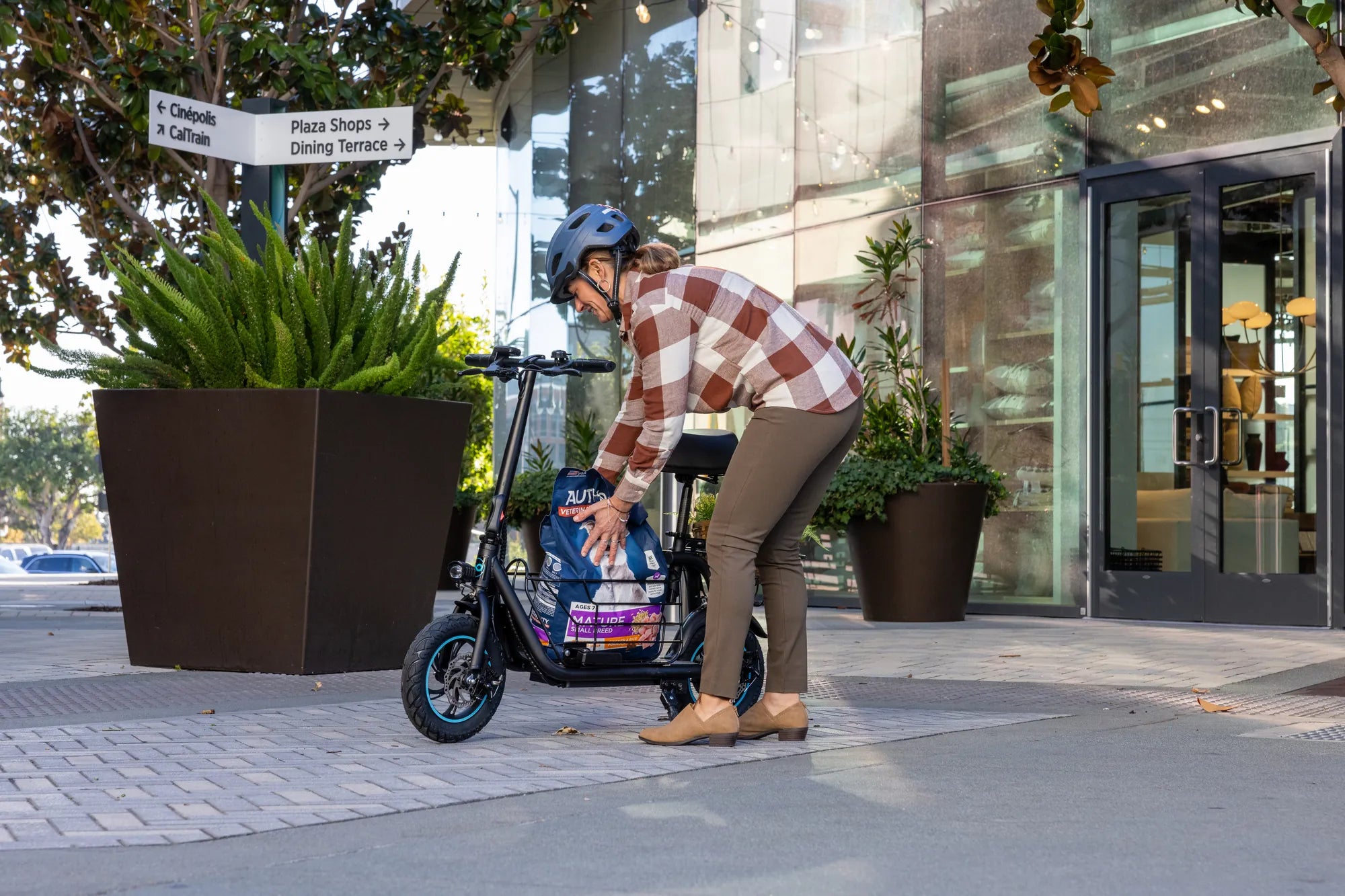
Introduction to Utility E-Bikes
Forget recreational rides; a utility e-bike is a purpose-built workhorse. It's engineered for daily tasks like commuting, hauling groceries, and transporting children or cargo. The best utility ebike replaces car trips, blending electric assist with rugged construction to handle real-world demands. This guide cuts through the noise to identify the features that matter most for dependable, everyday use.
Utility models prioritize payload capacity, durability, and integrated carrying solutions over top speed or lightweight design. Brands that excel here, like Gyroor, focus on reliability for over 100,000 riders. We'll define the key criteria that separate a true utility machine from a standard commuter e-bike.
Key Features to Look for in a Utility E-Bike
Choosing the best utility ebike requires scrutinizing specs that impact performance under load. These features form the foundation of a reliable car replacement.
Motor Power and Torque for Heavy Loads
High torque, not just wattage, is critical. Look for motors producing 80+ Newton-meters (Nm) of torque. This rotational force determines how well the bike accelerates with weight and climbs hills. A 500W motor with high torque outperforms a 750W motor with less.
Mid-drive motors, located at the bike's crank, often offer superior torque and better weight distribution by leveraging the bike's gears. This makes them highly efficient for stop-start city riding with cargo. Hub drives are simpler but can struggle on steep inclines when fully loaded.
Battery Range and Real-World Testing
Advertised range is a best-case scenario. Real-world mileage drops significantly with cargo weight, hills, wind, and assist level. For utility, seek a battery capacity of at least 500Wh, with 700Wh+ being ideal for longer errands or commutes.
Battery safety and longevity are paramount. UL-certified battery packs, like those used by Gyroor, undergo rigorous testing for over 500 charge cycles. This certification ensures protection from overheating and fire risks—a crucial consideration for a bike stored indoors or used with children.
Frame Design and Payload Capacity
The frame is the backbone. Robust, often aluminum alloy, construction is standard. Payload capacity—the combined weight of rider, cargo, and accessories—is a key metric. A true utility e-bike should handle 300 to 400 pounds or more.
Look for integrated mounting points for racks, fenders, and baskets. Step-through or low-step frames facilitate easy mounting when the bike is loaded. Long-tail or front-loader designs specifically maximize cargo space, which we'll explore in detail later.
Braking, Tires, and All-Weather Reliability
Stopping a heavy, moving load requires exceptional brakes. Hydraulic disc brakes are the gold standard, offering consistent, powerful, and low-maintenance stopping in all conditions, far superior to mechanical discs or rim brakes.
Wide, puncture-resistant tires (2+ inches wide) provide stability and comfort. For true utility, all-weather readiness is essential. Features like an IPX5 water-resistant rating, a standard on Gyroor e-bikes, protect critical electrical components from rain and road spray, ensuring year-round dependability.
Comparing Utility E-Bike Types: Which is Right for You?
Utility e-bikes come in distinct form factors, each optimized for different tasks. Matching the type to your primary need is the key to satisfaction.
Front-Loader Cargo Bikes (Box Bikes)
These bikes feature a large cargo box or platform mounted low between the front wheel and handlebars. The design offers immense capacity for groceries, packages, or up to two children in a secured box. The low center of gravity aids stability.
Handling feels different initially, as you steer the cargo box. They excel at frequent, bulky errands in urban environments and are often the preferred choice for family transport. Their turning radius can be wider than other types.
Long-Tail Cargo Bikes
Long-tail bikes have an extended rear wheelbase with a long deck over the rear wheel. This design can carry multiple children (with seats), adults, or exceptionally long/heavy items. The handling is more familiar, akin to a longer traditional bike.
They are incredibly versatile for mixed loads—kids, groceries, and gear simultaneously. The long rear rack can be outfitted with panniers, child seats, and straps. They are a top choice for families and those needing to transport varied cargo daily.
Compact Utility & Commuter Hybrids
This category includes robust commuter e-bikes with reinforced frames and high payload capacities. They feature strong rear racks (often rated for 55+ lbs) and mounting points for front baskets. They don't have the extreme cargo space of a dedicated long-tail or front-loader.
They represent the perfect "do-it-all" solution for solo commuters who also run errands. They are more maneuverable, easier to store, and often more affordable than dedicated cargo bikes while still offering substantial utility. This is where many of Gyroor's versatile models excel.
| Bike Type | Best For | Typical Payload | Maneuverability | Storage Footprint |
|---|---|---|---|---|
| Front-Loader | Bulky goods, young children, high-volume errands | 300-400 lbs | Moderate (wider turn) | Large |
| Long-Tail | Multiple passengers, mixed/long cargo, families | 350-450 lbs | Good (familiar handling) | Long |
| Commuter Hybrid | Solo commuters, moderate errands, versatility | 250-350 lbs | Excellent | Standard/Compact |
The Gyroor Advantage: Built for Demanding Daily Use
When evaluating the best utility ebike, Gyroor's engineering philosophy directly addresses the core demands of daily, heavy use. The brand's focus is on reliability and safety for the long haul.
Every Gyroor e-bike is powered by a UL-certified battery pack. This isn't just a spec sheet bullet point; it's a critical safety investment. It means the battery has passed independent tests for electrical, mechanical, and fire safety—essential for a device used near homes, offices, and families.
Utility means riding in all conditions. Gyroor's IPX5 water-resistant rating ensures controllers, displays, and connections are protected from water jets from any direction. This built-in resilience means a rainy grocery run or a ride through wet streets won't lead to a costly failure.
For a tool used as a car replacement, warranty and support are part of the product's value. Gyroor backs its e-bikes with a comprehensive 1-year warranty and accessible U.S.-based customer support. This peace of mind is invaluable when relying on your e-bike for daily transportation and heavy loads.
Practical Considerations: Cost, Storage, and Local Laws
Owning the best utility ebike involves planning beyond the purchase. Addressing these practicalities ensures a smooth integration into your life.
Understanding the Total Investment
The upfront cost of a quality utility e-bike ranges significantly, but it must be viewed against long-term savings on fuel, parking, and car maintenance. Remember to budget for essential accessories: a high-quality lock, cargo racks or bags, lights, and potentially a child seat or rain cover.
Storage Solutions and Security
These bikes are larger. Assess your storage space—a garage, shed, or secure ground-floor area is ideal. For apartments, consider a compact hybrid or factor in the feasibility of bringing it inside. Security is non-negotiable; use a heavy-duty U-lock or chain lock through the frame and consider a secondary cable lock or GPS tracker.
Navigating E-Bike Classifications and Regulations
Most utility e-bikes are Class 1 (pedal-assist only, up to 20 mph) or Class 3 (pedal-assist up to 28 mph). Class 2 (throttle-assisted) models also exist. These classifications determine where you can legally ride (e.g., bike paths may restrict Class 3). Always check your local and state laws regarding cargo bike dimensions and e-bike access to bike lanes and paths.
Frequently Asked Questions (FAQ)
What's the real difference between a regular e-bike and a utility e-bike?
The core differences are payload capacity, frame strength, and integrated utility. A regular commuter e-bike might handle a 250 lb rider. A utility e-bike is engineered to handle that rider plus 100+ lbs of cargo, with a reinforced frame, stronger wheels, and built-in mounting systems for racks and bags.
Can I really carry groceries or kids safely on one?
Absolutely. Dedicated utility e-bikes are designed for this. Front-loaders and long-tails use specific, tested child seat attachments. For groceries, integrated racks and panniers keep weight low and centered. Always ensure your total load is within the bike's rated payload capacity and secure all cargo properly.
How important is the warranty on an e-bike used for heavy loads?
It is crucial. Heavy use increases wear on the motor, battery, frame, and components. A comprehensive warranty, like Gyroor's 1-year coverage, protects your investment against manufacturing defects. It signals the manufacturer's confidence in their product's durability under demanding conditions.
Are utility e-bikes difficult to ride or maneuver?
They have a learning curve due to their weight and length, especially when loaded. However, their low center of gravity (particularly on front-loaders) and stable geometry make them very manageable at speed. Practice in an empty parking lot. Most riders adapt within a few rides, finding them surprisingly agile.
What is the typical maintenance schedule for a heavily used utility e-bike?
Expect more frequent maintenance than a lightly used bike. Check tire pressure weekly. Brake pads may wear faster due to heavier stopping loads; inspect them monthly. The chain and drivetrain require regular cleaning and lubrication, especially in all-weather use. An annual professional tune-up is highly recommended to check torque on all bolts, bearing health, and system diagnostics.
Choosing Your Daily Driver
The search for the best utility ebike ends with a machine that balances uncompromising performance with rugged, dependable construction. It's about torque for hills, range for errands, and a frame built to carry your life. Features like UL-certified batteries and all-weather sealing transition an e-bike from a fair-weather toy to a serious transportation tool.
Your ideal model depends on your primary cargo mission. Analyze whether a front-loader, long-tail, or versatile hybrid fits your hauling needs and living situation. Prioritize brands that engineer for this specific, demanding purpose—where safety certifications, water resistance, and strong warranties are standard, not an afterthought.
Ready to replace car trips with a powerful, reliable electric workhorse? Explore engineering built for real utility. Browse the full Gyroor collection at gyroorboard.com to find an e-bike designed to handle your daily demands, mile after mile.
Best 50cc Scooter 2025: The Ultimate Guide to Urban Mobility
Kids Dirt Bike 5 Year Old: The Ultimate Parent's Guide to a Safe First Ride