



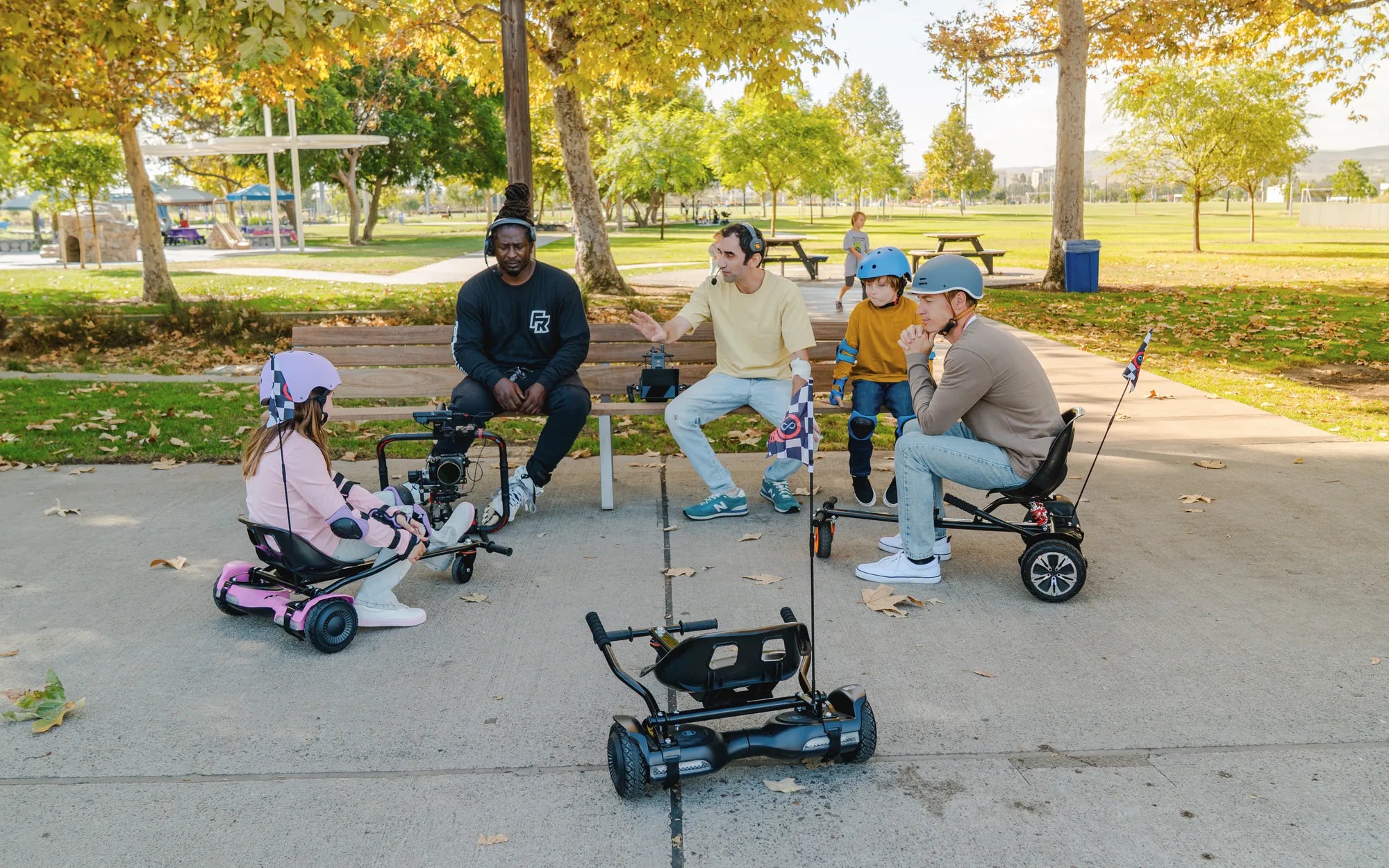
Introduction: Why a Blue Kids Self-Balancing Scooter is More Than Just a Toy
Choosing the right blue kids self balancing scooter is a significant decision for modern parents. This vibrant, popular color choice represents more than a simple toy; it's a tool for outdoor activity, balance development, and independent mobility. This guide will equip you with the knowledge to navigate the market, prioritize critical safety features, and select a model that offers lasting value and secure fun for your child.
We will analyze how these devices work, their key benefits, and the non-negotiable safety standards. You'll receive a detailed parent's buying checklist, a comparative look at scooter quality, and a step-by-step learning guide. Our goal is to transform you from a curious parent into an informed buyer, ensuring your child's riding experience is both joyful and safe.
Understanding Self-Balancing Scooters: How They Work and Key Benefits for Kids
A self-balancing scooter, commonly called a hoverboard, operates on a principle of dynamic stabilization. Internal gyroscopes and sensors detect the rider's subtle lean. Leaning forward signals the electric motors to propel the scooter ahead, while leaning back applies the brakes or reverses direction. This intuitive control makes it accessible for kids, as steering is managed by applying differential pressure with the feet.
The benefits extend far beyond simple transportation. Riding a self-balancing scooter actively engages a child's core muscles, proprioception, and vestibular system. It demands constant micro-adjustments to maintain equilibrium, which significantly enhances overall balance and coordination. This physical challenge is disguised as pure fun, making it an excellent alternative to sedentary screen time.
Furthermore, mastering the scooter provides a substantial confidence boost. The learning curve, from wobbly first attempts to smooth, controlled riding, teaches perseverance and rewards practice. It encourages outdoor play, social interaction with friends who ride, and a sense of independent exploration within safe parameters set by parents.
Safety First: The Non-Negotiable Features Every Parent Must Look For
Safety is the paramount concern, and certain features are non-negotiable. The UL 2272 certification is the most critical. This rigorous standard tests the entire electrical system, including the battery, charger, and circuitry, for fire and electrical safety. Never purchase a scooter without this certification.
The frame must be robust and stable, constructed from high-impact materials to withstand the bumps and drops of enthusiastic use. Footpads should have a textured, non-slip surface to provide secure footing. For beginners, look for models with adjustable speed modes or a dedicated beginner setting that limits top speed, typically to under 5 mph, allowing for a controlled learning environment.
Additional safety features include bright LED headlights and taillights for visibility, and a loud, built-in alarm or warning system for low battery or excessive tilt. A quality blue kids self balancing scooter integrates these elements not as extras, but as foundational components of its design.
The Gyroor Advantage: Engineered for Young Riders
When evaluating brands, Gyroor stands out for its engineering-first approach to kids' mobility. As a leading electric scooter and e-bike brand trusted by over 100,000 riders, Gyroor applies its expertise in durability and safety specifically to younger audiences. Their commitment is evidenced by core technologies that directly address parental concerns.
Every Gyroor kids' model is powered by a UL-certified lithium-ion battery pack, tested for over 500 charge cycles. This certification is a direct assurance of battery safety and longevity. Furthermore, their scooters feature an IPX5 water-resistant rating, meaning they are protected against water jets from any direction. This allows kids to safely ride through puddles and wet grass without risk of internal damage.
Gyroor supports its products with a 1-year comprehensive warranty, backed by responsive, US-based customer support. This warranty covers the motor, battery, and frame, providing long-term peace of mind. For parents, this combination of certified safety, durable construction, and reliable support makes a Gyroor blue kids self balancing scooter a considered and trustworthy investment.
Choosing the Right Blue Hoverboard: A Parent's Buying Checklist
Navigating the market requires a systematic approach. Use this checklist to evaluate any blue kids self balancing scooter, ensuring no critical detail is overlooked. A quality model will satisfy all these points, separating reputable products from potentially risky ones.
First, verify the UL 2272 certification—this is your baseline. Check the stated weight capacity to ensure it comfortably exceeds your child's weight. Examine the product specifications for wheel size and type; larger, all-terrain wheels (6.5-inch or above) handle bumps and grass better than smaller, solid street wheels.
Assess the claimed range and battery capacity. A range of 6-10 miles is typical for quality models, translating to 1-2 hours of intermittent play. Confirm the charger is also safety-certified. Finally, read independent customer reviews focusing on durability, real-world battery life, and the responsiveness of the company's customer service team.
Age, Weight, and Speed: Matching the Scooter to Your Child
Manufacturers typically recommend self-balancing scooters for children aged 8 and above. This guideline relates to the required leg strength, coordination, and cognitive ability to understand and react to the scooter's controls. Always adhere to the manufacturer's minimum age and weight recommendations.
Weight limits are crucial for performance and safety. Exceeding the limit can strain the motors, reduce battery life, and make the scooter unstable. A robust model should support at least 120-150 lbs. Speed control is equally important. Look for a scooter with a beginner mode that caps speed at 4-5 mph. As skills improve, parents can unlock higher speeds, often up to 7-9 mph, via a companion app or simple mode switch.
Battery Life and Range: Planning for Playtime Adventures
Battery specifications can be confusing. Voltage (V) indicates power, often 36V for kids' models, while Amp-hours (Ah) indicate capacity. A higher Ah generally means a longer range. However, real-world range is affected by rider weight, terrain, and riding style.
A realistic expectation is 6 to 10 miles per charge, or about 60-90 minutes of continuous use. For a child's play session, this is usually ample. Teach your child to recognize the low-battery indicator and to stop riding when it activates. A full recharge typically takes 2-4 hours. The use of a UL-certified battery and charger, as found in Gyroor models, ensures this charging process is as safe as it is efficient.
Build Quality and Design: Durability Meets Style
The scooter's construction must endure active use. A strong, aluminum alloy frame is ideal. Tires are a key differentiator: air-filled (pneumatic) tires offer better shock absorption on rough terrain, while solid rubber tires are maintenance-free but provide a firmer ride.
The iconic blue color is popular for its vibrancy and classic appeal. It is often available in high-gloss or sleek matte finishes. Beyond aesthetics, functional design elements like rubberized bumpers can protect the shell from scratches. Bright, energy-efficient LED lights are not just for show; they enhance visibility during dusk rides, adding a crucial layer of safety.
Data-Driven Comparison: What Sets a Quality Scooter Apart?
To make an informed choice, parents must understand the tangible differences between premium and generic models. The following table contrasts key features, highlighting why investing in a well-engineered product matters for safety and longevity.
| Feature | Premium Scooter (e.g., Gyroor) | Basic/Generic Scooter |
|---|---|---|
| Safety Certification | UL 2272 Certified (Full System) | May Lack Certification or Use Counterfeit Marks |
| Battery & Charger | UL-Certified Li-ion Pack; Smart Charger | Uncertified Battery; Basic Charger |
| Water Resistance | IPX5 Rating (Protected vs. Water Jets) | No Official Rating or Minimal Protection |
| Warranty & Support | 1-Year Comprehensive Warranty; US-Based Support | 90 Days or Less; Limited or Offshore Support |
| Frame & Build | Aluminum Alloy Frame; High-Impact Shell | Plastic-Heavy Construction; Less Durable |
| Speed Control | App or Button-Controlled Modes (Beginner/Advanced) | Single Speed or Basic Modes |
This comparison underscores that the initial price difference is directly linked to engineering quality, safety testing, and post-purchase support. A premium blue kids self balancing scooter is an investment in secure, durable fun.
Getting Started: A Step-by-Step Guide to Learning and Safety Gear
Proper initiation is key to safety and success. Begin in a flat, open, and soft area like a grassy park or carpeted indoors. Have your child practice mounting and dismounting while holding a wall or your hand. The scooter should power on only when they are ready to step on.
Instruct them to place one foot at a time, finding their balance point before attempting to move. Initially, focus on gentle forward and backward leans to move in straight lines. Turning is achieved by applying subtle forward pressure with the toe of one foot while easing pressure with the other. Celebrate small victories to build confidence.
Safety gear is non-negotiable for every ride. A properly fitted CPSC-certified bicycle helmet is essential. Equally important are knee pads, elbow pads, and wrist guards. This full set protects against the most common falls. Make gearing up an unbreakable rule before the scooter is ever turned on.
FAQ: Answering Common Parent Concerns
Q1: Are blue kids self balancing scooters safe?
A: When you choose a model with legitimate UL 2272 certification, a robust frame, and appropriate speed controls, they are designed to be safe. Parental supervision, proper safety gear, and riding in safe environments are equally critical components of safety.
Q2: What is the right age for a self-balancing scooter?
A> Most manufacturers recommend ages 8 and up. This considers the necessary physical strength, coordination, and judgment. Always check the specific age and weight minimums for the model you are considering.
Q3: How long does the battery last on a single charge?
A: For a quality scooter, expect 1 to 2 hours of active riding or a range of 6-10 miles. Actual time varies with terrain, rider weight, and speed. Teaching kids to monitor the battery indicator is a good habit.
Q4: Can my child ride it in the rain or through puddles?
A: A scooter with an IPX5 water-resistant rating, like those from Gyroor, is protected against water splashes and jets. This means riding through shallow puddles or on damp pavement is safe. However, it should not be submerged or ridden in heavy rain.
Q5: Where is it legal and safe for my child to ride?
A> Laws vary by locality. Generally, they are not legal on public roads. The safest places are private property, empty parking lots, sidewalks (where permitted and with pedestrian courtesy), and parks with paved paths. Always check your local regulations.
Conclusion: Investing in Fun, Safety, and Confidence
Selecting the ideal blue kids self balancing scooter requires focusing on verified safety, durable engineering, and reputable brand support. By prioritizing UL certification, water resistance, and a strong warranty, you invest in a product designed for real-world use. This choice fosters outdoor activity, develops physical skills, and builds your child's confidence through mastered challenge.
The journey begins with informed purchasing and is sustained by enforcing safety gear and supervised practice. A high-quality scooter becomes a source of cherished memories and active play. For a range of models that meet these rigorous standards, explore options designed with young riders in mind. Browse the full Gyroor collection at gyroorboard.com to find a blue kids self balancing scooter that combines vibrant style with proven performance and peace of mind.
How to Fix a Hoverboard That Won't Turn On – A Step-by-Step Guide
Hoverboard Scooter: The Ultimate Guide to Modern Personal Transportation