



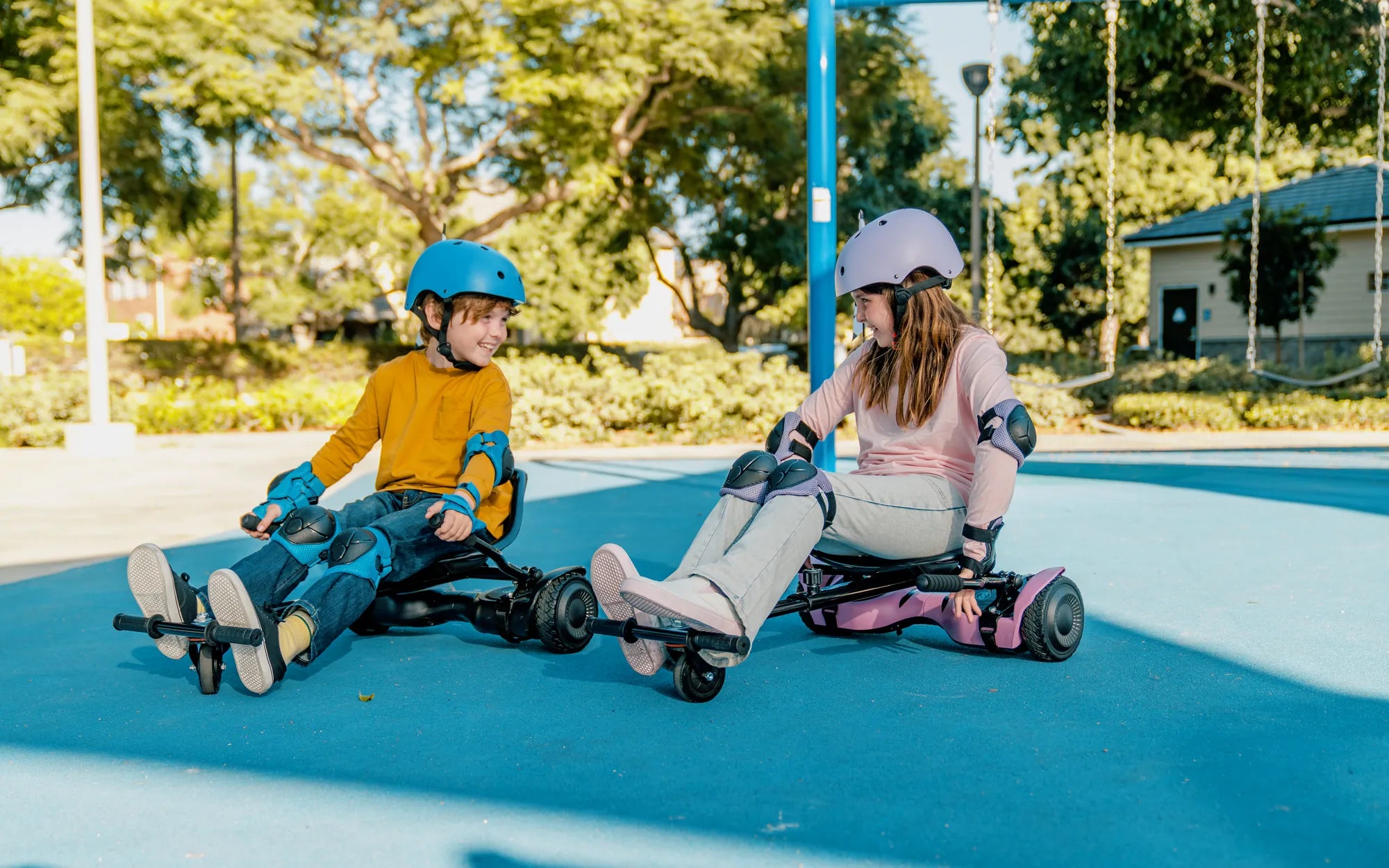
Why a 12-Year-Old is Ready for a Real E-Scooter
At 12 years old, a child is at a unique developmental crossroads. They crave more independence, seek adventure beyond the immediate neighborhood, and possess the physical coordination and cognitive maturity to handle more complex machinery than a simple kick scooter. This makes them the ideal candidate for their first legitimate, performance-oriented electric scooter. Selecting the right boy electric scooter for kids 12 years old is not about buying a toy; it's about investing in a tool for responsible exploration.
The transition signifies a step toward autonomy, offering a thrilling yet controlled way to visit friends, run local errands, or simply explore parks and bike paths. However, this newfound freedom must be built on a foundation of safety and informed choice. This guide will navigate you through every critical specification, safety protocol, and brand consideration, ensuring the scooter you choose delivers fun without compromising on security.
We will move beyond marketing hype and focus on factual data, engineering principles, and real-world usage scenarios. By the end, you'll understand exactly what makes a scooter suitable, safe, and durable for a pre-teen rider, empowering you to make a confident purchase that both you and your child can trust for years.
What Makes a Great Electric Scooter for a 12-Year-Old? Key Features Decoded
Choosing an electric scooter requires evaluating a set of technical specifications that directly translate to performance, safety, and suitability. For a 12-year-old, these specs must strike a careful balance between capability and restraint.
Motor Power & Speed: Finding the "Sweet Spot"
Motor power, measured in watts (W), determines acceleration and hill-climbing ability. For a 12-year-old, a motor in the 200W to 350W range is ideal. This provides ample power to tackle moderate inclines found in most suburban areas without the excessive, potentially dangerous acceleration of adult commuter scooters (often 500W+).
Top speed is the critical corollary to power. A maximum speed of 10 to 15 mph (16 to 24 km/h) represents the perfect sweet spot. It is fast enough to feel exhilarating and cover meaningful distance, yet slow enough to allow for safe reaction times. Many quality scooters, including those from Gyroor, offer speed limiters via a companion app, allowing parents to set a lower initial speed (e.g., 8 mph) and increase it as the rider's skill and responsibility grow.
Battery & Range: Planning for Adventure
The battery is the heart of the scooter, and its quality is paramount. Look exclusively for scooters with lithium-ion battery packs that carry a UL certification—a rigorous safety standard that tests for fire and electrical hazards. A battery with a capacity of 5Ah to 7.5Ah (about 150Wh to 250Wh) typically delivers a real-world range of 8 to 12 miles.
It is crucial to understand that range is not a fixed number. A rider's weight, terrain (hills drastically reduce range), riding speed, and even ambient temperature all affect how far a single charge will last. Teaching your child to plan routes within a 6-8 mile radius ensures they won't be stranded with a dead battery. A scooter like the Gyroor F1 Pro, with its UL-certified battery, offers reliable range while meeting the highest safety benchmarks.
Build Quality & Durability: Withstanding the Rigors of Youth
A 12-year-old's scooter will not lead a gentle life. It must withstand curbs, bumps, and frequent use. The frame should be constructed from aerospace-grade aluminum, which offers an excellent strength-to-weight ratio. The braking system is non-negotiable: a combination of a disc brake (for powerful, consistent stopping) and an electronic regenerative brake (which helps recharge the battery slightly) provides reliable, dual-brake safety.
Tire choice significantly impacts ride comfort and safety. Air-filled (pneumatic) tires are superior for a child's scooter as they absorb shock from cracks and bumps far better than solid rubber tires, providing more stability and control. A robust, wide deck (at least 5 inches across) offers a stable platform for growing feet, enhancing confidence and control.
Portability & Weight: Can They Carry It?
Independence means a child should be able to manage their scooter alone. A weight between 25 and 35 pounds is manageable for most 12-year-olds. Crucially, the scooter must have a reliable, intuitive folding mechanism. This allows them to easily collapse it to carry up a few stairs, store in a school locker, or lift into a car trunk for family trips.
The folding latch should be robust and secure, with no wobble in the stem when locked in the riding position. A lightweight design, often achieved through advanced aluminum alloys, makes daily ownership practical and encourages use as a true mobility tool rather than a burdensome piece of equipment.
Safety First: Non-Negotiable Features and Riding Habits
Safety is not a single feature; it is an ecosystem encompassing the scooter's design, protective gear, and educated riding habits. For a boy electric scooter for kids 12 years in age, this ecosystem is the absolute priority.
Essential Safety Features to Look For
The scooter itself must be engineered with integrated safety. A bright LED headlight and a prominent brake light are mandatory for visibility, even during daytime rides. A water-resistant rating of at least IPX5 is essential, as it certifies the scooter can withstand water jets from any direction—protecting the electrical components from rain or unexpected puddles.
Beyond brakes and tires, consider additional stability features. Some models have slightly wider handlebars or textured grip tape on the deck for better foot traction. The placement of the throttle and brake levers should be intuitive for smaller hands to prevent fumbling. Always verify the battery's UL certification, as this is the foremost defense against battery-related incidents.
The Mandatory Safety Gear Checklist
The scooter is only as safe as the rider's protection. This gear is non-negotiable for every single ride:
- Helmet: Must be CPSC-certified for bicycle riding. It should fit snugly without being tight.
- Knee and Elbow Pads: These protect the most commonly injured joints in falls.
- Wrist Guards: Highly recommended to prevent fractures and severe abrasions.
- Closed-Toe, Sturdy Shoes: Never allow riding in sandals or flip-flops.
Invest in high-quality gear. Explain to your child that professional riders always wear their protection—it's a sign of a smart rider, not a cautious one. Make putting on gear an automatic part of the "pre-ride checklist."
Establishing Ground Rules for Responsible Riding
Clear rules set the boundaries for safe exploration. Create a written "Riding Agreement" that you and your child review and sign. Core rules should include:
- Always wear full safety gear, no exceptions.
- Ride only on designated bike paths, sidewalks (where legally permitted), or quiet residential streets—never on busy roads.
- No riding after dusk, even with lights.
- Absolutely no passengers—scooters are designed for one rider.
- Obey all traffic signs and signals; treat the scooter like a bicycle.
- Stay alert: no headphones or phone use while riding.
Start with a "supervised only" period and grant more independence as they consistently demonstrate responsibility and adherence to the rules.
Top Considerations When Choosing a Brand: Why Gyroor Stands Out
The brand behind the scooter is as important as its specs. A reputable brand stands behind its products with robust warranties, accessible support, and transparent safety certifications.
The Importance of Warranty and Support
A comprehensive warranty is your insurance against manufacturing defects. Look for a minimum of a 1-year warranty on the entire scooter, with specific coverage for the battery and motor. This reflects the brand's confidence in its product's durability. Equally important is accessible customer support.
Brands like Gyroor, which serve over 100,000 riders across North America and Europe, typically offer streamlined support channels. This means if a part needs replacing or you have a technical question, you can get help quickly, minimizing downtime and frustration. A 4.5/5 average customer rating is a strong, data-backed indicator of reliable post-purchase experience.
Trust Through Certification: UL and IP Ratings
Certifications are not just logos on a box; they are the result of independent, rigorous testing. A UL-certified battery has passed extensive tests for electrical, mechanical, and environmental safety, drastically reducing fire risk. Never compromise on this.
Similarly, an IP (Ingress Protection) rating is an international standard. An IPX5 rating, common on quality scooters, means the unit is protected against low-pressure water jets from all angles. This engineering ensures that riding on damp pavement or getting caught in a light rain won't lead to immediate electrical failure, adding a crucial layer of reliability and safety for everyday use.
Comparison: Scooter Types for Different 12-Year-Old Riders
Not all 12-year-olds or family needs are the same. The table below compares three typical scooter profiles to help you match the product to your child's primary use case.
| Feature / Use Case | Urban Commuter (School & Friends) | Off-Road Adventurer (Trails & Parks) | Performance Enthusiast (Speed & Range) |
|---|---|---|---|
| Ideal Motor Power | 250W - 300W | 350W+ | 350W |
| Top Speed | 12-15 mph | 10-15 mph (with high torque) | 15-18 mph (limitable) |
| Tire Type | Air-Filled (8.5") | Pneumatic, Off-Road Tread (10") | Air-Filled (10") |
| Key Feature | Lightweight, easy folding | Enhanced suspension, rugged frame | Larger battery, dual braking |
| Gyroor Model Example | Gyroor F1 Foldable Design | Gyroor S1 Pro Suspension Model | Gyroor F1 Pro Extended Range |
This comparison shows that while core safety principles remain constant, priorities shift. A commuter values portability, an adventurer needs suspension, and an enthusiast seeks extended range. Identifying your child's primary riding environment is the key to satisfaction.
Beyond the Scooter: Tips for a Great First Ride and Ongoing Fun
Once the perfect scooter is chosen, the real adventure begins. Proper initiation and maintenance ensure long-term enjoyment and safety.
The Supervised Learning Phase
Never hand over the scooter and send your child on their way. Dedicate the first few hours to supervised practice in a completely safe, empty environment like a school parking lot on a weekend. Start with the basics: mounting and dismounting, pushing off manually to get a feel for balance, then powering on.
Practice using the throttle for gentle acceleration and, most importantly, practice braking. Have them stop from increasing speeds to understand the brake's feel and stopping distance. Practice gentle turns at slow speed before attempting sharper maneuvers. This phase builds muscle memory and confidence in a zero-risk setting.
Maintenance 101 for Young Riders
Teaching basic maintenance fosters responsibility and ensures the scooter stays safe. Create a simple weekly checklist with your child:
- Tire Check: Ensure air-filled tires are properly inflated (PSI listed on tire sidewall).
- Bolt Check: Gently check that stem and folding mechanism bolts are secure.
- Brake Test: Squeeze brake levers to ensure they engage firmly and smoothly.
- Battery Care: Charge after use; avoid leaving the battery fully depleted or at 100% charge for weeks on end. Store in a cool, dry place.
Use a damp cloth for cleaning; never hose down the scooter, even with an IPX5 rating, as high-pressure water can force its way into seals.
Planning Fun and Safe Riding Adventures
The scooter is a passport to exploration. Use map apps to plan safe routes along bike paths to a friend's house, a local library, or a park. Set family goals, like "explore all the trails in the greenbelt this summer." Organize small, supervised group rides with friends who also have scooters, emphasizing group safety rules.
This transforms the scooter from a mere gadget into a tool for physical activity, outdoor engagement, and social connection, all under the framework of safety you've established.
Frequently Asked Questions (FAQ)
Q: Is an electric scooter safe for my 12-year-old?
A: With the appropriate scooter (10-15 mph max, robust build, UL-certified battery), mandatory full safety gear (helmet, pads), and enforced riding rules, it can be a very safe activity. The key is parental involvement in selection, training, and setting clear boundaries.
Q: How fast should a scooter for a 12-year-old go?
A: A maximum speed of 10 to 15 mph is the widely recommended and appropriate range. This provides excitement and utility while keeping speeds manageable. Many models have app-based speed limiters for graduated learning.
Q: What is the typical price range for a good-quality scooter?
A: Expect to invest between $300 and $600 for a reliable, safe scooter from a reputable brand. This price point reflects better motors, UL-certified batteries, durable construction, and a meaningful warranty. It's an investment in safety and longevity.
Q: How do I check local laws for e-scooter use?
A> Laws vary by city, county, and state. Check your local municipal government or Department of Transportation website for specific ordinances. Key things to look for: minimum age requirements, helmet laws, and where riding is permitted (sidewalks, bike lanes, roads).
Q: Can my child ride it to school?
A> This depends entirely on school policy, distance, and route safety. First, check with the school administration. If permitted, the route must consist entirely of safe paths (no major road crossings without lights/crosswalks). The child must demonstrate impeccable rule-following during the supervised learning phase first.
Empowering Independence the Right Way
Choosing the right boy electric scooter for kids 12 years old is a meaningful decision that blends the thrill of independence with the imperative of safety. It requires looking past flashy ads to evaluate hard data: motor wattage, battery certifications, build materials, and brand reputation. By prioritizing a scooter with a UL-certified battery, a sensible speed limit, robust brakes, and pairing it with non-negotiable safety gear and clear rules, you create a framework for responsible adventure.
This investment unlocks more than just transportation; it fosters confidence, responsibility, and a love for the outdoors. Brands like Gyroor, with their focus on UL-certification, IPX5 water-resistance, and comprehensive customer support, provide the engineering and peace of mind that allows this adventure to flourish. The ultimate goal is a smile on your child's face and confidence in your mind, knowing they are equipped for fun that is as safe as it is exciting.
Ready to explore models that meet these rigorous standards? Browse the full Gyroor collection at gyroorboard.com to find the perfect electric scooter that matches your 12-year-old's spirit for adventure and your standards for safety.
Scooter for Kids Girls 3 Years: The Ultimate Guide to Choosing the Perfect Ride
Hoverboard for Women: The Ultimate Guide to Stylish and Safe Riding