

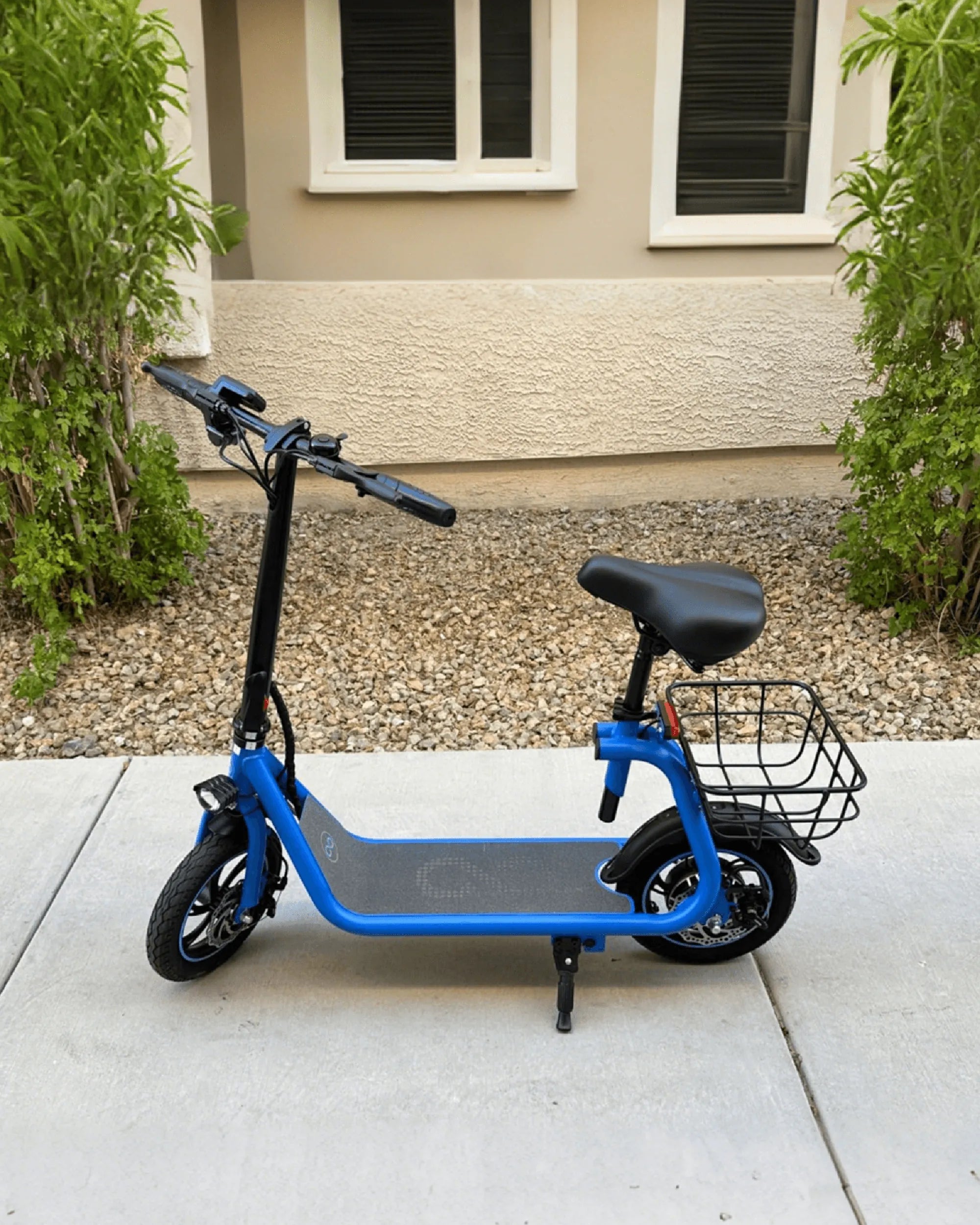
Introduction to Boys' E-Bikes: A Parent's Guide to Safe, Fun Riding
Choosing a boys ebike represents a significant step towards fostering independence, encouraging outdoor activity, and teaching responsible transportation. This guide moves beyond basic features to provide a data-driven framework for parents. You will learn how to evaluate an e-bike's safety credentials, ensure a perfect physical fit for your child, and understand the technical specifications that translate to real-world performance and durability. The goal is to make an informed investment in a machine that is as reliable as it is exciting.
The modern boys ebike is a sophisticated piece of personal mobility, not a toy. It combines traditional cycling with electric assist, which can extend a child's range and make hill-climbing accessible. This technology, when paired with the right safety protocols, opens up new avenues for exploration and exercise. However, the market varies widely in quality, making informed selection crucial for safety and satisfaction.
This guide is structured to answer the key questions parents have. We will dissect the components that matter most, from frame geometry to battery certification. We will compare different e-bike styles to match your son's riding ambitions. Finally, we will outline the non-negotiable safety features and maintenance routines that protect your investment and, most importantly, your rider.
Key Factors to Consider When Choosing a Boys Ebike
Selecting the right boys ebike requires a holistic assessment. The primary considerations extend far beyond age labels on a box to encompass physical fit, intended use, and the quality of core components. A well-chosen e-bike will grow with your child and provide years of reliable service.
First, assess your child's primary riding environment. Will it be used for smooth neighborhood streets, park paths, or occasional light trail adventures? The answer dictates the necessary motor power, tire type, and suspension needs. A bike built for pavement will struggle and potentially be unsafe on rugged terrain, and vice versa.
Second, establish a realistic budget that includes essential safety gear. A high-quality helmet, gloves, and knee/elbow pads are mandatory, not optional. Allocating funds for these items upfront ensures your child's safety is never compromised. The initial cost of the boys ebike itself should be viewed as an investment in durable components and reliable electronics.
Ensuring the Right Fit: Size and Adjustability
The single most important factor for safety and control is fit. An improperly sized boys ebike is difficult to handle and increases the risk of accidents. Sizing is primarily determined by wheel diameter and frame geometry, correlated to the rider's height and inseam.
For most boys aged approximately 8-12, a 20-inch wheel e-bike is typical. For teenagers and young adults, 24-inch or even 26-inch wheels (small adult frames) are appropriate. A critical check is standover height: your child should be able to stand over the top tube with both feet flat on the ground, with about 1-2 inches of clearance.
Adjustability is key for growth. Look for a boys ebike with a quick-release seat post clamp and an adjustable stem or handlebar height. This allows you to fine-tune the riding position for optimal comfort and control, extending the bike's usable life by 1-2 years as your child grows.
Matching Power to Purpose: Motor and Battery
The electric drive system defines the riding experience. For a boys ebike, the motor and battery must be appropriately scaled. A motor that is too powerful can be dangerous, while one that is underpowered will be frustrating.
Motor wattage for youth models typically ranges from 250W to 500W. A 250W-350W motor is excellent for flat to moderately hilly neighborhood riding, providing ample assist without excessive speed. A 500W motor offers more torque for steeper hills or heavier riders, often found in models suitable for older teens. All motors should be paired with a speed limiter, often configurable to comply with local regulations (e.g., 15-20 mph).
Battery capacity, measured in Watt-hours (Wh) or a combination of Voltage and Amp-hours (e.g., 36V 10Ah = 360Wh), determines range. A typical boys ebike with a 360Wh battery can achieve 15-25 miles per charge, depending on rider weight, terrain, and assist level. Prioritize models with batteries that are UL-certified for safety and removable for convenient charging.
Built to Last: Frame, Brakes, and Build Quality
Durability is non-negotiable for an active child. The frame material sets the foundation. Aluminum alloy is the industry standard for a quality boys ebike, offering an optimal balance of strength, corrosion resistance, and lightweight design. Avoid overly heavy steel frames that can make handling cumbersome.
The braking system is a critical safety component. Disc brakes, whether hydraulic or mechanical, provide superior stopping power and consistent performance in all weather conditions compared to traditional rim brakes. For a boys ebike that may see varied use, front and rear disc brakes are a highly recommended feature for reliable speed control.
Overall build quality is evident in the details: welded joints should be smooth and even, cables should be internally routed or neatly secured, and all bolts should be tight. A well-built boys ebike from a reputable brand will feel solid and rattle-free, instilling confidence in both rider and parent.
Why Safety is the #1 Priority: Features You Shouldn't Compromise On
Safety engineering is what separates a trustworthy boys ebike from a mere gadget. These features are essential safeguards, not luxury add-ons. A comprehensive safety package addresses visibility, control, and parental oversight to create a secure riding environment.
Active safety features help prevent accidents, while passive features mitigate consequences. A parent's checklist should include both categories. Investing in a boys ebike with integrated safety tech is more effective and reliable than attempting to add aftermarket accessories that may not integrate seamlessly with the bike's electrical system.
The peace of mind that comes from knowing your child is visible, can stop effectively, and isn't exceeding a safe speed is invaluable. It transforms the e-bike from a source of worry into a tool for positive, independent exploration.
Essential Safety Components
Visibility is paramount. A proper boys ebike must have a bright, focused LED headlight and a solid rear taillight, both integrated into the bike's battery system for consistent operation. Additional reflectors on wheels, pedals, and the frame are mandatory in many jurisdictions and provide crucial side visibility.
A loud, easy-to-use horn or bell is essential for alerting pedestrians and other cyclists. Puncture-resistant tires, often with Kevlar belts, drastically reduce the chance of flats, which can lead to loss-of-control situations. Finally, wide, stable platform pedals provide secure footing, especially important when starting and stopping.
The Role of Parental Controls and Speed Limiters
For younger or newer riders, the ability to manage performance is key. A built-in speed limiter allows parents to cap the maximum assisted speed, often through a simple password-protected menu on the bike's display. This ensures the boys ebike is used within a safe and legal speed envelope.
Advanced connectivity, such as a companion smartphone app, offers another layer of oversight. Through an app, parents can often set geofences, view trip history (distance, speed, route), and adjust power settings remotely. This technology bridges the gap between granting independence and maintaining responsible supervision.
Gyroor Boys' E-Bikes: Engineered for Confidence and Adventure
As a leading electric mobility brand trusted by over 100,000 riders, Gyroor designs its products with the core concerns of parents in mind. The brand's engineering philosophy directly addresses the critical needs for safety, durability, and real-world usability in a boys ebike, providing a benchmark for what families should look for.
Gyroor's commitment is evident in its adherence to high manufacturing standards and customer support. When evaluating a boys ebike, the presence of certifications like UL for the battery and a clear IP rating for water resistance are tangible indicators of a brand's commitment to safety and quality—areas where Gyroor has established clear standards.
Choosing a boys ebike from a brand with these credentials means investing in a product designed for the dynamic and sometimes messy reality of childhood adventure, backed by a warranty and support network that protects your purchase.
UL-Certified Battery: The Foundation of Trust
The lithium-ion battery is the heart of an e-bike and its most critical safety component. Gyroor utilizes UL-certified battery packs across its lineup, including its e-bike models. UL certification involves rigorous independent testing for electrical, mechanical, and environmental safety, drastically reducing risks associated with thermal runaway, short circuits, or fire.
This certification is a non-negotiable for a boys ebike. It provides scientific assurance that the battery has been engineered and tested to the highest industry standards. Parents can have confidence that the power source of their child's e-bike is as safe as modern technology can make it, a fundamental point of trust.
IPX5 Water Resistance: Ready for Real-World Fun
Children ride in all conditions. An IPX5 water resistance rating, a standard feature in Gyroor's design ethos, means the boys ebike's electrical components are protected against water jets from any direction. It can handle riding through puddles, sudden rain showers, and wet roads without risk of electrical failure.
This engineering resilience ensures reliability and encourages genuine outdoor use without constant anxiety about weather. A boys ebike with a strong IP rating is built for adventure, not just fair-weather cruising, making it a more versatile and valuable companion for an active child.
Warranty and Support: Investing with Peace of Mind
A comprehensive warranty reflects a manufacturer's confidence in its product. Gyroor backs its e-bikes with a reliable 1-year warranty covering the frame, motor, battery, and controller, supported by a U.S.-based customer service team. This provides a clear safety net for parents.
This support structure means that any technical issues are addressed promptly with genuine parts, protecting your investment for the long term. When purchasing a boys ebike, a strong warranty is a key indicator of quality and a brand's commitment to standing behind its product throughout the ownership experience.
Comparing E-Bike Types: Which Style is Right for Your Son?
Not all e-bikes are created equal. The style of the boys ebike should align with your child's primary riding intentions and local terrain. The main categories—cruiser, mountain, and commuter/hybrid—offer distinct geometries and feature sets optimized for different environments.
Making the right choice enhances enjoyment, safety, and the bike's longevity. A bike suited to its purpose will perform better and be more comfortable to ride. The following table provides a clear, data-driven comparison to guide your decision.
| E-Bike Type | Best For | Key Features | Typical Wheel Size | Motor Power Range |
|---|---|---|---|---|
| Cruiser E-Bike | Comfort, neighborhood streets, paved paths | Upright riding position, swept-back handlebars, often includes rear rack | 20", 24" | 250W - 350W |
| Mountain E-Bike (e-MTB) | Light to moderate off-road trails, dirt paths | Front suspension fork, knobby tires, robust frame, disc brakes | 24", 26" | 350W - 500W |
| Commuter/Hybrid E-Bike | Versatility, riding to school, mixed surfaces | Blend of comfort and efficiency, often has fenders, lights, and a rack | 24", 26" | 250W - 500W |
Cruiser E-Bikes: For Comfort and Neighborhood Exploration
The cruiser-style boys ebike is designed for relaxed, casual riding. Its defining characteristic is an upright riding posture that places minimal strain on the back and shoulders. This makes it ideal for leisurely exploration of suburban streets, bike paths, and parks.
These models often feature comfortable, padded seats and wide tires that absorb minor road vibrations. They are perfect for the rider who values comfort and style over aggressive speed or off-road capability. A cruiser boys ebike encourages social riding and extended time outdoors in a very accessible way.
Mountain E-Bikes (e-MTBs): For Off-Road Trails and Adventure
For the adventurous boy who seeks out dirt trails, forest paths, or rugged terrain, a mountain-style boys ebike, or e-MTB, is the tool for the job. These bikes are characterized by a front suspension fork that absorbs impacts from roots and rocks, providing better control and comfort.
They are equipped with wide, knobby tires for superior traction on loose surfaces and powerful disc brakes for reliable stopping on descents. The frame geometry is more aggressive, putting the rider in a position optimized for handling. This type of boys ebike unlocks a wider range of outdoor exploration beyond paved surfaces.
Commuter/Hybrid E-Bikes: For Versatility and Practicality
The hybrid or commuter boys ebike is the most versatile option. It blends the comfortable, upright geometry of a cruiser with the slightly more efficient frame and componentry of a mountain bike. This creates a highly practical machine for everyday use.
These models often come with practical accessories like full-length fenders (to keep the rider clean on wet roads), integrated lighting systems, and a rear rack for carrying a backpack or books. A hybrid boys ebike is an excellent choice for a teenager using it for transportation to school, friends' houses, or a part-time job, handling a variety of surfaces with ease.
Frequently Asked Questions (FAQs) About Boys Ebikes
Q: What is the right age for a boy to start riding an e-bike?
A> Age is less important than maturity, physical coordination, and comprehension of road safety. Generally, a child should be a confident rider of a traditional bicycle first, typically around age 10-12. Local laws may also dictate minimum ages for e-bike use on public roads or paths. Always assess your child's responsibility and ability to follow rules before transitioning to a boys ebike.
Q: Are e-bikes safe for kids?
A> Yes, when key conditions are met. Safety depends on: 1) Choosing a properly sized boys ebike with essential safety features (lights, good brakes, speed limiter). 2) Ensuring the rider always wears a certified bicycle helmet and other protective gear. 3) Providing thorough training on bike operation, traffic rules, and hazard awareness. 4) Supervising initial rides and setting clear boundaries for where and how the e-bike can be used.
Q: How far can a typical boys ebike go on a single charge?
A> Range varies significantly based on battery capacity, rider weight, terrain, wind, and the level of pedal assist used. A boys ebike with a 36V 10Ah (360Wh) battery typically offers a range of 15 to 35 miles. Using a lower level of assist on flat ground will maximize range, while frequent hill climbing and high assist levels will reduce it. It's wise to plan for the lower end of the estimated range.
Q: What maintenance does an e-bike require?
A> Regular maintenance ensures safety and longevity. Key tasks include: checking and inflating tires to the recommended PSI weekly; testing brake function and pad wear monthly; cleaning and lubricating the chain every few rides; ensuring all bolts (especially on handlebars, stem, and seat) are tight; and storing the battery in a cool, dry place, avoiding full discharge. An annual professional tune-up is also recommended.
Q: Do you need a license to ride an e-bike?
A> In most U.S. states, a driver's license is NOT required to operate a Class 1 (pedal-assist only, up to 20 mph) or Class 2 (throttle-assisted, up to 20 mph) e-bike. These classifications typically apply to the types of boys ebike discussed here. However, regulations vary by state, county, and city regarding age restrictions, helmet laws, and where e-bikes are permitted (sidewalks, bike paths). Always check your local ordinances before riding.
Conclusion: Empowering the Next Generation of Riders
Selecting the right boys ebike is a decision that balances excitement with responsibility. By prioritizing verified safety features like UL-certified batteries and IP-rated water resistance, ensuring a precise physical fit, and matching the bike's capabilities to your child's riding environment, you create the foundation for a positive and empowering experience. This thoughtful approach transforms the e-bike from a simple purchase into an investment in your child's independence, health, and connection to the outdoors.
The data and comparisons provided here are designed to cut through marketing noise and focus on the engineering and design elements that truly matter. A reliable boys ebike from a trusted brand like Gyroor, which incorporates these critical safety and durability standards, offers more than just transportation—it offers peace of mind. It enables adventures within safe boundaries, fosters mechanical responsibility through proper maintenance, and creates lasting memories of freedom and fun.
Ready to explore models that are built to these rigorous standards? Browse the full Gyroor collection of electric scooters and e-bikes, engineered for safety and adventure, at gyroorboard.com.
Ebike Motor and Controller Explained: The Heart and Brain of Your E-Bike
7 Speed Cruiser Bike Women's: The Ultimate Guide to Comfort & Versatility