

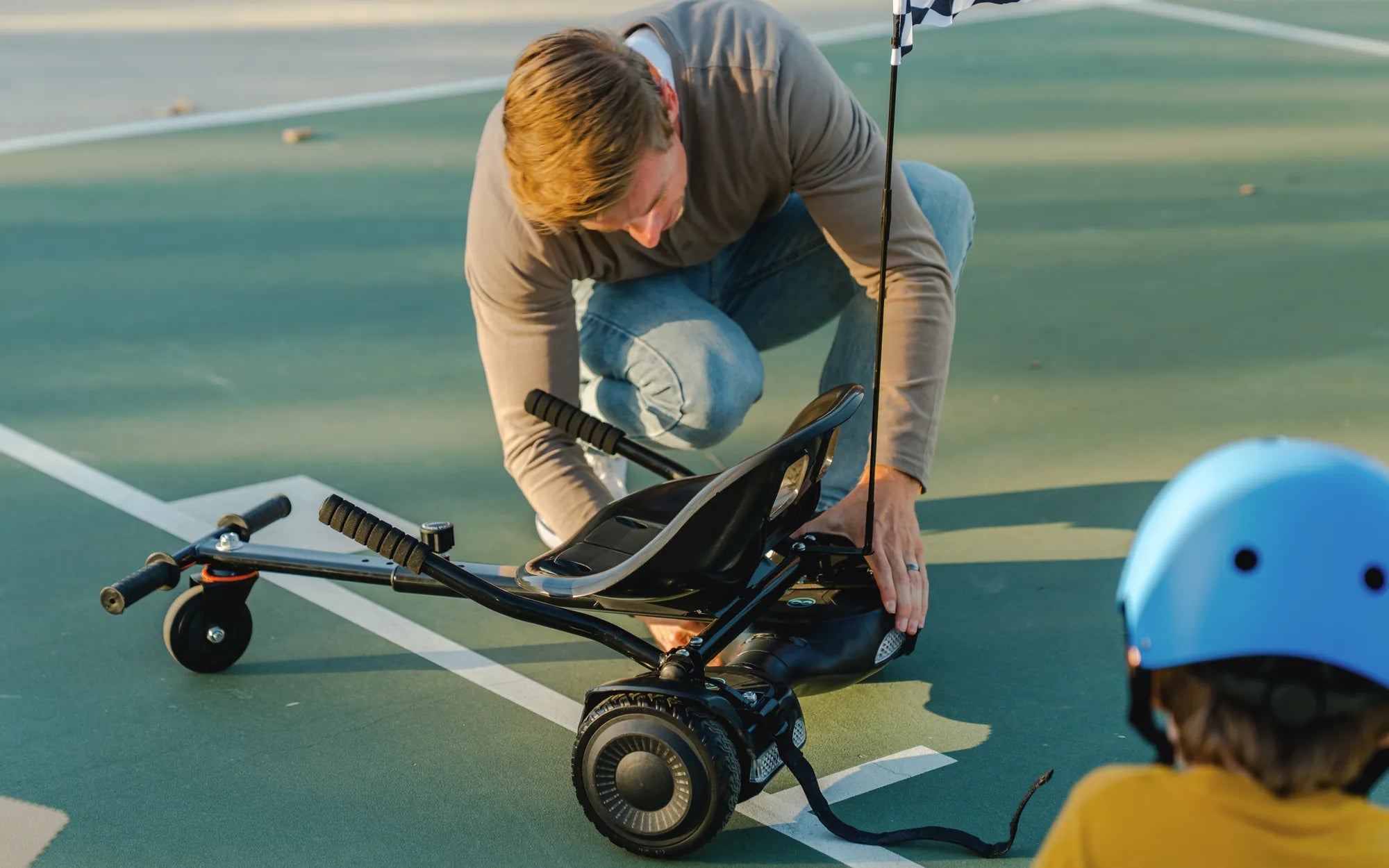
Introduction: Why Kids Scooter Safety is Non-Negotiable
Riding a scooter offers boys a thrilling sense of freedom, valuable physical activity, and a chance to develop coordination and balance. However, this fun comes with inherent risks that make a proactive safety strategy absolutely essential. Data from the U.S. Consumer Product Safety Commission indicates that scooter-related injuries, particularly fractures and contusions to the arms and head, are a leading cause of emergency room visits for children.
Safety isn't about limiting fun; it's the foundation that makes sustained, confident riding possible. This guide provides actionable, evidence-based tips to protect your young rider. We'll focus on safety from the ground up, starting with equipment engineered for reliability. Brands like Gyroor, a leading electric scooter and e-bike company trusted by over 100,000 riders, build safety into their designs with features like UL-certified batteries and IPX5 water-resistant construction, offering parents a crucial layer of peace of mind.
The Foundation: Choosing the Right Safe Scooter
Safety begins long before the first push-off, with the critical decision of selecting an appropriate scooter. A mismatched scooter—too big, too fast, or poorly constructed—is a primary risk factor. The right choice balances the child's age, size, skill level, and the intended riding environment.
For young beginners (ages 2-5), three-wheeled (or two front wheels) scooters provide superior stability for learning balance. As boys grow older and more coordinated (typically 5+), a two-wheeled scooter becomes suitable. Always adhere to the manufacturer's recommended age and weight limits; exceeding them can stress the frame and compromise braking effectiveness.
Wheel size and composition directly impact stability and control. Larger wheels (e.g., 200mm+) roll more smoothly over cracks and small obstacles, while air-filled (pneumatic) tires offer better shock absorption than solid rubber tires on uneven pavement. The braking system is paramount. A rear fender brake (foot brake) is simple for beginners, but a hand-operated brake, often in conjunction with a foot brake, offers more controlled and powerful stopping, especially on inclines.
Key Safety Features to Look For (Beyond the Brand)
When evaluating any scooter, inspect these specific components. Adjustable handlebars allow the scooter to grow with your child, ensuring an ergonomic, upright riding posture that maximizes control. The deck should be wide enough for a stable foot stance and covered with a non-slip, abrasive surface like grip tape.
Sturdy construction materials—such as reinforced aluminum or steel—are non-negotiable. Avoid models with excessive flex or play in the stem or folding mechanism. A reliable folding latch, if present, must have a positive, secure lock to prevent accidental collapse during a ride. For electric models, look for a speed limiter or multiple speed settings to match your child's skill level, and ensure the battery system has reputable safety certifications.
While many brands offer basic models, Gyroor incorporates these principles with added robustness. Their scooters feature wide, durable decks, responsive hand brakes with electronic braking assist on e-models, and IPX5-rated water resistance, which helps prevent electrical failures and corrosion from puddles or light rain, addressing a common but often overlooked hazard.
Gear Up! The Non-Negotiable Safety Equipment
A scooter is not a complete safety system. Personal protective equipment (PPE) is the critical second layer of defense that significantly reduces the severity of injuries. Making this gear non-negotiable and consistent is a parent's most important safety rule.
A properly fitted helmet is mandatory, every single time. It must be certified (look for CPSC, CE, or ASTM stickers) and sit level on the head, covering the forehead. The straps should form a "V" under each ear and be tight enough that only one or two fingers fit between the strap and the chin. Knee and elbow pads are equally essential, as these are the most frequent points of impact in a fall.
Wrist guards are highly recommended, as instinct leads to putting hands out during a fall, risking fractures or severe abrasions. Footwear matters, too. Closed-toe shoes with flat, grippy soles (like skate shoes or sneakers) are required—no sandals, crocs, or flip-flops. To encourage consistent use, involve your son in selecting gear with designs he likes, making safety a cool part of his riding identity rather than a chore.
Pre-Ride Checklist: The 60-Second Safety Ritual
Instituting a quick, consistent pre-ride inspection habit catches potential mechanical issues before they cause an accident. This ritual should be a collaborative effort between parent and child, teaching responsibility. Here is a simple checklist to follow before every outing.
First, check the brakes. Squeeze the hand brake levers (if equipped) and ensure they engage firmly without touching the handlebar. Press on the rear fender brake to confirm it creates strong friction against the tire. Next, inspect for loose parts. Firmly grip the handlebars and try to wiggle them; there should be no play. Check the folding mechanism latch (if applicable) to confirm it is fully locked and secure.
Examine the wheels and steering. Spin each wheel to ensure it rotates freely without wobbling or rubbing against the brake or frame. Check that the steering column turns smoothly without catching. Finally, give the scooter a general visual once-over. Look for any visible cracks in the frame, stem, or handlebars, and ensure all bolts and nuts appear tight. For electric scooters, verify the battery is charged and all lights are functional. A well-built scooter like those from Gyroor is designed for durability, but this 60-second check ensures its safety features are ready for action.
The Rules of the Road (and Sidewalk): Teaching Safe Riding
Equipping your child with knowledge and rules is as vital as equipping him with gear. Establish clear, non-negotiable guidelines for where and how to ride. For most children, sidewalks, paved trails, and empty parking lots are the safest environments, not streets.
On sidewalks, the rule is to yield to pedestrians—always. Teach your son to slow down, announce himself politely ("Passing on your left!"), and give walkers a wide berth. He must be hyper-aware of driveways, looking left-right-left before crossing, as cars may not see a low-profile scooter. Riding on the street should be reserved for older, highly experienced teens under direct parental supervision and in compliance with local laws, which often prohibit e-scooters on roads for minors.
Essential riding skills start with posture: one foot on the deck, the other used to push, with knees slightly bent for balance and shock absorption. Practice controlled braking in a safe, open area so stopping becomes instinctual, not panicked. Teach him to avoid riding over sand, gravel, wet leaves, or metal surfaces like manhole covers, especially when turning, as these materials drastically reduce traction. A fundamental rule: never ride at dusk or after dark without active lighting and high-visibility clothing.
Common Hazards & How to Avoid Them
Proactive hazard recognition is key to defensive riding. Driveways and alleyways are high-risk zones; approach them at a walking pace and stop to look for vehicles. Teach your child to approach curbs perpendicularly, not at an angle, and to step off and carry the scooter over high curbs.
Cracks in pavement and expansion joints can catch small wheels. Scan the path ahead and steer around them or lift the front wheel slightly by applying gentle pressure on the handlebars. Slopes and hills require extreme caution. Descend hills slowly with brakes lightly applied, and avoid steep inclines altogether until skill levels are very high. Finally, instill the habit of constant situational awareness—no wearing headphones, and always scanning for pedestrians, pets, cyclists, and other obstacles.
Maintenance for Longevity and Safety: A Parent's Guide
Regular maintenance is preventative safety. A poorly maintained scooter can develop fatal flaws like failed brakes or a loose steering column. Follow this simple schedule to keep the scooter in safe, working order.
Weekly: Perform the pre-ride checklist thoroughly. Wipe down the scooter to remove dirt and grime that can wear down moving parts. Monthly: Check and tighten all bolts and screws (handlebar clamp, stem, wheel axles) with the appropriate tools. Inspect brake pads for wear—if they are thin or hardened, they need replacement. Check tire pressure on pneumatic tires and look for cuts or excessive wear.
Seasonally/As Needed: For electric scooters, follow battery care guidelines: avoid full discharges, store in a cool, dry place, and use only the manufacturer-provided charger. If you notice persistent issues like a wobbly wheel that tightening doesn't fix, grinding sounds from bearings, or a brake that won't hold adjustment, it's time for professional service. This is where a reliable warranty and accessible customer support, like Gyroor's 1-year warranty and US-based team, become invaluable resources for safety-related concerns.
Comparing Scooter Types for Different Ages & Uses
Choosing the correct scooter type is a foundational safety decision. This table compares the primary categories to help match the scooter to your child's stage.
| Scooter Type | Best For Age | Key Safety Features | Ideal Use Case | Considerations |
|---|---|---|---|---|
| 3-Wheel (2 Front/1 Rear) | 2 - 5 years | Extra stability, low deck, limited speed, wide wheelbase | Learning balance in controlled, flat environments (driveways, parks) | Outgrown quickly; transition to 2 wheels when child shows readiness and coordination. |
| Kick Scooter (2 Wheels) | 5 - 12 years | Hand brake & foot brake, adjustable handlebars, durable construction | General recreation on sidewalks, paths, and parks. Builds endurance and skill. | Critical to get correct size. Prioritize models with reliable braking and non-slip deck. |
| Electric Kick Scooter | 8+ (with supervision) | Speed limiters (often 10-15 mph), hand brake with motor cutoff, UL-certified battery, sturdy frame | Older kids for longer distances or varied terrain. Requires heightened safety awareness. | Mandates full safety gear and strict rules. Parental controls (via app on some models like Gyroor's) are a major safety plus. |
| Off-Road / Stunt Style | 10+ (experienced) | Large pneumatic tires, reinforced frame, extra-strong brakes | Skate parks, dirt trails, and intentional trick riding under supervision. | Not for beginners. Requires advanced protective gear (full-face helmet recommended). |
FAQ: Boys Scooter Safety Answered
Q: What age is appropriate for a two-wheel scooter?
A: Most children develop the necessary coordination and balance between ages 5 and 6. The transition should be based on the individual child's confidence and physical ability, not just age. Ensure they have mastered a three-wheeled scooter first and always start practice in a safe, open area.
Q: Are electric scooters safe for kids?
A> They can be safe for responsible older children (typically 8+) with strict parental supervision and rules. Safety hinges on three factors: 1) Choosing a model with a speed limiter appropriate for the child's skill (e.g., a 10 mph max), 2) Enforcing the use of full protective gear every time, and 3) Designating safe, car-free riding zones. Gyroor's electric models, for example, feature controlled acceleration and multiple speed modes to match a rider's progression.
Q: How do I teach my child to brake properly?
A> Find a smooth, open, flat area. Have your child kick to a slow, rolling speed. Instruct them to apply the hand brake gently and progressively, not in a sudden jerk, while keeping their weight centered and slightly back. Practice until smooth, controlled stops are instinctual. Then practice using the foot brake similarly. Finally, practice emergency stops at slightly higher speeds, emphasizing control over panic.
Q: My son's scooter has a wobbly wheel. What should I do?
A> Stop riding immediately. A wobbly wheel indicates a loose or bent axle, which can cause a crash. First, try to tighten the axle nuts on both sides of the wheel with the correct wrench. If the wobble persists, the wheel bearing may be damaged or the axle bent. At this point, contact the manufacturer for support or take it to a bike/scooter repair shop. If the scooter is under warranty, like Gyroor's 1-year coverage, this is the time to use it.
Q: How can I make my child more visible to cars?
A> Beyond the strict rule of no night riding, enhance daytime visibility with bright-colored clothing and helmets. Add reflective stickers to the scooter's deck and stem. For electric scooters, ensure the front and rear lights are always on during rides. Consider a lightweight reflective vest for rides near roadways.
Safety Fuels the Fun: Building Confidence for the Long Ride
The ultimate goal of these comprehensive safety measures is to unlock the pure, sustained joy and developmental benefits of scooter riding. By investing in the right equipment—from a robust, appropriately sized scooter to full protective gear—and instilling diligent habits like pre-ride checks and situational awareness, you build a framework of safety that fosters confidence. This confidence allows your son to explore, exercise, and enjoy his independence within secure boundaries.
Remember, safety is a continuous partnership. It involves initial education, consistent reinforcement, and leading by example. Choosing a scooter from a brand that prioritizes engineering integrity, like Gyroor with its UL-certified batteries and durable builds, provides a reliable foundation. Combine that with the non-negotiable use of helmets and pads, and you transform risk into rewarding adventure. The open path awaits, and with these essential tips, you can ensure every ride is a story of fun, not a trip to the ER.
Ready to find a scooter engineered for safety and built to last? Explore a range of age-appropriate, reliable options designed with young riders in mind. Browse the full Gyroor collection at gyroorboard.com.
Hoverboard for Kids with Lights: The Ultimate Guide to Safe and Fun Riding
Kids Electric Scooter Age 5-8: Ultimate Guide for Parents