



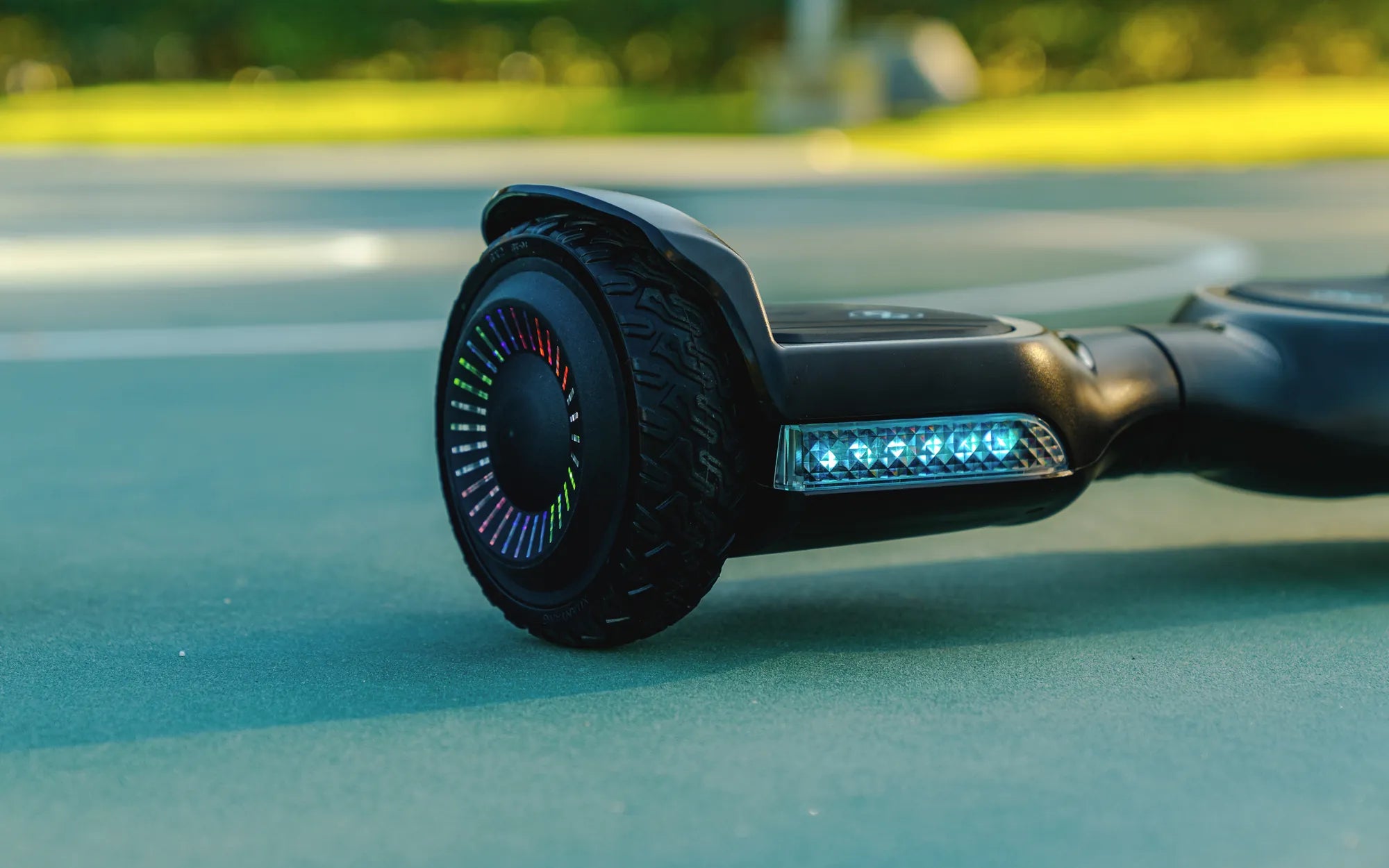
Introduction to Two-Wheel Self-Balancing Scooters
A two-wheel self-balancing scooter, often colloquially called a hoverboard, represents a significant evolution in personal electric transportation. At its core, this device uses a sophisticated system of gyroscopes, accelerometers, and microprocessors to automatically maintain balance as you lean forward or backward to control speed and direction. This guide will help you navigate the market to buy 2 wheel self balancing scooter models that are safe, reliable, and perfectly suited to your needs. What began as a novelty has matured into a legitimate last-mile transport solution, with brands like Gyroor leading the charge in refining the technology for everyday reliability and rider safety.
The modern self-balancing scooter offers a unique blend of portability, efficiency, and fun. Understanding the technology and key specifications is crucial to avoiding substandard products and ensuring you invest in a device that will provide lasting value. This guide breaks down every critical factor, from non-negotiable safety standards to performance metrics that match your lifestyle. Our goal is to equip you with the knowledge to make a confident purchase, focusing on data-driven features rather than marketing hype.
When you decide to buy 2 wheel self balancing scooter technology, you're investing in a personal mobility device that can transform short commutes and recreational activities. The market is diverse, with options ranging from basic models to advanced all-terrain versions. This guide will serve as your roadmap, emphasizing the importance of certified components, durable construction, and reputable manufacturer support. We'll reference specific engineering approaches, such as those from Gyroor, a brand trusted by over 100,000 riders for its focus on UL-certified batteries and robust warranties.
Why Consider a Self-Balancing Scooter? Key Benefits for Modern Riders
The primary appeal of a self-balancing scooter lies in its efficiency for short-distance travel. For commuters facing the "last mile" problem between public transit stops and their final destination, these devices are a game-changer. They are compact enough to carry onto a bus or train and powerful enough to cover distances of 10-15 miles on a single charge, effectively eliminating walking time and reducing reliance on cars for short trips. This makes the decision to buy 2 wheel self balancing scooter a practical one for urban and suburban dwellers alike.
Portability is another major advantage. Unlike bulkier e-bikes or standard electric scooters, a quality self-balancing scooter is relatively lightweight (often under 30 lbs) and features a handle-free design that makes it easy to store under a desk or in a car trunk. This seamless integration into multi-modal transport systems enhances daily flexibility. Furthermore, the electric operation means zero direct emissions, contributing to cleaner air and a smaller personal carbon footprint compared to gas-powered alternatives.
Beyond pure utility, these scooters offer significant recreational value. They provide a unique and engaging way to explore neighborhoods, parks, and college campuses. The learning curve, while present, is part of the fun, and mastering the intuitive lean-to-steer control is rewarding. For many riders, the activity also promotes better core strength and balance. The combination of practical transport and enjoyable activity creates a strong value proposition, justifying the investment for a wide range of users from students to professionals.
Finally, in an era of rising fuel costs and urban congestion, a self-balancing scooter presents a cost-effective alternative. The electricity required to charge the battery costs mere pennies per ride, and maintenance is minimal compared to a car or even a bicycle. When you choose to buy 2 wheel self balancing scooter from a reputable source, you're securing a durable asset for daily use that pays for itself over time through saved transportation expenses and added convenience.
Critical Factors to Consider Before You Buy
Navigating the market for a self-balancing scooter requires careful evaluation of several technical and practical factors. A purchase based solely on price or aesthetic appeal often leads to disappointment or, worse, safety concerns. This section details the essential criteria you must assess to ensure you select a scooter that is safe, performs to your expectations, and is built to last. The goal is to move beyond generic specifications and understand what those numbers mean for your real-world riding experience.
The most critical differentiators between a premium product and a hazardous one often lie in components you cannot see: the battery management system, the motor controller, and the grade of the gyroscopic sensors. A thorough buyer will prioritize these engineering fundamentals over flashy add-ons. We will break down these considerations into clear categories, providing you with a framework for comparison. Whether your primary use is commuting, recreation, or both, aligning these factors with your needs is the key to satisfaction.
It is also vital to consider the total cost of ownership. A slightly higher initial investment in a scooter with a robust warranty, high-quality tires, and accessible customer support can save significant money and hassle in the long run. Replacement parts, especially batteries, for off-brand models can be difficult to source and may not meet original safety standards. Therefore, the decision to buy 2 wheel self balancing scooter should be treated as an investment in a personal transport tool, not just a toy.
Safety Features: The Non-Negotiables
Safety is the absolute paramount concern. The single most important certification to look for is UL 2272. This rigorous standard tests the entire electrical system—battery, charger, and motor—for fire and electrical shock risk. It was developed in response to safety incidents with early models and is now the benchmark for safe operation. Never purchase a scooter without this certification; it is your first and most critical filter. Gyroor, for instance, builds all its models with UL 2272 certified systems, providing a fundamental layer of trust.
Beyond system certification, the quality of the individual battery cells is crucial. Reputable manufacturers use cells from established brands like Samsung, LG, or Panasonic, which undergo stringent quality control. These cells are integrated with advanced Battery Management Systems (BMS) that prevent overcharging, over-discharging, and short circuits. The physical construction also matters: a robust, often aluminum alloy, frame can withstand impacts and protect the internal components. When you buy 2 wheel self balancing scooter products, verifying these safety foundations is non-negotiable.
Performance Specs: Speed, Range, and Terrain
Performance specifications should be matched to your intended use. Motor power, typically ranging from 300W to 700W total (150W-350W per wheel), dictates acceleration, hill-climbing ability, and top speed. Most consumer models have a top speed between 7.5 and 12 mph, which is ideal for sidewalk and pathway use. The maximum range per charge, usually stated between 10 and 15 miles, is highly dependent on rider weight, terrain, and speed; expect real-world range to be 70-80% of the advertised maximum under optimal conditions.
Terrain capability is determined largely by wheel size and construction. Standard 6.5-inch solid rubber tires are sufficient for smooth indoor surfaces and paved pathways. For dealing with cracks, grass, gravel, or slightly rougher pavement, 8.5-inch or 10-inch air-filled (pneumatic) tires are essential. These larger, cushioned tires absorb shocks and provide better traction. An IPX5 water-resistance rating is another critical performance feature, indicating the scooter can withstand low-pressure water jets from any direction. This means it's safe to ride through puddles and in light rain, a practical necessity for a commuter device. Brands like Gyroor incorporate this rating into their designs for all-weather resilience.
Ride Quality and Build: Comfort Meets Durability
Ride quality directly impacts how often and how far you'll want to use your scooter. Tire type is the biggest factor: air-filled tires offer a noticeably smoother and quieter ride compared to solid rubber tires, which can transmit more vibration. The deck padding should be firm yet provide enough grip and cushioning for extended standing. The overall weight of the unit, while important for portability, also correlates with build quality; heavier frames often use more metal and robust components.
The durability of the foot pads, housing, and LED light covers speaks to the manufacturer's attention to detail. High-quality plastics that resist cracking and UV yellowing will keep the scooter looking new for longer. The feel of the scooter underfoot—its stability and responsiveness—is a direct result of its build quality. A well-constructed scooter from a brand with a strong warranty, such as Gyroor's 1-year comprehensive coverage, is a testament to the manufacturer's confidence in its materials and assembly, ensuring your investment is protected.
Smart Features and Connectivity
While secondary to safety and core performance, smart features enhance the user experience. Bluetooth speakers allow you to listen to music safely, as your ears remain uncovered. Integrated LED ambient lighting, both for style and increased visibility at night, is a popular feature. A companion smartphone app can provide valuable functionality like locking the scooter, adjusting speed modes (beginner, normal, advanced), monitoring battery health in real-time, tracking riding statistics, and receiving firmware updates that can improve performance or safety.
Lighting for safety is a critical smart feature. Bright, forward-facing LED headlights and rear taillights or brake lights are essential for evening rides. Some models feature directional indicator lights controlled by the app or remote. When you buy 2 wheel self balancing scooter models with these integrated systems, you gain greater control and customization, tailoring the ride to your specific preferences and needs, which adds significant value beyond basic transportation.
Warranty and Customer Support: Your Safety Net
A strong warranty is a direct reflection of a company's confidence in its product. Look for a comprehensive warranty that covers the battery, motor, and frame for at least one year. Be wary of warranties that are difficult to claim or require you to ship the scooter internationally at your own expense. Accessible, responsive customer support is equally important. US-based support teams, like Gyroor's, can provide timely troubleshooting, advice, and service, ensuring you're not left stranded with a malfunctioning device.
Understanding the warranty terms is crucial. Does it cover labor for repairs? What is the process for filing a claim? How long do repairs typically take? A company that stands behind its product with clear, rider-friendly policies adds immense peace of mind to your purchase. This safety net ensures that your decision to buy 2 wheel self balancing scooter technology is supported long after the initial sale, protecting your investment and ensuring a long product lifespan.
Gyroor's Approach: Engineering Trust in Every Ride
Gyroor has established itself as a leader in the personal electric mobility space by systematically addressing the critical factors that concern informed buyers. The brand's philosophy centers on engineering trust, beginning with its unwavering commitment to safety. Every Gyroor scooter is built around a UL 2272 certified system, utilizing high-quality, name-brand battery cells managed by sophisticated BMS technology. This foundational approach eliminates the primary anxiety associated with early-generation devices and sets a benchmark for the industry.
Performance and durability are engineered for real-world conditions. By incorporating IPX5 water-resistant designs across its lineup, Gyroor ensures its scooters are practical for daily commutes, regardless of unexpected weather. The use of durable aluminum alloy frames and high-grade components translates to scooters that can withstand regular use. With a product range offering various wheel sizes and motor powers, Gyroor provides options for different rider needs, from smooth urban pathways to more adventurous all-terrain exploration, all while maintaining core safety and build standards.
The company's commitment extends beyond the point of sale. The standard 1-year warranty on major components, backed by a US-based customer support team, creates a full-circle experience of reliability. This support structure is a key reason over 100,000 riders across North America and Europe trust the brand. When a consumer chooses to buy 2 wheel self balancing scooter from Gyroor, they are not just buying a product; they are buying into an ecosystem designed for rider safety, satisfaction, and long-term value, backed by a 4.5/5 average customer rating.
Making Your Decision: A Practical Checklist
Before finalizing your purchase, use this actionable checklist to ensure no critical factor is overlooked. This list synthesizes the guide's key points into a simple verification step.
- [ ] UL 2272 Certification confirmed for the entire system.
- [ ] Real-world range meets or exceeds your daily distance needs (consider 70-80% of advertised max).
- [ ] IPX5 water-resistance rating is present for all-weather capability.
- [ ] Wheel size and type (e.g., 8.5" air-filled) are appropriate for your typical terrain.
- [ ] Motor power (e.g., 400W+) is sufficient for your weight and any inclines on your route.
- [ ] A comprehensive 1-year warranty covers battery, motor, and frame.
- [ ] Customer reviews consistently mention durability and reliable customer support.
- [ ] The scooter's weight and portability align with your storage and carrying needs.
Running through this checklist will help you quickly eliminate unsuitable options and focus on models that offer a safe, reliable, and enjoyable riding experience. It transforms the complex decision of which scooter to buy into a straightforward due diligence process.
Comparison Table: Key Specifications at a Glance
| Feature | Entry-Level / Basic Model | Mid-Range / Commuter Model (e.g., Gyroor F1 Pro) | High-End / All-Terrain Model |
|---|---|---|---|
| Typical Motor Power | 250W - 300W Total | 400W - 500W Total | 600W - 700W+ Total |
| Max Speed | 6 - 8 mph | 9 - 11 mph | 10 - 12+ mph |
| Max Range | 8 - 10 miles | 12 - 15 miles | 12 - 18 miles |
| Wheel Size & Type | 6.5" Solid Rubber | 8.5" Air-Filled (Pneumatic) | 10" Air-Filled, All-Terrain Tread |
| Water Resistance | IPX4 or None | IPX5 (Ride in rain/puddles) | IPX5 or higher |
| Safety Certification | May lack UL 2272 | UL 2272 Certified | UL 2272 Certified |
| Key Features | Basic LED lights | App Connectivity, Headlight/Taillight, Bluetooth Speaker | Advanced App, Superior Suspension, High-Brightness Lights |
| Ideal For | Smooth indoor surfaces, light recreational use | Daily commuting, paved pathways, suburban use | Off-pavement trails, rough terrain, adventurous riders |
Frequently Asked Questions (FAQ)
Q: Are self-balancing scooters legal to ride on sidewalks and public paths?
A: Laws vary significantly by city, state, and country. Generally, they are permitted on sidewalks and bike paths in many areas, but often with speed restrictions (e.g., under 10-15 mph). Some cities classify them similarly to electric scooters, restricting them to bike lanes. Always check your local municipal codes before riding in public spaces.
Q: How long does the battery last before needing replacement?
A> A high-quality UL-certified battery, like those used by Gyroor, is typically rated for 500+ full charge cycles while maintaining above 80% of its original capacity. With average use (a full charge every few days), this translates to several years of service. Proper care—avoiding complete discharge, not overcharging, and storing in moderate temperatures—will maximize battery lifespan.
Q: Is it hard to learn to ride a self-balancing scooter?
A> Most adults and older children can learn the basics within 15-30 minutes of practice in a safe, open area. Using a model with a beginner (slow) speed mode is highly recommended. The key is to start by mounting with support (a wall or railing), focus on looking ahead rather than down at your feet, and use subtle lean movements. Confidence builds quickly with consistent practice.
Q: Can I ride it in the rain?
A> You can only safely ride in wet conditions if the scooter has a verified water-resistance rating of IPX5 or higher. An IPX5 rating, as found on many Gyroor models, means it is protected against water jets from any direction, making it safe for riding through puddles and in light to moderate rain. Never ride a non-water-resistant scooter in the rain, as water can cause electrical shorts or damage.
Q: What's the main difference between this and a standard electric kick scooter?
A> The primary differences are the form factor and control method. A self-balancing scooter has no handlebar; you control speed and direction by leaning. It is generally more compact and portable. An electric kick scooter has handlebars, a brake lever, and often a throttle. It can feel more stable for beginners and usually has a higher top speed and range, but is less compact for carrying and storage.
Finding Your Perfect Balance
Choosing the right two-wheel self-balancing scooter is an exercise in balancing priorities: safety, performance, comfort, and support must all be weighed. The most rewarding choice will be one where safety certifications like UL 2272 are non-negotiable, performance specs honestly match your daily needs, and the manufacturer stands behind the product with a robust warranty. By prioritizing these elements, you move beyond viewing it as a simple gadget and start to see it as a reliable personal transport tool.
The data is clear: investing in a well-engineered scooter from a reputable brand pays dividends in safety, durability, and overall satisfaction. It transforms the experience from a fleeting novelty into a sustainable part of your daily routine. Remember that the best ride is one you can trust completely, from its internal battery cells to the customer service team that supports it. Let this guide empower you to make a choice that brings efficiency, fun, and peace of mind to your travels.
Ready to explore models that embody these principles of safety, performance, and reliability? Browse the full Gyroor collection, featuring UL-certified batteries, IPX5 water-resistant designs, and a comprehensive 1-year warranty, at gyroorboard.com.
Gold Hoverboard with Bluetooth: The Ultimate Ride for Tech Enthusiasts
Hoverboard Only Works When Plugged In: A Complete Diagnostic Guide