



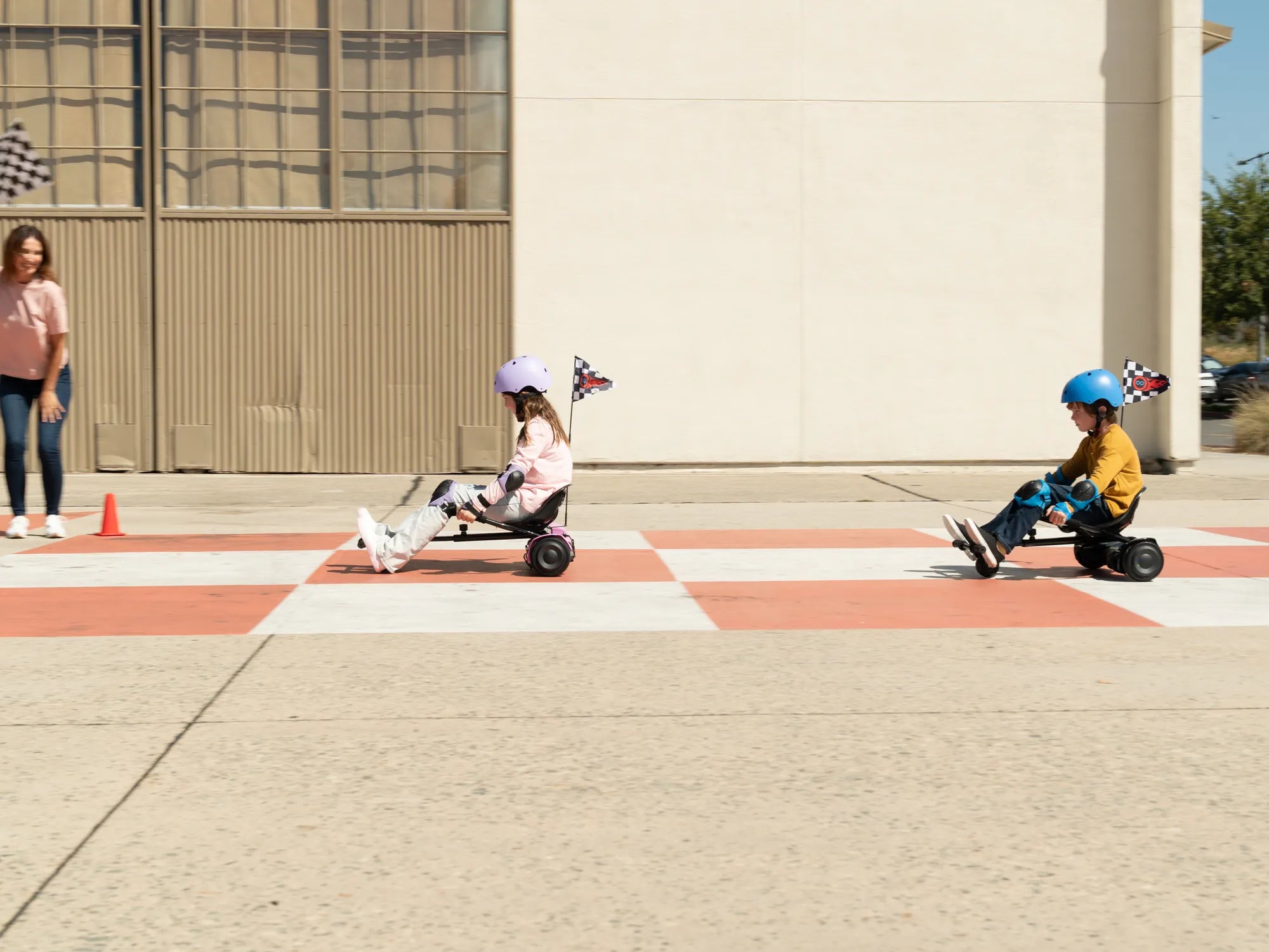
Are you ready to give your child the thrill of gliding effortlessly on a hoverboard? These futuristic gadgets have taken the world by storm, offering kids an exciting way to stay active and have fun. But before you buy a hoverboard for kids, there are several factors to consider to ensure safety, durability, and enjoyment. Let’s dive into the essential details every parent should know.
Why Buy a Hoverboard for Kids?
Hoverboards are more than just a trendy toy—they help kids develop balance, coordination, and confidence while having a blast. Unlike traditional scooters or bikes, hoverboards provide a unique riding experience that combines technology and physical activity. Many parents find that hoverboards encourage outdoor play, reducing screen time and promoting exercise.
Safety First: What to Look for When Buying a Hoverboard for Kids
Safety should always be the top priority when choosing a hoverboard for your child. Here are the key features to check:
- UL Certification: Ensure the hoverboard meets safety standards to prevent overheating or electrical hazards.
- Non-Slip Foot Pads: These provide better grip and stability, reducing the risk of slips.
- LED Lights: Bright lights improve visibility during evening rides.
- Speed Control: Look for models with adjustable speed settings suitable for beginners.
Age and Weight Recommendations
Not all hoverboards are suitable for every age group. Most manufacturers recommend hoverboards for kids aged 8 and up, with weight limits typically between 44 and 220 pounds. Always check the product specifications to ensure it matches your child’s size and skill level.
Battery Life and Charging Time
Kids love long rides, so battery life is a crucial factor. A good hoverboard should offer at least 1-2 hours of continuous use on a full charge. Charging times vary, but most models take 2-4 hours to recharge fully. Teach your child to monitor battery levels to avoid sudden shutdowns mid-ride.
Terrain and Wheel Type
Hoverboards come with different wheel sizes and materials, affecting performance on various surfaces. Smaller wheels (6.5 inches) are ideal for smooth indoor floors, while larger, rubberized wheels (8-10 inches) handle outdoor terrain like sidewalks and grass better. Consider where your child will ride most often before making a purchase.
Learning Curve and Parental Guidance
While hoverboards are intuitive, beginners may need time to master balance and control. Start with a slow speed setting and supervise initial rides. Protective gear like helmets, knee pads, and wrist guards are a must to prevent injuries.
Budget Considerations
Hoverboards range from budget-friendly to high-end models. While it’s tempting to go for the cheapest option, investing in a quality hoverboard ensures better safety and longevity. Mid-range models often strike the right balance between features and affordability.
Maintenance Tips for Longevity
To keep the hoverboard in top condition, regularly check the wheels for debris, avoid overcharging the battery, and store it in a dry place. Simple maintenance can extend its lifespan and keep your child riding safely for years.
Ready to make your child’s day with the perfect hoverboard? With the right safety features, age-appropriate design, and durable build, a hoverboard can provide endless fun while keeping your little one active. Don’t wait—explore the best options today and watch their excitement soar!
Canadian Hoverboard: The Future of Personal Transportation in Canada
Hoverboard One Wheel Doesn’t Work: Causes, Fixes, and Prevention Tips