



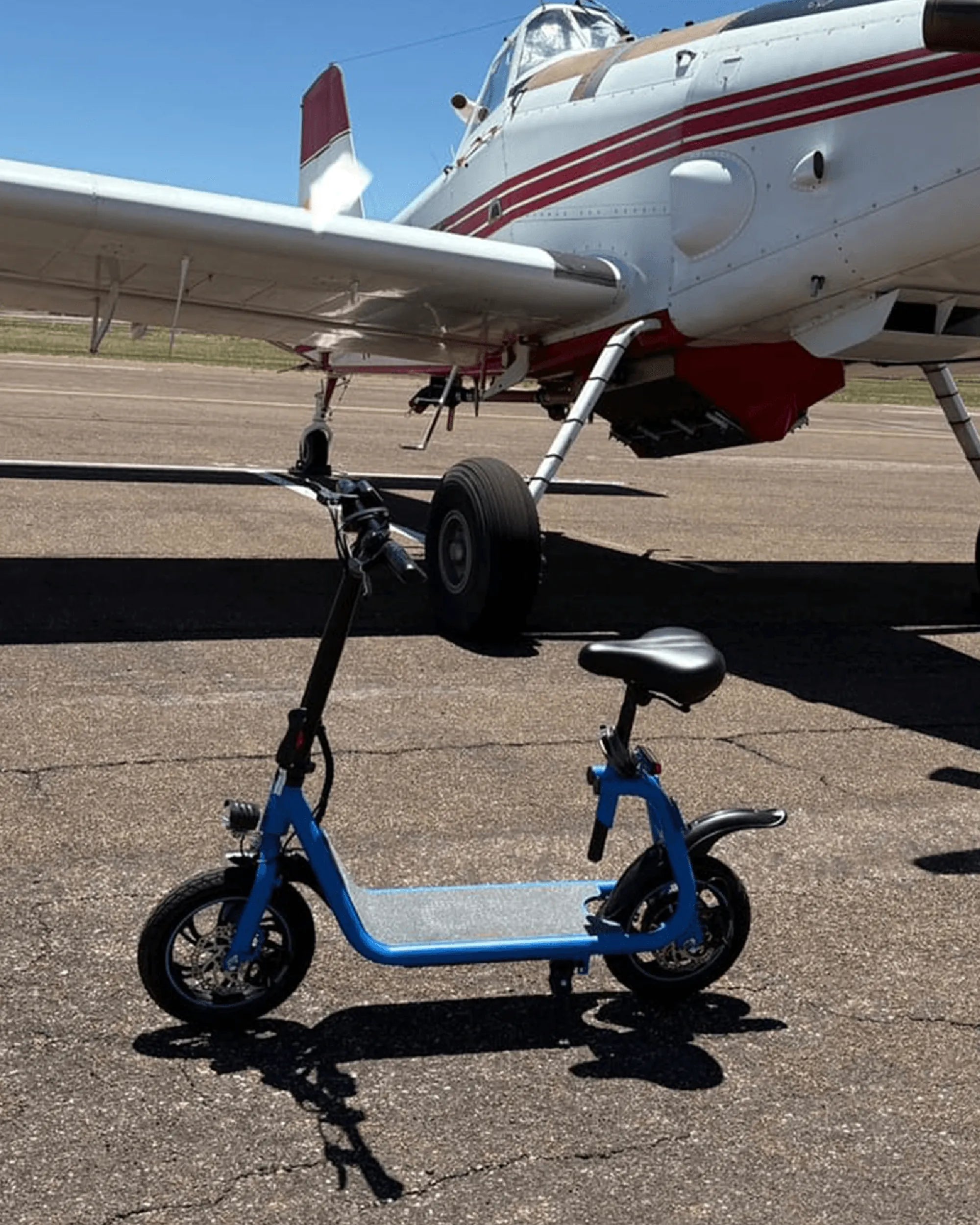
Searching to buy mobility scooter near me is about more than just finding the closest store; it's about making a critical investment in your freedom, safety, and quality of life. This comprehensive guide will equip you with the knowledge to navigate both local and online markets, identify non-negotiable safety features, and ask the right questions to ensure your new scooter is a perfect fit for your lifestyle. You'll learn how to evaluate dealers, understand specifications, and ultimately make a confident purchase that enhances your independence for years to come.
Understanding Your Mobility Needs Before You Buy
Before you search for where to buy mobility scooter near me, a clear self-assessment is essential. The right scooter is defined by your daily life, not just proximity. Start by mapping your primary use cases: will it be mostly indoors, navigating tight home corridors and grocery aisles, or outdoors on sidewalks and park paths? Perhaps you need a versatile model for both.
Next, consider your physical requirements. Weight capacity is a critical starting point; always choose a scooter rated for more than your body weight to ensure longevity and stability. Seat comfort and adjustability are paramount for preventing fatigue. Measure your doorways, available storage space, and vehicle trunk if transport is needed. This determines if you need a lightweight, easily disassembled travel scooter or a more robust, full-size model.
Your lifestyle dictates the scooter's class. Travel or portable scooters are lightweight, often disassemble into parts, and are ideal for errands and trips. Mid-size scooters offer a balance of comfort, range, and stability for daily neighborhood use. Heavy-duty or full-size scooters provide the longest range, highest weight capacity, and most luxurious seating for extensive outdoor adventures.
Ignoring this needs assessment can lead to buyer's remorse. A scooter that's too large becomes a household obstacle, while one with insufficient range strands you far from home. The goal is to match the machine to your mission, ensuring it becomes a seamless extension of your daily routine.
Key Features to Look for in a Quality Mobility Scooter
Not all mobility scooters are created equal. Distinguishing a quality build from a substandard one requires attention to key specifications. The battery is the heart of the scooter. Look for a stated range in miles, but understand this is under ideal conditions; real-world range is often 20-30% less. Lithium-ion batteries are lighter and have a longer lifespan than traditional lead-acid.
Drivetrain and stability features are crucial for safety. A wider wheelbase and lower center of gravity enhance stability. Pneumatic (air-filled) tires provide a smoother ride on outdoor terrain, while solid tires eliminate flats but offer a firmer ride. Consider ground clearance if you encounter curbs or uneven surfaces regularly.
Comfort is engineered, not accidental. Look for a swivel seat that locks securely, adjustable armrests, and ample lumbar support. The control panel should be intuitive, with easy-to-read displays and controls within comfortable reach. Lighting—front and rear—and reflective elements are non-negotiable for safety in low-light conditions.
Portability features like a quick-disconnect mechanism for disassembly can be a lifesaver if you travel. Finally, examine the build quality. The frame should feel solid, plastics should be durable, and all components should operate smoothly without excessive play or noise. These features collectively define a reliable, long-term investment.
Why UL-Certification and Warranty Matter for Your Safety
When you buy mobility scooter near me, safety must be your top priority. This goes beyond stable handling to the very components powering the device. UL (Underwriters Laboratories) certification for the battery and electrical system is a critical benchmark. It means the power system has undergone rigorous independent testing for safety hazards like overheating, short-circuiting, and fire risk.
An uncertified battery is a significant liability, especially when charging unattended in your home. Reputable brands prioritize this certification. For instance, Gyroor equips its mobility products with UL-certified battery packs tested for over 500 charge cycles, providing peace of mind alongside performance.
The warranty is a direct reflection of the manufacturer's confidence in their product. A comprehensive warranty, such as the 1-year coverage offered on Gyroor scooters, protects your investment. It should clearly cover the frame, motor, electronic controller, and battery. Scrutinize the warranty terms: is it a limited warranty? What is excluded? A strong warranty often indicates a company, like Gyroor with its US-based support team, that stands behind its products and simplifies the support process.
Together, UL certification and a robust warranty form a essential safety net. They ensure the scooter is built to safe standards and that you have recourse if an issue arises, safeguarding both your physical well-being and your financial investment.
The Pros and Cons: Local Retailers vs. Online Specialists
The decision of where to buy mobility scooter near me often boils down to local retailers versus online specialists. Each channel offers distinct advantages and trade-offs. Local medical supply stores or dedicated mobility dealers provide the immediate benefit of a physical test drive. You can feel the seat, test the controls, and gauge stability firsthand.
Local dealers also offer face-to-face expert advice and the promise of immediate service and support. If something goes wrong, you can potentially wheel it into the shop. This hands-on experience and perceived security are powerful draws for many buyers.
Conversely, online specialists typically offer a vastly wider selection of models, brands, and configurations than any single local store can stock. This allows for more precise matching to your specific needs. Pricing online is often more competitive due to lower overhead costs. Direct-to-consumer brands, like Gyroor, can invest more in product engineering and battery safety while offering attractive value.
The primary concerns with online purchases are assembly and service. However, reputable online retailers ship products that are 90-95% pre-assembled, with final assembly requiring only basic tools and clear instructions. For service, brands with strong support networks can ship replacement parts directly or help locate authorized service centers, effectively bridging the gap. The key is choosing an established online brand with a proven track record.
A Step-by-Step Guide to Evaluating Local Dealers
If you choose to purchase from a local retailer, a thorough evaluation is necessary. Don't just visit the closest one; research and visit a few. Start by examining their showroom. Is it clean and organized? Do they have a variety of models on the floor for demonstration, or just a few dusty examples?
Engage the sales staff with specific questions. Ask about their service department: Is it on-site? How many technicians do they employ? What are the typical wait times for repairs? Inquire if they carry brands with strong national warranties and UL-certified components. A dealer's willingness to discuss safety certifications is a good sign.
Always insist on a comprehensive test drive. Don't just ride in a straight line in the store. Ask to navigate a threshold, make a tight turn, and if possible, test on a slight incline. Pay attention to the comfort of the seat for at least 10-15 minutes and the responsiveness of the controls.
Finally, scrutinize their policies. What is their return or exchange policy? Do they offer delivery and in-home setup? What are their financing options? A reputable dealer will be transparent about all costs, including any potential assembly or delivery fees, and will provide clear, written documentation of the warranty they honor.
Pre-Purchase Checklist: What to Do and Ask Before You Buy
Use this actionable checklist before finalizing your decision to buy mobility scooter near me or online. First, verify all core specifications against your needs assessment: weight capacity, max range, seat dimensions, and overall dimensions for storage.
Second, confirm safety certifications. Ask for documentation of UL certification for the battery and electrical system. Check the IP (Ingress Protection) water-resistance rating; a rating of IPX4 or higher is recommended for safe operation in light rain and against splashes.
Third, understand the support structure. Get the warranty document and read the fine print. Know exactly what is covered, for how long, and the process for making a claim. Research the brand's reputation through independent review platforms and consumer forums.
Fourth, consider total cost of ownership. Factor in the price of potential accessories (baskets, oxygen tank holders, extended warranties), battery replacement costs down the line, and any ongoing maintenance. This holistic view ensures no surprises after your purchase and guarantees you are investing in a solution designed for lasting independence.
Frequently Asked Questions (FAQ)
This section addresses the most common concerns for those looking to buy mobility scooter near me, providing clear, factual answers to guide your purchase.
Can I test drive a mobility scooter before buying it online?
While a physical test drive at the exact online point of sale isn't possible, reputable online brands mitigate this in several ways. They provide extremely detailed specification sheets, 360-degree product views, and high-quality video demonstrations that show the scooter in use. Many also partner with independent reviewers whose video reviews offer unbiased assessments of ride quality and handling.
Furthermore, established online retailers often offer trial periods or generous return policies (subject to specific terms and conditions). This allows you to assemble the scooter and use it in your own environment—the ultimate test drive—with the option to return it if it doesn't meet your expectations. Always review the return policy carefully before purchasing.
What should I do if my mobility scooter needs repair?
The repair process depends on where you purchased it. If bought from a local dealer with a service department, your first step is to contact them. If purchased online, contact the manufacturer's customer support directly. Brands with robust support, like Gyroor and its US-based team, can often diagnose issues over the phone or via video.
For many common issues, they can ship replacement parts directly to you with detailed installation guides. For more complex repairs, they can help you locate an authorized third-party service center in your area. This is a key question to ask before buying: "What is your process for handling repairs, and do you have service partners in my region?"
How important is water resistance in a mobility scooter?
Water resistance is critically important for real-world usability and longevity. An IP (Ingress Protection) rating defines a product's resistance to dust and water. For mobility scooters, a minimum of IPX4 is advisable. This rating means the scooter is protected against water splashes from any direction, allowing you to safely navigate in light rain or through damp conditions without damaging the sensitive electronics, motor, or battery compartment.
Scooters without a defined IP rating are highly vulnerable to moisture, which can lead to corrosion, electrical shorts, and premature failure. Investing in a scooter with a good IP rating, such as the IPX5 water-resistant design found in Gyroor models, protects your investment and ensures reliable operation in various weather conditions.
What is the real-world range I can expect from a scooter?
Manufacturer-stated range is typically calculated under optimal laboratory conditions: a light rider on a flat, smooth surface at a slow, steady speed. Real-world range is affected by rider weight, terrain (hills drastically reduce range), tire pressure, ambient temperature, and use of accessories like lights. As a rule of thumb, expect a real-world range of 70-80% of the advertised maximum.
Therefore, if your daily round-trip needs are 10 miles, look for a scooter advertised for at least 13-15 miles of range. Always err on the side of more capacity to avoid being stranded and to reduce the frequency of charges, which extends overall battery life.
Are there any specific maintenance tasks I should perform regularly?
Yes, regular maintenance is key to safety and longevity. Perform a visual inspection before each use: check tire pressure (for pneumatic tires) and look for wear or damage, ensure all connections are tight, and test the brakes. Keep the scooter clean, especially the deck and mechanical parts, using a damp cloth—avoid high-pressure hoses.
Follow the manufacturer's battery charging guidelines. Typically, it's best to recharge after each use and avoid letting the battery fully deplete. Store the scooter in a dry, temperate place. Have the scooter professionally serviced at least once a year to check the electrical system, tighten frame bolts, and lubricate moving parts.
Comparison Table: Local Dealer vs. Online Specialist
| Feature | Local Retailer / Dealer | Online Specialist (e.g., Gyroor) |
|---|---|---|
| Test Drive & Hands-On | Yes, immediate and in-person. | Indirect via videos/reviews; possible in-home trial period. |
| Selection & Models | Limited to stocked inventory. | Extensive, full catalog access. |
| Pricing | Often includes retail markup; may price match. | Typically more competitive due to lower overhead. |
| Initial Setup & Assembly | Usually included with delivery. | Final simple assembly required by customer. |
| Ongoing Service & Support | On-site or local service department. | Direct manufacturer support, parts shipping, authorized center network. |
| Convenience | Local for initial purchase. | Shop from home, direct delivery. |
| Ideal For | Buyers who prioritize immediate touch-and-feel and local service rapport. | Informed buyers seeking specific features, value, and direct brand support. |
Making an Informed Decision for Your Independence
The journey to buy mobility scooter near me culminates in a choice that profoundly impacts your daily freedom. While the convenience of a local dealer is appealing, an informed decision weighs all factors: the scooter's safety certifications, its precise fit for your lifestyle, the strength of its warranty, and the reliability of the support behind it. These elements are far more important than mere geographical proximity.
Prioritize products built with verified safety standards like UL-certification and backed by a clear, comprehensive warranty. Whether you choose a local test drive or the curated selection of an online specialist, ensure the brand has a proven support system. Brands like Gyroor, trusted by over 100,000 riders, demonstrate that quality, safety, and direct customer support can be effectively delivered regardless of the sales channel.
Your mobility scooter is a key to independence. By focusing on these core principles—safety, fit, and support—you move beyond a simple purchase to making a strategic investment in your autonomy and well-being. Take your time, use the checklists provided, and choose with confidence.
Ready to explore a range of mobility solutions built with safety and reliability in mind? Browse the full Gyroor collection, featuring UL-certified batteries and robust 1-year warranties, at gyroorboard.com.
E10 Error Code Ebike: A Complete Diagnosis and Fix Guide
Dirt Bike Tech: The Complete Guide to Modern Performance & Innovation