

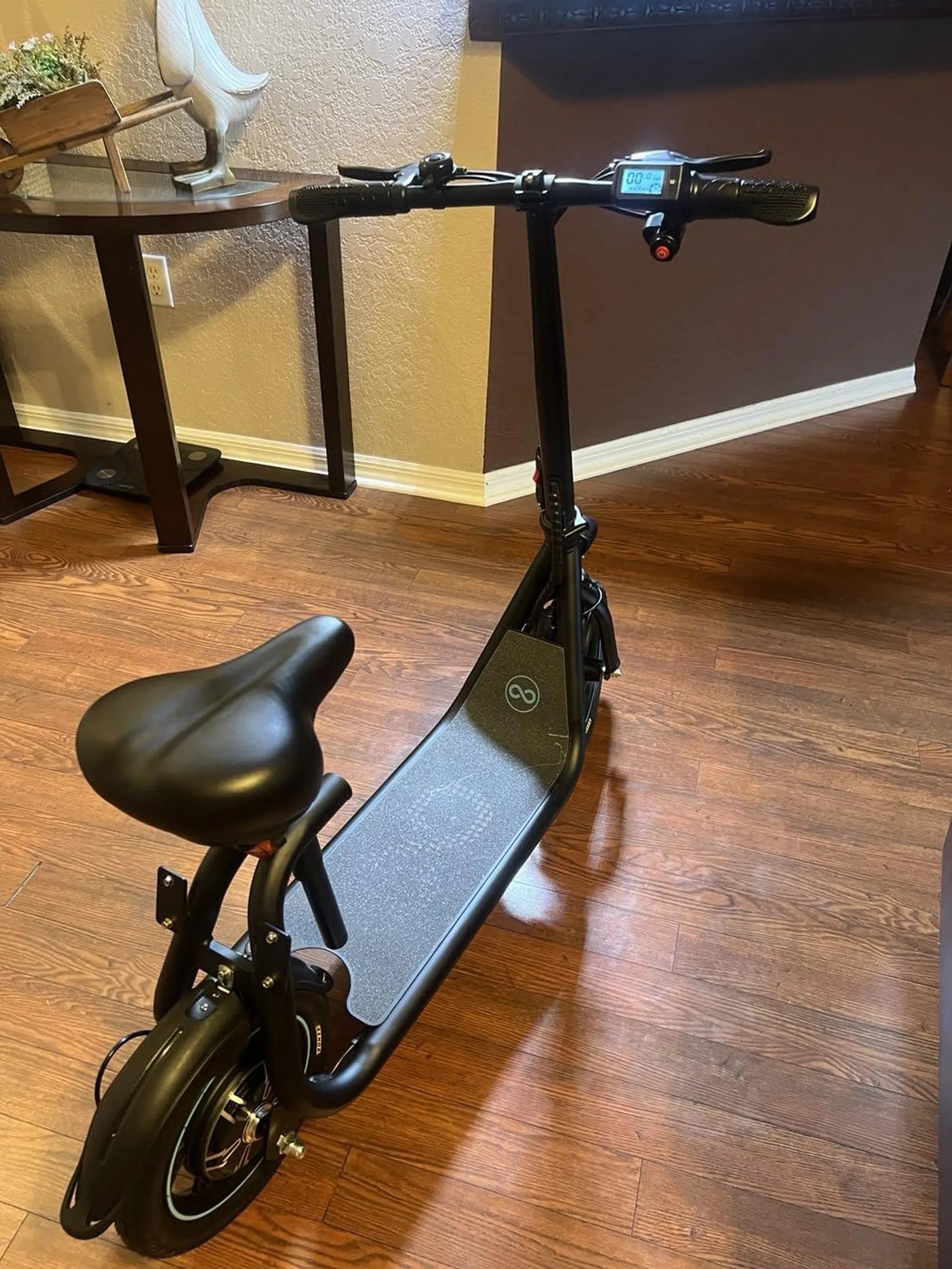
Imagine cruising up steep hills with ease, gliding through traffic without breaking a sweat, and extending your cycling range without upgrading to a brand-new electric bike. The good news? You don’t have to ditch your trusty two-wheeler to enjoy these perks. Converting a regular bike to electric is not only possible but also a cost-effective and eco-friendly alternative to buying a pre-built e-bike. Here’s everything you need to know to make the switch.
Why Convert a Regular Bike to Electric?
Converting a standard bicycle into an electric one offers several advantages. For starters, it’s often cheaper than purchasing a new e-bike, especially if you already own a sturdy frame. Additionally, it allows you to retain the familiarity and comfort of your current bike while adding electric assistance. Whether you’re looking to reduce commuting fatigue, tackle hilly terrain, or simply enjoy longer rides, an electric conversion can breathe new life into your old bike.
Key Components for an Electric Bike Conversion
To convert a regular bike to electric, you’ll need a few essential components:
- Motor: The heart of your e-bike conversion. Hub motors (front or rear wheel) and mid-drive motors are the most common options.
- Battery: Powers the motor. Lithium-ion batteries are popular due to their lightweight and long lifespan.
- Controller: Acts as the brain, regulating power flow between the battery and motor.
- Throttle or Pedal Assist System (PAS): Lets you control the motor’s power output, either via a handlebar throttle or by pedaling.
- Display: Shows vital stats like speed, battery level, and assist mode.
Step-by-Step Conversion Process
Converting your bike involves a few straightforward steps:
- Choose a Conversion Kit: Select a kit that matches your bike’s specifications and your riding needs.
- Install the Motor: Attach the motor to the wheel hub or frame, depending on the type.
- Mount the Battery: Secure the battery to the frame, ensuring it’s balanced and doesn’t interfere with pedaling.
- Connect the Controller: Wire the controller to the motor, battery, and throttle/PAS.
- Test the System: Power up the bike and check for smooth operation before hitting the road.
Cost Considerations
The cost of converting a regular bike to electric varies based on the quality of components and the complexity of the installation. Basic kits start around a few hundred dollars, while high-end setups can exceed a thousand. However, even premium conversions are often more affordable than buying a new e-bike with comparable features.
Maintenance and Upkeep
An electric bike conversion requires minimal additional maintenance. Regularly check the battery charge, keep connections clean, and ensure the motor is free of debris. Most components are designed for durability, so with proper care, your converted e-bike can last for years.
Legal and Safety Considerations
Before hitting the road, familiarize yourself with local e-bike regulations. Many regions classify e-bikes based on motor power and speed limits. Always wear a helmet, follow traffic laws, and ensure your conversion meets safety standards to avoid accidents or fines.
Ready to revolutionize your ride? Converting your regular bike to electric is a smart, sustainable way to enjoy the benefits of an e-bike without the hefty price tag. With the right kit and a bit of DIY spirit, you’ll be zipping around town in no time—effortlessly and efficiently.
Electric Bike for 6 Year Old Girl: The Ultimate Guide for Parents
Electric Bike for 6 Year Old Girl: The Ultimate Guide for Parents