

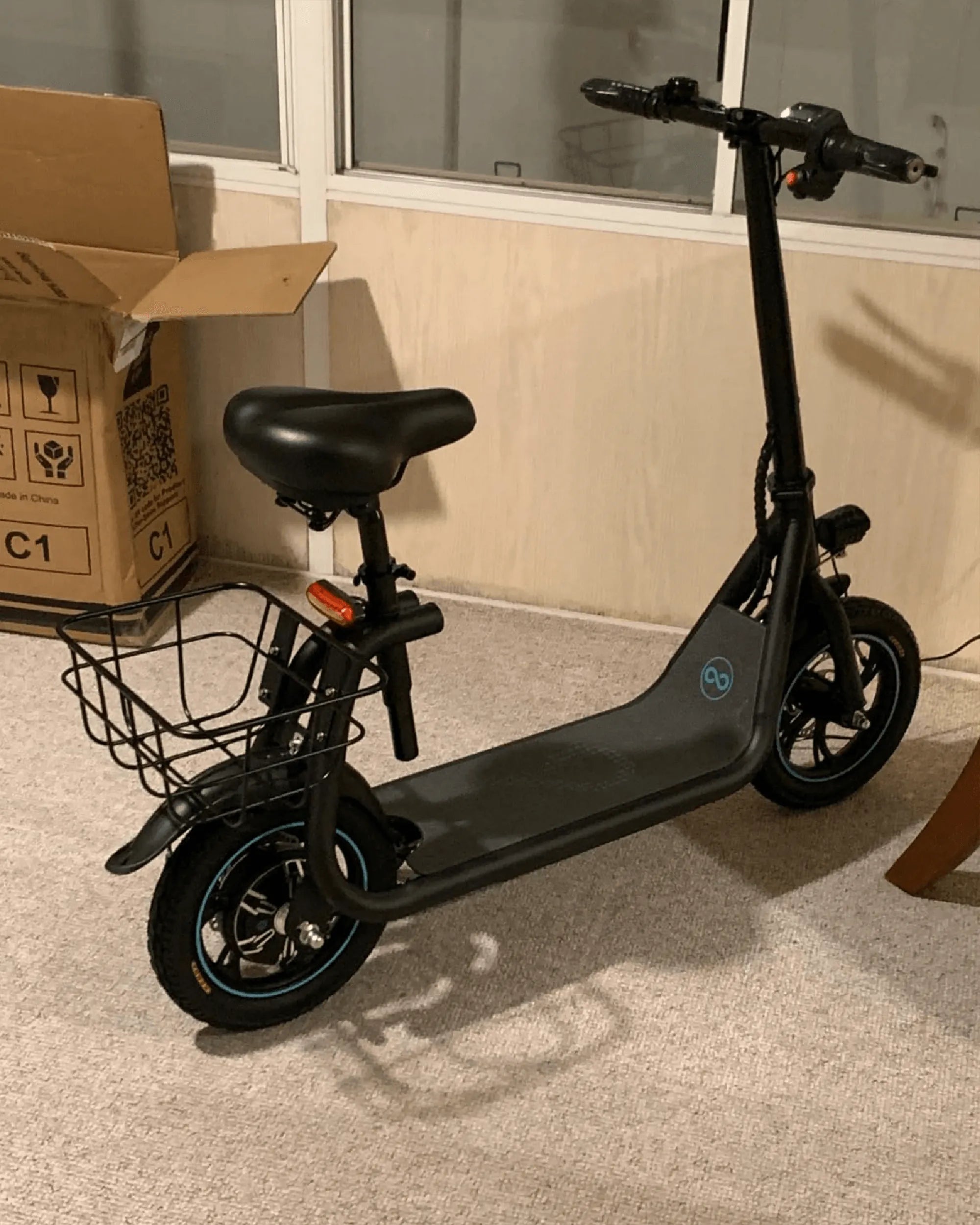
Electric scooters have surged in popularity as a convenient and eco-friendly mode of transportation. But one question looms large for riders and pedestrians alike: can electric scooters be used on pavements? The answer isn’t straightforward, as laws vary by location, and safety concerns persist. Whether you’re a seasoned rider or considering your first scooter, understanding the rules and risks is crucial.
The Legal Landscape of Electric Scooters on Pavements
Laws governing electric scooters differ widely across countries and even cities. In some places, riding an e-scooter on the pavement is strictly prohibited, while others allow it under specific conditions. For example:
- UK: Privately owned e-scooters are illegal on pavements and roads, though rental schemes operate in designated areas.
- USA: Regulations vary by state, with some permitting pavement use and others restricting scooters to bike lanes or roads.
- Australia: Most states ban e-scooters on footpaths, though rules are evolving.
Before riding, always check local laws to avoid fines or confiscation of your scooter.
Safety Concerns for Pedestrians and Riders
Pavements are designed for pedestrians, not vehicles. Electric scooters can reach speeds of 15-25 mph, posing risks to walkers, especially children and the elderly. Common hazards include:
- Collisions: Scooters moving at high speeds can cause serious injuries in accidents.
- Uneven Surfaces: Pavement cracks or potholes may lead to loss of control.
- Limited Space: Narrow footpaths force riders to weave dangerously around pedestrians.
Riders should prioritize safety by slowing down near pedestrians and using bike lanes where available.
Alternatives to Pavement Riding
If pavement riding is restricted in your area, consider these alternatives:
- Bike Lanes: Many cities have dedicated lanes for micromobility devices.
- Quiet Streets: Low-traffic roads can be safer than busy pavements.
- Shared Paths: Some areas permit e-scooters on mixed-use trails.
Advocating for better infrastructure, like wider pavements or scooter lanes, can also improve safety for everyone.
The Future of E-Scooter Regulations
As electric scooters grow in popularity, lawmakers are under pressure to update outdated transportation rules. Potential changes include:
- Speed Limits: Lower maximum speeds for pavement use.
- Designated Zones: Clear markings for where scooters are permitted.
- Education Campaigns: Teaching riders and pedestrians how to share space safely.
Until then, responsible riding and awareness of local laws remain essential.
Electric scooters offer a fun and efficient way to get around, but pavement use comes with legal and safety challenges. By staying informed and considerate, riders can help shape a future where scooters and pedestrians coexist harmoniously. Ready to hit the road? Make sure you know the rules first!
Buy Discount Portable E Scooter: The Ultimate Guide to Affordable and Convenient Commuting
E Scooter Speed: How Fast Can They Go and What You Need to Know