



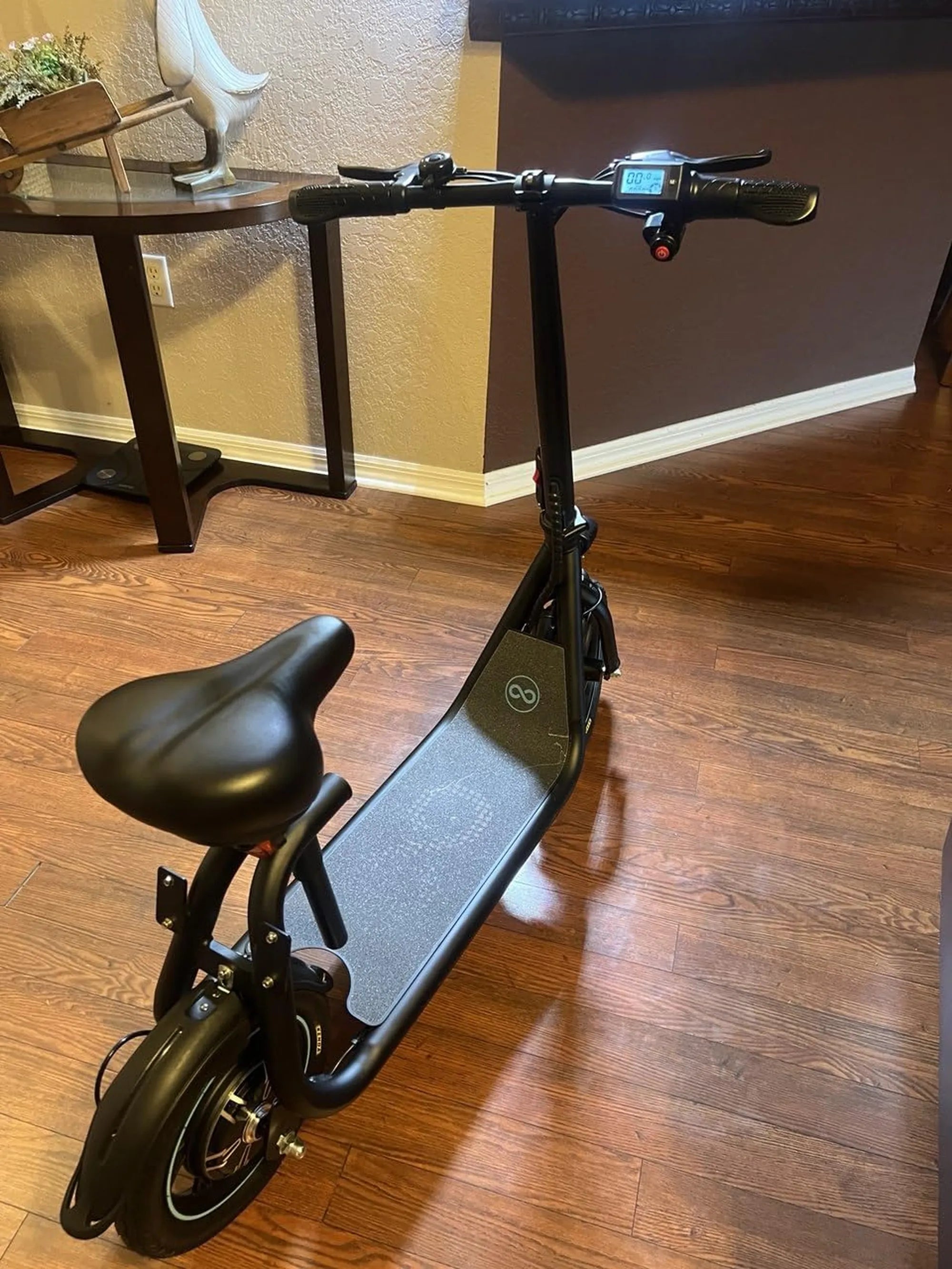
Navigating the Sidewalk Dilemma: A Critical Question for Urban Mobility
You’re cruising on your electric scooter when the bike lane ends abruptly, dumping you onto a busy city street. Your instinct might be to hop onto the seemingly safer sidewalk. But is that legal? Is it safe? The question, "Can electric scooters be used on sidewalk?" is one of the most common and critical issues facing modern urban riders. This isn't just about convenience; it's about safety, legality, and responsible integration into city infrastructure.
This article provides a definitive, data-driven exploration of the rules and risks. We'll dissect the patchwork of local laws, examine the compelling safety arguments against sidewalk riding, and offer practical strategies for navigating cities safely and legally. Understanding these dynamics is essential for anyone who rides, whether you're commuting daily or enjoying weekend recreation.
The answer is rarely simple. It varies not just by country or state, but often by city, district, and even specific street. Furthermore, what is legal is not always safe. We'll separate the legal frameworks from the safety realities, empowering you to make informed decisions. This knowledge protects you, pedestrians, and the broader perception of electric scooter riders as responsible community members.
The Legal Landscape: A Complex Patchwork of Local Ordinances
There is no single, universal law governing where you can ride an electric scooter in the United States or globally. Regulations are hyper-local, typically established at the city or municipal level. State laws sometimes provide a framework, but cities often have the authority to impose stricter rules. Assuming a "default" rule is the first mistake a rider can make.
The legal status of electric scooters themselves is also evolving. Many jurisdictions classify them as "electric personal assistive mobility devices" (EPAMDs) or similar, which can place them in a different category than bicycles or motorcycles. This classification directly influences where they are permitted to operate. The rise of scooter-share programs has accelerated regulatory action, forcing cities to create specific rules.
Ignorance of the law is rarely a valid defense and can lead to fines, confiscation of your scooter, or liability in the event of an accident. Therefore, proactive research is a non-negotiable part of responsible scooter ownership. The core question of can electric scooters be used on sidewalk must be answered for your specific location before you ride.
Common Regulatory Models Across Cities
While local laws differ, they generally fall into three broad categories. Understanding these models helps you anticipate the rules in a new city.
1. Sidewalks Prohibited: This is the most common rule in dense urban centers and major metropolitan areas. Cities like New York City, Chicago, San Francisco, and Washington D.C. explicitly ban electric scooter riding on sidewalks. The primary rationale is pedestrian safety and the preservation of sidewalk space for its intended users. Enforcement can be strict, with fines often exceeding $100.
2. Sidewalks Permitted with Restrictions: Some cities allow sidewalk riding but with significant caveats. Common restrictions include a speed limit (often 8-10 mph), a requirement to yield right-of-way to all pedestrians, and sometimes a prohibition in specific high-pedestrian areas like downtown commercial districts. This model attempts to balance mobility with safety but relies heavily on rider compliance.
3. Unregulated or Locally Determined: In many suburban and rural areas, specific e-scooter laws may not yet exist. In these cases, they may be treated by default similarly to bicycles. However, this gray area is shrinking rapidly as adoption grows. Even in the absence of specific laws, general negligence or reckless endangerment statutes can still apply to a rider causing harm on a sidewalk.
How to Find Your Local Laws: A Step-by-Step Guide
Don't guess. Use these reliable methods to determine the rules in your area.
- City Transportation Department Website: Search for "[Your City Name] electric scooter ordinance" or "micromobility laws." Official government sites (.gov) provide the most authoritative information.
- Scooter-Share Company Rider Agreements: Even if you own a personal scooter, companies like Bird or Lime must comply with local laws. Their in-app safety tips and user agreements often summarize key local regulations, including sidewalk prohibitions.
- Local Police Non-Emergency Line: A call to the local police department's non-emergency number can provide clarity. Ask specifically about the legality of riding privately-owned electric scooters on sidewalks and roadways.
- State Vehicle Code: Review your state's vehicle code for definitions of "electric scooter" or "EPAMD." This will tell you the foundational classification, though city rules may override it.
The Safety Debate: Why Sidewalks Are a High-Risk Zone
Legality is one issue; safety is another. Even in jurisdictions where sidewalk riding is technically permitted, transportation safety experts and advocacy groups overwhelmingly discourage it. The fundamental conflict arises from mixing a vehicle capable of 15-20 mph speeds with an environment designed for walking at 3-4 mph.
This speed differential creates unpredictable and dangerous interactions. Sidewalks are designed for low-speed, high-interaction travel, with frequent entry and exit points from buildings, crosswalks, and driveways. Introducing a faster, silent vehicle into this space significantly increases the risk of conflict for everyone involved.
Riding on the sidewalk can also create a false sense of security for the rider. While it feels safer than being near cars, it introduces a different set of severe hazards. Responsible brands and rider education programs consistently emphasize that sidewalks should be a last resort, not a primary pathway.
Risk to Pedestrians: Vulnerability and Accessibility
Pedestrians are the most vulnerable users in any collision. The risks posed by sidewalk scooter riding are substantial.
- Collision Risk: A scooter moving at 15 mph has vastly more kinetic energy than a pedestrian. A collision can cause serious injuries, particularly to children, the elderly, or individuals with mobility challenges.
- Startle and Intimidation: The silent or near-silent approach of an electric scooter can startle pedestrians, potentially causing them to trip or fall, even without direct contact. This creates an environment of discomfort and intimidation.
- Accessibility Blockages: Sidewalks are critical infrastructure for people using wheelchairs, walkers, or guide dogs. A scooter zipping by or, worse, parked across the sidewalk, can completely block access, violating the Americans with Disabilities Act (ADA).
- Unpredictable Interactions: Pedestrians change direction suddenly, children dart out, and dogs are on leashes. A scooter rider on a sidewalk must be prepared to stop instantly, which isn't always possible at higher speeds.
Risk to the Rider: Hidden Dangers on the Pavement
Riders face significant dangers on sidewalks that are often less obvious than traffic threats.
- Driveway and Alley Conflicts: This is the single greatest danger. Cars exiting driveways or alleys are looking for slow-moving pedestrians, not vehicles traveling at scooter speeds. The rider is often in the driver's blind spot, leading to right-of-way conflicts and collisions.
- Surface Hazards: Sidewalks are not maintained for vehicle traffic. Uneven slabs, cracks, potholes, and gaps can easily catch a scooter's small wheels, causing a crash. These hazards are far more dangerous at scooter speeds than walking speeds.
- Visual Obstructions: Landscaping, signs, and parked furniture can obscure a rider's view of intersecting paths and driveways, while also hiding the rider from motorists.
- Door Zones: In commercial areas, exiting customers can open doors directly into the path of a sidewalk rider, creating a severe collision risk.
Responsible Riding: Best Practices for Urban Navigation
Safe and lawful riding requires a strategy that prioritizes infrastructure designed for vehicular movement and emphasizes defensive riding techniques. The goal is to integrate smoothly and predictably with other traffic, not to seek refuge in pedestrian spaces.
Choosing a reliable scooter is the first step in responsible riding. A stable, well-built scooter with responsive brakes and appropriate tires is essential for navigating streets safely. Brands like Gyroor design their scooters with these real-world demands in mind, featuring durable construction, UL-certified batteries for safety, and IPX5 water resistance to handle wet pavement conditions.
Your mindset is just as important as your equipment. Adopt the attitude of a vehicle operator, not a pedestrian on wheels. This means obeying all traffic signals, signaling your intentions, and maintaining situational awareness at all times. The core question shouldn't be "can electric scooters be used on sidewalk," but rather "where is the safest, most legal route for my journey?"
When the Sidewalk Might Be the Only Option
There are rare, short-duration scenarios where using a sidewalk may be necessary due to unsafe road conditions. If you must, follow these strict protocols.
- Walk Your Scooter: The safest method is to simply dismount and walk your scooter on the sidewalk until you reach a safe riding area. This eliminates all riding risk.
- If You Must Ride, Go Extremely Slow: Limit your speed to a brisk walking pace (under 5 mph). Be prepared to stop within 1-2 feet.
- Yield 100% to Pedestrians: Pedestrians have absolute right-of-way. Stop, dismount if necessary, and let them pass. Announce yourself politely with a bell or voice from a distance, never from directly behind.
- Use Only for Short Distances: Use the sidewalk only as a temporary bridge to the next safe roadway or bike lane, never as a thoroughfare.
Superior Alternatives to Sidewalks: Where You Should Ride
These alternatives are generally safer and more legally appropriate for electric scooter travel.
| Route Type | Safety Level | Legal Status (Typical) | Rider Action Required |
|---|---|---|---|
| Protected Bike Lane | Very High | Explicitly Permitted | Ride with traffic flow, obey signals. |
| Standard Bike Lane | High | Explicitly Permitted | Stay in lane, watch for car doors & turning traffic. |
| Low-Traffic Residential Street | Moderate to High | Typically Permitted | Ride in the street, follow traffic laws, be visible. |
| Multi-Use Path (MUP) | Moderate | Often Permitted (check speed limits) | Reduce speed, yield to pedestrians & cyclists. |
| Sidewalk | Low | Often Prohibited or Restricted | Dismount and walk, or ride at walking speed only. |
Protected Bike Lanes are the gold standard, offering physical separation from motor vehicle traffic. Standard Bike Lanes are the next best option. When using them, ride in the center of the lane to avoid debris and the "door zone" of parked cars. On residential streets, "taking the lane" (riding in the center) is often safer than hugging the curb, as it makes you more visible and prevents cars from trying to unsafely squeeze past you.
Essential Gear for Safe Street Riding
Riding in the road or bike lane requires proper equipment to manage the inherent risks. Your scooter is part of this gear.
- A High-Quality Helmet: This is non-negotiable. A properly certified bicycle or multi-impact helmet can prevent traumatic brain injury. It should be worn every single time you ride.
- Front and Rear Lights: Even during the day, running lights increase visibility. For night riding, bright, steady and/or flashing lights are essential. Gyroor models often feature integrated, bright LED lighting systems.
- Reflective Clothing or Accessories: Reflective vests, ankle bands, or stickers on your helmet and scooter make you conspicuous to drivers.
- Audible Signal: A bell or horn is crucial for alerting pedestrians on shared paths and for communicating with drivers in certain situations.
- Sturdy Footwear: Wear closed-toe shoes with good grip for stability when braking and maneuvering.
Gyroor's Commitment to Safe and Compliant Riding
At Gyroor, we believe that safety is the foundation of fun and freedom. Our product design philosophy and customer support are built around empowering riders to navigate their cities confidently and responsibly, within the bounds of the law. We don't just sell scooters; we advocate for a culture of informed and safe ridership.
With over 100,000 riders across North America and Europe trusting our products, we understand the real-world challenges of urban mobility. Our average 4.5/5 customer rating reflects our commitment to reliability, which is the first component of safety. A scooter that performs predictably is a safer scooter.
We actively educate our community through guides and resources that address key questions like can electric scooters be used on sidewalk, because an informed rider is a safe rider. Our goal is to ensure that every journey, whether a daily commute or a weekend adventure, ends safely.
Built for the Real World: Engineering for Road and Bike Lane Stability
Gyroor scooters are engineered for the environments where they are meant to be ridden: roads, bike lanes, and multi-use paths. Key features directly support safe, legal operation.
- UL-Certified Battery Packs: Safety starts with the battery. Our UL-certified cells undergo rigorous testing for over 500 charge cycles, ensuring stability and reducing fire risk—a critical feature when riding in public spaces.
- IPX5 Water-Resistant Design: Weather is unpredictable. IPX5 rating means your scooter can handle wet roads and light rain, allowing for stable braking and control on damp pavement without failure.
- Robust Frame and Suspension: Durable aluminum alloy frames and often front or dual suspension systems absorb shocks from road imperfections, maintaining tire contact and rider control—essential for navigating streets, not just smooth sidewalks.
- Responsive Braking Systems: Combination electronic and disc braking provides reliable stopping power in various conditions, a necessity for interacting with vehicle traffic.
Warranty and Support for the Informed Rider
Our commitment extends beyond the point of sale. The Gyroor 1-year comprehensive warranty and accessible, US-based customer support provide a safety net for our riders. This allows you to focus on the ride itself, knowing your equipment is backed by a trusted brand.
We encourage riders to use our support team as a resource for maintenance advice that keeps scooters in safe operating condition, from tire pressure checks to brake pad inspections. Proper maintenance is a key pillar of safe riding that is often overlooked.
Frequently Asked Questions (FAQ)
Q: Are electric scooters allowed on sidewalks in Los Angeles or Miami?
A: In Los Angeles, electric scooters are prohibited on sidewalks. Riders must use bike lanes or streets with speed limits under 35 mph. In Miami, the rules can be complex and vary by zone, but sidewalk riding is generally discouraged and often prohibited in business districts. Always verify with the specific city's latest ordinances.
Q: What's the typical fine for riding an e-scooter on a prohibited sidewalk?
A: Fines vary dramatically. In cities like New York and San Francisco, fines can range from $100 to $250 for a first offense. Other municipalities may issue warnings or lower fines around $50. Repeated offenses often carry steeper penalties.
Q: Is it safer to ride on the road or the sidewalk?
A: For a competent rider following traffic laws, riding in the road (or preferably a bike lane) is generally safer. While intimidating, vehicle traffic is more predictable than sidewalk hazards like driveways and pedestrians. On the road, you are visible and follow predictable patterns. On the sidewalk, you are a surprise hazard at intersections and driveways.
Q: Do the same rules apply to rental scooters and privately-owned ones?
A: Yes, local traffic laws apply to all riders regardless of scooter ownership. Rental companies geo-fence their scooters to slow down or disable them in no-ride zones (like sidewalks), but as a private owner, you are solely responsible for knowing and obeying the law.
Q: What should I do if there is no bike lane and the road feels too dangerous?
A: First, seek an alternative parallel route on a calmer street. If unavoidable, you have two responsible choices: 1) "Take the Lane" on the road, riding confidently in the center to be visible, signaling your intentions, and obeying all lights/signs. Or, 2) Dismount and walk your scooter on the sidewalk until the road conditions improve. Do not ride at speed on the sidewalk.
Riding Smart is the Foundation of Riding Right
The urban landscape is evolving, and electric scooters are a vibrant part of the solution to congestion and pollution. With this opportunity comes responsibility. The question of can electric scooters be used on sidewalk is answered by a combination of local law and universal safety principles: often illegal, and rarely safe.
The path forward is clear. Prioritize bike lanes and calm streets as your primary routes. Invest in a well-built scooter designed for street stability, like those from Gyroor, which combine UL-certified safety, water resistance, and durable construction. Never compromise on a helmet and visibility gear. Most importantly, be an ambassador for responsible riding—your behavior shapes public perception and policy.
Embrace the freedom of electric scootering, but anchor it in knowledge and caution. Check your local laws today, plan your routes around safe infrastructure, and gear up properly every time. The journey is meant to be exhilarating, not hazardous. Start your next adventure on the right path.
Ready to ride with confidence? Explore the full range of Gyroor electric scooters and e-bikes, engineered for safety, performance, and real-world reliability. Browse the full Gyroor collection at gyroorboard.com and join over 100,000 riders who choose a trusted brand for their journey.
Are Electric Scooters Legal in Japan? A Complete Guide to Rules & Regulations
Can You Take Electric Scooters on the Train? The Complete Commuter's Guide