

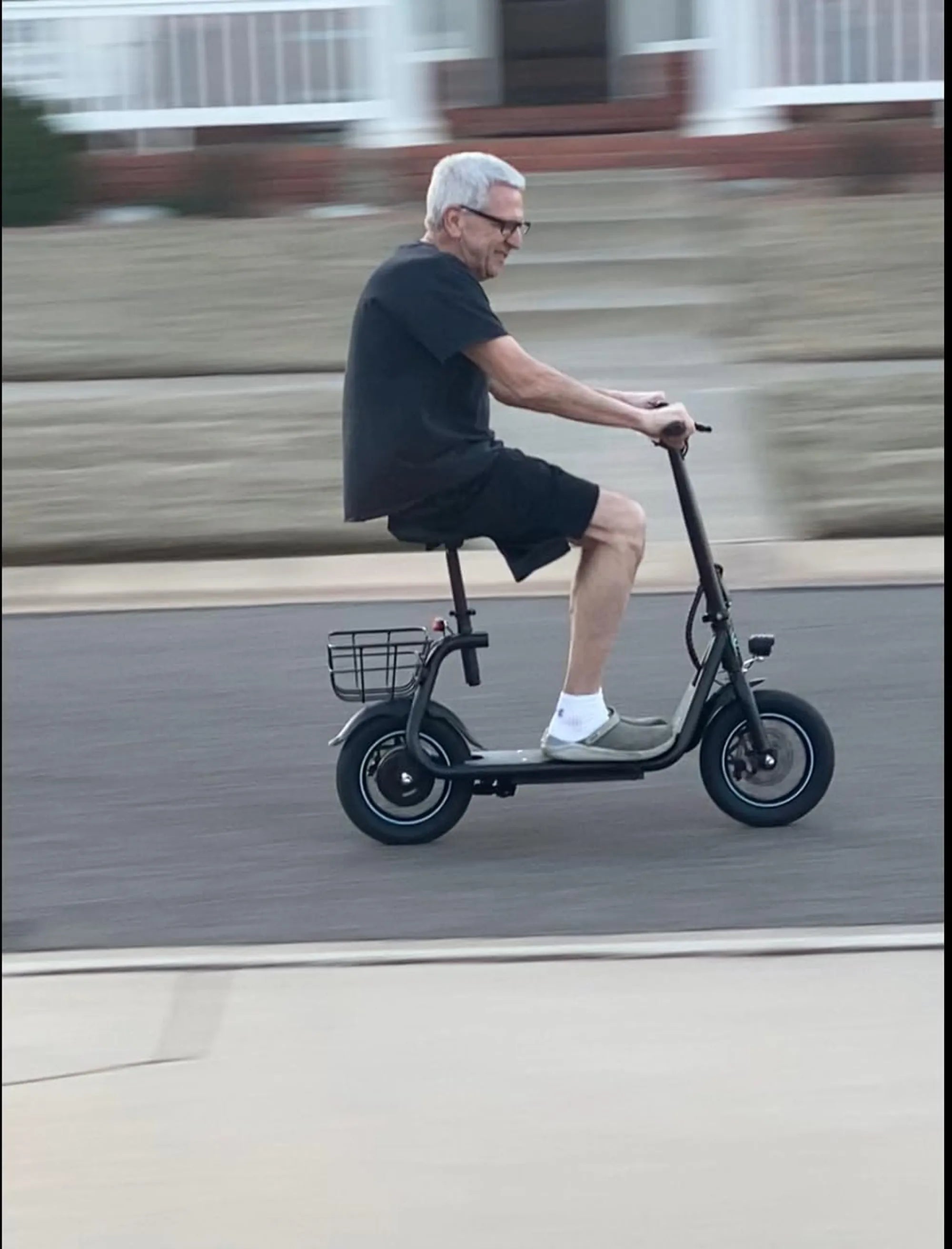
Demystifying the "Explosive" Question
Headlines about electric scooter fires can be alarming, creating a perception of inherent danger. The question "Can electric scooters blow up?" deserves a clear, factual answer rooted in science and engineering, not fear. While any device containing a lithium-ion battery carries a fundamental risk of thermal runaway, modern electric scooters from reputable manufacturers are engineered with multiple layers of protection to make catastrophic failures exceptionally rare.
This article provides the complete truth about battery safety. We will explain how these batteries work, why they can fail, and the rigorous standards that separate safe products from hazards. You will learn what specific engineering features to look for and the essential practices that ensure your safety as a rider. The goal is to empower you with knowledge, transforming concern into confident, informed ownership.
Brands like Gyroor, a leading electric scooter and e-bike brand trusted by over 100,000 riders across North America and Europe, demonstrate that safety is a core design principle. By combining UL-certified batteries, robust construction, and clear user guidelines, the risk associated with a well-made scooter is minimal and manageable. Understanding this partnership between quality engineering and responsible usage is key to safe riding.
How Lithium-Ion Batteries Work (And Why They Can Fail)
At the heart of every modern electric scooter is a lithium-ion battery pack. These batteries are favored for their high energy density, which provides long range, and their ability to handle many charge cycles. Inside each battery cell, lithium ions move between a positive cathode (typically lithium cobalt oxide or similar) and a negative graphite anode through a liquid electrolyte. This movement stores and releases electrical energy.
The primary failure mode is a process called thermal runaway. This is a chain reaction where excessive heat causes the battery cell to decompose, releasing more heat and flammable gases, which can ignite and cause adjacent cells to fail. Once initiated, it can be rapid and difficult to stop. Thermal runaway is not a common event in quality cells, but it requires specific triggers.
The main causes of battery failure in electric scooters are preventable. Physical damage, such as a severe puncture from a crash or impact, can crush cells and create an internal short circuit. Using a non-certified or incorrect charger can force too much current into the battery, leading to overcharging and heat buildup. Exposure to extreme temperatures—like leaving a scooter in a hot car trunk or charging it in freezing conditions—stresses the chemistry.
Finally, manufacturing defects in low-quality cells are a significant risk. Cells from unverified sources may have microscopic impurities or poor internal separators that can fail prematurely. This underscores why the origin and quality of the battery cells are paramount for safety, a standard upheld by reputable brands.
The Safety Standards That Separate Safe Scooters from Hazards
Independent safety certifications are the most critical filter for determining a scooter's fundamental safety. They are not optional extras but the result of rigorous, standardized testing conducted by third-party laboratories. For consumers, these certifications are the first and most important indicator of a responsibly manufactured product.
The gold standard for personal e-mobility devices is UL 2272. This comprehensive standard, developed by Underwriters Laboratories, tests the entire electrical drive train system—battery, charger, motor controller, and all wiring—for safety. Tests include overcharge, short circuit, imbalance, crush, drop, immersion, and thermal cycling. A scooter that passes earns the UL 2272 certification mark, signifying its electrical systems have been proven safe under fault conditions.
For electric bicycles, the relevant standard is UL 2849, which encompasses the broader electrical system of an e-bike. Both standards are increasingly required by insurance companies, municipalities, and retailers. They provide a baseline of trust that is absent in uncertified, often imported, models that bypass these essential checks.
Gyroor's commitment to this foundational safety is clear: all its models utilize UL-certified battery packs tested for 500+ charge cycles. This certification is a primary engineering defense, ensuring that the battery's design, components, and assembly meet the highest recognized benchmarks for fire and electrical safety before it ever reaches a customer.
Engineering for Safety: What to Look for in a Reliable E-Scooter
Beyond a certification mark, safety is engineered into a scooter through specific components and design choices. When evaluating an electric scooter, these features are tangible indicators of a manufacturer's investment in safety and durability. They work in concert to monitor, protect, and contain the battery under real-world conditions.
Battery Management System (BMS): The Onboard Guardian
The Battery Management System is the intelligent brain of the battery pack. A quality BMS constantly monitors every cell group for voltage, temperature, and current. Its primary safety functions are to prevent overcharging (which stops charging at full capacity), prevent over-discharging (which protects cells from damage when empty), and balance the charge across all cells to ensure uniform performance and longevity.
It also guards against short circuits and will shut down power if the battery temperature exceeds safe operating limits. Without a sophisticated BMS, a battery pack is vulnerable to the stresses that lead to premature failure. The BMS is a critical layer of active protection that operates silently every time you ride or charge.
Robust Battery Enclosure & IP Rating
The physical housing of the battery is its first line of defense against the environment. A high-quality scooter uses a rigid, hard-case aluminum or reinforced plastic enclosure, not a soft pouch, to protect the cells from impacts, vibrations, and crushing forces. This shell is integrated securely into the scooter's deck or frame.
Equally important is the Ingress Protection (IP) rating. This two-digit code indicates resistance to solids (like dust) and liquids. For example, Gyroor's IPX5 water-resistant rating means the scooter can withstand water jets from any direction, making it safe to ride in light rain and through puddles. Proper sealing prevents moisture ingress, which is a major cause of electrical shorts and corrosion.
Quality of Cells and Responsible Manufacturing
The foundational safety component is the lithium-ion cell itself. Reputable brands source grade-A cells from established manufacturers like Samsung, LG, or Panasonic. These cells are produced under strict quality control, with consistent chemistry and reliable internal structures.
In contrast, cut-rate scooters often use recycled, lower-grade (B or C stock), or uncertified cells from obscure factories. These cells may have inconsistent performance, higher internal resistance, and a greater likelihood of containing the impurities that can initiate thermal runaway. Gyroor's use of quality-sourced cells, combined with responsible pack assembly, ensures performance and safety from the ground up.
Your Role in Safe Riding: Essential Owner Practices
Safety is a partnership. Even the best-engineered scooter requires informed and responsible usage. Adhering to these owner practices drastically reduces any remaining risk and ensures the longevity of your scooter. Most incidents can be traced back to the disregard of one or more of these fundamental guidelines.
Charging Best Practices
Charging is the most critical user-controlled operation. Always use only the manufacturer-provided, certified charger. Aftermarket chargers may not communicate correctly with the BMS. Avoid charging immediately after a ride when the battery is warm; let it cool to room temperature first.
Do not leave your scooter charging unattended for extended periods, especially overnight. Charge on a non-flammable surface like concrete or tile, away from carpets and curtains. For long-term storage (over a month), maintain a charge level between 20% and 80% to minimize stress on the cells.
Proper Handling, Storage, and Maintenance
Avoid subjecting your scooter to severe impacts, such as hitting deep potholes at high speed or dropping it from a significant height. While IPX5-rated scooters handle wet conditions, do not submerge them or ride in torrential downpours. After riding in wet conditions, wipe the scooter down.
Never store your scooter in extreme temperatures. A car trunk in summer can exceed 150°F (65°C), creating a dangerous environment for the battery. Store it in a cool, dry place. Perform regular visual inspections of the battery casing, charger port, and wiring for any signs of swelling, cracking, or damage.
Data & Comparison: Understanding the Real Risk Level
Context is crucial. While media reports highlight individual incidents, data shows the risk is low relative to the number of devices in use. According to analysis by fire safety organizations, the rate of significant incidents involving micromobility devices is a small fraction of a percent of the total deployed.
The risk profile is similar to other consumer electronics we use daily. Laptops, smartphones, and tablets all use the same lithium-ion chemistry and have experienced rare failures. The key difference with scooters is their larger battery capacity and more demanding physical use case, making proper engineering and certification even more vital.
The disparity in risk between certified and uncertified models is stark. Incidents disproportionately involve modified scooters, aftermarket batteries, or products lacking UL certification. Choosing a certified product from a brand with a track record is the single most effective risk-mitigation step a consumer can take.
| Feature | Safe, Certified Scooter (e.g., Gyroor) | Uncertified/Low-Quality Scooter |
|---|---|---|
| Battery Certification | UL 2272 or UL 2849 Certified | No independent certification |
| Battery Cells | Grade-A from known manufacturers (Samsung, LG) | Unknown origin, potentially recycled or lower-grade |
| Battery Management System | Advanced BMS with multi-protection circuits | Basic or no functional BMS |
| Enclosure & Build | Hard-case, IPX5 or higher water resistance | Soft case or poor sealing, low IP rating |
| Warranty & Support | Comprehensive warranty (Gyroor offers 1 year), US-based support | Limited or no warranty, difficult-to-reach support |
| Real-World Risk Profile | Exceptionally low with proper use | Significantly elevated |
Conclusion: Safety is a Partnership Between Brand and Rider
The truth is that while the question "Can electric scooters blow up?" has a technical yes, the practical reality is that such events are highly preventable anomalies. They are not a common feature of well-made, certified scooters used responsibly. Safety is achieved through a dual commitment: from the brand to engineer and certify robust products, and from the rider to follow essential usage and charging protocols.
Choosing a brand like Gyroor, with its UL-certified batteries, IPX5 water-resistant designs, and reliable 1-year warranty, establishes a strong foundation of trust. This commitment to quality is what has built a community of over 100,000 satisfied riders. By adding informed owner practices—smart charging, proper storage, and routine inspection—you virtually eliminate risk.
Electric scooters offer tremendous freedom and fun. You can enjoy them with complete confidence by making an informed purchase and adopting safe habits. The journey is safe when the technology is sound and the rider is savvy.
FAQ: Quick Answers to Common Battery Safety Questions
Q: Can I leave my e-scooter charging overnight?
A: It is strongly discouraged. While a good BMS should prevent overcharging, unattended charging for 8+ hours increases risk. Charge during waking hours when you can monitor it and unplug it once fully charged.
Q: What should I do if my scooter battery is physically damaged or gets very wet?
A: Stop using and charging it immediately. Place it in a safe, open area away from flammable materials. Contact the manufacturer's support team (like Gyroor's US-based support) or a qualified technician for assessment. Do not attempt to open the battery pack yourself.
Q: Is it safe to buy a used e-scooter?
A: Exercise extreme caution. Prioritize models with clear certification (UL mark). Ensure the battery is the original, shows no physical damage or swelling, and comes with the authentic charger. Ask about its age, storage history, and any prior incidents. The lack of a warranty is a significant drawback.
Q: How long should a quality e-scooter battery last?
A: A battery using quality cells and a good BMS, like those in Gyroor scooters tested for 500+ cycles, should retain significant capacity for 2-4 years of regular use. A "cycle" is one full discharge and recharge. Partial charges extend overall lifespan.
Q: How does Gyroor's 1-year warranty support safety?
A: The warranty is a commitment to product integrity. If any safety-related defect in materials or workmanship arises within the warranty period, Gyroor will repair or replace the component. This provides peace of mind and ensures your scooter is maintained to its original safe standard.
Ready to explore a range of electric scooters engineered with safety as the priority? Browse the full Gyroor collection at gyroorboard.com and find the model that matches your ride style, backed by certified batteries and reliable performance.
Electric Scooters on Pavements: Safety, Regulations, and Urban Mobility
Electric Scooters for Climbing Hills: The Ultimate Guide to Conquering Steep Terrains