



Can Hoverboards Go in Snow? Here's What You Need to Know
Hoverboards have become a popular mode of personal transportation, but many riders wonder if these sleek devices can handle snowy terrain. The answer isn't straightforward—while some hoverboards may technically operate in light snow, several factors make winter riding risky. Let's dive into the details to help you decide whether taking your hoverboard out in the snow is a good idea.
How Snow Affects Hoverboard Performance
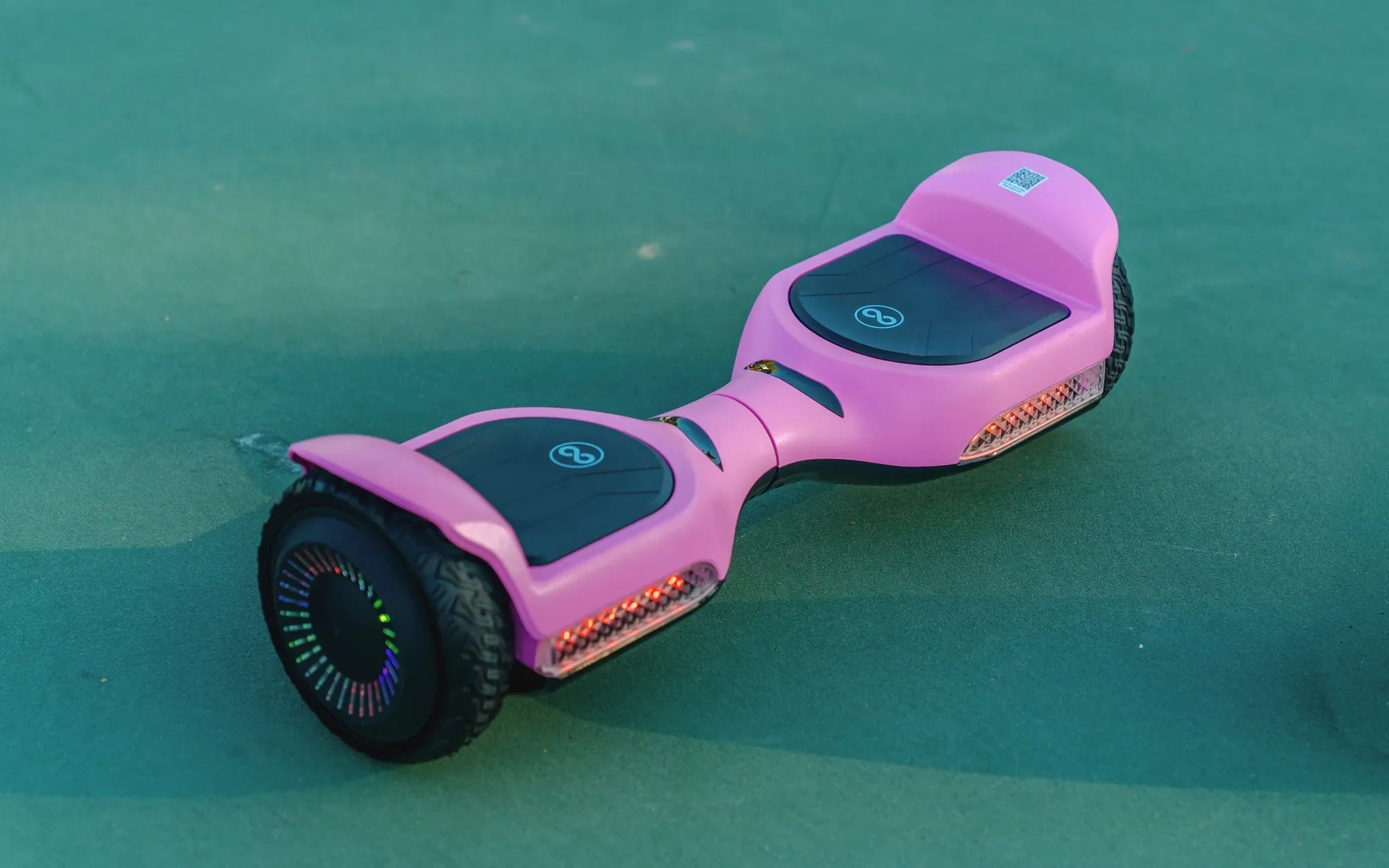
Snow presents unique challenges for hoverboards due to their design and mechanics. The wheels, which are typically small and lack deep treads, struggle to maintain traction on slippery surfaces. Wet snow can seep into the electrical components, potentially causing short circuits or permanent damage. Additionally, cold temperatures drain batteries faster, reducing your ride time significantly.
Most standard hoverboards aren't waterproof or weather-resistant enough for snowy conditions. The moisture from melting snow can corrode internal parts over time, leading to expensive repairs. Even if your device continues to function after exposure to snow, the long-term effects might not be immediately visible.
Safety Concerns When Riding in Snow
Attempting to ride a hoverboard in snow increases your risk of accidents exponentially. The smooth plastic footpads become slippery when wet, making it harder to maintain balance. Uneven snow cover can hide obstacles like ice patches or rocks that could send you tumbling. The reduced traction also means sudden stops or turns become nearly impossible to execute safely.
Visibility is another concern—snowfall or blowing snow can obscure your vision, making it difficult to see potential hazards. If you must ride in snowy conditions, always wear protective gear including a helmet, knee pads, and wrist guards. Consider sticking to cleared pathways rather than venturing into deep snow where your hoverboard might get stuck.
Alternative Options for Winter Riding
If you're determined to use personal electric transportation during winter months, consider alternatives better suited for snow. Some all-terrain models with larger, treaded tires handle light snow better than standard hoverboards. However, these still have limitations in extreme winter conditions.
For those living in areas with heavy snowfall, it might be wiser to store your hoverboard during winter months and use it when conditions improve. Proper winter storage in a dry, temperature-controlled environment will help preserve your device's battery life and prevent moisture damage.
Maintenance Tips After Snow Exposure
If your hoverboard does encounter snow, immediate care is crucial. Wipe down the entire device with a dry cloth, paying special attention to wheel wells and charging ports. Allow it to dry completely indoors before attempting to charge or use it again. Check for any unusual sounds or performance issues that might indicate water damage.
Regular maintenance becomes even more important if you frequently ride in damp conditions. Consider applying a water-resistant silicone spray to vulnerable areas (following manufacturer guidelines), though this won't make your hoverboard waterproof. Store your device in a dry place and avoid charging it until you're certain all components are completely dry.
The Verdict on Snowy Hoverboard Adventures
While the idea of gliding across fresh snow might seem appealing, most hoverboards simply aren't designed for winter weather. The risks to both your safety and your device's functionality outweigh any potential benefits. For those determined to try, proceed with extreme caution, stick to light snow conditions, and be prepared for reduced performance. Your hoverboard will thank you for waiting until spring!
Fastest Hoverboards: The Ultimate Guide to Speed and Performance
5 Facts About Hoverboards You Probably Didn't Know