



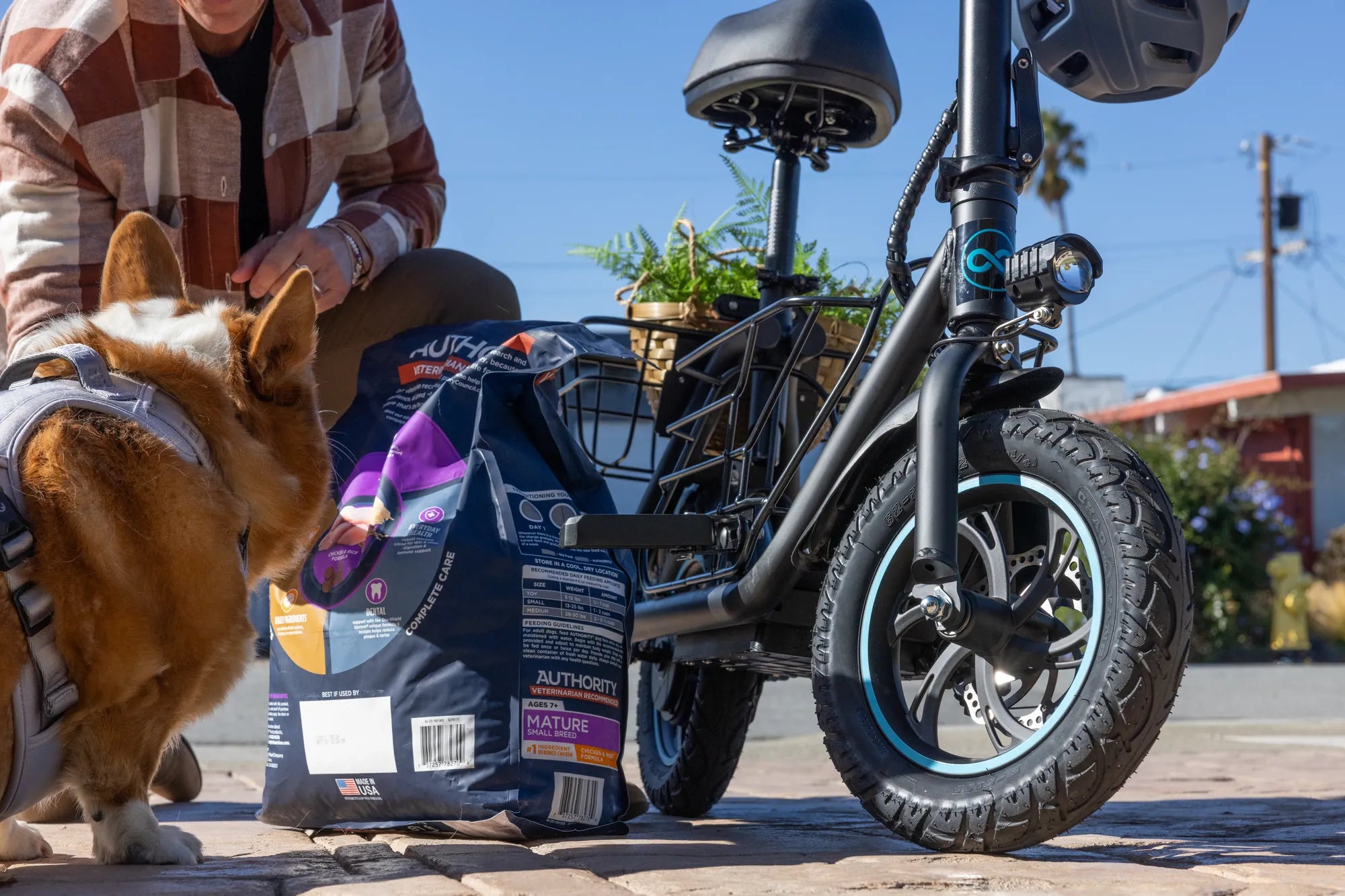
Have you ever looked at your trusty bicycle and wondered, Can I convert my bike to electric? With soaring gas prices and growing environmental awareness, more cyclists are exploring the world of e-bikes. The good news? Converting your existing bike into an electric powerhouse is not only possible but can be surprisingly affordable and rewarding.
The Rising Popularity of E-Bike Conversions
The electric bike revolution is sweeping across cities worldwide, and for good reason. E-bikes offer the perfect blend of pedal power and electric assist, making commuting easier, hills less daunting, and long rides more enjoyable. While you could buy a brand-new electric bicycle, converting your current bike offers several advantages:
- Cost savings compared to purchasing a new e-bike
- The ability to keep using a bike you already love
- Customization options to suit your specific needs
- Sustainability by extending your bike's lifespan
Understanding E-Bike Conversion Kits
At the heart of every successful conversion is the right kit. These typically include a motor, battery, controller, and all necessary mounting hardware. There are three main types of conversion systems:
Front Hub Motor Kits
These systems replace your front wheel with a motorized one. Installation is relatively simple, but they can affect steering balance, especially on slippery surfaces.
Rear Hub Motor Kits
Similar to front hub systems but mounted on the rear wheel. These provide better traction and a more natural riding feel but may require more complex installation.
Mid-Drive Systems
These powerful motors mount at the bike's bottom bracket and drive through the chain. They offer excellent weight distribution and hill-climbing ability but are typically more expensive.
Key Considerations Before Converting
Before diving into your conversion project, ask yourself these important questions:
Is Your Bike Suitable?
Not all bikes make good candidates for conversion. Your frame should be sturdy enough to handle the additional weight and torque. Steel or aluminum frames generally work best. Check your bike's:
- Frame strength and condition
- Wheel size compatibility with motor kits
- Braking system (consider upgrading to disc brakes)
- Weight capacity with added components
What's Your Budget?
Conversion costs can range from a few hundred to over a thousand dollars depending on:
- Motor power and type
- Battery capacity and quality
- Additional accessories (display, throttle, etc.)
- Professional installation if you're not DIY-inclined
The Conversion Process Step-by-Step
While specific steps vary by kit, here's a general overview of what to expect:
1. Remove Existing Components
Depending on your kit, you may need to remove:
- Your front or rear wheel (for hub motors)
- Bottom bracket (for mid-drive systems)
- Chain and cassette in some cases
2. Install the Motor
Follow manufacturer instructions carefully for:
- Hub motor wheel installation
- Mid-drive bracket mounting
- Torque arm attachment for safety
3. Mount the Battery
Choose a secure location that:
- Maintains good weight distribution
- Doesn't interfere with pedaling
- Is protected from weather and impacts
4. Connect the Electronics
This includes:
- Controller wiring
- Throttle or pedal assist sensor
- Display unit if included
Legal and Safety Considerations
Before hitting the road with your newly converted e-bike, be aware of:
Local E-Bike Regulations
Laws vary by location but often address:
- Maximum motor power (typically 250W to 750W)
- Top assisted speed (usually 20-28 mph)
- Whether throttle operation is permitted
- Age restrictions and helmet requirements
Safety Upgrades
Consider enhancing your bike with:
- Upgraded brakes to handle increased speed
- Better tires for improved traction
- Lights and reflectors for visibility
- A horn or bell to alert others
Maintenance Tips for Your Converted E-Bike
Electric components require some special care:
- Regularly check all electrical connections
- Keep the battery charged and stored properly
- Monitor motor temperature during heavy use
- Clean the bike carefully to avoid water damage
- Inspect wiring for wear and damage
The Pros and Cons of DIY Conversion
Weigh these factors before starting your project:
Advantages
- Lower cost than buying new
- Satisfaction of building your own e-bike
- Ability to customize to your preferences
- Can upgrade components over time
Challenges
- Requires mechanical and electrical skills
- Potential compatibility issues
- May void your bike's warranty
- Time investment for research and installation
Converting your bike to electric opens up a world of cycling possibilities without giving up the bike you love. Whether you're looking to conquer hills with ease, extend your commuting range, or simply enjoy a more relaxed ride, an e-bike conversion can be a game-changing project. With the right kit, some mechanical know-how, and a bit of patience, you'll be cruising on your custom electric bike sooner than you think!
Electric Bike for Short Female: The Ultimate Guide to Finding the Perfect Fit
Where to Buy Electric Scooter Charger: A Complete Guide for Riders