


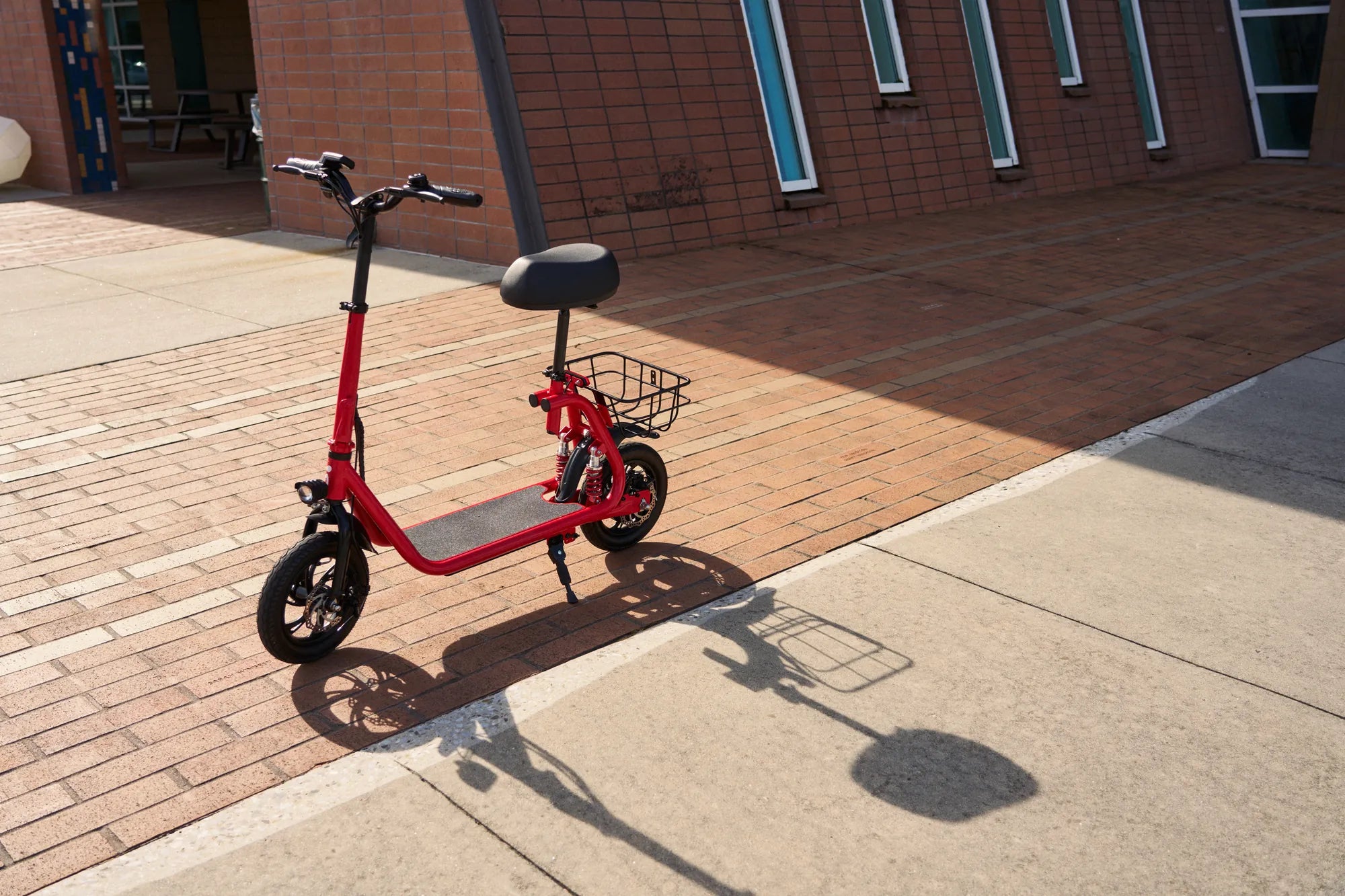
Electric bikes are a fantastic way to commute, explore, and stay active, but what happens when you get caught in the rain or need to ride through puddles? The question "Can my electric bike get wet?" is a common concern for e-bike owners. While modern electric bikes are designed with some level of water resistance, they aren’t entirely waterproof. Understanding the limits of your e-bike’s water resistance and taking precautions can help you avoid costly repairs and keep your ride running smoothly.
How Water-Resistant Are Electric Bikes?
Most electric bikes are built to withstand light rain and splashes, but they aren’t designed to be submerged in water or exposed to heavy downpours for extended periods. The key components that are most vulnerable to water damage include the battery, motor, display, and electrical wiring. Manufacturers often rate e-bikes using an Ingress Protection (IP) code, which indicates their level of protection against dust and water. For example, an IP65 rating means the bike is dust-tight and protected against low-pressure water jets, while an IP67 rating offers temporary immersion protection.
What Happens If Your Electric Bike Gets Wet?
If your electric bike gets wet, the immediate risk depends on the extent of exposure. Light rain or occasional splashes likely won’t cause harm, but prolonged exposure or submersion can lead to electrical shorts, corrosion, or battery damage. Water can seep into connectors, damage the display, or even cause the motor to malfunction. If you frequently ride in wet conditions without proper protection, you may notice reduced performance or even complete failure over time.
Tips to Protect Your Electric Bike from Water Damage
To keep your e-bike safe in wet conditions, follow these practical tips:
- Check the IP Rating: Before purchasing or riding in wet weather, verify your e-bike’s IP rating to understand its water resistance limits.
- Use Protective Covers: If you must park your e-bike outside in the rain, use a waterproof cover to shield the battery and electrical components.
- Avoid Deep Puddles: Riding through deep water can submerge critical parts, increasing the risk of damage.
- Dry Your Bike After Riding: Wipe down your e-bike with a dry cloth after riding in the rain to prevent water from lingering on sensitive areas.
- Store Indoors When Possible: Keeping your e-bike in a dry, sheltered place when not in use will extend its lifespan.
What to Do If Your Electric Bike Gets Soaked
If your e-bike gets excessively wet, turn it off immediately and remove the battery. Let all components dry thoroughly before attempting to use it again. Avoid using a hairdryer or heat source, as excessive heat can damage electronics. If you suspect water has entered the motor or wiring, consult a professional technician to inspect and repair any potential damage.
Can You Ride an Electric Bike in the Rain?
Yes, you can ride an electric bike in the rain, but with caution. Stick to light rain and avoid heavy storms or flooding. Ensure your bike’s tires have good traction for wet surfaces, and consider adding fenders to minimize water spray. Always check your brakes, as wet conditions can reduce stopping power.
Electric bikes offer incredible convenience and fun, but they do require some extra care in wet weather. By understanding your bike’s limits and taking proactive steps, you can enjoy riding in all kinds of conditions without worrying about water damage. So, the next time you see dark clouds rolling in, you’ll know exactly how to keep your e-bike safe and ready for the next adventure!
Most Popular Electric Dirt Bike: The Future of Off-Road Riding
Electric Scooter Connect to Phone: The Ultimate Guide to Smart Riding