



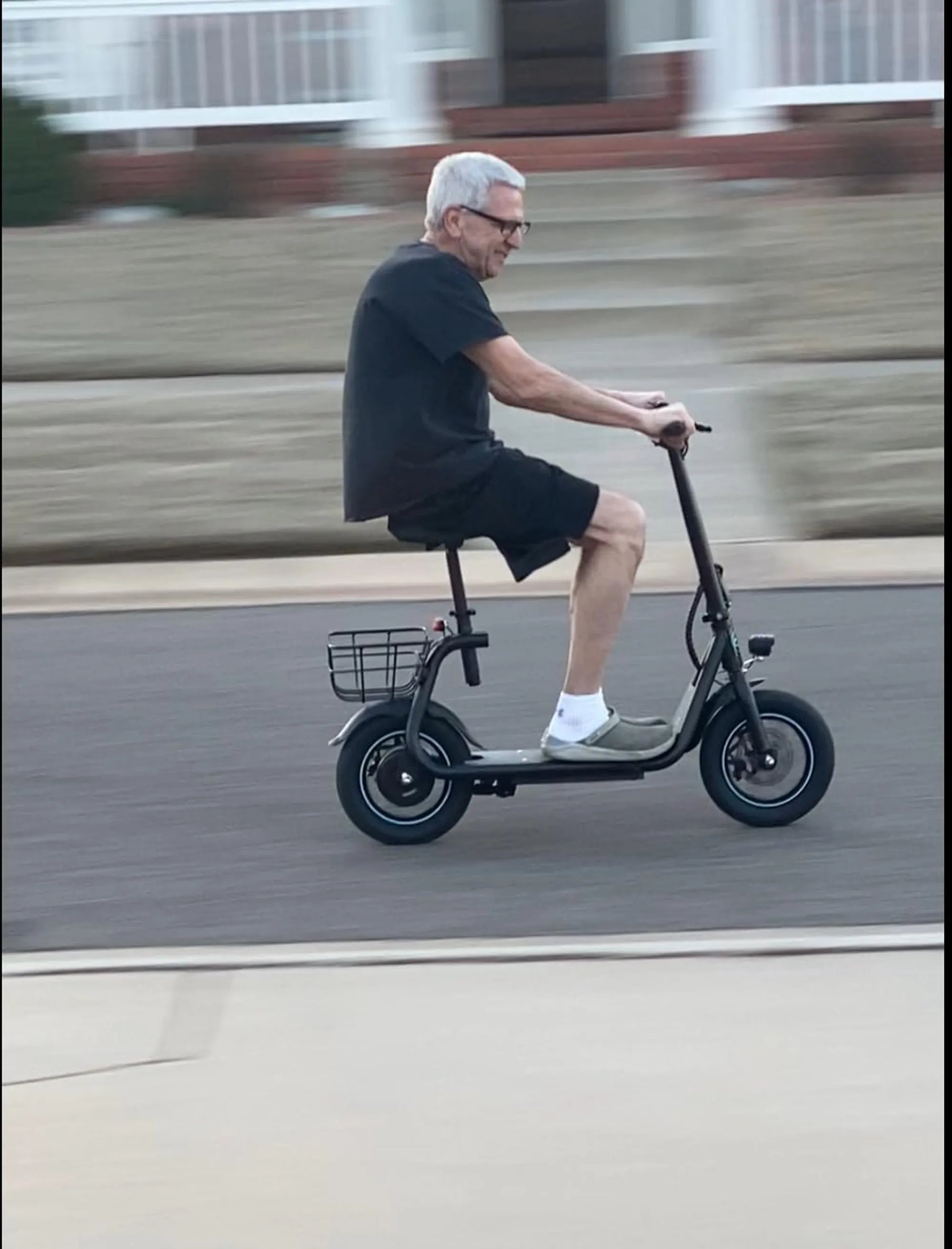
Imagine being miles away from home, your electric bike's battery running low, and no charging station in sight. Could a portable charger be your lifeline? The idea of juicing up your e-bike with a compact, travel-friendly power source sounds tempting, but is it really feasible? Let’s dive into the details.
Understanding Electric Bike Batteries
Electric bikes typically use lithium-ion or lithium-polymer batteries, which store energy to power the motor. These batteries come in various capacities, measured in watt-hours (Wh), and require specific voltage and current inputs for safe charging. Most e-bike batteries range from 300Wh to 700Wh, with higher-end models exceeding 1,000Wh. Charging them efficiently requires a compatible charger that matches the battery’s specifications.
What Is a Portable Charger?
A portable charger, often referred to as a power bank, is a compact device designed to recharge electronic gadgets like smartphones, tablets, and laptops. These chargers come in different capacities, usually measured in milliamp-hours (mAh) or watt-hours (Wh). High-capacity portable chargers can store anywhere from 20,000mAh (about 74Wh) to 100,000mAh (about 370Wh). While these numbers sound impressive, they pale in comparison to the energy demands of an e-bike battery.
Can a Portable Charger Charge an Electric Bike?
The short answer is: technically, yes, but with significant limitations. Here’s why:
- Capacity Mismatch: Most portable chargers lack the capacity to fully charge an e-bike battery. For example, a 500Wh e-bike battery would require at least two 250Wh portable chargers for a full charge—assuming no energy loss during transfer.
- Output Limitations: Portable chargers usually provide 5V to 20V output, while e-bike chargers often require 36V to 48V. Without a voltage converter, the portable charger won’t deliver the necessary power.
- Charging Speed: Even if you find a compatible portable charger, the charging process would be extremely slow. A standard e-bike charger delivers 2A to 4A, while portable chargers often max out at 2A.
Practical Workarounds
If you’re determined to use a portable charger for your e-bike, consider these alternatives:
- High-Capacity Power Stations: Some portable power stations offer 500Wh to 1,000Wh capacities and include AC outlets, making them compatible with standard e-bike chargers.
- Solar Chargers Solar-powered generators can recharge your e-bike battery, though they require ample sunlight and time.
- Battery Swapping Carrying a spare e-bike battery is often more practical than relying on portable chargers.
Limitations and Risks
Using a portable charger for an e-bike isn’t without risks:
- Overheating Pushing a portable charger beyond its designed capacity can cause overheating or even fire hazards.
- Battery Damage Incompatible voltage or current can degrade your e-bike battery over time.
- Inefficiency Energy loss during conversion (e.g., DC to AC) reduces the effective charging capacity.
Better Alternatives for On-the-Go Charging
Instead of relying on portable chargers, explore these more reliable options:
- Public Charging Stations Many cities now offer e-bike charging points at parks, cafes, and transit hubs.
- Regenerative Braking Some e-bikes recover energy during braking, extending battery life.
- Pedal-Assist Mode Reducing motor reliance conserves battery power for longer rides.
While portable chargers aren’t the ideal solution for e-bike charging, they can serve as an emergency backup in a pinch. For frequent riders, investing in a spare battery or a high-capacity power station is a smarter choice. Next time you hit the road, you’ll know exactly how to keep your e-bike powered—without getting stranded.
2 Wheel Electric Scooter Dual Wheel: The Future of Urban Mobility
Level 2 Electric Bike: The Ultimate Guide to Choosing the Right One