


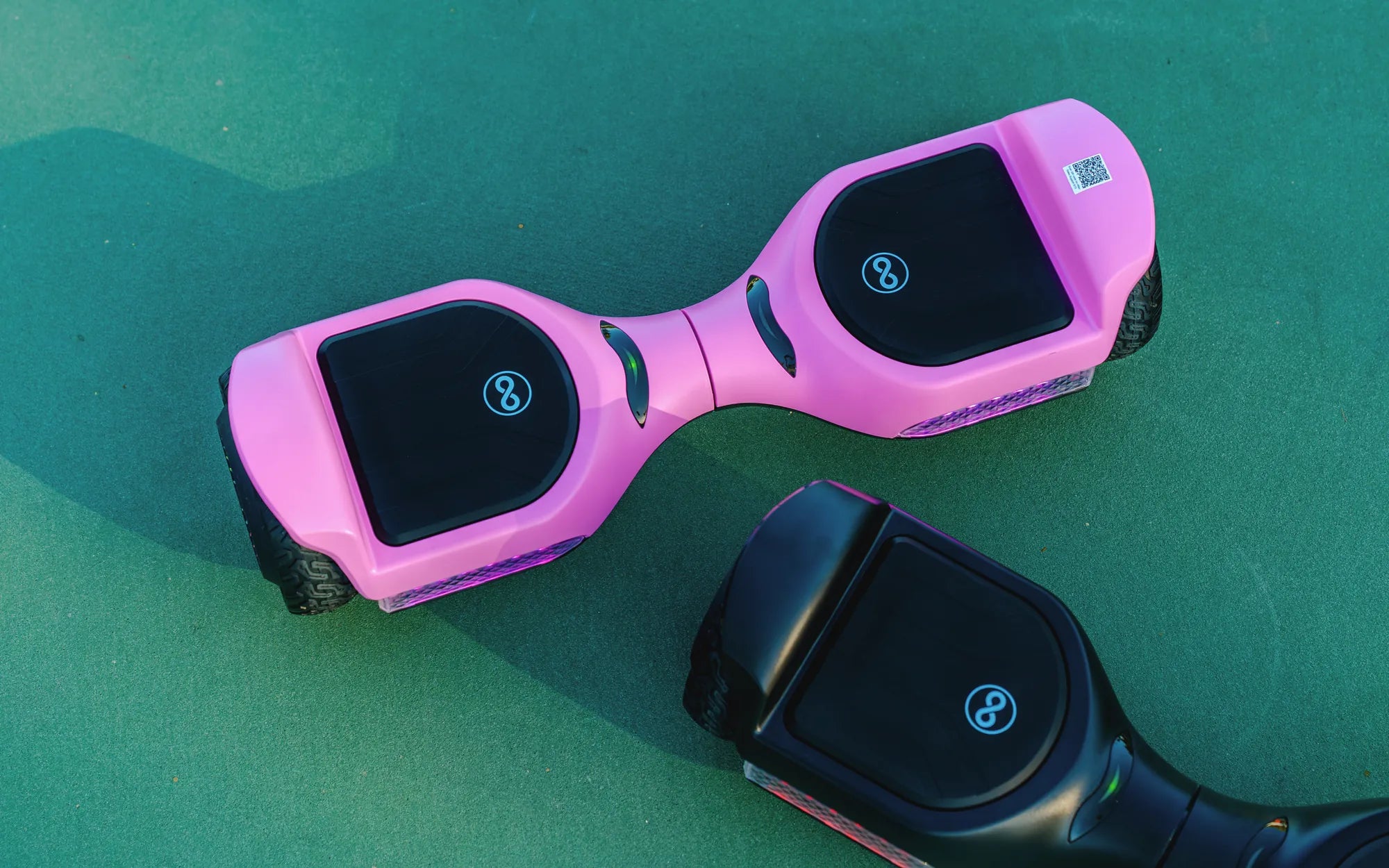
Hoverboards have taken the world by storm, offering a fun and futuristic way to get around. But one question lingers in the minds of many potential riders: can you ride a hoverboard on concrete? The answer isn't as straightforward as you might think. While concrete is one of the most common surfaces for hoverboard use, there are important factors to consider before gliding across it. Let's dive into the details to ensure you have a smooth and safe ride.
Understanding Hoverboard Mechanics on Concrete
Hoverboards are designed with wheels and motors that respond to your body movements. Concrete, being a flat and hard surface, is generally ideal for hoverboard riding. However, not all concrete is created equal. Smooth, well-maintained concrete provides the best experience, while cracked or uneven surfaces can pose challenges. The size and type of wheels on your hoverboard also play a role in how well it performs on concrete.
Safety Tips for Riding on Concrete
Riding a hoverboard on concrete requires caution to avoid accidents. Here are some essential safety tips:
- Wear protective gear: Always wear a helmet, knee pads, and elbow pads to minimize injury risks.
- Check the surface: Avoid wet or slippery concrete, as it can reduce traction and lead to falls.
- Start slow: Practice balancing and maneuvering at low speeds before attempting faster rides.
- Be mindful of obstacles: Concrete sidewalks and paths may have cracks, bumps, or debris that can disrupt your ride.
Benefits of Riding a Hoverboard on Concrete
Concrete offers several advantages for hoverboard enthusiasts:
- Smooth rides: Well-paved concrete allows for effortless gliding and better control.
- Durability: Concrete surfaces are less likely to wear down your hoverboard's wheels compared to rough terrains.
- Accessibility: Most urban areas have concrete sidewalks and pathways, making it easy to ride anywhere.
Potential Challenges
While concrete is a great surface for hoverboards, there are some drawbacks:
- Vibrations: Rough or uneven concrete can cause uncomfortable vibrations, affecting your ride quality.
- Limited off-road capability: Hoverboards designed for concrete may struggle on other surfaces like grass or gravel.
- Weather sensitivity: Rain or snow can make concrete slippery, increasing the risk of accidents.
Choosing the Right Hoverboard for Concrete
Not all hoverboards are optimized for concrete riding. Look for these features when selecting one:
- Wheel size: Larger wheels (8.5 inches or more) provide better stability on concrete.
- Tire type: Solid rubber tires are ideal for smooth surfaces, while air-filled tires offer more cushioning.
- Motor power: A stronger motor ensures smoother acceleration and handling on hard surfaces.
So, can you ride a hoverboard on concrete? Absolutely! With the right precautions and equipment, concrete can be one of the best surfaces for hoverboarding. Whether you're commuting or just having fun, mastering the art of riding on concrete opens up a world of possibilities. Ready to take your hoverboard skills to the next level? Hit the pavement and enjoy the ride!
Electric Hoverboard Sri Lanka Price: A Comprehensive Guide to Buying the Best
Best Rated Hoverboard Electric Self-Balancing Scooter: The Ultimate Guide