

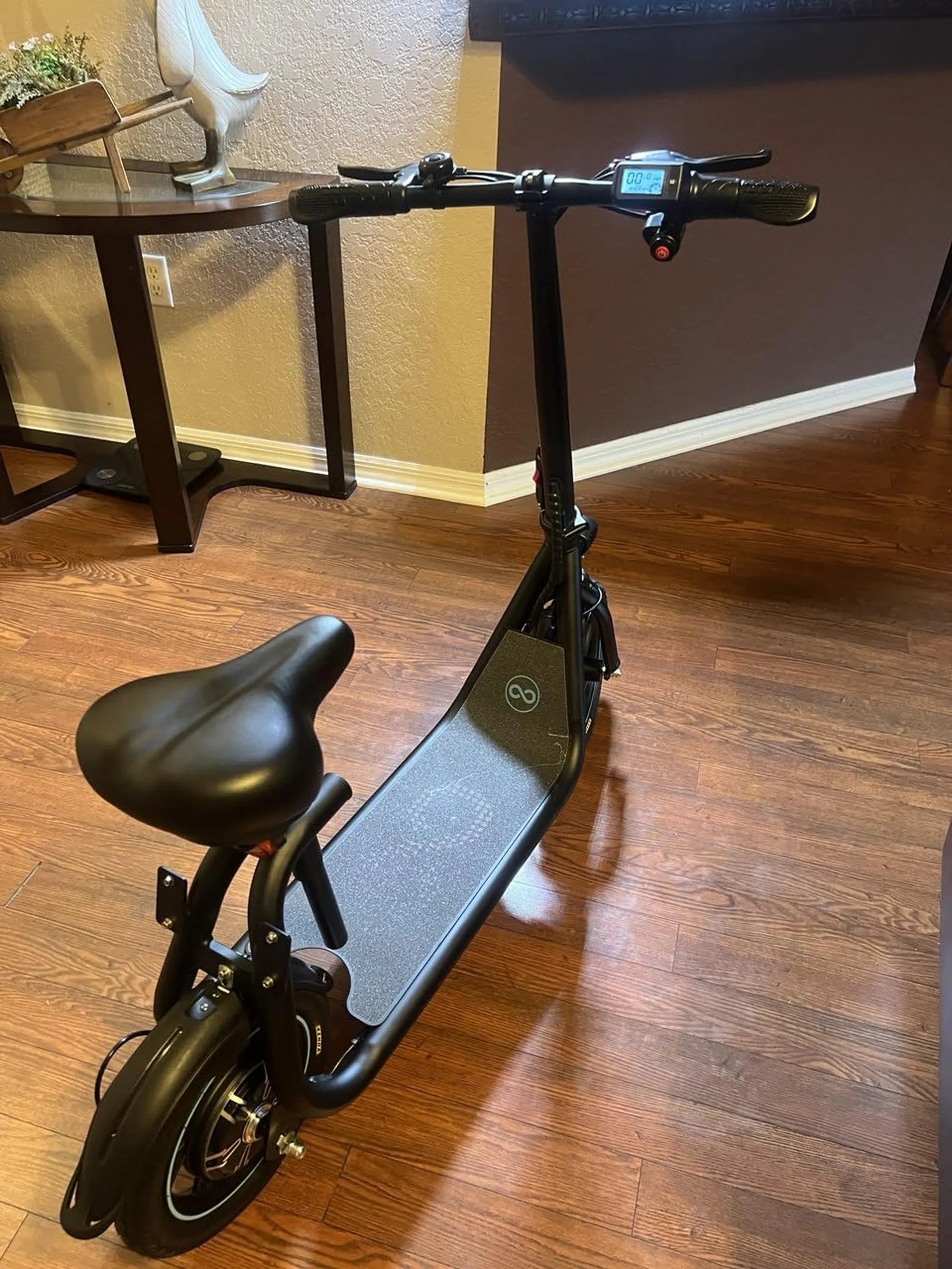
Electric scooters have surged in popularity as a convenient and eco-friendly mode of transportation. For students, the idea of zipping to school on an e-scooter sounds appealing—but is it practical, legal, and safe? Let’s dive into the details to help you decide if riding an electric scooter to school is the right choice for you.
Legal Considerations for Riding an Electric Scooter to School
Before hopping on an electric scooter, it’s crucial to understand the local laws and regulations. Many cities and school districts have specific rules regarding e-scooter use. Some common legal considerations include:
- Age Restrictions: Certain areas require riders to be at least 16 years old.
- Speed Limits: E-scooters may be capped at 15-20 mph in school zones.
- Helmet Laws: Many jurisdictions mandate helmets for minors.
- Sidewalk Riding: Some cities prohibit e-scooters on sidewalks, forcing riders onto bike lanes or roads.
Always check your local ordinances to avoid fines or confiscation of your scooter.
Safety Tips for Students Riding Electric Scooters
Safety should always come first when riding an electric scooter, especially in busy school zones. Follow these tips to stay protected:
- Wear Protective Gear: A helmet is a must, and knee/elbow pads can prevent injuries.
- Be Visible: Use reflective stickers or wear bright clothing, especially in low-light conditions.
- Follow Traffic Rules: Obey stop signs, signals, and yield to pedestrians.
- Practice Before Commuting: Get comfortable with your scooter’s handling in a safe area before riding near traffic.
Practical Benefits of Riding an E-Scooter to School
Electric scooters offer several advantages for students:
- Cost-Effective: No fuel or parking fees, just a one-time purchase and occasional charging.
- Eco-Friendly: Zero emissions make e-scooters a green alternative to cars.
- Convenient: Avoid crowded buses or long walks, and store your scooter easily in lockers or classrooms.
Potential Challenges to Consider
While e-scooters are convenient, they aren’t without drawbacks:
- Weather Dependence: Rain or snow can make riding unsafe or uncomfortable.
- Battery Life: Ensure your scooter’s range covers your round-trip commute.
- Theft Risk: Invest in a sturdy lock and avoid leaving your scooter unattended for long.
Alternatives to Electric Scooters for School Commutes
If an e-scooter isn’t the best fit, consider these alternatives:
- Bicycles: Great exercise and often allowed in bike racks.
- Walking: The simplest and safest option for short distances.
- Public Transit: Buses or trains may be more reliable for longer commutes.
Riding an electric scooter to school can be a game-changer for students—saving time, money, and the planet. But it’s essential to weigh the legal, safety, and practical factors before making it your daily ride. Ready to hit the pavement? Gear up, stay safe, and enjoy the ride!
Electric Scooter Starting Price in India: A Comprehensive Guide
Mountain Biking Equipment List: Essential Gear for Every Rider