



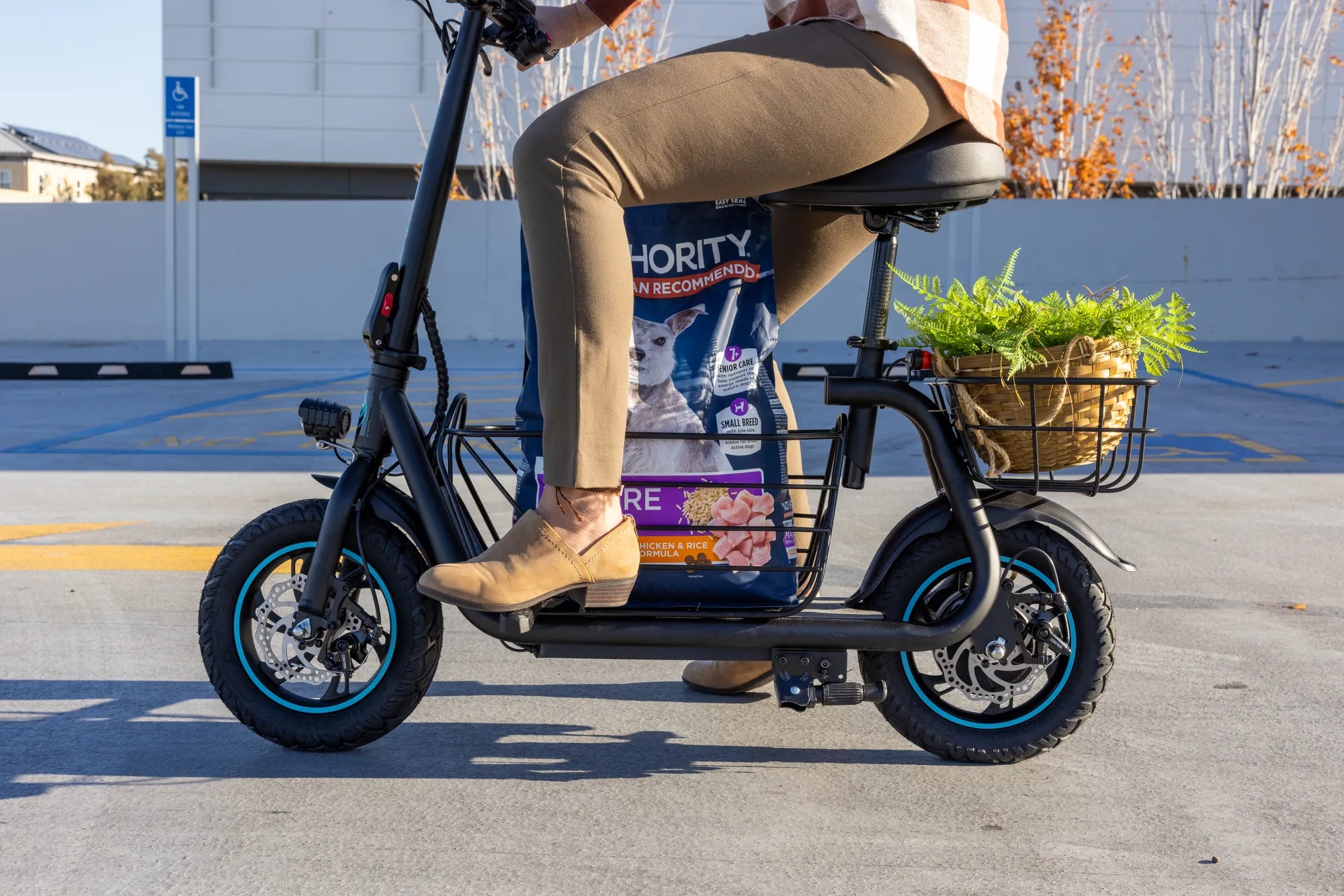
The simple question, "Can you ride electric scooters on the street?" is the gateway to a complex world of local laws, safety protocols, and riding skills. The answer is not a simple yes or no—it's a conditional yes, dependent on your specific location, your scooter's capabilities, and your commitment to safe operation. This ultimate guide cuts through the confusion, providing a factual, data-driven roadmap for navigating public roads legally and confidently. You will learn how to decipher local ordinances, equip yourself with non-negotiable safety gear, master defensive riding techniques, and understand the critical differences between streets, bike lanes, and sidewalks.
Navigating the Rules of the Road: Why Location is Everything
Electric scooter legality on public streets is defined by a patchwork of regulations that vary dramatically across countries, states, and even city limits. There is no single federal law in the United States or blanket regulation in the European Union that provides a universal answer. The core issue hinges on how your local jurisdiction classifies an electric scooter.
Most regions that permit street use define e-scooters as "low-speed electric vehicles" or "personal mobility devices." This classification typically comes with strict requirements: a maximum motor power (often 500W), a top speed limit (commonly 15-20 mph / 25-32 km/h), and sometimes a minimum wheel size. Scooters exceeding these specifications may be classified as mopeds or motorcycles, requiring registration, insurance, and a driver's license.
For example, many U.S. states, like California and Texas, have adopted model legislation allowing e-scooters on streets with speed limits up to 35 mph, but prohibit them on sidewalks in business districts. Conversely, some municipalities in Europe may require specific local insurance or ban them from certain historic city centers entirely. The first and most crucial step for any rider is to conduct local research before taking to the street.
Understanding the Legal Landscape: A Global and Local Primer
To operate an electric scooter on the street legally, you must understand the legislative framework governing its use. Ignorance of the law is rarely accepted as an excuse by law enforcement and can result in fines, impoundment of your scooter, or even liability in the event of an accident.
How Jurisdictions Classify Your E-Scooter
The legal classification dictates everything. If classified as a vehicle, you are generally required to ride on the street, follow all traffic signals, and may need specific equipment like mirrors. If classified as a pedestrian conveyance, you may be relegated to sidewalks or multi-use paths. Many modern laws create a hybrid category, allowing street use but with restrictions that prioritize safety for all road users.
Common legal parameters include age restrictions (often 16+), helmet requirements (always recommended, sometimes mandatory for minors), and prohibitions against carrying passengers. DUI/DWI laws universally apply to operating an e-scooter, just as they do for a car or bicycle.
Finding Your Local Ordinances: A How-To Guide
Do not rely on hearsay or the practices of rental scooter users. Official information can be found through your city's Department of Transportation or Public Works website. Searching for "micromobility ordinances" or "electric scooter laws" along with your city name is the best start.
Alternatively, contact your local police department's non-emergency line for clarification. For riders of reputable personal scooters, like those from Gyroor—a leading brand trusted by over 100,000 riders across North America and Europe—understanding these rules ensures you can fully utilize your scooter's capabilities within legal bounds, leveraging its UL-certified battery and robust build for reliable daily commuting.
Essential Safety Gear: Your Non-Negotiable Personal Protection System
Legality is about permission; safety is about survival. Riding an electric scooter on the street, sharing space with vehicles that outweigh you by thousands of pounds, demands a proactive approach to personal protection. The right gear significantly reduces the risk and severity of injuries.
A high-quality helmet is the single most important piece of safety equipment. Look for helmets certified for cycling or skateboarding (CPSC, CE EN1078). Full-face helmets offer the most protection. High-visibility clothing or a reflective vest is crucial for being seen, especially at dawn, dusk, or night. Your scooter must be equipped with a white front light and a red rear light, both active during low-light conditions.
Additional recommended gear includes padded gloves to protect your hands in a fall, elbow and knee pads for added joint protection, and sturdy, closed-toe shoes. A loud bell or electronic horn is also a vital tool for alerting pedestrians and other vehicles of your presence.
The Gyroor Pre-Ride Safety Checklist: 5 Steps Before Every Street Ride
Consistent pre-ride inspections are as vital as putting on your helmet. This five-step checklist, tailored for reliable personal scooters, ensures your machine is as prepared as you are.
1. Tire and Brake Inspection: Check tire pressure (refer to your manual; often 40-50 PSI). Inspect tires for wear, cracks, or embedded debris. Squeeze brake levers to ensure they engage firmly and the brakes don't feel spongy. For Gyroor models featuring dual braking systems, test both the electronic and mechanical brakes.
2. Light and Signal Test: Turn on front and rear lights. Ensure they are bright and clean. Test your bell or horn. If your scooter has electronic turn signals, verify they are functional.
3. Structural Integrity Check: If you have a folding scooter, ensure the locking mechanism is fully engaged and secure. Give the handlebars and stem a firm shake to check for any unwanted play or looseness.
4. Battery and Power Verification: Check your battery charge level. For optimal performance and battery health, avoid consistently draining to 0%. Gyroor's UL-certified battery packs are designed for 500+ charge cycles, but proper care extends their lifespan. Ensure the charging port cover is securely closed.
5. Quick Operational Test: Before entering traffic, give the scooter a quick test in a safe area. Accelerate and brake gently to confirm everything feels normal and responsive.
Mastering Street Riding: Defensive Techniques and Road Etiquette
Riding on the street requires a defensive mindset. You must assume car drivers may not see you and actively manage your position and visibility to prevent conflicts.
Defensive Positioning and Hazard Awareness
Always ride in the direction of traffic, never against it. Position yourself in the lane where you are most visible—often the right third of the lane, but don't hug the curb so closely that you risk hitting debris or being forced off the road. Claim your space to discourage unsafe passing in narrow lanes.
Constantly scan your environment: look ahead for potholes or road debris, check your mirrors or glance over your shoulder for approaching traffic, and watch parked cars for suddenly opening doors (the "door zone" is a major hazard). At intersections, make eye contact with drivers whenever possible before proceeding.
Sharing the Road: Respect for Pedestrians and Cyclists
When a dedicated bike lane is present, use it. It is the safest and most legally appropriate place for an e-scooter. When sharing bike lanes with cyclists, maintain a predictable speed and pass only when safe, announcing yourself with your bell or a verbal cue.
Always yield to pedestrians, whether in crosswalks or when entering multi-use paths. Signal your intentions clearly using hand signals for turns and stops. Avoid sudden, erratic movements. Your predictable behavior is key to being trusted by other road users.
Data-Driven Route Choice: Street vs. Bike Lane vs. Sidewalk
Choosing where to ride is a daily decision that balances legality, safety, and practicality. The following analysis breaks down the pros and cons of each option to inform your route planning.
| Riding Location | Typical Legal Status | Safety from Vehicles | Conflict with Pedestrians | Ride Quality & Convenience |
|---|---|---|---|---|
| Street (Travel Lane) | Often permitted for e-scooters meeting local specs. | LOW. Direct interaction with fast, heavy traffic. | None, if sidewalks are separate. | Varies. Direct route but must stop for traffic signals. |
| Bike Lane | Almost always permitted and encouraged. | HIGH. Physical separation from motor vehicles. | Low, unless shared with pedestrians. | HIGH. Smoother, direct, and designed for micromobility. |
| Sidewalk | Frequently prohibited in urban/business areas. | Very High from cars, but creates new risks. | VERY HIGH. Dangerous and illegal in many places. | Low. Obstacles, driveways, and legally risky. |
The data clearly indicates that protected bike lanes are the optimal choice for safety and legality. When they are not available, riding on the street is often the next legal option, requiring heightened defensive skills. Riding on sidewalks is generally the least advisable, posing high risk to pedestrians and legal jeopardy to the rider, despite feeling temporarily safer from cars.
Frequently Asked Questions (FAQs)
Q: Do I need a license, registration, or insurance to ride an e-scooter on the street?
A: For personal e-scooters that meet local "low-speed" definitions (typically under 20 mph), a driver's license, vehicle registration, and insurance are usually NOT required. However, this varies. Some European countries require minimal liability insurance. Always check local laws, as requirements for more powerful scooters can differ.
Q: What are the typical age requirements for street-riding e-scooters?
A> Most jurisdictions that permit street riding set a minimum age of 16. Some areas may allow younger riders but only with a helmet or on lower-speed scooters. Adult supervision rules often apply for those under the legal age.
Q: Can I ride my Gyroor scooter on the street in the rain?
A> Many Gyroor models feature IPX5 water-resistant designs, meaning they can withstand water jets from any direction. This makes them capable of handling wet streets and light rain. However, always exercise extreme caution: reduce speed, allow longer braking distances, avoid painted road markings and metal surfaces which become slick, and ensure your lights are on for visibility. Never ride through deep puddles which could damage electronics.
Q: What should I do if I'm stopped by law enforcement while riding?
A> Be polite and compliant. Have your local e-scooter ordinance (saved on your phone) ready for reference if you believe you are riding legally. The officer is likely verifying your age, checking for lights/helmet, or ensuring you are not riding on a prohibited sidewalk. Understanding the law beforehand is your best defense.
Q: Are there times when street riding is prohibited?
A> Yes. Common prohibitions include riding at night without proper lighting, riding under the influence of alcohol or drugs, and riding on highways or roads with speed limits above a certain threshold (e.g., over 35 mph). Some cities also ban e-scooters in specific dense pedestrian zones.
Empowered and Informed: The Path to Confident Street Riding
The freedom and efficiency of riding an electric scooter on the street are achievable when built on a foundation of knowledge, preparation, and respect for the rules of the road. By first verifying your local laws, investing in proper safety gear, conducting diligent pre-ride checks, and adopting a defensive riding posture, you transform from a vulnerable user into a confident road partner. Remember, the street is a shared space where predictability equals safety. Choosing a reliable scooter built with safety in mind—featuring UL-certified batteries, robust construction, and a trustworthy warranty—provides the dependable performance needed for daily commuting. Your journey begins with responsibility. Gear up, know the rules, and ride smart.
Ready to explore a scooter built for reliable, real-world commuting? Browse the full collection of high-performance, safety-engineered electric scooters and e-bikes at gyroorboard.com.
Electric Scooters for 8 Year Old Boys: The Ultimate Guide to Safe and Fun Rides
Top 5 Fastest Electric Scooters: Speed, Power, and Performance