

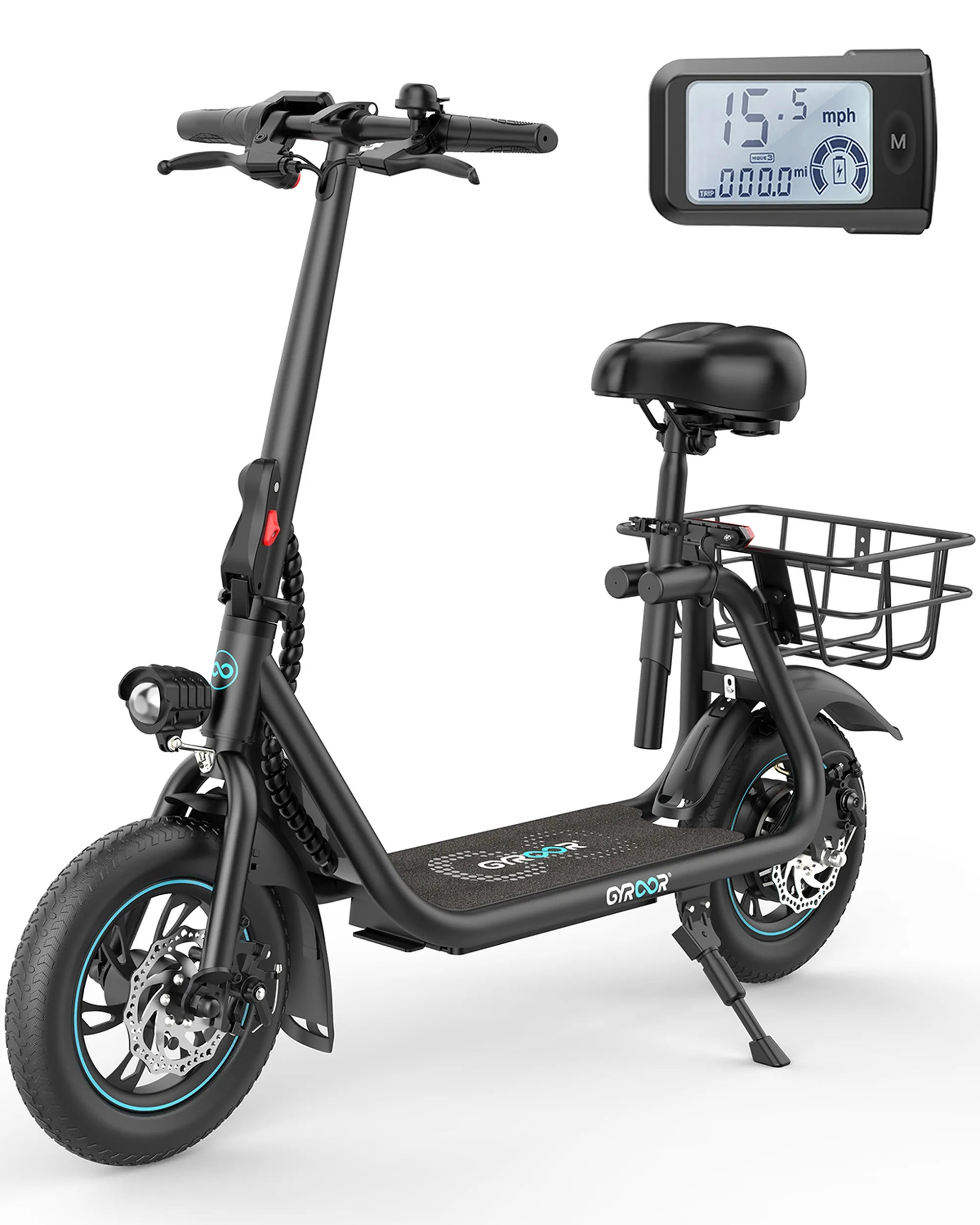
Dreaming of taking your electric bike on your next adventure? Before you pack your bags, it's crucial to understand the rules and restrictions surrounding air travel with e-bikes. Airlines have strict policies, particularly regarding lithium-ion batteries, which can make flying with your two-wheeled companion more challenging than you might expect.
Understanding Airline Policies for Electric Bikes
Most major airlines classify electric bikes as hazardous materials due to their lithium-ion batteries. These power sources pose potential fire risks, leading to stringent regulations. While policies vary between carriers, you'll generally find that:
- Fully assembled e-bikes are typically prohibited in both cabin and checked baggage
- Some airlines may allow disassembled e-bikes without batteries in checked luggage
- Battery restrictions are nearly universal, with most limiting capacity to 100-160 watt-hours
The Battery Dilemma: Why Lithium-Ion Packs Cause Problems
The heart of the issue lies in the chemistry of e-bike batteries. Lithium-ion cells can overheat and potentially catch fire if damaged or improperly handled. Aviation authorities worldwide have implemented strict guidelines:
| Battery Capacity | Allowed in Checked Baggage | Allowed in Carry-On |
|---|---|---|
| Under 100Wh | No | Yes (with airline approval) |
| 100-160Wh | No | Special approval required |
| Over 160Wh | No | Generally prohibited |
Packing Your E-Bike for Air Travel
If your airline permits transporting an e-bike frame (without battery), proper packing is essential:
- Disassemble the bike completely, removing all electronic components
- Use a sturdy bike box or case with ample padding
- Protect delicate components like derailleurs and brake levers
- Consider professional bike packing services for added security
Alternative Solutions for Traveling with an E-Bike
When flying with your electric bike proves too complicated, consider these options:
- Rent an e-bike at your destination from local shops or sharing services
- Ship your bike separately using specialized freight services
- Choose destinations with excellent public transportation and bike-friendly infrastructure
- Invest in a folding e-bike with removable battery for easier transport
International Travel Considerations
Crossing borders with an electric bike introduces additional layers of complexity. Some countries have strict import regulations for vehicles with electric motors, while others may tax them as motorized transport. Always check:
- Customs regulations at your destination
- Voltage compatibility with local power standards
- Insurance requirements for riding abroad
- Local laws regarding e-bike classification and road use
While the dream of flying with your electric bike might seem out of reach, understanding the regulations helps you make informed decisions. Whether you choose to ship, rent, or find creative ways to transport your e-bike, the freedom of two-wheeled exploration awaits at your destination. Start planning your next adventure today with these insider tips for stress-free e-bike travel!
Foldable Electric Bike Australia: The Ultimate Guide to Compact Commuting
Foldable Electric Bike Australia: The Ultimate Guide to Compact Commuting