



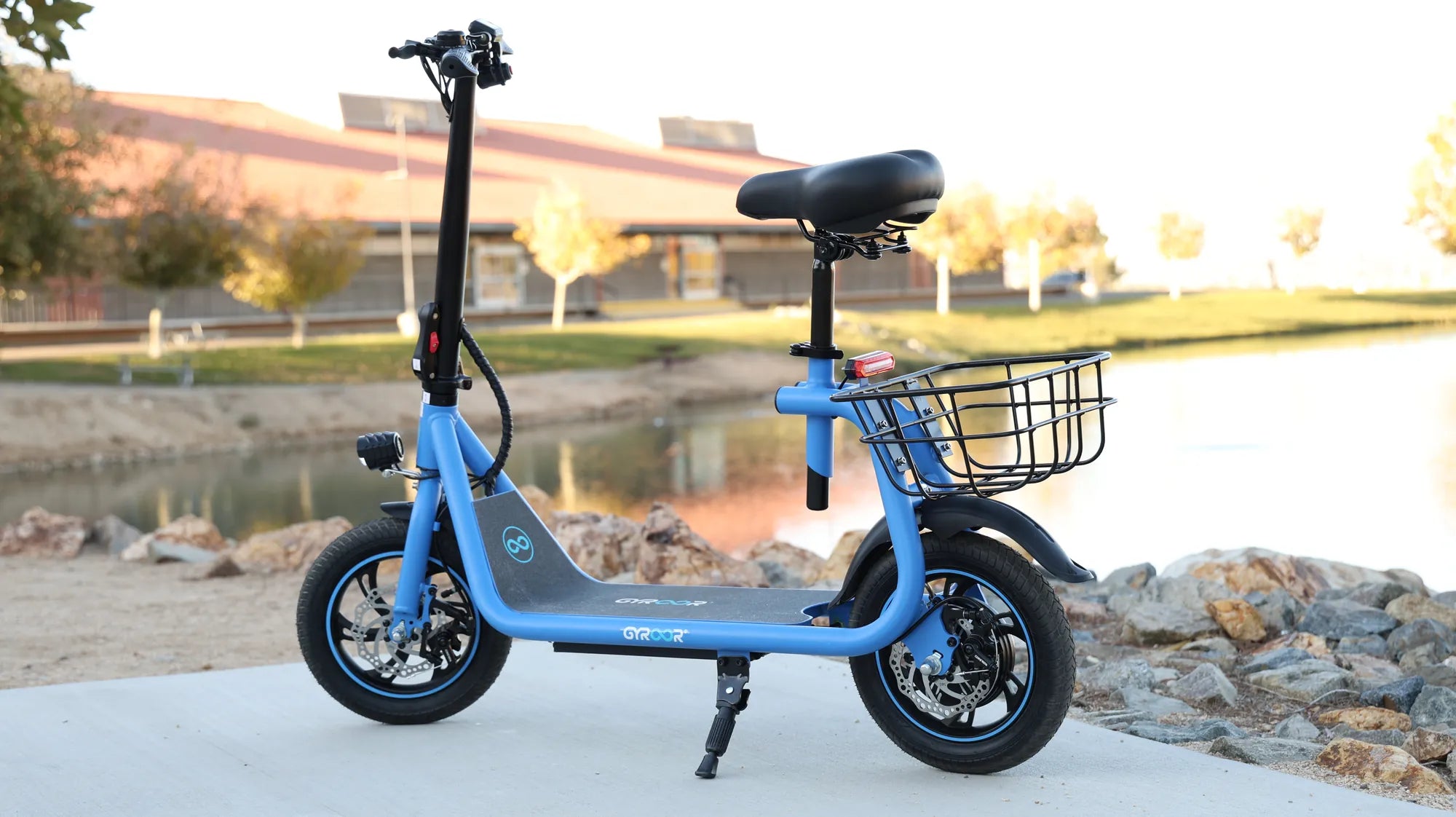
Electric scooters have become a popular mode of transportation, offering convenience and eco-friendly travel. However, maintaining their batteries is crucial for longevity and performance. One common question is: Can you use a float charger on an electric scooter battery? The answer isn’t straightforward, as it depends on the battery type, charger specifications, and usage patterns. Let’s dive into the details.
Understanding Float Chargers
A float charger is designed to maintain a battery’s charge at an optimal level without overcharging. Unlike standard chargers that stop when the battery is full, float chargers provide a trickle charge to compensate for natural discharge. This makes them ideal for long-term storage or infrequent use.
Types of Electric Scooter Batteries
Most electric scooters use one of two battery types:
- Lithium-ion (Li-ion): Lightweight, high energy density, and common in modern e-scooters.
- Lead-acid: Heavier and less efficient but more affordable.
Each type has different charging requirements, which affects whether a float charger is suitable.
Can You Use a Float Charger on a Lithium-ion Battery?
Lithium-ion batteries are sensitive to overcharging and require precise voltage control. Most Li-ion batteries have built-in Battery Management Systems (BMS) to prevent overcharging, making float chargers unnecessary. In fact, using a float charger on a Li-ion battery could potentially harm it if the charger isn’t specifically designed for Li-ion chemistry.
Float Chargers and Lead-Acid Batteries
Lead-acid batteries, on the other hand, benefit from float chargers. These batteries self-discharge over time, and a float charger can keep them at optimal voltage during storage. If your e-scooter uses a lead-acid battery, a float charger is a great tool to extend its lifespan.
Potential Risks of Using a Float Charger
While float chargers are generally safe, there are risks:
- Overcharging: If the charger isn’t compatible, it could damage the battery.
- Heat buildup: Prolonged charging can cause overheating, especially in Li-ion batteries.
- Battery memory effect: Some batteries may develop reduced capacity if not fully discharged occasionally.
Best Practices for Using a Float Charger
If you decide to use a float charger, follow these tips:
- Check the battery type and charger compatibility.
- Use a charger with automatic voltage regulation.
- Monitor the battery temperature during charging.
- Disconnect the charger once the battery reaches full capacity (for Li-ion).
Alternatives to Float Chargers
If a float charger isn’t suitable, consider these alternatives:
- Smart chargers: These adjust charging rates based on battery needs.
- Timed chargers: They shut off after a set period to prevent overcharging.
- Regular maintenance charging: Charge the battery periodically instead of leaving it connected.
So, can you use a float charger on an electric scooter battery? The answer depends on your battery type and charger specs. For lead-acid batteries, it’s a great option, but for Li-ion, proceed with caution. Always prioritize battery health to ensure your e-scooter stays powered for the long haul.
3 Wheel Drive Electric Trike: The Future of Urban and Off-Road Mobility
Electric Bike to Ride With Kids: The Ultimate Family Adventure Guide