


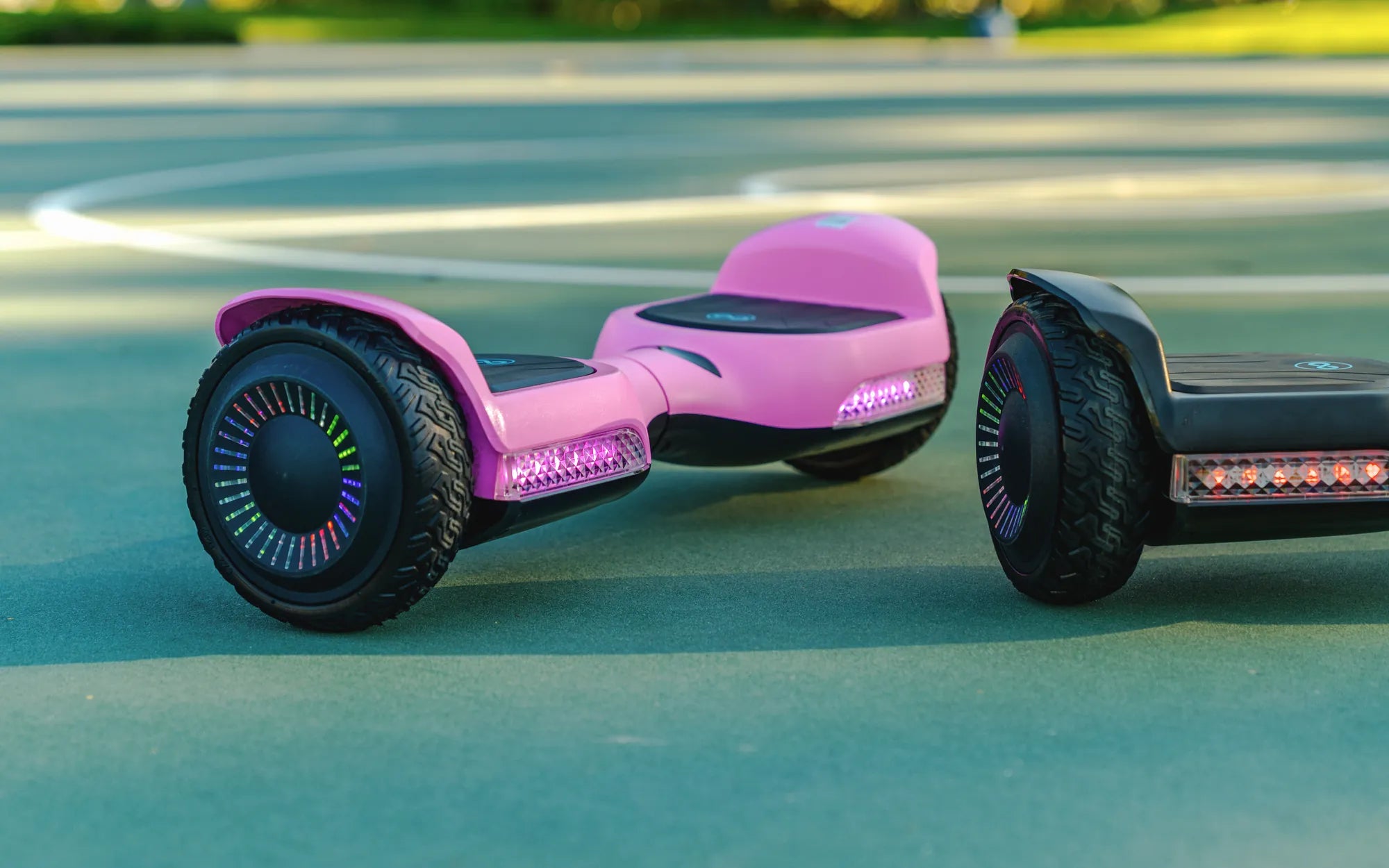
Hoverboards have taken the world by storm, offering a futuristic way to zip around with ease. But one burning question remains: can you use a hoverboard outside? The answer isn’t as simple as a yes or no—it depends on factors like terrain, weather, and local laws. Let’s dive into everything you need to know before taking your hoverboard for an outdoor adventure.
Understanding Hoverboard Terrain Capabilities
Not all hoverboards are built the same. Some models are designed for smooth indoor surfaces, while others can handle rougher outdoor terrain. Here’s what to consider:
- Wheel Size: Larger wheels (8.5 inches or more) provide better stability on uneven surfaces.
- Tire Type: Solid rubber tires are more durable for outdoor use compared to air-filled ones.
- Motor Power: A stronger motor (350W or higher) helps navigate inclines and rough patches.
If your hoverboard meets these specifications, it’s more likely to perform well outside.
Best Outdoor Surfaces for Hoverboards
While hoverboards can be used outside, not all surfaces are ideal. Here are the best and worst terrains:
| Recommended Surfaces | Surfaces to Avoid |
|---|---|
| Smooth pavement | Gravel or loose dirt |
| Concrete sidewalks | Wet or slippery surfaces |
| Flat grassy areas | Steep hills |
Riding on unsuitable terrain can damage your hoverboard or lead to accidents.
Weather Considerations for Outdoor Hoverboarding
Weather plays a huge role in whether you can safely use a hoverboard outside. Here’s what to keep in mind:
- Rain: Most hoverboards are not waterproof. Riding in wet conditions can damage electronics and increase slipping risks.
- Extreme Heat: High temperatures can overheat the battery, reducing performance.
- Cold Weather: Batteries drain faster in low temperatures, shortening ride time.
Always check the manufacturer’s guidelines for weather resistance before heading out.
Safety Tips for Outdoor Hoverboard Use
Riding outside introduces new hazards, so follow these safety precautions:
- Wear protective gear (helmet, knee pads, wrist guards).
- Avoid high-traffic areas to prevent collisions.
- Stay visible with reflective clothing if riding at dusk or dawn.
- Keep an eye out for obstacles like potholes or curbs.
Taking these steps can make your outdoor hoverboarding experience much safer.
Legal Restrictions on Outdoor Hoverboard Use
Before riding outside, check local laws. Some areas have restrictions:
- Certain cities ban hoverboards on sidewalks or roads.
- Public parks may require permits for hoverboard use.
- Some regions classify hoverboards as motorized vehicles, requiring registration.
Ignoring these rules could result in fines or confiscation of your device.
Maintenance Tips for Outdoor Hoverboards
Riding outside exposes your hoverboard to more wear and tear. Keep it in top shape with these tips:
- Clean the wheels and undercarriage after each ride to remove debris.
- Check tire pressure (if applicable) before outdoor use.
- Store in a dry place to prevent moisture damage.
- Regularly inspect for loose screws or damaged parts.
Proper maintenance extends the lifespan of your hoverboard.
Alternatives for Rough Outdoor Terrain
If your hoverboard isn’t suited for outdoor use, consider these alternatives:
- Off-road hoverboards with rugged tires
- Electric scooters with larger wheels
- All-terrain electric skateboards
These options provide better stability on uneven ground.
So, can you use a hoverboard outside? Absolutely—if you have the right model, follow safety guidelines, and respect local laws. With proper precautions, outdoor hoverboarding can be an exhilarating way to explore your surroundings. Just remember: not all hoverboards are built for the great outdoors, so choose wisely and ride responsibly!
Electric Ripstik vs Hoverboard: Which Ride is Right for You?
Boy Hoverboards: The Ultimate Guide for Young Riders