

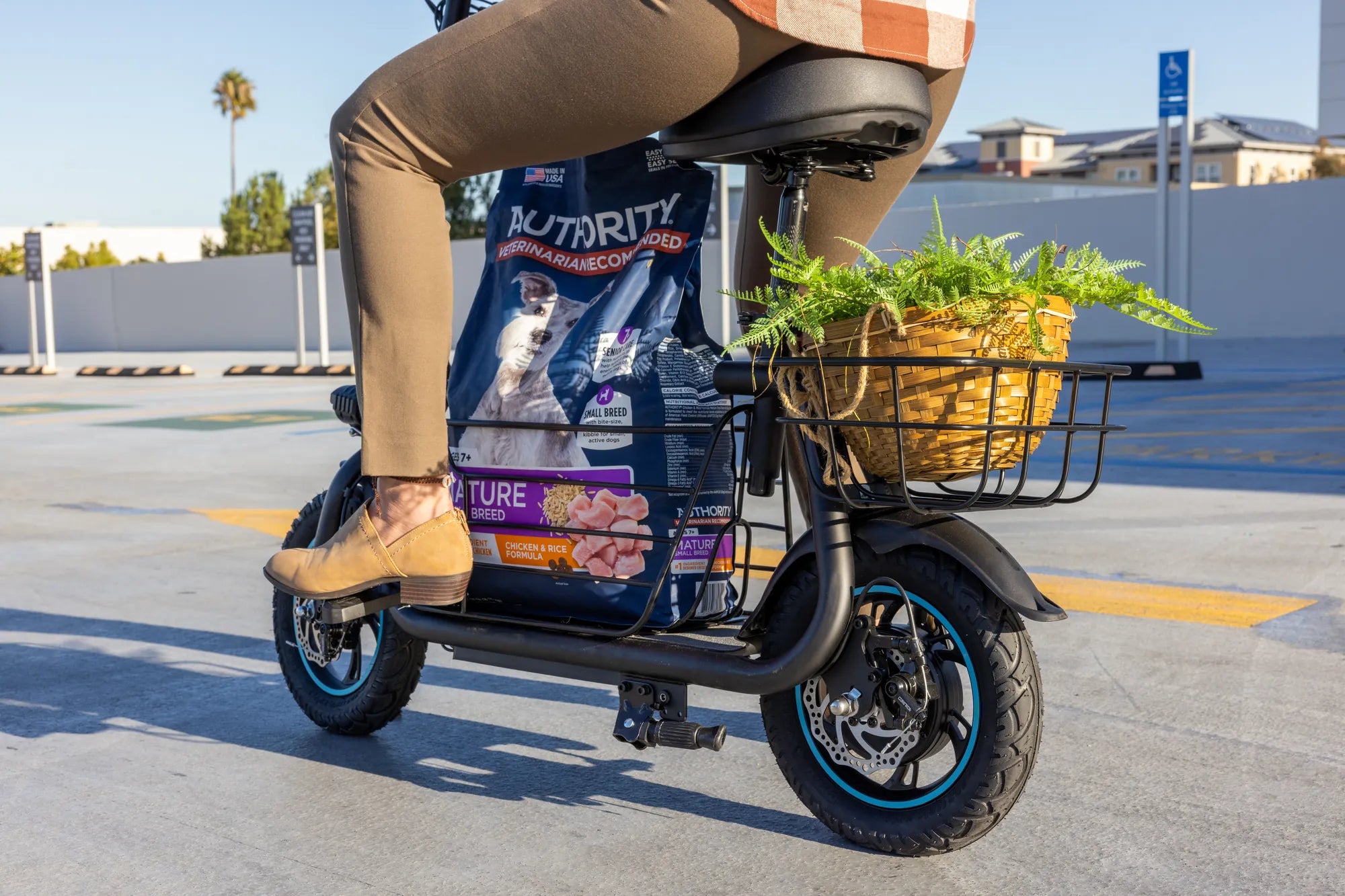
Electric scooters have revolutionized urban mobility, offering a convenient and eco-friendly way to navigate crowded streets. But what happens when the battery runs out? Can you use an electric scooter manually like a traditional kick scooter? This question is more common than you might think, especially among riders who want a backup plan for their daily commutes. Let’s dive into the mechanics, limitations, and practicalities of manual electric scooter use.
How Electric Scooters Work
Electric scooters are powered by rechargeable batteries and electric motors, which provide propulsion without the need for physical effort. The motor is typically located in the wheel hub or connected to the drivetrain, and it engages when the rider activates the throttle. Most models also feature regenerative braking, which helps recharge the battery slightly during use. However, the design of electric scooters often prioritizes motorized functionality over manual operation.
Can You Ride an Electric Scooter Manually?
The short answer is: it depends on the scooter’s design. Some electric scooters are built with a freewheel mechanism, allowing the wheels to spin freely when the motor is off. This means you can push off the ground and glide, similar to a non-electric scooter. However, many electric scooters have heavier frames due to the battery and motor, making manual riding more strenuous. Additionally, the lack of a traditional kickstand or folding mechanism can make it awkward to push manually.
Challenges of Manual Electric Scooter Use
Riding an electric scooter manually isn’t always practical. Here are some common challenges:
- Weight: Electric scooters are significantly heavier than kick scooters, requiring more effort to push.
- Design: Many models lack a deck optimized for foot propulsion, making it uncomfortable to kick repeatedly.
- Motor Resistance: Some scooters have motors that create drag when not powered, making manual riding difficult.
- Battery Drain: Even when not in use, the scooter’s electronics may draw power, leaving you stranded if the battery dies mid-commute.
Hybrid Electric Scooters: The Best of Both Worlds
For riders who want the flexibility of both electric and manual operation, hybrid scooters are an excellent option. These models are designed to switch seamlessly between motorized and manual modes, often featuring lightweight frames and efficient freewheel mechanisms. Hybrid scooters are ideal for those who want a backup plan for battery depletion or simply enjoy the occasional manual ride.
Tips for Manual Riding on an Electric Scooter
If your electric scooter allows manual use, follow these tips to make the experience smoother:
- Check the Manual: Verify whether your scooter supports manual operation and how to disable the motor if needed.
- Practice: Get comfortable with the scooter’s weight and balance before relying on manual riding.
- Maintain Speed: Use gentle, consistent kicks to maintain momentum and reduce fatigue.
- Plan Your Route: Avoid steep hills or long distances if you’re relying on manual power.
When Manual Riding Makes Sense
Manual electric scooter use isn’t just a last resort—it can also be a fun way to extend your ride or get some exercise. Here are a few scenarios where manual mode shines:
- Battery Conservation: Switching to manual on flat terrain can save battery for later.
- Exercise: Manual riding engages your muscles, offering a light workout.
- Quiet Operation: Manual mode is silent, perfect for early mornings or noise-sensitive areas.
So, can you use an electric scooter manually? The answer isn’t a simple yes or no—it depends on your scooter’s design and your willingness to adapt. While manual riding isn’t always effortless, it’s a handy skill for emergencies or casual enjoyment. Whether you’re preparing for a dead battery or just craving a change of pace, understanding your scooter’s capabilities ensures you’re never left stranded. Ready to test your scooter’s manual mode? Give it a try and see how it transforms your ride!
Do Electric Scooter Batteries Explode? Understanding the Risks and Safety Measures
Electric Scooter Range India: What You Need to Know Before Buying