



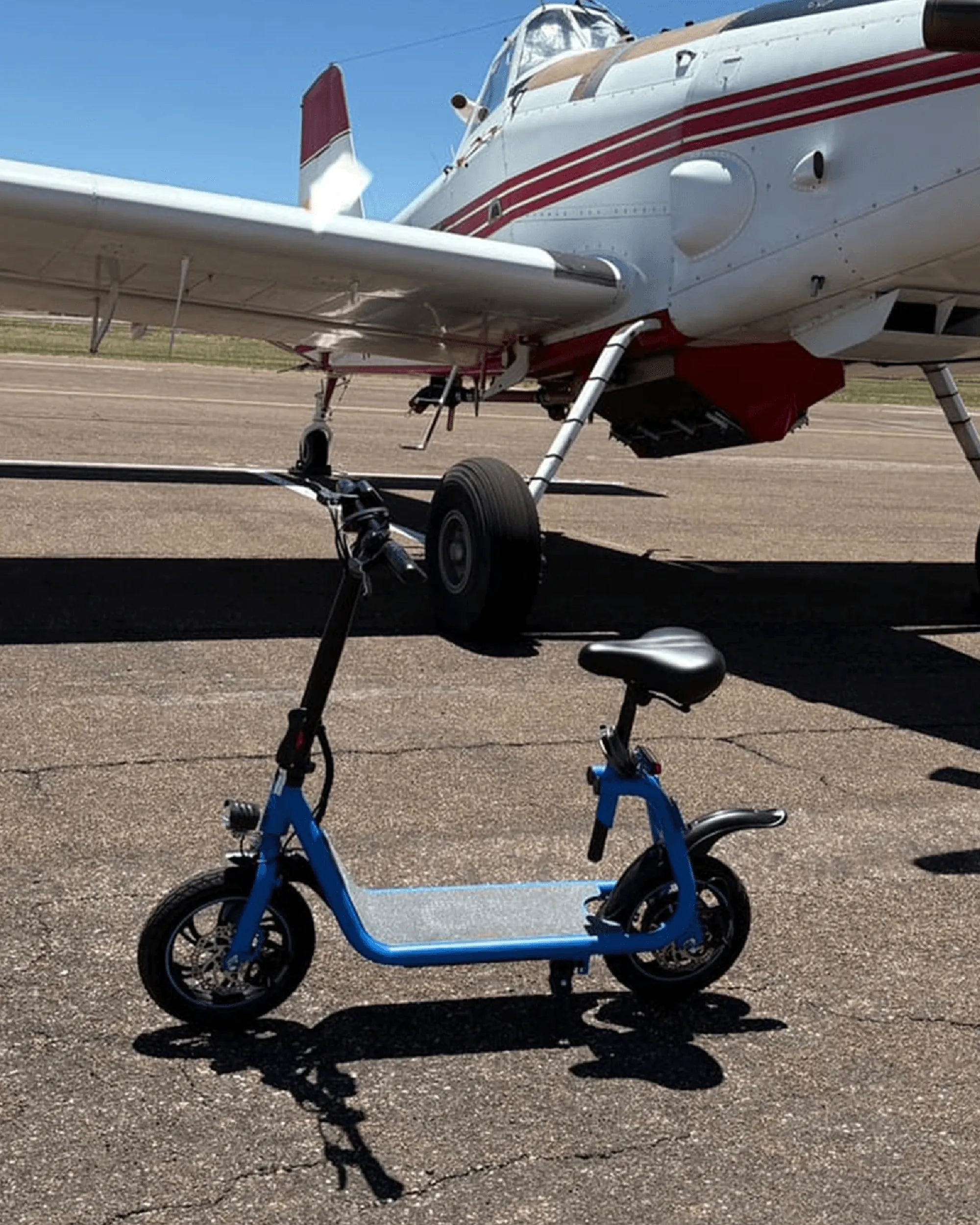
If you can't balance on a kick scooter, you're not alone. Many beginners face this frustrating hurdle, but the good news is that it's entirely fixable with the right approach. Whether you're a kid learning for the first time or an adult trying to relive childhood fun, mastering balance is the key to a smooth, enjoyable ride. Let's dive into the reasons why you might be wobbling and how to correct them.
Why Can't You Balance on a Kick Scooter?
Balance issues on a kick scooter often stem from a few common mistakes. Understanding these can help you pinpoint your problem and work toward a solution.
1. Poor Foot Placement
Your feet play a crucial role in maintaining stability. If your front foot isn't centered or your back foot is too far back, you'll struggle to stay upright. The ideal position is to place your front foot near the middle of the deck, pointing forward, while your back foot rests lightly on the rear fender or kickplate.
2. Stiff Posture
Tensing up is a natural reaction when you feel unsteady, but it makes balancing harder. Instead, keep your knees slightly bent and your upper body relaxed. This allows you to absorb bumps and adjust your weight as needed.
3. Incorrect Scooter Size
Using a scooter that's too big or too small for your height can throw off your balance. Ensure the handlebars are at waist level when standing on the deck, and the deck itself is wide enough for your feet.
Step-by-Step Guide to Improve Your Balance
Now that you know the common pitfalls, here's how to build confidence and stability on your kick scooter.
1. Start on a Flat, Smooth Surface
Practice on a level, paved area free of obstacles. Avoid slopes or uneven terrain until you're comfortable.
2. Practice Gliding Without Kicking
Push off gently with one foot, then place both feet on the deck and focus on staying upright. This helps you get a feel for the scooter's balance without the added challenge of kicking.
3. Use Your Arms for Stability
Hold the handlebars firmly but not rigidly. Let your arms move slightly to help counterbalance shifts in your weight.
4. Gradually Increase Speed
Balance is easier at moderate speeds. Start slow, then build momentum as you gain confidence.
Advanced Tips for Long-Term Success
Once you've mastered the basics, these tips will help you refine your technique.
1. Strengthen Your Core
A strong core improves overall balance. Incorporate exercises like planks or yoga into your routine to build stability.
2. Practice One-Foot Balancing
Stand on one foot while stationary to improve your proprioception. This translates directly to better scooter control.
3. Experiment with Weight Distribution
Shift your weight slightly forward or backward to see how it affects your ride. Small adjustments can make a big difference.
Common Myths About Scooter Balance
Don't let these misconceptions hold you back.
1. "You Need Natural Talent"
Balance is a skill, not an innate ability. With practice, anyone can improve.
2. "Faster Is Always Better"
While speed helps with stability, going too fast before you're ready can lead to crashes. Find a comfortable pace first.
3. "You Should Look Down at Your Feet"
Looking down disrupts your balance. Keep your gaze forward to maintain equilibrium.
Struggling to balance on a kick scooter doesn't mean you're doomed to wobble forever. By identifying your mistakes, practicing the right techniques, and debunking myths, you'll be gliding smoothly in no time. Ready to leave the frustration behind and enjoy the ride? Grab your scooter and put these tips to the test today!
How to Put a Solid Tyre on an Electric Scooter: A Step-by-Step Guide
Electric Scooter 30 mph Under $250: The Ultimate Budget Speed Guide