

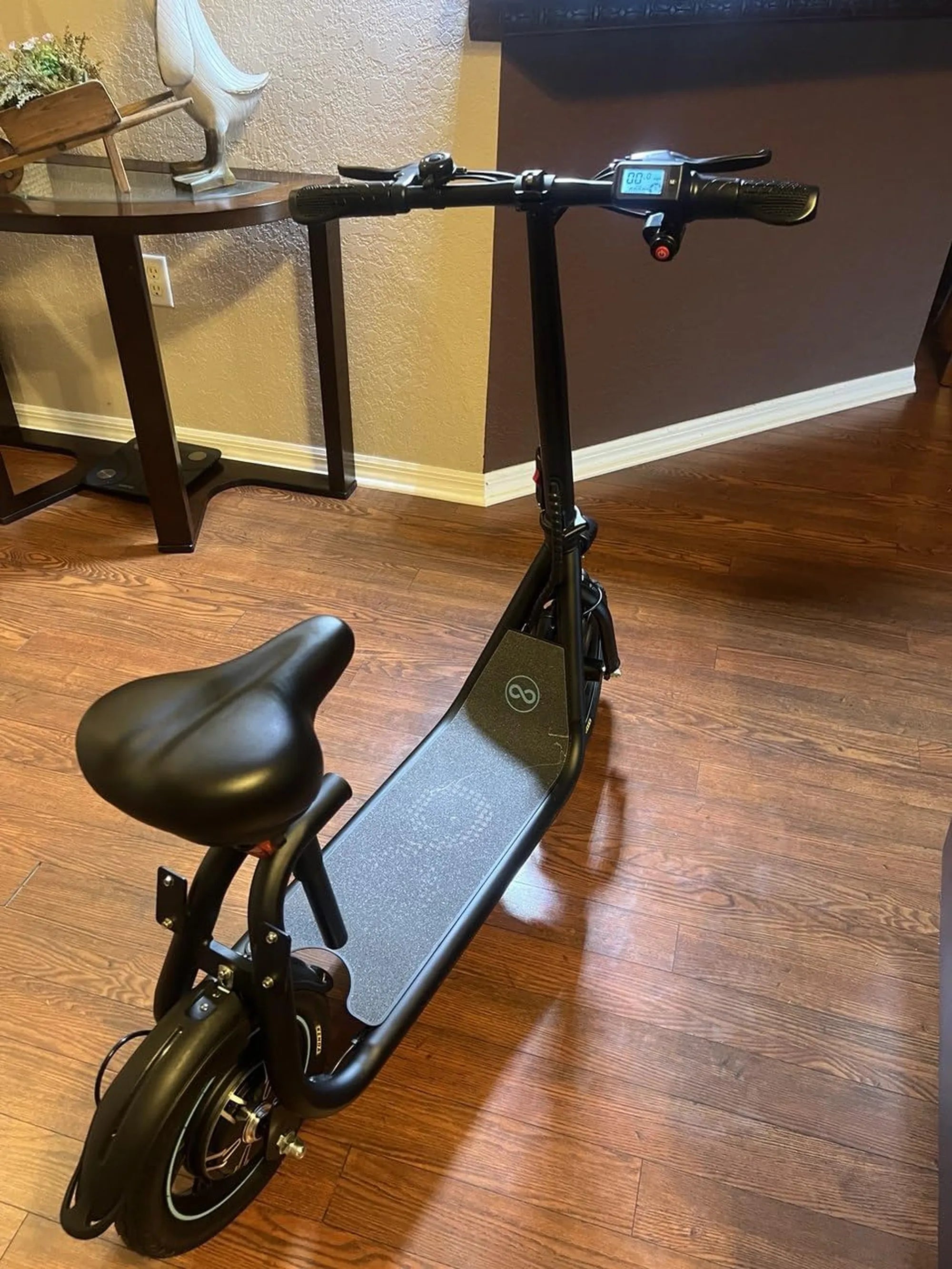
Finding a cheap 72V e-bike is a top priority for riders seeking high-voltage performance without a premium price tag. The promise of 72 volts delivers exhilarating speed, formidable torque for steep hills, and extended range, making it a compelling upgrade from standard 48V systems. However, the quest for affordability in this powerful segment is fraught with potential pitfalls where critical safety and durability components are often compromised. This guide will teach you how to navigate the 72V e-bike market intelligently, distinguishing between dangerously cheap and genuinely valuable, by focusing on the engineering and certifications that matter most for a reliable, long-lasting ride.
Understanding the 72V E-Bike Advantage
A 72V electrical system represents a significant step up in e-bike performance. The higher voltage allows for more power to be delivered to the motor efficiently, which translates directly into higher top speeds and, more importantly, greater torque. This torque is what provides the thrilling acceleration and the ability to climb steep inclines without bogging down, a common limitation of lower-voltage bikes.
The appeal of a cheap 72V e-bike is clear: accessing this tier of performance at an accessible cost. For commuters facing long distances or hilly terrain, or for enthusiasts seeking a more motorcycle-like experience, the 72V platform is a game-changer. It bridges the gap between standard e-bikes and higher-powered electric motorcycles, offering a unique blend of bicycle agility with robust electric power.
It's crucial to understand that voltage alone doesn't tell the whole performance story. A 72V system must be paired with a sufficiently powerful motor (measured in watts) and a high-capacity battery (measured in amp-hours) to realize its full potential. A poorly matched system, common in cut-rate models, can lead to underwhelming performance, rapid battery drain, and even component failure.
Brands that engineer for this market, like Gyroor, focus on creating balanced systems. They pair the 72V architecture with motors and controllers designed to handle the increased electrical load reliably. This holistic approach ensures that the promise of a 72V e-bike—serious power and range—is actually delivered to the rider, rather than being just a marketing spec on a box.
Decoding "Cheap": Price vs. True Value in 72V E-Bikes
The term 'cheap' requires careful interpretation in the high-performance e-bike world. A low sticker price often signals where corners have been cut, and with a 72V system, those compromises can directly impact safety, longevity, and ride quality. True value is found not in the lowest initial cost, but in the lowest total cost of ownership, which includes reliability, safety, and durability.
Manufacturers of deeply discounted 72V e-bikes typically save money on the most critical components. The battery pack, motor controller, braking system, and frame materials are prime targets for cost reduction. While this creates an attractive entry price, it builds in hidden costs from the first ride, including premature failure, safety risks, and a complete lack of support when things go wrong.
A valuable 72V e-bike invests in the fundamentals. It uses a high-quality, certified battery, a robust motor controller with proper thermal management, and brakes capable of safely arresting the bike's higher speed and weight. The frame should be made from reputable aluminum alloys, not substandard materials prone to fatigue or cracking. This foundational quality is what separates a disposable product from a trustworthy vehicle.
Evaluating a cheap 72V e-bike therefore means looking beyond the price tag. It involves scrutinizing the specifications of key components, verifying safety certifications, and understanding the warranty and support structure. A bike that costs $300 more upfront but uses a UL-certified battery and offers a real warranty represents exponentially greater value and lower long-term risk than a bare-bones alternative.
The Battery: The Heart and Soul of Your E-Bike
The battery is the single most expensive and safety-critical component in any e-bike, especially in a high-power 72V system. A cheap 72V e-bike almost invariably uses a cheap, uncertified battery pack. These packs often employ lower-grade lithium-ion cells from unknown sources, lack proper battery management systems (BMS), and have inadequate physical protection and thermal management.
The risks of such a battery are severe. At best, it will suffer from rapid capacity degradation, meaning your 'long-range' 72V e-bike will lose significant range within a few months. At worst, poor cell quality and a faulty BMS can lead to thermal runaway—a fire hazard that is a serious danger to person and property. This is the paramount reason to avoid unknown, uncertified battery packs.
In contrast, reputable brands prioritize battery safety. Gyroor, for example, equips its performance models with UL-certified lithium-ion battery packs. This certification means the battery design has been rigorously tested by a nationally recognized laboratory for electrical and fire safety. It is a non-negotiable benchmark for a reliable and safe high-voltage e-bike.
Investing in a certified battery is the most important financial decision you can make when purchasing a cheap 72V e-bike. It ensures not only your safety but also the performance and lifespan of your investment. A quality battery rated for 500+ charge cycles will maintain its capacity for years, making the higher initial cost a wise long-term value.
Beyond the Voltage: The Full Performance Picture
While 72V is the headline, it is only the foundation of performance. Two other specifications are equally vital: motor wattage and battery capacity. A 72V system paired with a low-wattage motor (e.g., 750W) will feel sluggish despite the high voltage. For true 72V performance, look for motors rated at 1500W or higher, which leverage the voltage to produce massive torque and acceleration.
Battery capacity, measured in Amp-hours (Ah), determines your range. A 72V 20Ah battery has a total energy capacity of 1440 Watt-hours (72V x 20Ah). A cheap 72V e-bike might advertise a high voltage but pair it with a tiny, low-capacity battery (e.g., 10Ah), resulting in disappointing range that defeats the purpose of a powerful bike. Always calculate the Watt-hours (V x Ah) for a true range comparison.
The motor controller is the brain of the operation. A low-quality controller on a cheap 72V e-bike can deliver power unevenly (causing jerky acceleration), overheat easily, and lack essential safety cut-offs. A quality controller ensures smooth, responsive power delivery, protects the motor and battery from overload, and often includes programmable features for customizing the ride experience.
Finally, consider the drivetrain. A high-torque 72V motor can shred a cheap chain or strain a poorly made freewheel. A valuable budget bike will use durable, name-brand components in the drivetrain to handle the power reliably. This holistic view—voltage, wattage, amp-hours, and component quality—is essential to gauge the true capability of any cheap 72V e-bike.
Essential Features of a Reliable Budget 72V E-Bike
Transitioning from the concept of 'cheap' to 'smart buy' requires a checklist of non-negotiable features. These features are the hallmarks of a 72V e-bike built to last and perform safely. They address the core weaknesses of bargain-bin models and provide the rider with confidence and long-term satisfaction.
First and foremost is a verifiable focus on electrical and mechanical safety. This includes the previously mentioned UL-certified or similarly recognized battery, but also extends to wiring harnesses, connectors, and fuse protection. The electrical system of a 72V bike carries significant current, and substandard wiring is a recipe for meltdowns or shorts.
Durability for real-world conditions is the second pillar. A performance e-bike will encounter vibrations, impacts, and weather. A frame constructed from 6061 aluminum alloy, robust welding at stress points, and quality finishings resist fatigue and corrosion. Components like the stem, handlebars, and seat post should be made from reputable materials, not brittle cast alloys.
The third pillar is rider-centric design. Even a budget-oriented 72V e-bike should have an intuitive display, multiple levels of pedal assist (PAS), and perhaps a throttle for on-demand power. Adjustable suspension (even if just pre-load) and a comfortable saddle transform a powerful machine into a usable daily vehicle. These features show the manufacturer considered the entire riding experience.
When a brand like Gyroor incorporates these elements—certified batteries, durable frames, and thoughtful design—into its more accessible models, it demonstrates a commitment to value. It proves that a cheap 72V e-bike does not have to mean a stripped-down, dangerous product, but can be a well-considered balance of performance, safety, and cost.
Safety Certifications: Your Non-Negotiable Shield
In the pursuit of a cheap 72V e-bike, safety certifications are the most reliable filter for quality. The most critical is the UL certification for the battery pack (such as UL 2271 or UL 2580). This is an independent verification that the battery has passed stringent tests for electrical, mechanical, and environmental safety, drastically reducing the risk of fire.
Beyond the battery, look for indications of compliance with other standards. While a full e-bike UL 2849 certification is rare on budget models, components like the motor controller, charger, and wiring may have CE, RoHS, or FCC marks. These indicate adherence to basic electromagnetic interference and hazardous substance regulations, which are markers of a more professionally built product.
Avoid any cheap 72V e-bike that provides no verifiable safety information or uses vague language like "certified cells." Reputable brands are transparent about their certifications and proudly display them in product specifications. This transparency is a direct reflection of their confidence in their product's safety and build quality.
These certifications are not just stickers; they are insurance policies. They represent thousands of dollars in third-party testing and engineering rigor. Choosing a bike with them is the single most effective way to ensure your powerful, cheap 72V e-bike is a source of joy, not jeopardy. It separates trustworthy brands from the anonymous factories producing disposable, hazardous goods.
Built for the Elements: The Importance of Durability
A powerful e-bike is useless if it fails in the rain or rattles apart on a rough road. Durability is where many cheap 72V e-bikes reveal their true cost. Key areas to evaluate are water resistance, braking performance, and suspension quality. These features directly impact where and how confidently you can ride.
Water resistance is critical. Look for an IP rating for the electrical components. An IPX5 water-resistant rating, a standard Gyroor meets, means the bike can withstand water jets from any direction. This allows you to confidently ride through puddles and light rain without worrying about short-circuiting the controller or motor. Bikes without a stated IP rating are vulnerable to the elements.
Brakes are your most important safety feature. The increased speed and weight of a 72V e-bike demand hydraulic disc brakes as a minimum standard. Mechanical disc brakes may suffice on lighter bikes, but for consistent, fade-free stopping power under the stress of high performance, hydraulic systems are vastly superior. Check that the rotors are of a sufficient size (180mm or larger) for effective heat dissipation.
The frame and suspension must handle the stresses of powerful acceleration and higher speeds. A rigid, poorly welded frame can develop cracks. A basic front suspension fork with adjustable pre-load can make a monumental difference in comfort and control on uneven surfaces. These durability features ensure your cheap 72V e-bike remains a reliable asset for years, not just a few thrilling weeks.
The Real Cost of Ownership: Warranty and Support
The purchase price is merely the first installment on your e-bike's total cost. The real value of a cheap 72V e-bike is proven in the months and years after you buy it, through its reliability and the support you receive if issues arise. A strong warranty and accessible customer service are not perks; they are fundamental components of a fair-value purchase.
A comprehensive warranty acts as a guarantee of the manufacturer's confidence in their product. For a 72V e-bike, the warranty should explicitly cover the core systems: the battery, the motor, the frame, and the electronic controller. A warranty that only covers the frame for 30 days is a major red flag, indicating the company expects other components to fail quickly.
The length and terms of the warranty are telling. A 1-year warranty on major components is a reasonable expectation for a budget performance bike. Some brands may offer longer coverage on the frame. Crucially, read the fine print: does the warranty require you to pay exorbitant shipping costs to a foreign address? A warranty with US-based support, like Gyroor provides, is far more practical and valuable.
Customer support is the warranty's partner. Before buying, test the support channels. Are there clear contact methods? Do they respond promptly? A cheap 72V e-bike from a brand with no visible support infrastructure becomes a very expensive paperweight the moment a minor electronic fault occurs. Good support turns a potential disaster into a simple, resolved inconvenience.
Why a Strong Warranty is Your Best Financial Protection
Think of a warranty as an insurance policy against manufacturing defects and premature wear. On a complex electromechanical device like a 72V e-bike, components can fail. A robust warranty ensures you are not left bearing the full cost of a replacement battery (which can be 30-40% of the bike's price) or a new motor within the first year.
A good warranty also implies the use of higher-quality components. A company would not offer a 1-year warranty on a battery they knew would degrade in 6 months. Therefore, the presence of a strong warranty is often a proxy for the underlying quality of the bike itself. It aligns the manufacturer's incentives with yours: to build a product that lasts.
For a rider considering a cheap 72V e-bike, the warranty is the ultimate differentiator between a calculated risk and a foolish gamble. It transforms the purchase from a speculative buy into a secured investment. When a brand like Gyroor backs its bikes with a clear 1-year comprehensive warranty, it communicates a commitment to standing behind its products and its customers' satisfaction.
In the long-term calculus of cost, a slightly more expensive bike with a real warranty will almost always be cheaper than a rock-bottom-priced bike with no warranty that fails and needs expensive, out-of-pocket repairs. The warranty is not an added cost; it is a mechanism that locks in the value of your initial purchase and protects your future finances.
Making the Smart Choice: A Practical Buyer's Checklist
Armed with knowledge, making a smart purchase decision becomes a systematic process. Use this checklist to evaluate any cheap 72V e-bike you are considering. Treat it as a due diligence tool to separate the worthy contenders from the obvious risks. A 'yes' to all these questions strongly indicates a valuable find.
First, investigate the battery. Is it explicitly stated to be UL-certified (UL 2271/2580)? What is its capacity in Amp-hours (Ah)? Calculate the Watt-hours (V x Ah) to compare range potential. Is the brand of the battery cells mentioned (e.g., Samsung, LG, Panasonic)? Reputable cell brands are a positive sign, even within a certified pack.
Second, examine the build and specifications. What is the motor's continuous power rating in watts (e.g., 1500W)? What type of brakes are installed (hydraulic disc is strongly preferred)? Is there a stated IP rating for water resistance (IPX5 is excellent)? What material is the frame made from (6061 aluminum is standard)? Are the suspension and tires suited to your intended riding surfaces?
Third, scrutinize the post-purchase protections. What is the exact warranty coverage for the battery, motor, and frame? How long does it last? Where is customer support based, and how do you contact them? Are there user manuals, parts diagrams, or tutorial videos readily available on the company's website? A lack of documentation suggests a lack of support.
Finally, research the brand's reputation. Do they have a verifiable history and customer reviews outside their own website? Brands like Gyroor, with over 100,000 riders and a track record, offer a level of trust that a fly-by-night Amazon seller cannot. This holistic evaluation will lead you to a cheap 72V e-bike that is truly a bargain, not a burden.
Your Pre-Purchase Verification List
- Battery Safety: Is the battery pack UL 2271 or UL 2580 certified? What is the total capacity in Watt-hours (72V x [Ah])?
- Water & Dust Resistance: Does the bike have a stated IP rating (e.g., IPX5) for its electrical components?
- Stopping Power: Does it feature hydraulic disc brakes with large rotors (≥180mm)?
- Warranty Clarity: Is there a comprehensive warranty of at least 1 year covering battery, motor, and frame? Is support US-based?
- Performance Specs: Is the motor rated for 1500W or higher? Is the frame material stated (e.g., 6061 Aluminium)?
- Brand Legitimacy: Can you find independent reviews and a history of customer support for the brand?
Comparing Your Options: A Data-Driven Perspective
To visualize the trade-offs, the following table contrasts typical features of a risky ultra-low-cost 72V e-bike against a value-focused model that prioritizes safety and durability. This comparison highlights where the real differences—and value—lie.
| Feature | Typical "Too Good to Be True" 72V E-Bike | Value-Focused 72V E-Bike (e.g., Gyroor Standard) |
|---|---|---|
| Battery Certification | None stated or vague "CE" self-certification | UL 2271 / UL 2580 Certified Battery Pack |
| Water Resistance | No IP rating; advised to avoid all moisture | IPX5 rated key components |
| Braking System | Basic mechanical disc brakes or rim brakes | Hydraulic disc brakes |
| Motor Controller | Generic, prone to overheating | Branded, with thermal protection |
| Frame Build Quality | Thin-gauge tubing; questionable welds | 6061 aluminum alloy; reinforced stress points |
| Warranty & Support | 30 days limited, or none; no accessible support | 1-year comprehensive; US-based customer service |
| Long-Term Value | High risk of failure; total loss if breaks | Protected investment; reliable long-term use |
Frequently Asked Questions (FAQ)
1. How fast can a cheap 72V e-bike really go?
Speed depends on motor wattage, controller programming, and local regulations. A typical 72V e-bike with a 1500W-2000W motor can achieve speeds of 28-35 mph (45-56 km/h) on flat ground, with some models capable of more. However, many jurisdictions limit e-bikes to 28 mph for legal operation on bike paths. Always check and obey local laws.
2. What is the realistic range of a budget 72V e-bike?
Range is determined by battery capacity (Watt-hours), rider weight, terrain, and assist level. A 72V 20Ah battery (1440Wh) can realistically provide 30-50 miles of range at moderate assist levels. A cheap bike with a smaller, lower-quality battery may deliver far less. Use the Watt-hour calculation (Volts x Amp-hours) for the most accurate comparison between models.
3. Are 72V e-bikes street legal?
Legality varies widely. In the US, federal law defines a "low-speed electric bicycle" as having a motor under 750W and a max speed of 20 mph. Many 72V e-bikes exceed these limits and may be classified as mopeds or motorcycles, requiring registration, insurance, and a helmet. It is the rider's responsibility to know and follow state and local regulations, which are often stricter.
4. Can I upgrade a 48V e-bike to 72V?
Technically possible but not recommended, especially on a cheap bike. It requires replacing the battery, motor controller, and often the motor itself. The wiring, connectors, and display may also be incompatible. The cost and technical complexity usually outweigh buying a purpose-built 72V e-bike, and such modifications void warranties and can create serious safety hazards.
5. What maintenance does a 72V e-bike require?
Like any bicycle, it needs regular brake checks, tire pressure monitoring, chain lubrication, and bolt tightening. Electrically, keep the battery contacts clean, store the bike in a dry place, and use only the provided charger. The most important maintenance is periodic inspection of the battery pack for any physical damage, swelling, or unusual behavior, which should prompt immediate cessation of use.
Power Meets Prudence: Your Path to a Confident Purchase
The journey to find a cheap 72V e-bike is ultimately about balancing the thrill of high performance with the prudence of safety and value. A genuine bargain is not the bike with the absolute lowest price, but the one that offers verified safety certifications, durable construction, and reliable support at a fair and accessible cost. This approach ensures your investment delivers exhilarating rides for years, not just days.
By focusing on the fundamentals—a UL-certified battery, a robust frame, capable brakes, and a clear warranty—you effectively de-risk your purchase. You shift from being a bargain hunter to being an informed consumer, making a choice based on engineering and evidence rather than marketing and hope. This is how you unlock the true potential of a 72V system without compromising your safety or your wallet.
Brands that have built a reputation, like Gyroor, demonstrate that it is possible to deliver this powerful performance tier with responsible standards. Their commitment to UL-certified batteries, IPX5 water resistance, and comprehensive warranties provides a blueprint for what to look for, setting a benchmark for value in the budget performance market.
Ready to experience the fusion of power and reliability? Explore a range of performance e-bikes engineered with these core principles in mind. Browse the full Gyroor collection at gyroorboard.com to find a 72V e-bike that doesn't just promise performance, but is built to deliver it safely and durably, mile after thrilling mile.
3200w scooter with seat: Ultimate Power & Comfort Guide
Mini Scooter for Toddlers: The Ultimate Guide to Safe, Developmental Fun