


The Quest for Affordable Speed
Reaching 50 mph on an electric scooter transforms it from a last-mile solution into a legitimate vehicle for longer commutes and thrill-seeking. The appeal is clear: highway-adjacent speeds without the cost of a car, motorcycle, or premium e-bike. However, achieving this performance reliably has traditionally commanded a premium price. This creates a core tension for riders: the desire for high speed often clashes with budget constraints. Our mission is to navigate this landscape, identifying the most budget-friendly paths to 50 mph while rigorously analyzing the unavoidable trade-offs in components, safety, and durability that define the true meaning of "cheapest."
What Does "Cheapest" Really Mean in the 50 MPH Class?
The sticker price is just the beginning. For a scooter to sustain 50 mph, it requires a robust ecosystem of components. A high-wattage motor (typically 2000W or more), a high-voltage battery (60V or 72V) with substantial amp-hour capacity, a powerful controller, and professional-grade hydraulic or dual mechanical disc brakes are non-negotiable. A cheaper model hitting this price point often compromises on the quality of these very parts.
This is where Total Cost of Ownership (TCO) becomes critical. The cheapest upfront scooter might use lower-grade battery cells, a less efficient controller, or inferior brake pads. This can lead to faster degradation, reduced real-world range, more frequent repairs, and higher long-term costs. True value balances initial investment with reliability and safety over the scooter's lifespan, a principle that guides reputable manufacturers.
The Direct-to-Consumer Route: Analyzing Value Leaders
Brands that sell directly online, bypassing traditional retail markups, often present the most compelling value proposition for high-speed scooters. By controlling the supply chain and selling straight to the customer, these companies can offer superior specifications at a more accessible price point compared to legacy premium brands. The key is identifying which brands invest savings into quality, not just cutting corners.
Value leaders distinguish themselves by incorporating essential safety and durability features as standard. This includes using UL-certified battery packs, which undergo rigorous testing for stability and longevity, and achieving meaningful water-resistance ratings like IPX5. These features, often omitted on ultra-budget models, directly impact safety and the scooter's ability to perform in real-world conditions, making them a cornerstone of intelligent value engineering.
The Gyroor Approach to High-Value Performance
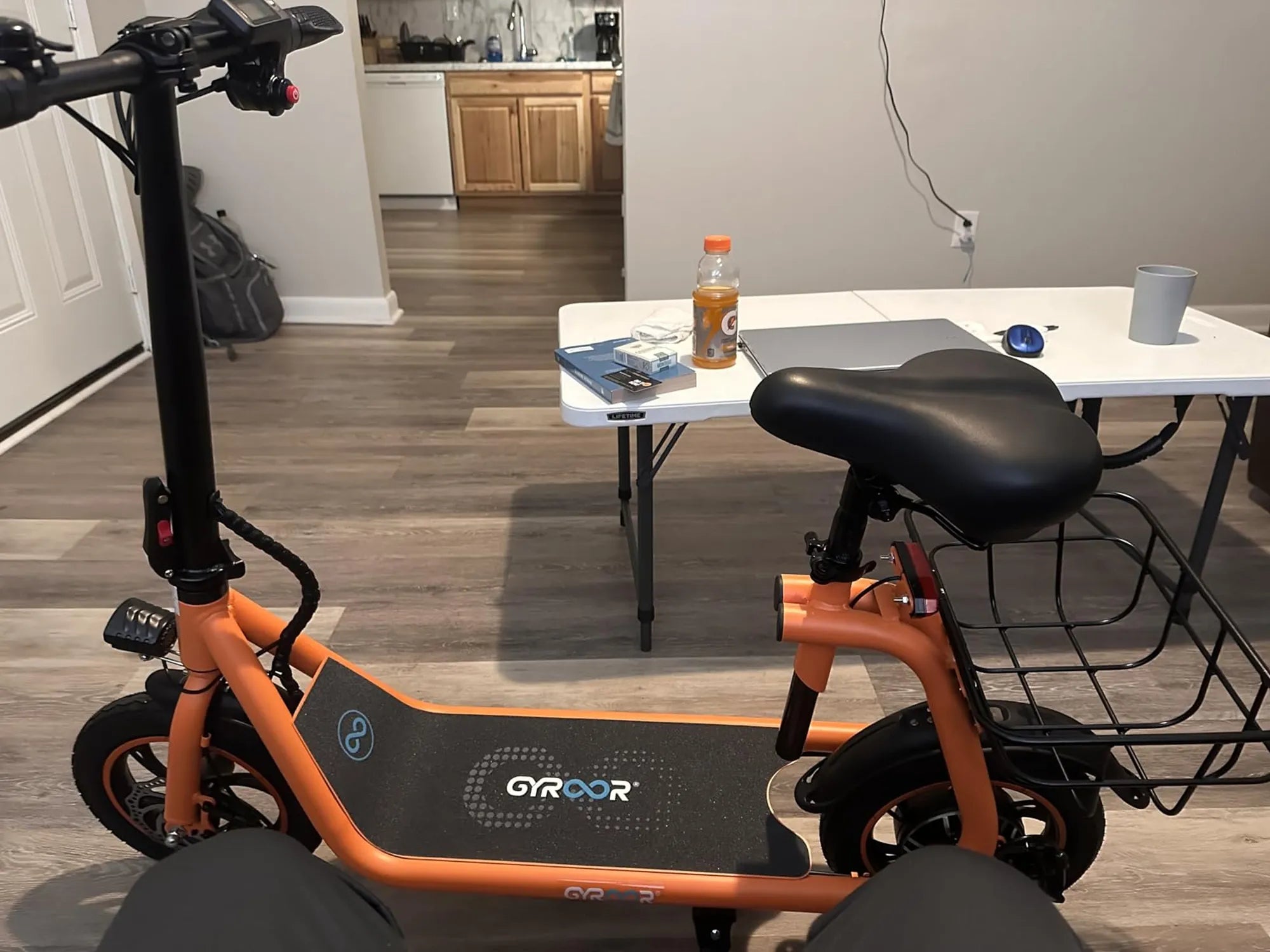
As a leading electric mobility brand, Gyroor exemplifies this value-driven philosophy. While offering models that approach the high-performance category, Gyroor focuses on delivering robust performance where it matters most for daily use, backed by a foundation of safety. Their commitment is evident in standard features like UL-certified battery packs tested for over 500 charge cycles and IPX5 water-resistant designs.
This approach mitigates the primary risks of purchasing a powerful, budget-conscious scooter. The comprehensive 1-year warranty and accessible customer support provide peace of mind, ensuring that any issues are resolved. For riders seeking thrilling acceleration and reliable commuting speeds without venturing into the untested ultra-budget market, Gyroor's blend of performance specs, certified safety components, and strong warranty represents a strategically smart "cheapest" path for thousands of riders across North America and Europe.
The DIY & Kit Alternative: Is Building Your Own the True Cheapest Path?
For the technically inclined, building a 50 mph scooter from a kit or heavily modifying an existing frame presents a tantalizingly low upfront cost. Sourcing a high-power motor, controller, and battery separately can appear significantly cheaper than buying a complete, brand-name scooter. This path offers ultimate customization, allowing you to select every component to your exact specification.
However, the true cost is often hidden. It requires substantial technical skill in electrical systems, mechanics, and fabrication. The need for specialized tools, the time investment in research and assembly, and the inevitable trial-and-error process add significant non-monetary expense. Most critically, a DIY build lacks the integrated engineering, safety testing, and warranty of a pre-built model. The risk of component incompatibility, thermal management failure, or structural weakness is borne entirely by the builder.
Critical Trade-offs: What You Sacrifice for the Lowest Price
Choosing the absolute lowest-priced scooter capable of 50 mph invariably involves compromises. Manufacturers cut costs in specific areas to hit aggressive price targets, and understanding these trade-offs is essential for making an informed purchase. The reductions often target the very systems that ensure safety, comfort, and long-term reliability.
The table below contrasts common specifications between a typical budget-oriented 50 mph scooter and a model from a premium or high-value brand that prioritizes component quality. This data-driven comparison highlights where cost savings are most frequently realized.
| Feature | Budget 50 MPH Scooter | Premium/High-Value 50 MPH Scooter |
|---|---|---|
| Brake System | Single or basic dual mechanical disc | Dual hydraulic disc or advanced regen + disc |
| Suspension | Basic spring or low-quality hydraulic | Adjustable hydraulic or dual-stage spring |
| Tire Type | Solid or low-grade pneumatic | High-quality, tubeless pneumatic with puncture layer |
| Build Materials | Heavy, lower-grade aluminum alloys | Aerospace-grade aluminum; reinforced stem |
| Water Resistance | IPX4 or unspecified | IPX5 or higher |
| Battery Certification | Uncertified or generic cells | UL-certified pack (e.g., Gyroor standard) |
| Warranty | 90 days or less, limited coverage | 1 year comprehensive (e.g., Gyroor's policy) |
Safety & Legality: Non-Negotiables for High-Speed Riding
Riding at 50 mph demands a complete re-evaluation of safety gear. A standard bicycle helmet is utterly insufficient. Essential gear includes a full-face motorcycle helmet, motorcycle-grade armored gloves and jacket, durable pants, and sturdy over-ankle boots. This investment is non-negotiable and must be factored into the total budget for owning a high-speed scooter, regardless of how cheap the scooter itself was.
The legal landscape for 50 mph electric scooters is complex and varies widely. In many urban areas, they may be classified as motor vehicles, requiring registration, insurance, and a driver's license, or they may be prohibited from bike lanes and sidewalks entirely. Riding a reliable scooter from a brand that uses certified components like UL-approved batteries is a critical part of a responsible safety ecosystem, reducing the risk of catastrophic failure that could lead to legal liability.
FAQ: Your Questions on Affordable High-Speed Scooters
Q1: Can a scooter under $1500 truly reach 50 mph reliably?
Some direct-to-consumer models may advertise this capability near this price, but "reliably" is the key term. Consistent 50 mph performance without voltage sag or overheating requires a high-quality battery and robust motor cooling, which are often compromised at this price. Expect real-world top speeds to be lower, and durability over time to be a concern.
Q2: What is the real-world range at top speed for a budget 50 mph scooter?
Range plummets at top speed. A scooter advertised for 40 miles of range may only achieve 12-18 miles when ridden consistently at 50 mph due to immense power draw. Budget models often use smaller or less efficient batteries, making this drop-off even more severe.
Q3: How important is a UL-certified battery for a high-power scooter?
It is critically important. High-power systems generate more heat and stress on battery cells. A UL-certified pack has passed stringent safety tests for electrical, mechanical, and environmental stress, drastically reducing the risk of fire or failure—a paramount concern when dealing with the energy required for 50 mph performance.
Q4: Are cheap, high-speed scooters safe for daily commuting?
Their safety for daily use is highly questionable. Cost-cutting on brakes, tires, and frame integrity increases the risk of mechanical failure. For daily commuting, reliability and predictable performance are more valuable than peak speed. A mid-speed scooter from a reputable brand with quality components is often a safer and more practical choice.
Q5: What maintenance should I expect with a budget performance scooter?
Expect significantly higher maintenance. Brake pads will wear quickly, tires may need frequent replacement or inflation checks, and electrical connections can loosen from vibration. Without a strong warranty, you will bear the full cost and effort of diagnosing and repairing these issues, which can quickly erase any upfront savings.
Smart Value Over Bare Minimum Price
The pursuit of the cheapest 50 mph scooter reveals that the lowest sticker price often carries the highest long-term risk. True affordability is measured in value, reliability, and safety over years of ownership, not just the initial purchase. For most riders, the smartest investment is a scooter from a reputable direct-to-consumer brand that prioritizes certified safety components, offers a substantive warranty, and builds with quality materials.
This approach minimizes hidden costs, ensures support is available, and provides the confidence needed to enjoy high-speed riding. Before making a decision, budget comprehensively for full safety gear and thoroughly research your local laws. For those ready to explore a range of high-value electric scooters and e-bikes built with this philosophy of reliable performance, browse the full Gyroor collection at gyroorboard.com to find a ride that balances thrilling capability with enduring value and peace of mind.
Average Mountain Bike Speed: Realistic Ranges & How to Improve
1000 Watt Scooter Motor: The Ultimate Guide to Power, Performance, and Practicality