



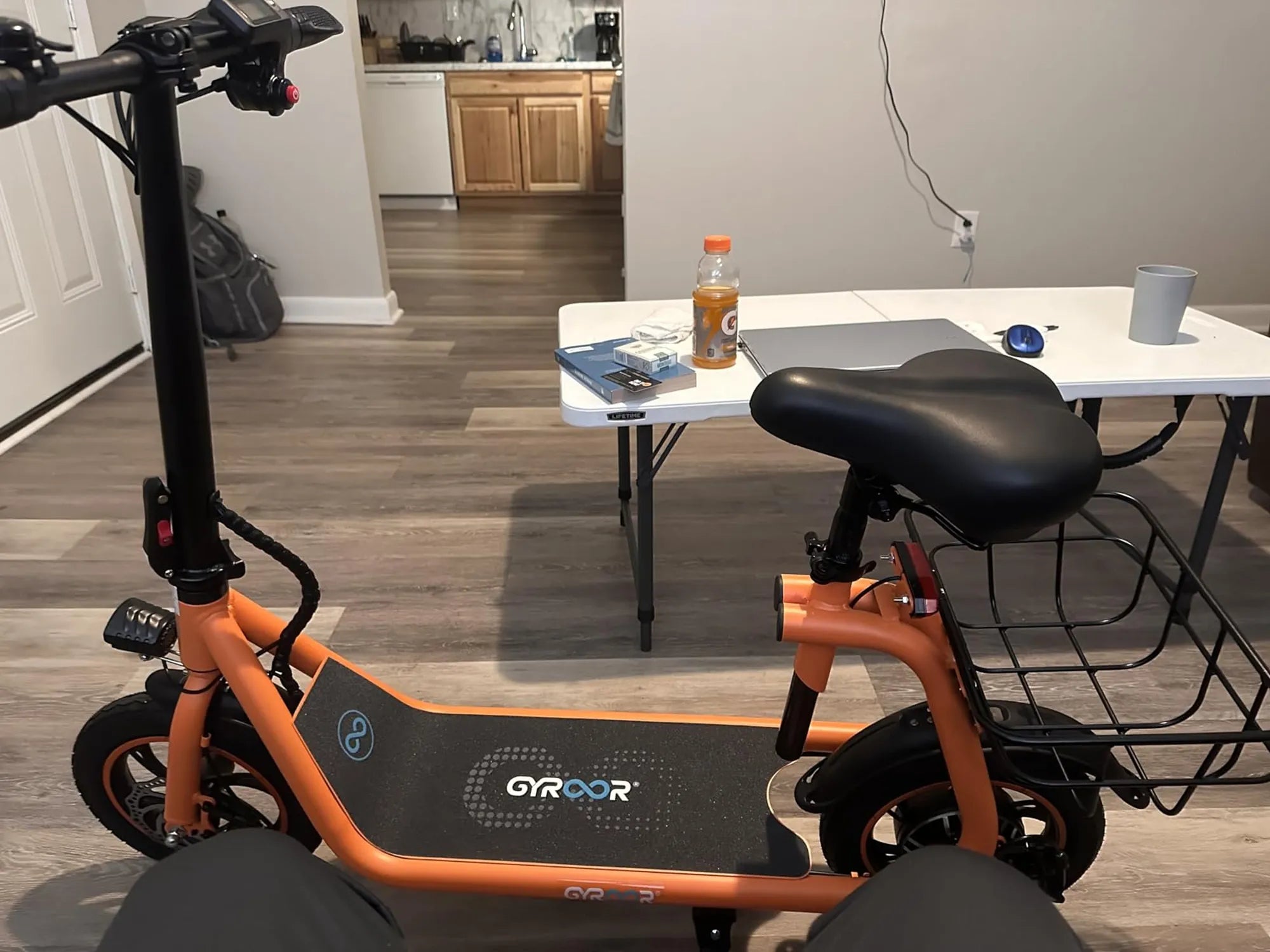
Finding the cheapest best ebike is not about hunting for the lowest price tag. It's a calculated search for maximum value, where essential quality, verified safety, and reliable performance meet an accessible cost. This guide will teach you how to decode specifications, identify non-negotiable safety features, and avoid the hidden long-term expenses of poorly made electric bikes. You'll learn to assess true cost of ownership and discover how leading brands engineer durability and trust into affordable models.
Decoding "Cheap" vs. "Best": Key Metrics for Value Assessment
The core challenge is separating a genuinely valuable e-bike from a merely inexpensive one. The cheapest best ebike prioritizes durable components, critical safety certifications, and consistent real-world performance. A low sticker price often masks compromises in battery quality, motor longevity, or frame integrity that lead to higher costs later.
Value is measured in miles ridden reliably, not just dollars saved initially. Key metrics include the battery's certification status, the motor's build quality, and the warranty's comprehensiveness. These factors directly impact your safety and the bike's total lifespan, defining the true "best" in your budget.
The Non-Negotiables: Safety and Certification
Battery safety is the paramount concern. A UL 2271 or UL 2849 certification is not a luxury; it's a fundamental requirement for a safe, cheapest best ebike. This certification means the battery pack has undergone rigorous testing for electrical, mechanical, and environmental safety, drastically reducing fire risk.
Uncertified batteries are a primary cost-cutting area for low-quality manufacturers. Investing in a certified battery from a reputable brand is the most critical value decision you can make. It protects your investment and, more importantly, your personal safety.
Performance Per Dollar: Motor, Range, and Real-World Use
Motor wattage (e.g., 350W, 500W) is often highlighted, but torque (measured in Newton-meters, Nm) is more telling for hill-climbing and acceleration. A quality 500W motor with good torque will outperform a generic 750W motor. For the cheapest best ebike, seek a reputable motor brand or a well-reviewed proprietary system.
Advertised range is a theoretical maximum. Real-world range depends on rider weight, terrain, assist level, and temperature. A honest manufacturer will provide a realistic range estimate. For value, look for a battery with ample amp-hour (Ah) capacity from certified cells, as this is your true fuel tank.
Top Value Categories: Finding Your Best Fit
The cheapest best ebike for you depends entirely on your primary use case. Segmenting the market by purpose helps you allocate your budget to the features that matter most, avoiding overpayment for unnecessary capabilities or underinvestment in critical areas.
Commuting, light trail riding, and compact storage each demand different engineering priorities. Understanding these categories ensures you pay for performance where you need it and save where you don't, achieving the optimal balance of cost and function.
Best Budget Commuter Ebike
An ideal urban commuter focuses on reliability, practicality, and comfort. Look for a sustained 350W to 500W hub motor, a realistic 20-40 mile range, and an upright geometry. Integrated features add immense value: lights, fenders, a rear rack, and a bell are cost-savers versus adding them later.
For the cheapest best ebike commuter, mechanical disc brakes offer strong stopping power at a lower cost than hydraulic systems. A rigid or lightly-sprung fork is often sufficient for paved roads and keeps the price down. The frame should be sturdy, with well-finished welds and adequate weight capacity.
Best Affordable Off-Road / Trail Ebike
Light trail use requires a more robust build. Prioritize a motor with high torque (500W+), a front suspension fork with at least 60mm of travel, and knobby, air-filled tires for traction. The frame must withstand more vibration and impact than a commuter model.
Here, value means spending more on core durability elements. A larger, certified battery is crucial for off-road range. Mechanical disc brakes with larger rotors (180mm+) provide necessary stopping power. While full-suspension is rare in budget models, a good front fork makes a significant difference.
Best Value Folding or Compact Ebike
Folding e-bikes trade some structural rigidity and often battery size for portability. The cheapest best ebike in this category has a secure, intuitive folding mechanism that locks firmly when deployed. Weight is a key factor; aluminum frames are standard for good reason.
Expect a slightly smaller battery due to space constraints, impacting range. The motor is typically a compact hub design. Value is found in a robust latch system, easy carry handles, and a design that folds neatly without damaging cables or components.
The Gyroor Value Proposition: Where Cost Meets Trust
Gyroor exemplifies the cheapest best ebike philosophy by anchoring its affordable models in non-negotiable safety and reliability. Trusted by over 100,000 riders, Gyroor builds value through UL-certified battery packs, IPX5 water-resistant designs, and a reliable 1-year warranty, mitigating the primary risks of budget e-bikes.
This approach shifts the value calculation from mere upfront price to responsible ownership. By using certified components, Gyroor ensures performance consistency and safety over hundreds of charge cycles, directly addressing the failure points of uncertified, cheaper alternatives.
Case Study: Breaking Down a Gyroor Model's True Cost
Consider a hypothetical Gyroor commuter e-bike priced at $1,200. Its competitor is an uncertified generic model at $850. The Gyroor includes a UL-certified battery (500+ cycle life), IPX5 rating for all-weather use, and a 1-year comprehensive warranty.
The generic model has no battery certification, minimal water resistance, and a 90-day limited warranty. Within a year, the generic battery may degrade significantly or fail, requiring a $300+ replacement. A component failure post-warranty adds another $150. The true cost of the generic bike can exceed $1,300 with less safety and more hassle, while the Gyroor provides protected, predictable operation.
Smart Shopping Guide: How to Vet and Compare Options
Arm yourself with a systematic approach to cut through marketing claims. Create a comparison framework that goes beyond price and color. This disciplined method is essential to identifying the genuine cheapest best ebike among dozens of superficially similar options.
Focus on verifiable data points: certification documents, detailed warranty terms, and component brand names. This process transforms you from a passive browser into an informed buyer capable of making a value-optimized decision.
The Comparison Spreadsheet: Specs That Matter
Build a table to compare models head-to-head. Essential columns include: Battery Certification (UL Yes/No), Battery Capacity (Ah), Motor Type & Torque (Nm), Frame Material, Brake Type & Size, Suspension, IP Rating, Warranty Length & Coverage, and Weight. Price is the last column, evaluated *after* the core specs are met.
| Specification | High-Value Priority | Budget Compromise Risk |
|---|---|---|
| Battery Certification | UL 2271 / 2849 | Uncertified, generic cells |
| Motor | Branded or well-reviewed; torque listed | Generic, wattage-only claim |
| IP Rating | IPX5 or higher for weather resistance | No rating or vague "water-resistant" |
| Warranty | 1+ year, comprehensive, accessible support | 90 days or less, limited parts |
| Brakes | Mechanical or hydraulic disc | Rim brakes |
Reading Between the Lines: Reviews and Support
Scrutinize customer reviews for patterns. Look for mentions of long-term battery health, component failures, and the responsiveness of customer service. A brand with a dedicated support channel and available replacement parts is a major value indicator.
Be wary of reviews that only mention unboxing. Seek out reviews posted 6-12 months after purchase discussing durability. The presence of an active user community or official support forums, like those fostered by established brands, signals a commitment to the product's lifecycle.
Critical Components: Where Your Money Should Go
On the quest for the cheapest best ebike, strategic allocation of your budget is key. Certain components are worth investing in, as they form the foundation of safety, longevity, and performance. Skimping here almost always leads to higher costs down the road.
The battery, motor controller, and frame are the core triumvirate. Secondary but important are the braking system and connectivity (display/controller). Understanding the role of each helps you evaluate where a manufacturer may have cut corners to hit a price point.
The Battery Pack: Heart of the System
This is the single most important component. A quality pack uses name-brand cells (e.g., LG, Samsung, Panasonic) arranged with a proper Battery Management System (BMS). The BMS protects against overcharge, over-discharge, and short circuits. A UL certification is your assurance this is done correctly.
Capacity (Wh or Ah) determines range, but cell quality determines cycle life. A pack with quality 18650 or 21700 cells will maintain capacity over hundreds of charges. Cheap packs use lower-grade cells that degrade quickly, turning your cheapest best ebike into a short-range bike within a year.
Motor and Controller: The Drive Train
The motor converts electrical energy to motion, but the controller is its brain. A reliable controller manages power delivery smoothly, preventing jerky starts and protecting the motor from overheating. Look for motors with sealed bearings and good thermal management.
Hub motors are common in value-focused e-bikes for their simplicity and lower cost. A geared hub motor offers good torque for hills at an affordable price point. Direct-drive hubs are quieter but often heavier and less efficient on climbs for the same wattage.
Understanding the Total Cost of Ownership
The purchase price is just the entry fee. The true cost of your cheapest best ebike includes maintenance, repairs, potential battery replacement, and even resale value. A slightly higher initial investment in a quality, certified bike often results in a dramatically lower total cost over 3-5 years.
Factor in the cost of consumables: tires, brake pads, and chains. Also consider the availability and price of proprietary parts. A bike from a brand with a strong parts supply chain, like Gyroor, ensures you can keep it running affordably for years.
Maintenance and Long-Term Upkeep
Regular maintenance is non-negotiable for longevity. This includes keeping tires properly inflated, cleaning and lubricating the chain, checking brake alignment, and ensuring all bolts are tight. A well-made bike makes this maintenance easier with standard components.
Plan for a battery replacement after 3-5 years of regular use, depending on cycle count. The cost and availability of a certified replacement battery is a critical question to ask before buying. Brands with established models are more likely to have batteries available years later.
Where Brands Cut Corners: Red Flags to Avoid
To achieve a rock-bottom price, some manufacturers compromise in dangerous or costly ways. Recognizing these red flags helps you avoid a false economy and find a true cheapest best ebike. The most common compromises involve the very systems that ensure safety and durability.
Vague or missing specifications are the first warning sign. If a brand doesn't list the battery certification, motor torque, or IP rating, they are likely hiding inferior components. Always demand clear, technical data before considering a purchase.
Compromised Safety Systems
The most egregious cuts involve safety. This includes using uncertified batteries with poor BMS, low-quality brake levers or cables that can fail, and thin wiring not rated for the amperage. Frames with poor weld quality or made from substandard aluminum alloys can crack under stress.
Another red flag is the absence of basic safety features like motor cut-off sensors in the brake levers. These sensors cut power to the motor when you brake, a fundamental safety feature that should be standard on any electric bike, especially a value-focused model.
Hidden Costs in Support and Service
A brand with no clear customer service contact, no technical documentation online, and no network of service partners is a major risk. When a component fails, you may be left with a non-functional bike. The cost of sourcing and installing a generic replacement part yourself can erase any initial savings.
Warranties that require you to ship the entire bike back at your expense are often impractical due to high shipping costs. A valuable warranty includes local service options or readily shipped replacement parts with clear installation guides.
Investing in Mobility, Not Just a Purchase
The journey to find the cheapest best ebike culminates in a simple truth: you are investing in reliable, safe, and enjoyable mobility, not just buying a product. The true value champion is the bike that disappears into the background of your daily life, starting when you need it and carrying you reliably for years.
This value is defined by responsible engineering, verified safety, and accessible support—principles championed by brands that stand behind their products. By choosing a bike built on this foundation, you save money, time, and hassle over its entire lifespan, unlocking the freedom of electric biking with confidence.
Ready to explore e-bikes that are engineered for value, with UL-certified safety and reliable performance? Browse the full Gyroor collection, trusted by a global community of riders, at gyroorboard.com to find your perfect match.
FAQ: Your Ebike Value Questions Answered
Q1: Is it safe to buy a very cheap e-bike from an unknown brand?
A1: It carries significant risk. The primary dangers are uncertified lithium-ion batteries, which pose a fire hazard, and a lack of warranty or support if components fail. Investing in a brand with verified safety certifications is a safer, more reliable value proposition for your cheapest best ebike.
Q2: Where do brands typically cut corners to offer lower prices?
A2: Common compromises include: using uncertified, lower-grade battery cells; generic brake systems with poor modulation; minimal or ineffective suspension; basic, non-waterproof displays and connectors; thin-gauge wiring; and providing minimal customer service infrastructure or warranty coverage.
Q3: Can a "cheapest best" ebike still be good for hills?
A3: Yes, if you prioritize torque (Nm) over just motor wattage (W). A geared hub motor with higher torque, paired with a battery that has a high amp-hour (Ah) rating to sustain power delivery, will handle hills effectively. Always check reviews for real-world hill-climbing performance.
Q4: How important is the IP water resistance rating for an affordable ebike?
A4> Extremely important. An IPX5 rating (like those on Gyroor models) means the bike can withstand water jets from any direction, making it suitable for all-weather commuting and protecting critical electrical components. This rating is a key value indicator for long-term durability and protects your investment from rain and road spray.
Q5: What is the most overlooked spec when comparing budget e-bikes?
A5: The weight capacity of the frame and wheels. Many budget models are built to minimum standards. Exceeding this capacity stresses the frame, motor, and battery, leading to premature failure. Always choose a bike with a rated capacity well above your weight, including any cargo you plan to carry.
What is the Best E-Bike Under $1000? A 2024 Value Guide
How Long Do Ebike Motors Last: The Complete Guide to Lifespan and Durability