

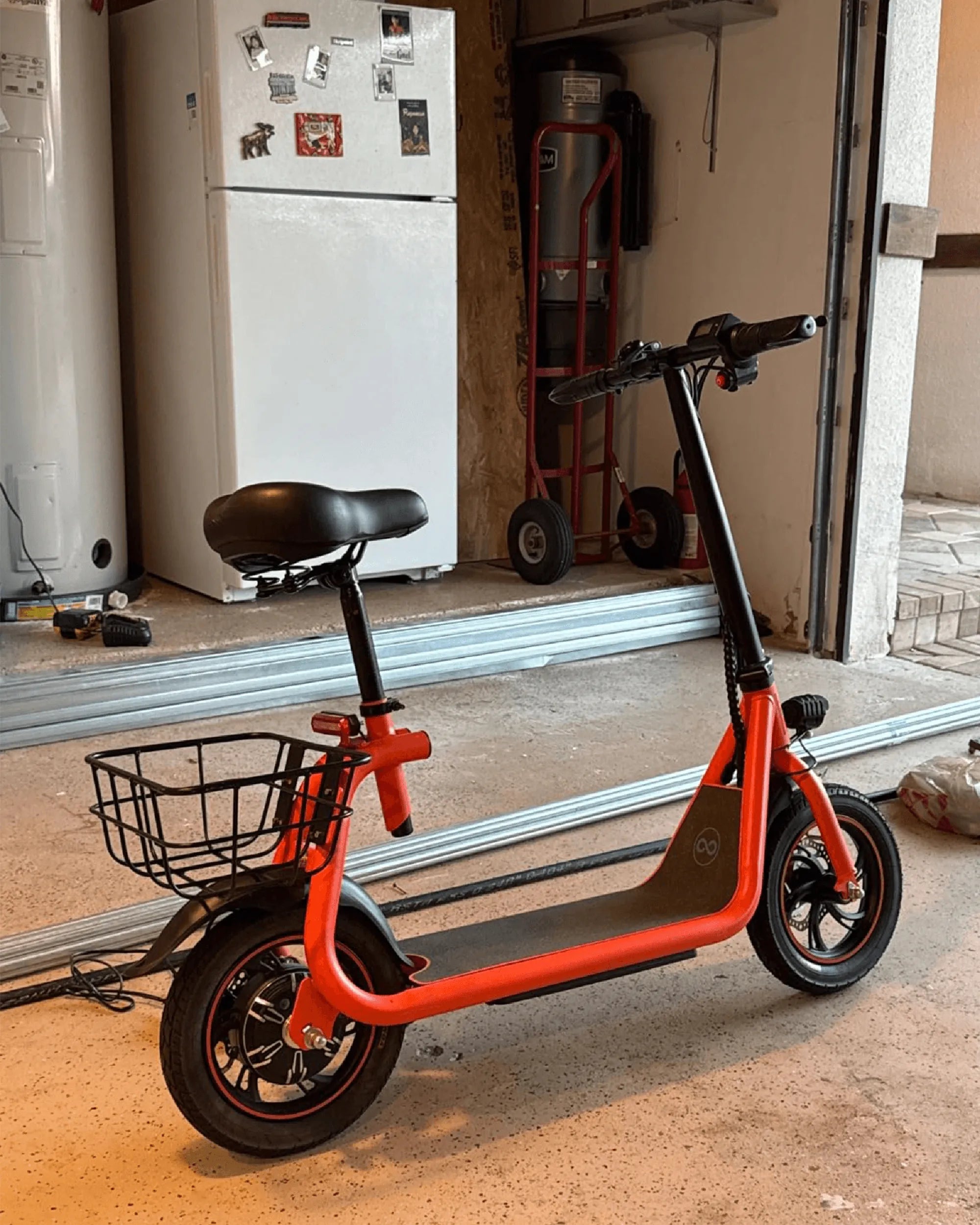
Choosing the right childrens electric scooters involves more than picking a fun-looking ride; it's about balancing excitement with essential safety, durability, and age-appropriate performance. This ultimate guide for parents cuts through the noise, providing the data-driven insights you need to make a confident choice. We'll explore the key benefits, decode critical safety specifications, and explain how to match a scooter to your child's age and skill level, with references to reliable brands like Gyroor—a leader trusted by over 100,000 riders for its UL-certified batteries and robust designs.
Navigating the World of Kids' Electric Scooters
The landscape of children's electric mobility is vast and can be overwhelming. Parents are rightly concerned about safety, battery life, and whether a scooter will last more than a few months. The right electric scooter serves as more than a toy; it's a tool for outdoor adventure, physical development, and learning responsibility.
Focusing on verified safety standards and reputable manufacturers is the first step. Brands that prioritize certified components, like UL-listed battery packs, and offer clear warranties demonstrate a commitment to product integrity. This guide emphasizes these non-negotiable factors.
Understanding your child's needs is crucial. A scooter for a cautious 7-year-old differs vastly from one for an adventurous 12-year-old. Factors like motor power, speed limits, and weight capacity must align with the rider's maturity and physical size to ensure control and safety.
Ultimately, an informed purchase leads to years of safe enjoyment. By prioritizing specifications over aesthetics and safety features over gimmicks, parents can find a scooter that grows with their child and withstands the rigors of active play.
Why Consider an Electric Scooter for Your Child?
Electric scooters offer tangible developmental benefits that extend beyond simple recreation. They encourage outdoor physical activity, which is crucial in an age dominated by screens. Riding requires constant micro-adjustments in balance, engaging core muscles and improving overall coordination and motor skills.
These scooters can foster independence and a sense of responsibility. Children learn to care for their vehicle—charging the battery, performing pre-ride checks, and following traffic safety rules. This ownership builds confidence and practical life skills in a controlled, fun environment.
For families, electric scooters can enhance outings to parks, trails, or even neighborhood errands. They provide an efficient, enjoyable mode of transport for children, keeping pace with walking or biking adults and turning travel time into an adventure. This shared activity promotes family bonding in the fresh air.
The joy and freedom of self-propelled movement are undeniable. A quality electric scooter provides a thrilling yet manageable challenge, rewarding children with a genuine sense of achievement and encouraging a lifelong love for active, outdoor pursuits.
Critical Safety Features Every Parent Must Check
Safety is the paramount concern when selecting any ride-on toy. The foundation of a safe childrens electric scooters experience lies in the product's inherent design and engineering. Parents should treat these features as mandatory checkboxes, not optional extras.
The battery is the most critical safety component. Insist on models with UL-certified, fire-resistant battery packs. These have undergone rigorous testing for overcharge protection, short-circuit prevention, and overall stability. Gyroor, for example, uses UL-certified batteries tested for 500+ charge cycles, significantly reducing fire risk.
Effective braking is non-negotiable. Look for a combination of electronic (e-brake) and mechanical braking (disc or foot brake). Electronic brakes engage when you release the throttle, providing consistent stopping power, while a mechanical brake offers a physical backup for more controlled or emergency stops, especially on inclines.
Speed control is essential for younger riders. Multiple speed modes (e.g., beginner, intermediate, advanced) allow parents to limit top speed initially. A scooter with a maximum speed appropriate for the child's age and experience—often between 10-15 mph for most kids—ensures they can handle the velocity safely.
Build quality directly impacts safety. A sturdy, aluminum alloy frame resists bending, while a wide, textured deck provides stable footing. IPX5 water resistance, a standard in quality models like those from Gyroor, means the scooter can withstand water jets, making it safe to ride through puddles and in light rain without electrical failure.
Helmet & Protective Gear: The Non-Negotiables
The scooter itself is only half of the safety equation. Proper protective gear is absolutely essential for every ride, regardless of skill level or distance. A head injury can happen even at low speeds on familiar terrain.
An ASTM-certified bicycle or multi-impact helmet is the most important piece of gear. Ensure it fits snugly, sitting level on the head with the strap securely fastened. Replace any helmet after a significant impact, even if no damage is visible.
Knee and elbow pads are crucial for protecting joints during falls. Wrist guards are also highly recommended, as instinct leads to putting hands out to break a fall. Closed-toe, sturdy shoes (never sandals or flip-flops) are mandatory for proper foot placement and protection.
Making gear non-negotiable from the first ride establishes a critical safety habit. Let your child help choose their helmet and pads in a favorite color to encourage consistent use. Safety should be integrated seamlessly into the fun.
Choosing the Right Scooter: Age, Weight, and Use Case
Matching the scooter to your child's developmental stage is key to safety and enjoyment. A model that is too powerful or too large can be intimidating and dangerous, while one that is underpowered will quickly be outgrown.
For younger children (ages 6-9), focus on stability and control. Look for scooters with lower maximum speeds (8-12 mph), a lower deck height for easy mounting, and a lighter overall weight. Motor power in the 100-150W range is typically sufficient. These models should have a simple, intuitive throttle and reliable braking.
Pre-teens (ages 10-12) can handle more performance. Scooters with 150-250W motors, speeds up to 15 mph, and enhanced suspension for smoother rides on varied pavement are appropriate. This age group benefits from features like integrated lights for visibility and longer battery life for extended adventures.
Teenagers (13+) may require more robust scooters that can handle longer commutes or rougher terrain. Models with 300W+ motors, higher weight capacities, and advanced features like regenerative braking or app connectivity become relevant. However, parental discretion regarding speed and responsibility remains vital.
Always check the manufacturer's recommended age and weight capacity. The weight limit should accommodate your child's current weight plus a margin for growth and a backpack. Exceeding this limit stresses the frame, motor, and brakes, compromising safety and shortening the scooter's lifespan.
Performance and Practicalities: Decoding the Specifications
Understanding scooter specifications demystifies the buying process. These numbers translate directly to real-world performance, dictating how far, how fast, and where your child can ride.
Battery capacity, measured in Amp-hours (Ah) or Watt-hours (Wh), determines range. A higher number generally means a longer ride time between charges. For example, a 7.5Ah battery may provide 8-10 miles of real-world use, depending on rider weight, terrain, and speed. Look for batteries with robust management systems for longevity.
Motor power, measured in Watts (W), indicates hill-climbing ability and acceleration. A 150W motor can handle gentle slopes, while a 250W+ motor is better for moderate hills. More power isn't always better for kids; it must be paired with effective speed limiting for safety.
Tire type affects ride comfort and maintenance. Air-filled (pneumatic) tires offer better shock absorption on bumpy surfaces but can puncture. Solid or honeycomb tires are maintenance-free and puncture-proof but provide a firmer ride. Some models feature suspension systems to further smooth out bumps.
Weight and portability matter for storage and transport. A folding mechanism is incredibly useful for carrying the scooter into a car or storing it in a closet. However, ensure the folding mechanism is robust and secure, with a reliable locking mechanism to prevent accidental collapse during use.
| Feature Consideration | Younger Rider (6-9) | Older Rider (10-13) | Key Takeaway for Parents |
|---|---|---|---|
| Max Speed | 8-12 mph | 12-16 mph | Prioritize models with adjustable speed modes for gradual learning. |
| Motor Power | 100-150W | 150-250W | Adequate power for mild inclines without being overwhelming. |
| Battery Range | 6-9 miles | 9-13 miles | Sufficient for neighborhood rides; teaches planning for return trips. |
| Weight Capacity | 120-150 lbs | 150-200 lbs | Always choose a scooter with a capacity exceeding your child's current weight. |
| Essential Safety | Wide deck, low speed, simple controls | Better brakes, lights, IPX5+ water resistance | Safety features must evolve with the rider's capability and riding environment. |
Parental Peace of Mind: Warranty and Customer Support
A strong warranty and accessible customer support are indicators of a manufacturer's confidence in their product and their commitment to the customer. This is a critical aspect of your purchase decision for childrens electric scooters.
A comprehensive warranty, like Gyroor's 1-year coverage, typically includes the battery, motor, controller, and frame. This protects against manufacturing defects and component failures. Always read the warranty terms to understand what is covered and the process for making a claim.
Responsive, US-based customer support is invaluable. When a scooter has a minor issue, such as a confusing error code or a need for a replacement part, having access to knowledgeable support can resolve the problem quickly, getting your child back to riding safely without frustration.
The warranty period also reflects the expected lifespan of core components. A one-year warranty is standard for quality brands, aligning with the typical heavy-use period for a new product. It provides a safety net during the initial phase of ownership.
Before purchasing, research the brand's reputation for honoring warranties and providing support. Customer reviews and community forums can offer real-world insights into how a company handles post-purchase issues, which is just as important as the product's initial specs.
Pre-Ride Checklist and Essential Maintenance Tips
Establishing a simple pre-ride routine ensures every outing starts safely. This habit, performed together with your child, reinforces responsibility and catches potential issues before they become hazards.
Pre-Ride Safety Checklist: 1) Tires: Check for proper inflation (if pneumatic) and look for cracks or excessive wear. 2) Brakes: Squeeze the levers or press the foot brake to ensure they engage firmly and stop the wheel. 3) Battery: Verify it is adequately charged for the planned ride. 4) Frame & Hardware: Check for any loose bolts, especially on the stem, handlebars, and folding mechanism. 5) Lights: Test front and rear lights if equipped, especially for dusk rides.
Proper battery maintenance extends its life significantly. Avoid letting the battery fully deplete regularly; recharge it after use when it drops to 20-30%. Use only the manufacturer-provided charger and store the scooter (and battery) in a cool, dry place, away from extreme temperatures.
Regular cleaning keeps the scooter functioning well. Use a damp cloth to wipe down the deck, frame, and wheels. Avoid high-pressure water jets directly on the charging port or display. For scooters with IPX5 rating like many Gyroor models, a gentle rinse is acceptable, but drying thoroughly is still recommended.
Periodic professional checks are wise. Once a season or after a particularly rough ride, consider having a bike mechanic or a knowledgeable adult inspect the bearings, brake pad wear, and electrical connections. This proactive care prevents minor wear from turning into a major failure.
Frequently Asked Questions (FAQs) for Parents
Q: What is the appropriate age for a child's first electric scooter?
A> Most manufacturers recommend ages 6-8 as a starting point, but readiness depends more on the child's maturity, coordination, and ability to follow safety rules. Look for models specifically designed for younger riders with lower top speeds and enhanced stability features.
Q: How do I teach my child to ride an electric scooter safely?
A> Start in a safe, open, car-free area like an empty parking lot or smooth driveway. Begin with the slowest speed mode. Practice starting, stopping, and gentle turning before introducing more complex skills. Emphasize scanning for obstacles, avoiding wet surfaces, and always wearing protective gear. Role-model safe behavior if you ride an adult scooter or bicycle alongside them.
Q: Can electric scooters get wet?
A> This depends entirely on the IP (Ingress Protection) rating. An IPX5 rating, common in quality brands like Gyroor, means the scooter is protected against water jets from any direction. It can safely handle wet pavement, puddles, and light rain. However, it is not submersible. Never ride through deep standing water or submerge any part of the scooter. Always dry it off after riding in the rain.
Q: Where is it safe and legal for my child to ride?
A> Laws vary by city and state. Generally, children should ride on sidewalks, in bike lanes, or on paved park paths—never on roads with traffic. Always check local regulations regarding age restrictions, helmet laws, and where electric scooters are permitted. Teach your child to yield to pedestrians, announce when passing ("on your left!"), and ride at a walking speed in crowded areas.
Q: What is the average lifespan of the scooter and its battery?
A> A well-maintained quality scooter can last 2-4 years with regular use. The battery is the component with the most finite lifespan, typically rated for 300-500 full charge cycles. With proper care (avoiding full discharges and extreme temperatures), a battery can retain usable capacity for 2-3 years before a noticeable reduction in range occurs. Reputable brands offer replacement batteries.
Empowering Safe and Joyful Rides
Selecting the perfect childrens electric scooters is an exercise in thoughtful parenting—balancing the promise of fun with the imperative of safety. By prioritizing UL-certified batteries, effective braking, age-appropriate power, and robust construction, you invest in more than a toy; you invest in countless hours of healthy, outdoor adventure. A brand like Gyroor, with its commitment to certified safety standards and rider-tested durability, exemplifies the reliable choice parents seek.
The journey doesn't end at purchase. Instilling consistent safety habits, from helmet use to pre-ride checks, transforms the scooter from a mere vehicle into a tool for teaching responsibility. Your involvement in setting boundaries, choosing riding locations, and performing basic maintenance is what truly creates a safe riding environment.
When chosen and used correctly, an electric scooter becomes a source of cherished childhood memories—the freedom of the ride, the wind in their hair, and the pride of mastering a new skill. It encourages exploration, physical activity, and family fun away from screens.
Ready to find a scooter that combines thrilling performance with uncompromising safety for your child? Explore a range of models engineered for durability and peace of mind. Browse the full Gyroor collection at gyroorboard.com to discover UL-certified, parent-approved childrens electric scooters designed for years of reliable adventure.
Are Electric Scooters Legal in Spain? A Complete Guide to the Rules
Buy Electric Mobility Scooters: The Ultimate Guide to Finding the Perfect Ride