

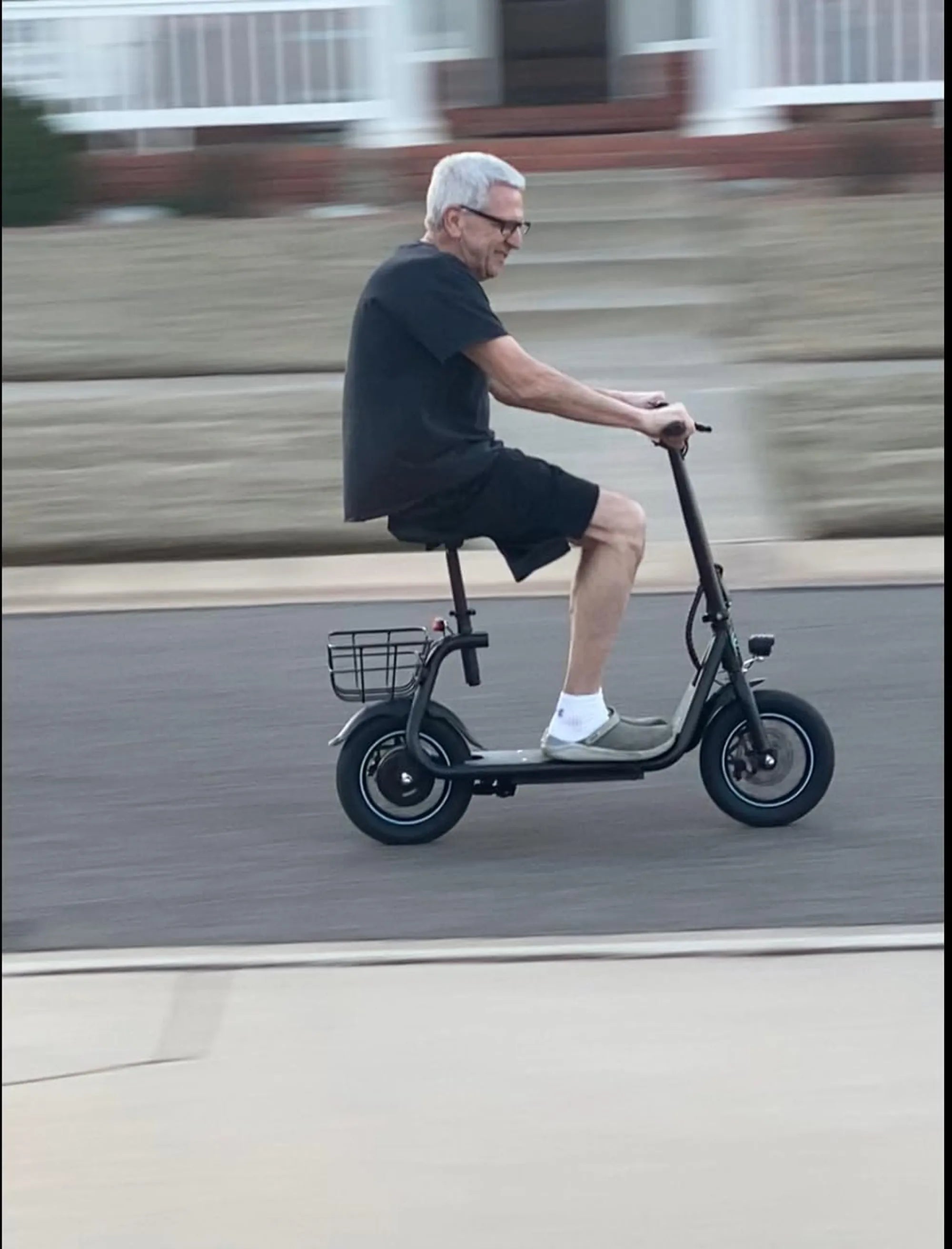
The China electric scooter market is experiencing unprecedented growth, fueled by a combination of urbanization, environmental awareness, and cutting-edge technology. As cities become more congested and pollution levels rise, consumers are increasingly turning to electric scooters as a convenient, eco-friendly alternative to traditional transportation. This shift is reshaping urban mobility and creating vast opportunities for manufacturers and investors alike.
Market Drivers and Growth Factors
Several key factors are propelling the expansion of the China electric scooter market. Rapid urbanization has led to overcrowded streets and longer commute times, making compact and efficient transportation solutions highly desirable. Additionally, government policies promoting clean energy and reducing carbon emissions have incentivized the adoption of electric vehicles, including scooters.
Technological advancements in battery efficiency and motor performance have also played a crucial role. Modern electric scooters offer longer ranges, faster charging times, and improved durability, making them a practical choice for daily commuters. The growing middle class, with increasing disposable income, is further driving demand for affordable and sustainable personal transportation options.
Current Trends Shaping the Industry
The China electric scooter market is witnessing several notable trends. One of the most significant is the rise of smart scooters equipped with IoT capabilities. These scooters feature GPS tracking, mobile app integration, and real-time diagnostics, enhancing user convenience and safety.
Another trend is the increasing popularity of shared electric scooter services. Urban dwellers are embracing these services as a flexible and cost-effective way to navigate crowded cities. This model not only reduces individual ownership costs but also contributes to lower traffic congestion and emissions.
Design innovation is also gaining traction, with manufacturers focusing on lightweight, foldable models that cater to the needs of urban commuters. Aesthetic appeal and customization options are becoming key differentiators in a competitive market.
Challenges and Regulatory Landscape
Despite its rapid growth, the China electric scooter market faces several challenges. Regulatory hurdles, such as varying local laws regarding scooter usage and parking, can create inconsistencies for manufacturers and users. Safety concerns, including accidents involving electric scooters, have prompted calls for stricter regulations and better infrastructure.
Battery disposal and recycling present another challenge. As the number of electric scooters increases, so does the need for sustainable solutions to manage end-of-life batteries. Manufacturers are under pressure to develop eco-friendly disposal methods and improve battery longevity.
Future Outlook and Opportunities
The future of the China electric scooter market looks promising, with continued growth expected in the coming years. Advances in battery technology, such as solid-state batteries, could further enhance performance and reduce costs. The integration of artificial intelligence and autonomous features may also revolutionize the industry, offering smarter and safer transportation solutions.
Expansion into rural areas and smaller cities presents untapped potential, as infrastructure improvements and rising incomes make electric scooters more accessible. Collaborations between manufacturers and tech companies could lead to innovative products that redefine urban mobility.
As the China electric scooter market evolves, one thing is clear: this dynamic industry is set to play a pivotal role in shaping the future of transportation. Whether you're a commuter, investor, or tech enthusiast, keeping an eye on this rapidly changing landscape will be essential.
Electric Scooter Production: The Future of Urban Mobility
Lightweight Electric Scooter UK: The Ultimate Guide to Portable Urban Commuting