

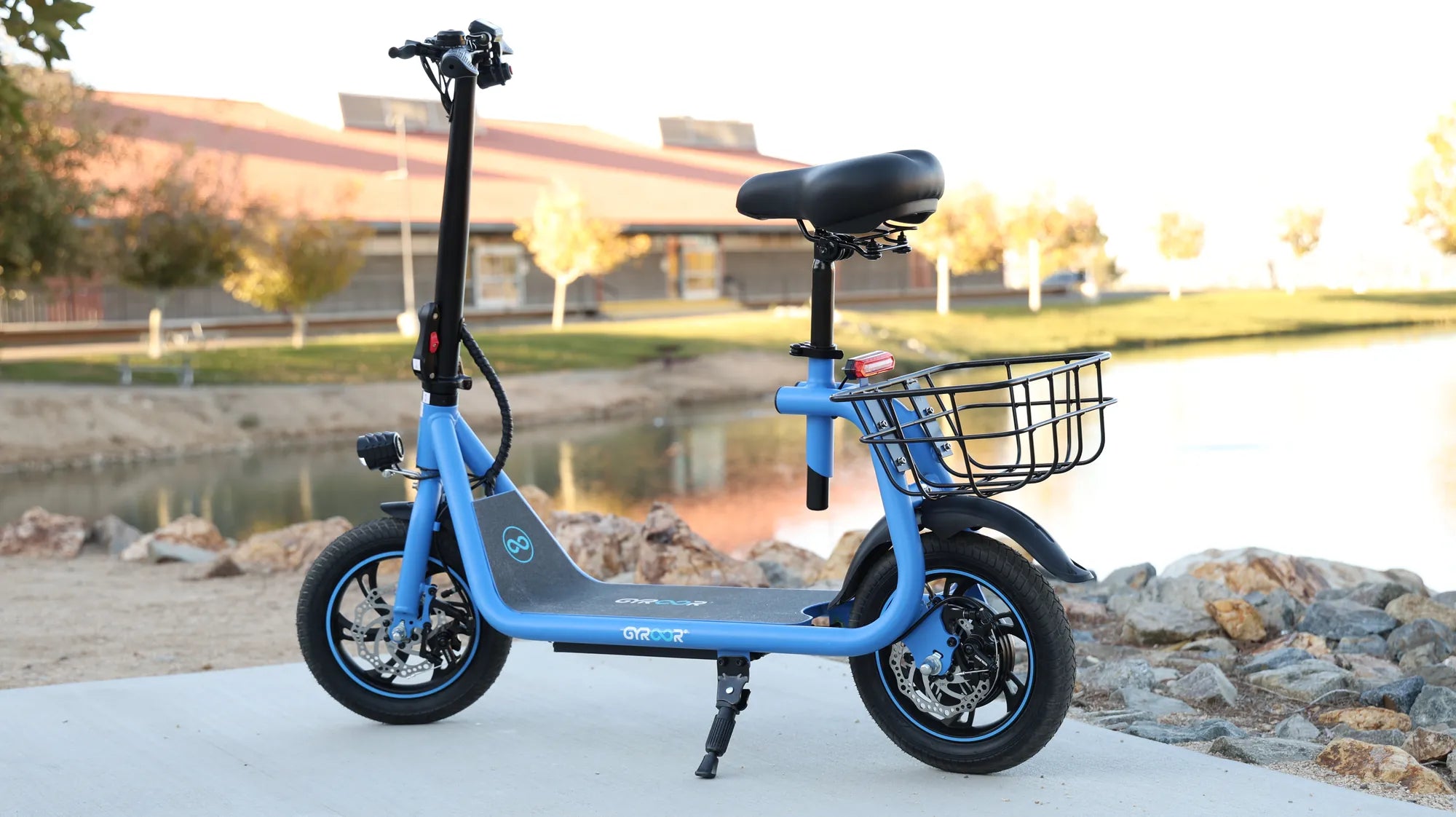
Introduction to E-Bike Cleanliness: More Than Just a Shine
Choosing the cleanest ebike extends far beyond a spotless frame. In the modern context, cleanliness is a holistic measure encompassing environmental impact, operational simplicity, and personal hygiene. A truly clean electric bicycle minimizes its carbon footprint from production to disposal, requires minimal maintenance that involves harsh chemicals or frequent part replacements, and features designs that stay tidy for the rider. This guide deconstructs the concept to help you identify an e-bike that is clean in every sense, offering a responsible and effortless ownership experience from your first ride onward.
The pursuit of the cleanest ebike is driven by riders who value sustainability, practicality, and long-term value. It's about selecting a vehicle that aligns with eco-conscious principles without compromising on performance or durability. We will analyze the key factors that separate a genuinely clean model from one that merely appears so, providing you with a clear, actionable checklist for your next purchase.
This analysis moves past marketing claims to focus on verifiable specifications and design philosophies. We will examine the lifecycle of an e-bike, its interaction with the elements, and the daily realities of ownership. By the end, you'll understand how to evaluate any model against rigorous standards for environmental and operational cleanliness.
Our goal is to empower you to make an informed decision that benefits both your lifestyle and the planet. The cleanest ebike for you is one that delivers reliable, low-fuss transportation while upholding high standards of material integrity and end-of-life responsibility.
The Environmental Cleanliness Factor
The environmental footprint of an e-bike is its most critical measure of cleanliness. This encompasses the entire lifecycle: sourcing of materials, manufacturing energy use, daily operational efficiency, and final recyclability. A model that excels here reduces waste, conserves resources, and leverages clean energy throughout its use.
While all e-bikes eliminate tailpipe emissions, their overall eco-impact varies significantly based on build quality and component choices. A durable bike that lasts for thousands of miles spreads its initial manufacturing footprint over a longer period, making it inherently cleaner than a disposable alternative. Longevity is a foundational element of sustainable design.
Furthermore, the energy source for charging plays a major role. An e-bike charged via renewable energy achieves near-zero operational emissions. However, the efficiency of the battery and motor system also determines how much grid energy is consumed per mile, impacting indirect emissions.
Ultimately, the cleanest ebike brands transparently address these factors. They prioritize durable construction, energy-efficient components, and responsible end-of-life programs, ensuring their products contribute positively to urban mobility without hidden environmental costs.
Sustainable Manufacturing & Materials
Sustainable manufacturing begins with responsible material sourcing and processes designed to minimize pollution and waste. Brands committed to cleanliness often utilize recycled aluminum for frames, which significantly reduces the energy required compared to virgin material. The use of non-toxic paints and finishes further lessens environmental harm during production and eventual disposal.
Gyroor's approach exemplifies this through a commitment to high-quality, durable construction. By engineering products to withstand rigorous use, they inherently promote sustainability; a longer-lasting e-bike means fewer resources consumed in manufacturing replacements and less waste entering landfills. This philosophy of durability is a direct contributor to a cleaner product lifecycle.
Manufacturing standards also matter. Facilities that adhere to strict environmental management systems (like ISO 14001) control waste, water use, and emissions. While not always visible on a spec sheet, a brand's commitment to such practices is a strong indicator of its overall environmental ethos and the cleanliness of its products.
Choosing an e-bike from a brand that values robust construction and quality materials is a proactive step toward environmental cleanliness. It's an investment in a vehicle designed for years of service, not just seasons, thereby reducing your long-term consumption footprint.
The Power Source: Battery & Charging
The battery is the environmental heart of an e-bike. Its safety, longevity, and efficiency are paramount. UL-certification, like the standard on all Gyroor battery packs, is non-negotiable for the cleanest ebike. This certification ensures the battery has passed rigorous tests for electrical, mechanical, and environmental safety, reducing risks of fire, leakage, and premature failure.
A safe, long-lasting battery is a clean battery. Gyroor's UL-certified packs are tested for over 500 charge cycles while maintaining performance, which translates to years of reliable use. This durability prevents frequent battery replacements, curtailing the resource extraction and manufacturing emissions associated with producing new packs.
Charging efficiency is another key factor. Advanced battery management systems (BMS) and smart chargers optimize energy transfer, reducing vampire drain and ensuring the battery charges fully without waste. An efficient system draws less power from the grid, making your daily ride cleaner, especially when paired with renewable energy sources.
Prioritizing a brand that uses certified, high-cycle-life batteries is perhaps the single most important decision for environmental and operational cleanliness. It ensures safe, consistent power and minimizes the ecological impact of the most critical—and potentially problematic—component on your e-bike.
End-of-Life & Recyclability
A truly clean e-bike has a plan for its end of life. Responsible brands design for disassembly and operate or partner with battery recycling programs. Lithium-ion batteries are valuable sources of recoverable materials like cobalt, nickel, and lithium, but they must be processed correctly to avoid soil and water contamination.
Before purchasing, investigate the manufacturer's policy on battery recycling. Leading brands provide clear guidance and often facilitate the return of spent batteries to certified recyclers. This closed-loop approach is a hallmark of a company dedicated to full lifecycle responsibility.
Beyond the battery, frame material choices affect recyclability. Aluminum frames are highly recyclable, often turning into new products with minimal quality loss. Designs that minimize the use of bonded composites or mixed materials make it easier to separate and recycle components at the end of the bike's useful life.
Selecting an e-bike from a brand that acknowledges and facilitates its end-of-life phase is a critical part of choosing the cleanest ebike. It ensures your sustainable choice today doesn't become a disposal problem tomorrow, completing the circle of responsible ownership.
Design for Operational Cleanliness & Low Maintenance
Operational cleanliness refers to how an e-bike handles the real-world mess of daily riding—rain, dust, mud, and general grime. A well-designed bike protects its own components and its rider, requiring minimal cleaning and maintenance to stay in optimal condition. This translates to less time spent on upkeep and fewer cleaning products used.
Key design features create a barrier between the bike's sensitive electronics and mechanical parts and the external environment. These features are not just conveniences; they are essential for reliability and longevity. A bike that can handle a surprise rain shower or a dusty path without issue is a bike that will provide dependable service for years.
Low-maintenance designs also reduce the need for frequent lubricants, degreasers, and part replacements. By specifying sealed components and corrosion-resistant materials, manufacturers can significantly cut down on the ongoing resource consumption and waste associated with bike upkeep.
The cleanest ebike in this category is one you can ride confidently in various conditions, then clean quickly with just a damp cloth. It’s engineered to work with you, not create additional chores, making every journey straightforward and enjoyable.
Weather & Debris Resistance
An Ingress Protection (IP) rating is the definitive metric for weather and debris resistance. For the cleanest ebike meant for daily use, an IPX5 rating is a strong baseline. This means the bike's electrical components are protected against low-pressure water jets from any direction, making it safe to ride in the rain or wash without fear of water damage.
Gyroor builds this IPX5 water-resistant standard into its designs, ensuring core systems are shielded from moisture. This protection is crucial for preventing corrosion, electrical shorts, and motor failure—common issues that can render an e-bike unusable and create electronic waste.
Physical design also plays a huge role. Full-length fenders (both front and rear) are essential for keeping road spray and dirt off the rider and the bike's frame. Enclosed chains or belt drives, and internal cable routing, prevent grime buildup on moving parts and create a sleeker, easier-to-clean profile.
These features collectively ensure that your e-bike remains operational and presentable with minimal effort. They allow you to commute or explore without worrying about weather, and they simplify the cleaning process to a quick rinse or wipe-down, not a detailed mechanical overhaul.
Durable, Easy-Clean Finishes
The materials and finishes on an e-bike frame and components dictate how easily dirt adheres and how well it withstands cleaning. Scratch-resistant coatings and anodized aluminum alloys resist scuffs from locks, racks, and incidental contact, maintaining a new appearance with less need for polish or repair.
Non-porous, smooth surfaces on the frame, fork, and rims prevent mud and street grime from bonding tightly. A simple pass with a damp microfiber cloth is often sufficient for post-ride cleaning. This is a significant advantage over textured finishes or raw materials that can trap dirt and require more aggressive cleaning.
Corrosion resistance is equally important for metal components like bolts, kickstands, and racks. Stainless steel or treated aluminum parts will not rust, ensuring long-term functionality and aesthetics without chemical treatments or replacements. This durability is a key aspect of low-maintenance, clean ownership.
When evaluating an e-bike, consider its finish in practical terms. A design that uses robust, easy-wipe materials will stay looking cleaner with less work, contributing to a more satisfying and sustainable ownership experience over the long term.
Hygiene and User-Focused Clean Features
For commuters and shared-use riders, personal hygiene is a vital aspect of a clean e-bike. Features that resist microbial growth, are easy to sanitize, and minimize transfer of dirt or grease to the rider's clothing make the riding experience more pleasant and hygienic, especially in urban environments.
This focus extends to the bike's interaction with the rider's storage and living space. A bike that doesn't drip grease or track in mud is easier to store in apartments, garages, or offices. It respects the cleanliness of your other environments, not just its own condition.
Modern e-bike designs are increasingly incorporating materials and layouts that address these user-centric cleanliness concerns. From the saddle to the handlebars to the drive system, thoughtful choices can significantly reduce the mess associated with traditional cycling.
The cleanest ebike for a daily commuter successfully bridges the gap between mechanical object and personal tool, considering the rider's need to arrive at their destination feeling and looking clean.
Contact Point Cleanability
The saddle and grips are primary contact points. Saddles made from synthetic, non-porous materials or treated with antimicrobial coatings resist sweat, moisture, and bacterial growth. These materials can be quickly wiped down with a disinfectant cloth, a crucial feature for riders in humid climates or those who share their bike.
Some designs offer easily removable seat posts or grips, allowing for more thorough cleaning or even replacement if needed. This modularity supports long-term hygiene and customization without requiring complex tools or professional service.
Grips should also be made from materials that don't become slick with sweat and are easy to clean. Rubber compounds that are resistant to UV degradation and oils will maintain their texture and cleanliness over time, providing a secure and sanitary grip ride after ride.
Prioritizing these features ensures that the parts of the bike you touch most often support a clean and healthy riding habit, enhancing comfort and confidence on every trip.
Minimizing "Drive Train" Mess
Traditional bicycle chain drives require regular lubrication, which can attract dirt and create messy grease stains. Many modern e-bikes, particularly those with hub motors, offer cleaner alternatives. A geared hub motor is fully enclosed within the wheel hub, requiring no external lubrication and generating no chain grease.
Even e-bikes with chain drives for mid-drive motors can be designed cleaner. Features like full chain guards completely enclose the chain, preventing grease transfer to pants (no need for a clip) and protecting the chain from dirt and moisture, which reduces the frequency of cleaning and re-lubrication.
Belt drives represent the pinnacle of clean drive train technology. Made from durable carbon fiber, belts require no lubrication, are silent, and last significantly longer than chains. They are completely clean to the touch and dramatically reduce maintenance needs, though they are often found on higher-end models.
When evaluating the cleanest ebike for your needs, consider the drive system's maintenance profile. A hub motor with a single-speed setup or a belt-driven mid-drive offers a notably cleaner, lower-maintenance experience compared to an exposed, multi-gear chain system.
Making Your Choice: The Cleanest Ride for Your Needs
Selecting the cleanest ebike requires balancing the environmental, operational, and hygienic factors with your specific use case—be it daily commuting, weekend recreation, or cargo hauling. A practical, data-driven evaluation based on key specifications will lead you to the optimal model.
Start by defining your non-negotiable needs: required range, terrain, storage space, and budget. Then, layer the cleanliness criteria onto these fundamentals. A bike that perfectly meets cleanliness specs but lacks the range for your commute is not the right choice. The goal is to find the best intersection of performance and principled design.
Use the following checklist to compare models side-by-side. This objective framework cuts through marketing language and focuses on verifiable features that directly impact the bike's cleanliness profile. Pay special attention to the battery certification and weatherproof rating, as these are foundational to safety and durability.
Remember, the cleanest ebike is an investment in sustainable transportation. A slightly higher initial cost for superior components often pays off in lower long-term maintenance costs, greater reliability, and a smaller environmental footprint.
Comparison Checklist: Key Specs to Scrutinize
Use this checklist to evaluate any e-bike model. A checkmark in most of these boxes indicates a strong contender for the cleanest ebike in its class.
- Battery Certification: Is the battery pack UL, CE, or equivalent certified? (Essential for safety and longevity).
- Water Resistance Rating: Does it have an IP rating of IPX4 or higher? (IPX5 is ideal for all-weather capability).
- Warranty & Support: Is there a comprehensive warranty (e.g., 1 year+) with accessible customer service? (Indicates confidence in durability).
- Drive Train Type: Is it a low-maintenance system (enclosed hub motor, belt drive) or a traditional chain with a guard?
- Frame Material: Is it made from recyclable aluminum alloy? (Better for end-of-life and often more corrosion-resistant).
- Brand Sustainability Policies: Does the brand have a stated battery recycling program or environmental policy?
- Fenders & Guards: Are full-coverage fenders and a chain guard included or available? (Critical for operational cleanliness).
Gyroor's Approach to a Cleaner Ride
Gyroor's product philosophy directly addresses the core tenets of a clean e-bike. As a brand trusted by over 100,000 riders, their focus on safety and durability creates a naturally clean ownership profile. Every model is powered by a UL-certified battery pack, ensuring safe, reliable, and long-lasting energy storage that minimizes replacement waste.
The integration of an IPX5 water-resistant rating across their lineup provides peace of mind and practical cleanliness. Riders can confidently navigate wet streets and easily hose down their bike without damaging sensitive electronics, keeping the bike looking and performing its best with minimal effort.
Gyroor's robust 1-year warranty underscores a commitment to quality and longevity. By standing behind their products, they encourage long-term use and reduce the likelihood of early disposal. This commitment, combined with durable construction using aluminum alloys and reliable components, makes for an e-bike designed to be a clean, lasting part of your mobility solution.
For riders seeking a balanced combination of performance, value, and principled design, Gyroor's range offers compelling options that meet the rigorous criteria for a clean electric bicycle.
Frequently Asked Questions (FAQ)
Q1: Is an e-bike really cleaner than a car for short trips?
Yes, unequivocally. E-bikes produce zero tailpipe emissions. Even when accounting for electricity generation and manufacturing, their lifecycle carbon footprint is a small fraction of a car's. A study by the European Cyclists' Federation found e-bikes emit approximately 22g of CO2 per passenger-kilometer, compared to over 270g for a conventional car. They also drastically reduce congestion and particulate pollution from brake and tire wear.
Q2: How do I properly clean my e-bike without damaging electrical parts?
Always turn the bike off and let it cool first. Use a damp (not wet) cloth or soft brush with mild soapy water. Avoid high-pressure hoses or direct streams of water on the display, battery mount, motor hub, or charging ports. Wipe the frame, wheels, and mechanical parts gently. Dry the bike with a clean towel, paying attention to crevices. This method preserves the IP rating and prevents water ingress.
Q3: What's the most important feature for ensuring my e-bike lasts and stays low-maintenance?
The two most critical features are water resistance (IP rating) and battery quality/certification. Water damage and battery failure are the leading causes of major e-bike repairs. An IPX4 or higher rating protects against the elements, and a UL-certified battery ensures safety, performance, and longevity. Together, they prevent the most common and costly issues.
Q4: Can I recycle my e-bike battery when it eventually wears out?
Yes, lithium-ion batteries are recyclable. You must never dispose of them in household trash. Responsible manufacturers provide guidance for battery recycling. Many partner with electronics recyclers or have take-back programs. You can also use dedicated local e-waste or battery recycling facilities. Proper recycling recovers valuable materials and prevents environmental contamination.
Q5: Are belt-drive e-bikes worth the extra cost for cleanliness?
For riders who prioritize minimal maintenance and absolute cleanliness, belt drives are often worth the investment. They eliminate chain lubrication entirely, are silent, incredibly durable (lasting up to 3x longer than a chain), and are clean to the touch. While the upfront cost is higher and they often require a specific frame design (split rear triangle), the long-term savings on maintenance and the hassle-free experience can justify the price for dedicated commuters.
Conclusion: The Clean Ride Forward
The quest for the cleanest ebike is a meaningful step toward more responsible and enjoyable personal transportation. It's a choice that values the planet's health through sustainable materials and long-lasting design, while also respecting your time and comfort with low-maintenance, hygienic features. By prioritizing verified specs like UL-certified batteries and IPX5 water resistance, you invest in a vehicle built for real-world use and longevity.
Your decision empowers a cleaner urban environment, reduces traffic congestion, and promotes a healthier lifestyle. Every ride on a well-chosen e-bike is a statement in support of intelligent, efficient mobility. The technology exists to make our journeys seamless and sustainable; it's now a matter of informed selection.
Ready to explore a range of e-bikes engineered with these principles in mind? Discover models that combine performance with a clean conscience, backed by safety certifications and durable design. Browse the full Gyroor collection at gyroorboard.com to find your perfect match for a cleaner ride forward.
Ebike Black Friday 2025: The Ultimate Guide to Strategic Savings
Dirt Bike Shopping: The Complete Guide to Choosing Your Electric Off-Road Machine