



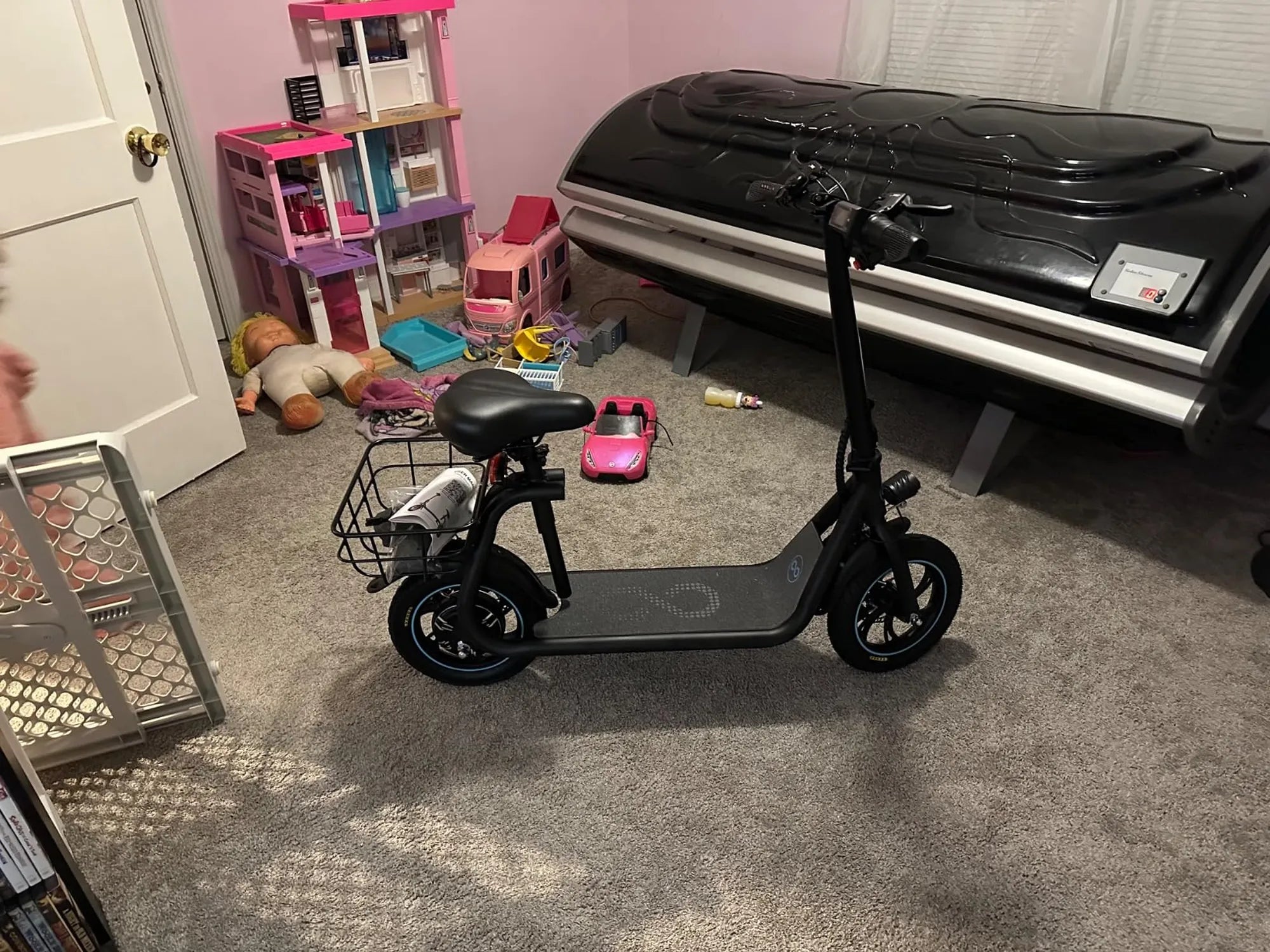
Electric scooters have revolutionized urban mobility, offering a quick, affordable, and eco-friendly way to navigate crowded streets. However, like any mechanical device, they are prone to certain issues that can disrupt your ride. Whether you're a daily commuter or a casual rider, understanding these common problems and their fixes can save you time, money, and frustration.
Battery Life and Charging Issues
One of the most frequent complaints among electric scooter users is poor battery performance. Over time, batteries lose their capacity to hold a charge, leading to shorter rides and frequent recharging. To extend your battery's lifespan, avoid overcharging it and store it in a cool, dry place. If your scooter suddenly stops holding a charge, check the charging port for debris or damage, as this can interfere with power delivery.
Tire Problems
Flat tires are another common headache for scooter owners. Pneumatic tires, while offering a smoother ride, are more susceptible to punctures. Solid tires, on the other hand, are puncture-proof but provide less cushioning. Regularly inspect your tires for wear and tear, and keep them properly inflated to avoid blowouts. If you frequently encounter rough terrain, consider upgrading to more durable tires.
Brake Failures
Faulty brakes are a serious safety concern. Electric scooters typically use disc, drum, or electronic brakes, each with its own maintenance needs. Squeaky or unresponsive brakes often indicate worn-out pads or misalignment. Clean the brake components regularly and replace pads as needed. If your scooter uses electronic brakes, ensure the wiring is intact and free from corrosion.
Motor Overheating
Continuous use, especially on steep inclines, can cause the motor to overheat. This not only reduces performance but can also lead to permanent damage. Allow your scooter to cool down between long rides, and avoid pushing it beyond its weight limit. If overheating persists, consult a professional to check for internal issues like faulty wiring or a failing motor.
Loose or Wobbly Handlebars
A shaky handlebar can make steering difficult and unsafe. This problem often arises from loose bolts or worn-out folding mechanisms. Tighten all bolts and screws regularly, and inspect the folding mechanism for signs of wear. If the wobbling persists, the stem or handlebar may need replacement.
Software Glitches
Modern electric scooters come with advanced software for speed control, battery management, and other features. However, software bugs can cause erratic behavior, such as sudden speed changes or unresponsive controls. Keep your scooter's firmware updated, and reset the system if you encounter persistent issues. If problems continue, contact the manufacturer for support.
Water Damage
While many scooters are water-resistant, they are not fully waterproof. Riding through heavy rain or deep puddles can damage electrical components. Always check the IP rating of your scooter and avoid exposing it to excessive moisture. If your scooter gets wet, dry it thoroughly before charging or using it again.
Noisy Operation
Unusual noises, such as grinding or rattling, often signal mechanical problems. Loose parts, worn-out bearings, or misaligned chains can all contribute to noise. Regularly lubricate moving parts and tighten any loose components. If the noise persists, a professional inspection may be necessary.
Range Anxiety
Many riders worry about running out of battery mid-ride. To maximize your scooter's range, maintain a steady speed, avoid excessive weight, and use eco-mode if available. Plan your routes to include charging stations, and always carry a portable charger if possible.
Electric scooters are a fantastic way to get around, but they do require regular maintenance to stay in top shape. By addressing these common issues proactively, you can enjoy a smoother, safer, and more reliable ride. Don't let minor problems turn into major headaches—stay ahead of the game and keep your scooter running like new.
72 Volt E Scooter: The Ultimate Guide to Power and Performance
South Korea Electric Two Wheeler Market: Growth, Trends, and Future Outlook