



Introduction to the Modern Commuter Bike
Understanding the commuter bike meaning today requires looking beyond the traditional pedal bicycle. A modern commuter bike is a purpose-built vehicle engineered for reliability, comfort, and efficiency in daily urban travel. It is designed to solve specific urban mobility challenges: traffic congestion, parking scarcity, environmental impact, and personal health.
The core commuter bike meaning centers on utility and daily dependability. These are not recreational vehicles but workhorses built for consistent, all-weather use. The definition now prominently includes electric bicycles and high-performance electric scooters, which use motorized assist to make longer or hillier commutes practical and sweat-free.
This article will dissect every facet of the contemporary commuter bike. We will explore its evolution, essential features, and the tangible benefits of choosing one. You will learn how to select the perfect model based on data, not marketing, and understand the ownership experience that turns a daily chore into an enjoyable part of your day.
The Evolution of the Commuter: From Analog to Electric
The traditional commuter bike was a simple, rugged bicycle, often with a steel frame, fenders, and a rack. It served its purpose but came with limitations. Distance, hills, arriving at work sweaty, and carrying cargo or children were significant barriers for many potential riders. The core commuter bike meaning was constrained by human power alone.
The advent of reliable, affordable electric drive systems has fundamentally rewritten the commuter bike meaning. Electric assist, activated via a throttle or through pedal-assist sensors, democratizes cycling. It flattens hills, shrinks distances, and allows riders to arrive fresh. This technological leap has expanded the commuter demographic exponentially.
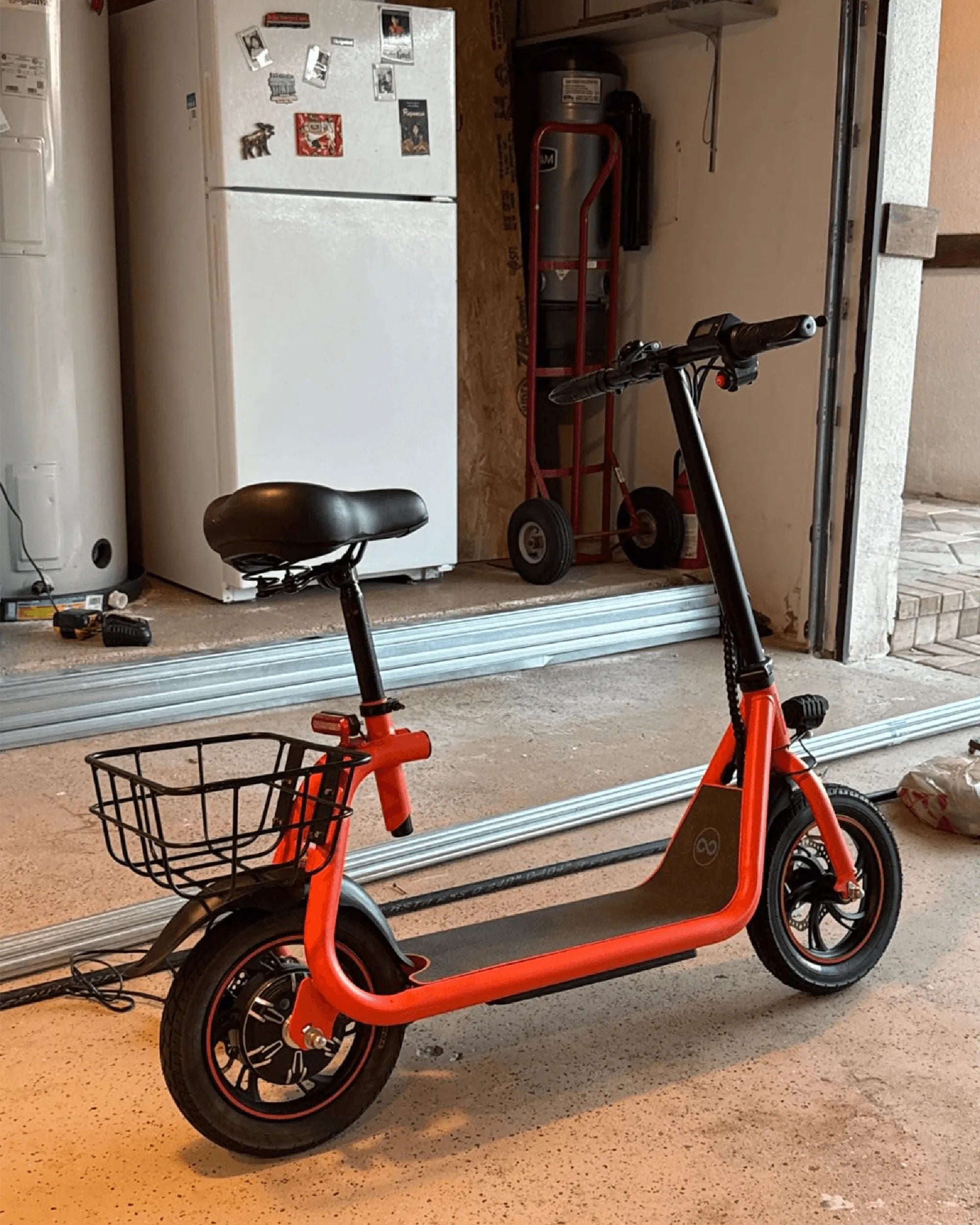
Electric scooters have also entered the mainstream commuter lexicon. For shorter urban hops (sub-5 miles), a compact, portable e-scooter can be the ultimate first-and-last-mile solution, easily carried onto public transit. The modern commuter bike meaning now encompasses a spectrum of two-wheeled, electric-powered vehicles chosen for specific trip profiles.
This evolution is driven by urbanization and a global rethinking of transportation efficiency. Cities are adding bike lanes and scooter-share programs, while individuals seek to reclaim time and money lost to traffic. The electric commuter vehicle is the logical, personal tool for this new urban reality.
Key Features of a Modern Electric Commuter Bike
Several non-negotiable features define today's commuter bike meaning. First is a reliable electric drive system. Hub motors are common for their simplicity and low maintenance, while mid-drive motors offer better weight distribution and hill-climbing efficiency by leveraging the bike's gears.
The battery is the heart of the system. Range is paramount, with 20-50 miles per charge being a standard target for most urban commutes. Battery placement (integrated into the frame vs. external) affects aesthetics, weight distribution, and security. For true commuter readiness, the battery should be removable for safe indoor charging.
Durability and utility features are what separate a commuter bike from a recreational one. This includes full-length fenders to protect from road spray, integrated bright LED lights for visibility day and night, a rear rack for panniers or cargo, and a kickstand. Puncture-resistant tires with sufficient tread for wet conditions are also essential.
Finally, the frame design must prioritize stable, comfortable geometry for daily riding. Step-through or low-step frames are invaluable for ease of mounting, especially when wearing work clothes or carrying items. These features collectively transform a vehicle into a legitimate car replacement.
Why Your Commuter Bike Choice Matters: A Data-Driven Look
Choosing the right commuter vehicle is a significant financial and lifestyle decision. The data reveals compelling advantages over traditional transport. The average American commuter spends nearly $10,000 annually on car ownership (AAA, 2023). In contrast, a quality electric commuter bike or scooter, with electricity costs, represents a fraction of that.
Time savings are equally powerful. In dense urban corridors, bicycles and scooters often outperform cars during rush hour. A 5-mile commute in a city can take 30+ minutes by car but only 15-20 minutes on an e-bike, bypassing gridlock. Over a year, this reclaims hundreds of hours of personal time.
The environmental impact is quantifiable. A single e-bike has a carbon footprint roughly 10-30 times lower per mile than a standard passenger car, even when accounting for manufacturing and electricity generation. Switching a 10-mile daily car commute to an e-bike can reduce personal transport emissions by over 1 ton of CO2 annually.
Health benefits, though sometimes secondary for e-vehicle riders, are present. Even with pedal assist, riders engage in low-impact physical activity and experience reduced stress compared to driving in traffic. The commuter bike meaning, therefore, extends into personal well-being and financial health, not just mobility.
| Factor | Car Commute | Public Transit | E-Bike/E-Scooter Commute |
|---|---|---|---|
| Annual Cost (Est.) | $7,000 - $12,000 | $1,200 - $3,000 | $500 - $1,500 (incl. purchase) |
| Avg. Speed in City | 10-15 mph | 12-20 mph (with waits) | 15-20 mph |
| CO2 per Mile | ~411 grams | ~200 grams (bus) | ~22 grams |
| Door-to-Door Convenience | Medium (parking) | Low (fixed routes) | High |
| Health Benefit | None | Low (walking to stop) | Medium |
The Gyroor Standard: Engineering for the Everyday Commute
For over 100,000 riders across North America and Europe, the commuter bike meaning is synonymous with reliability, a principle at the core of the Gyroor brand. Commuter vehicles are used daily, often in demanding conditions, and must be engineered accordingly. Gyroor's design philosophy addresses the real-world pain points of urban riders.
Safety is the foremost concern, especially regarding lithium-ion batteries. Every Gyroor model uses UL-certified battery packs, tested for over 500 charge cycles. This certification is critical for commuters who charge their vehicles in apartments or offices, ensuring the highest standards of thermal and electrical safety to prevent failure.
All-weather capability defines a true commuter vehicle. Gyroor designs feature IPX5 water-resistant ratings, protecting critical electrical components from rain and road spray. This engineering allows riders to maintain their schedule regardless of weather, a key aspect of dependable commuter bike meaning. Coupled with durable construction, it ensures longevity.
Peace of mind is sealed with a robust 1-year comprehensive warranty, covering the vehicle, battery, and motor. For a daily rider, this warranty is not just a promise—it's a necessity for uninterrupted service. Gyroor's focus on these fundamentals—safety, weather resistance, and warranty support—builds vehicles that commuters can trust for the long haul.
Choosing Your Perfect Commuter Bike: A Practical Guide
Selecting your ideal commuter vehicle is a systematic process. First, audit your specific commute: total distance (one-way), terrain (flat vs. hilly), and the need to carry cargo (laptop, groceries) or a child. Also, assess your storage options at home and work—secure indoor storage is ideal and influences the choice of a folding or compact model.
For commutes under 5 miles on paved paths, a high-performance electric scooter like the Gyroor F1 Pro offers exceptional portability and simplicity. For 5-15 mile commutes, especially those involving hills or a desire for exercise, an electric bicycle is superior. Consider a folding e-bike if you need multi-modal transport with a train or bus.
Local regulations are crucial. Understand the legal classification of e-bikes (typically Class 1, 2, or 3, which govern top assisted speeds) and e-scooters (often limited to 15-20 mph) in your area. Legal compliance ensures safe, uninterrupted riding and avoids fines. Always prioritize models that meet or exceed these regulatory standards.
Finally, test ride if possible. The feel of the ride—the stability, the responsiveness of the motor, the comfort of the saddle—is subjective. A vehicle that fits you well and feels confident will be one you ride daily. The right choice makes the commuter bike meaning personal: your key to a better, more efficient day.
Must-Consider Features for the Urban Rider
Beyond the motor and battery, specific features dramatically impact the daily experience. Tire choice is critical: wider, air-filled tires (2+ inches) offer better comfort and stability over potholes than slim solid tires. For e-scooters, pneumatic or airless honeycomb tires are preferred for urban terrain.
Suspension transforms ride quality. A front fork suspension or dual suspension system absorbs shocks from uneven pavement, reducing fatigue and increasing control. For e-scooters, even a basic spring suspension makes a noticeable difference on longer commutes.
The user interface should be clear and intuitive. A backlit display showing speed, battery level, and assist mode is essential for quick glances. Advanced connectivity via a smartphone app for ride tracking, firmware updates, and anti-theft features adds significant value for the tech-savvy commuter.
Finally, consider the "commuter-ready" factor. Does it have integrated lights, a bell, and a kickstand? If not, you'll need to add them. Brands like Gyroor often include these essentials, delivering a vehicle that is truly ready to ride from day one, fully embodying the practical commuter bike meaning.
Beyond the Ride: Ownership and Community
Owning a commuter vehicle extends beyond the ride itself. Secure storage is the first priority. At home, a wall mount or sturdy lock is key. At your destination, use a high-quality U-lock or chain lock, securing the frame (and removable battery if possible) to a fixed object. Consider insurance for high-value models.
Basic maintenance ensures longevity and safety. This includes regular checks of tire pressure, brake pad wear, and bolt tightness. Keeping the chain (on e-bikes) lubricated and the battery charged between 20-80% for optimal lifespan are simple habits that pay off. Understanding these basics is part of the full commuter bike meaning.
Safety gear is non-negotiable. A certified bicycle helmet is essential. For night riding, add reflective clothing or accessories. Consider gloves for grip and protection. Being visible and protected makes you a more confident and responsible rider, sharing the road safely with other users.
Finally, join the community. Local rider groups, online forums, and city advocacy organizations provide support, route advice, and camaraderie. Being part of this movement enhances the ownership experience, connecting the personal benefit of your commute to a larger shift towards smarter urban living.
Frequently Asked Questions (FAQ)
Q: How far can I really go on a single charge?
A: Real-world range depends on rider weight, terrain, assist level, and temperature. Manufacturers state a maximum range under ideal conditions. For accurate planning, assume a practical range of 60-70% of the stated maximum. For a 30-mile advertised range, plan for 18-21 miles to ensure you never run out.
Q: Is it safe to ride an e-bike or e-scooter in the rain?
A> Yes, if the vehicle has an appropriate water-resistance rating. Look for an IP rating of IPX4 or higher. Gyroor's IPX5 rating, for example, means it can withstand water jets from any direction, making it safe for heavy rain and wet roads. Always avoid deep puddles and reduce speed in wet conditions for safety.
Q: What's the true total cost of ownership?
A> Beyond the purchase price, factor in electricity for charging (negligible, ~$20/year), occasional replacement parts (tires, brake pads), and potential insurance. Over 3-5 years, even with maintenance, the cost is typically 5-10% of car ownership. The 1-year warranty from brands like Gyroor covers most major component issues in the first year.
Q: How do I handle maintenance and repairs?
A> Basic maintenance (tire pressure, cleaning, bolt checks) is user-friendly. For motor or battery issues, rely on the manufacturer's warranty and support network. Gyroor provides detailed manuals and customer support. For complex mechanical work on e-bikes, a local bike shop familiar with electric systems is recommended.
Q: Can I use it for errands and carrying cargo?
A> Absolutely. This is a core part of the commuter bike meaning. Most e-bikes have rear rack mounts for panniers or baskets. Sturdy handlebar baskets work for e-scooters. For larger grocery runs, a dedicated cargo trailer can be attached to many e-bikes, effectively replacing car trips for local errands.
Redefining Your Daily Journey
The modern commuter bike meaning represents a fundamental shift in how we perceive urban travel. It is no longer about enduring a commute but about optimizing and even enjoying it. The right vehicle—be it an electric bicycle or scooter—is an investment that pays dividends in time, money, health, and environmental stewardship.
This choice empowers you to bypass traffic, connect with your city, and arrive at your destinations feeling energized. The data is clear: for millions in urban and suburban areas, a dedicated electric commuter vehicle is the most rational, efficient, and satisfying mode of daily transport available today.
By prioritizing reliability, safety, and practical design—standards embodied by brands like Gyroor with their UL-certified batteries, IPX5 water resistance, and commitment to rider support—you secure not just a product, but a seamless upgrade to your daily life. The journey itself becomes a highlight.
Ready to transform your commute? Explore engineering built for the real world. Browse the full Gyroor collection of electric scooters and e-bikes, trusted by over 100,000 riders, at gyroorboard.com.
500cc Scooter Trike: The Ultimate Guide to Three-Wheeled Freedom
500cc Scooter Trike: The Ultimate Guide to Three-Wheeled Freedom