


Introduction
The global electric scooter market has moved beyond a novelty phase into a core component of urban transportation. Understanding modern consumer preferences for electric scooters is no longer optional for riders seeking a reliable, efficient, and enjoyable personal vehicle. This deep dive into trends, features, and the future outlook will equip you with the knowledge to navigate a crowded market and identify the scooter that truly matches your lifestyle. We will analyze the forces driving adoption, decode the critical feature wishlist, forecast upcoming innovations, and provide a practical framework for your decision, referencing insights from leading brands like Gyroor, trusted by over 100,000 riders for their UL-certified safety and robust designs.
The Driving Forces: Why Consumers Are Choosing E-Scooters
Consumer adoption is fueled by a powerful convergence of practical, economic, and environmental factors. It's a calculated shift away from traditional transport inefficiencies. The core appeal lies in reclaiming time, money, and personal agency during daily travel.
For many, the primary catalyst is the crushing cost and frustration of urban congestion. Electric scooters offer a nimble alternative to sitting in traffic or waiting for delayed public transit. They provide door-to-door convenience at a speed that often outpaces cars in dense city centers during peak hours.
Financially, the value proposition is compelling. When compared to car ownership (fuel, insurance, parking, maintenance) or daily ride-sharing fees, a quality e-scooter offers a rapid return on investment. It transforms a capital expense into an operational one, with minimal ongoing costs beyond occasional charging.
Urban Efficiency vs. Recreational Freedom
The consumer base splits into two primary cohorts with distinct preference profiles. The urban commuter prioritizes legality, portability, and predictable range. They need a scooter that folds compactly for multi-modal trips, complies with local speed limits, and can reliably cover a round-trip commute with a margin for error.
Conversely, the recreational or off-road rider seeks power, suspension, and durability. Their preferences lean towards higher wattage motors, pneumatic or off-road tires, and enhanced suspension systems to handle varied terrain. For them, the scooter is a vehicle for exploration and fun, not just point-to-point efficiency.
The Sustainability and Cost-Calculus Factor
Environmental consciousness is a significant, data-driven motivator. Consumers increasingly prefer transportation that reduces their carbon footprint, with e-scooters representing a tangible step towards personal sustainability. The direct energy consumption is a fraction of that of a car or even a bus on a per-mile basis.
The cost calculus extends beyond purchase price. Savvy consumers evaluate total cost of ownership, including electricity for charging (often just cents per charge), maintenance simplicity, and product lifespan. Brands that offer durable construction and strong warranties, like Gyroor's 1-year comprehensive coverage, directly appeal to this preference for long-term value and reduced waste.
Decoding the Feature Wishlist: What Riders Prioritize
Beyond initial attraction, specific features determine satisfaction and brand loyalty. Consumer preferences for electric scooters have crystallized around a hierarchy of needs, with safety as the non-negotiable foundation.
Performance specs are scrutinized, but through the lens of real-world usability rather than theoretical maximums. The integration of technology and thoughtful design details are now expected standards, not luxuries, reflecting a mature market.
Safety and Reliability: Non-Negotiable Demands
Nothing erodes trust faster than safety concerns. The paramount preference is for verified battery safety, making UL-certified battery packs a top priority—a standard all Gyroor models meet. Consumers actively seek this certification as a baseline for fire and malfunction risk mitigation.
Braking system performance is equally critical. A preference for dual braking systems (e.g., electronic front and disc rear) is clear, as it provides redundancy and shorter stopping distances. Bright headlights, brake lights, and side reflectors are essential for visibility, while a water-resistance rating of at least IPX5 is preferred for handling wet roads and unexpected weather.
Performance Metrics That Matter: Range, Speed, and Terrain
Range anxiety is a key purchase barrier. Consumers now prefer realistic, manufacturer-stated ranges that account for variables like rider weight, hills, and temperature. A scooter advertised with a 25-mile range that delivers 18 in real conditions is favored over one claiming 35 miles but achieving 20.
Top speed preferences are bifurcated by use-case. Commuters often prefer scooters capped at 15-20 mph to align with regulations and ensure control in traffic. Recreational users may seek models capable of 25+ mph. Motor power (measured in watts) and suspension quality are directly tied to terrain preference, with 350W-500W motors suiting flat city streets and 500W+ dual-motor setups preferred for hills or light trails.
The Convenience Quotient: Portability, Tech, and Design
Portability is a major decision factor, especially for city dwellers. A strong preference exists for lightweight (under 35 lbs), quickly foldable designs with a secure locking mechanism. This allows for easy carrying onto public transit or storage under a desk.
Tech integration is now standard. Consumers prefer clear digital dashboards showing speed, battery level, and mode, and many expect Bluetooth app connectivity for locking, ride tracking, and firmware updates. Aesthetically, sleek, minimalist designs with clean cable management and durable finishes are strongly preferred over bulky, utilitarian looks.
The Future Rider: Emerging Trends Shaping Preferences
The near future of electric scooters is being shaped by advancements in connectivity, durability, and regulatory frameworks. Consumer preferences are evolving from passive ridership to an expectation of an integrated, smart, and adaptable mobility platform.
We are moving towards scooters that are not just vehicles, but connected devices within a larger urban ecosystem. This shift responds to consumer desires for enhanced security, personalized data, and products that evolve over time through software.
Smarter Rides: Integrated Connectivity and AI
The future outlook includes a strong preference for scooters with built-in GPS for anti-theft tracking and geofencing. Apps will evolve to provide detailed ride analytics—tracking routes, efficiency, and battery health—turning data into actionable insights for the rider.
Over-the-air (OTA) update capability is becoming a key differentiator, allowing manufacturers to improve performance, add features, and patch security issues post-purchase. Early-stage AI for predictive maintenance, alerting users to potential motor or brake wear, will transition from a novelty to a preferred standard for ensuring reliability.
Enhanced Durability and Swappable Ecosystems
Consumer demand for longevity is driving innovation in materials. Preferences are shifting towards aircraft-grade aluminum alloys, reinforced stems, and self-healing or puncture-proof airless tires to minimize downtime and maintenance.
The most significant trend may be the move towards swappable battery ecosystems. This addresses range anxiety directly and extends the scooter's functional lifespan, as the battery (often the first component to degrade) can be replaced easily. It also enables convenient charging for apartment dwellers.
Regulatory Adaptation and Form-Factor Evolution
As cities formalize micro-mobility laws, consumer preferences will adapt to favor scooters with speed limiters, integrated turn signals, and unique identification numbers for compliance. Design will evolve within these regulatory boxes.
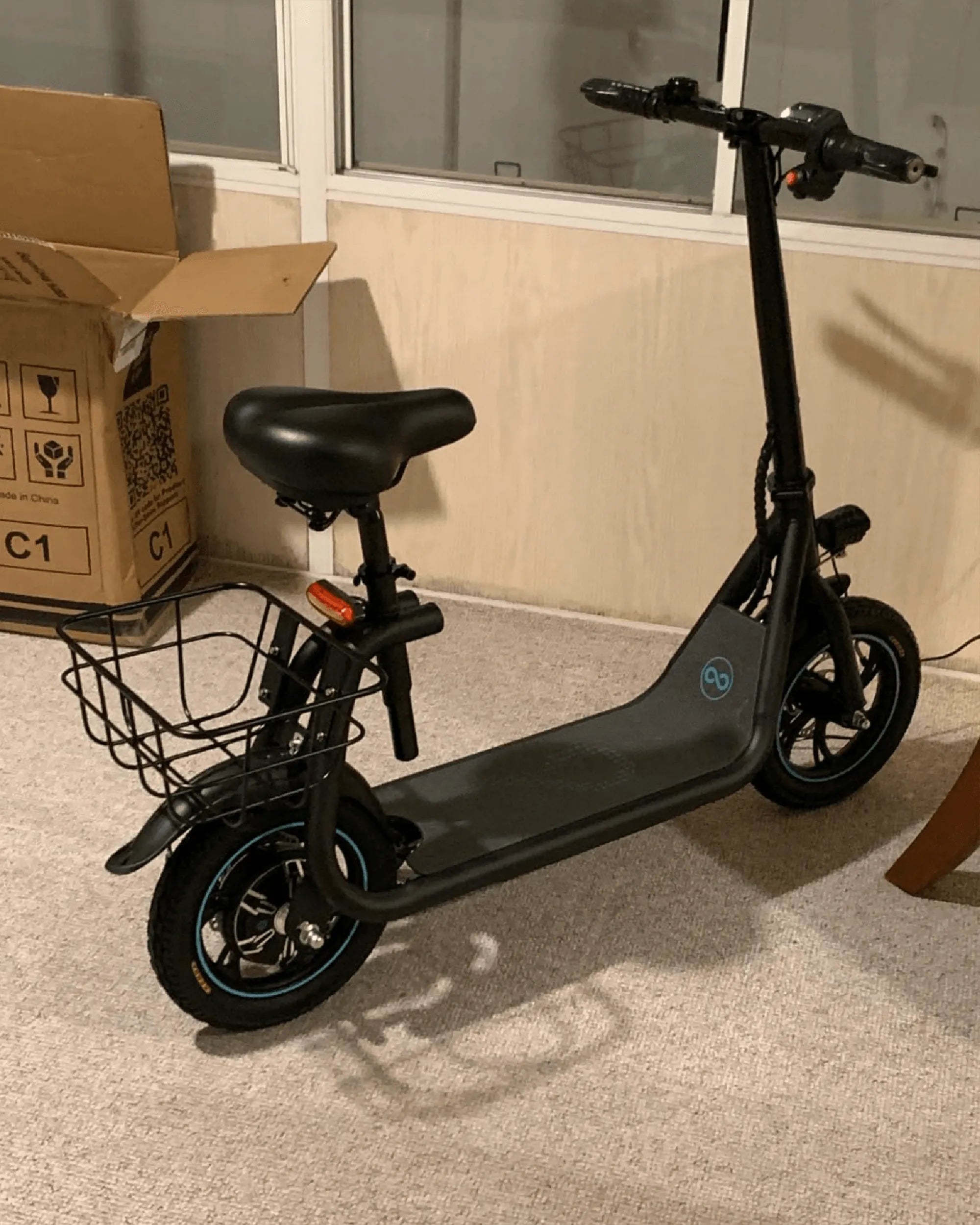
We will also see a blurring of form factors. Preferences may expand to include compact seated scooters for longer commutes or hybrid designs that bridge the gap between standing scooters and compact e-bikes, offering more comfort and stability for a wider range of users.
Making an Informed Choice: Aligning Preferences with Your Needs
Navigating the market requires a self-assessment of your primary use-case. Start by defining your typical ride distance, terrain, and whether you need to carry the scooter frequently. This will immediately narrow the field based on the core preferences for range, motor power, and weight.
Next, apply a safety filter. Prioritize models with UL-certified batteries, a robust braking system, and adequate water resistance (IPX5 or higher). These features are not areas for compromise. Then, layer on your convenience needs: foldability, tech features, and aesthetic design.
The following table compares key scooter types based on dominant consumer preference profiles:
| Rider Profile | Core Preferences | Key Specs to Target | Gyroor Model Example |
|---|---|---|---|
| Urban Commuter | Portability, Legal Compliance, Reliability | Weight < 35 lbs, Speed ~15-20 mph, Range 15+ mi, IPX5+ | Gyroor F1 Pro (Foldable, UL-certified) |
| Recreational/Off-Road | Power, Suspension, Durability | Motor 500W+, Pneumatic Tires, Front Suspension, Range 20+ mi | Gyroor S1 (Dual suspension, robust frame) |
| Value-Focused Buyer | Total Cost of Ownership, Warranty, Safety | UL-Certified Battery, 1-Year Warranty, Reliable Brand Reputation | Gyroor H30 (Balanced features, trusted safety) |
Gyroor’s Response to Consumer Trust
Brands that listen to these nuanced preferences earn consumer trust. Gyroor’s product philosophy directly addresses the top demands outlined. Their commitment to UL-certified batteries in all models meets the paramount safety preference head-on.
The standard IPX5 water-resistant rating ensures practical usability in real-world conditions, addressing a key reliability concern. Furthermore, the comprehensive 1-year warranty and accessible US-based customer support provide the post-purchase security that modern consumers prefer, transforming a purchase into a long-term partnership.
FAQ: Common Questions on E-Scooter Selection
Q: What is a realistic range I can expect from a commuter scooter?
A: A realistic range is typically 70-80% of the manufacturer's stated range, which is usually tested under ideal conditions (light rider, flat terrain, moderate speed). For a scooter advertised as 20 miles, plan for 14-16 miles in real-world urban use. Always choose a scooter with a range rating 30-40% above your longest regular trip.
Q: How important is the IP water resistance rating?
A>Extremely important for durability. An IPX5 rating means the scooter can withstand water jets from any direction, making it safe to ride in rain and through puddles. A lower rating (or none) significantly increases the risk of water damage to electronics and the motor. For all-weather capability, IPX5 is the preferred minimum.
Q: Are more expensive scooters always better for safety?
A>Not always, but price often correlates with higher-quality safety components. A higher price should get you a UL-certified battery, name-brand disc brakes, and a more robust frame. However, a reputable mid-priced brand like Gyroor that prioritizes core safety certifications can offer superior safety to a more expensive brand that cuts corners on battery quality.
Q: What should I look for in a warranty?
A>Prefer a warranty that covers the frame, motor, and controller for at least one year. The most critical component—the battery—should have a specific warranty, often prorated over 6-12 months. A trustworthy warranty is a signal of the manufacturer's confidence in their product's durability and their commitment to supporting the consumer.
Q: Is a suspension system necessary for city riding?
A>While not strictly necessary on perfectly smooth pavement, a suspension system (especially front spring or hydraulic) is strongly preferred for urban comfort. It absorbs vibrations from cracks, cobblestones, and uneven surfaces, reducing rider fatigue and improving control and safety. For most consumers, it's a worthwhile investment in ride quality.
Conclusion
The landscape of consumer preferences for electric scooters reveals a market maturing towards safety, intelligence, and personalization. The ideal scooter is a highly personal tool, defined by aligning your specific commute, lifestyle, and values with proven, reliable engineering. As trends point towards smarter, more connected, and more durable vehicles, the power lies with informed consumers to drive the industry forward. By choosing brands that transparently meet core demands for certified safety, real-world performance, and robust support, you invest not just in a product, but in a sustainable and efficient future for personal mobility. Explore how Gyroor's lineup, designed with these exact preferences in mind, can be your gateway to reliable micro-mobility.
Ready to find the e-scooter that matches your preferences? Browse the full Gyroor collection at gyroorboard.com.
Lightweight Electric Mobility Scooters: The Future of Convenient and Portable Transportation
Best Portable Electric Scooters for Adults: Top Urban Rides