



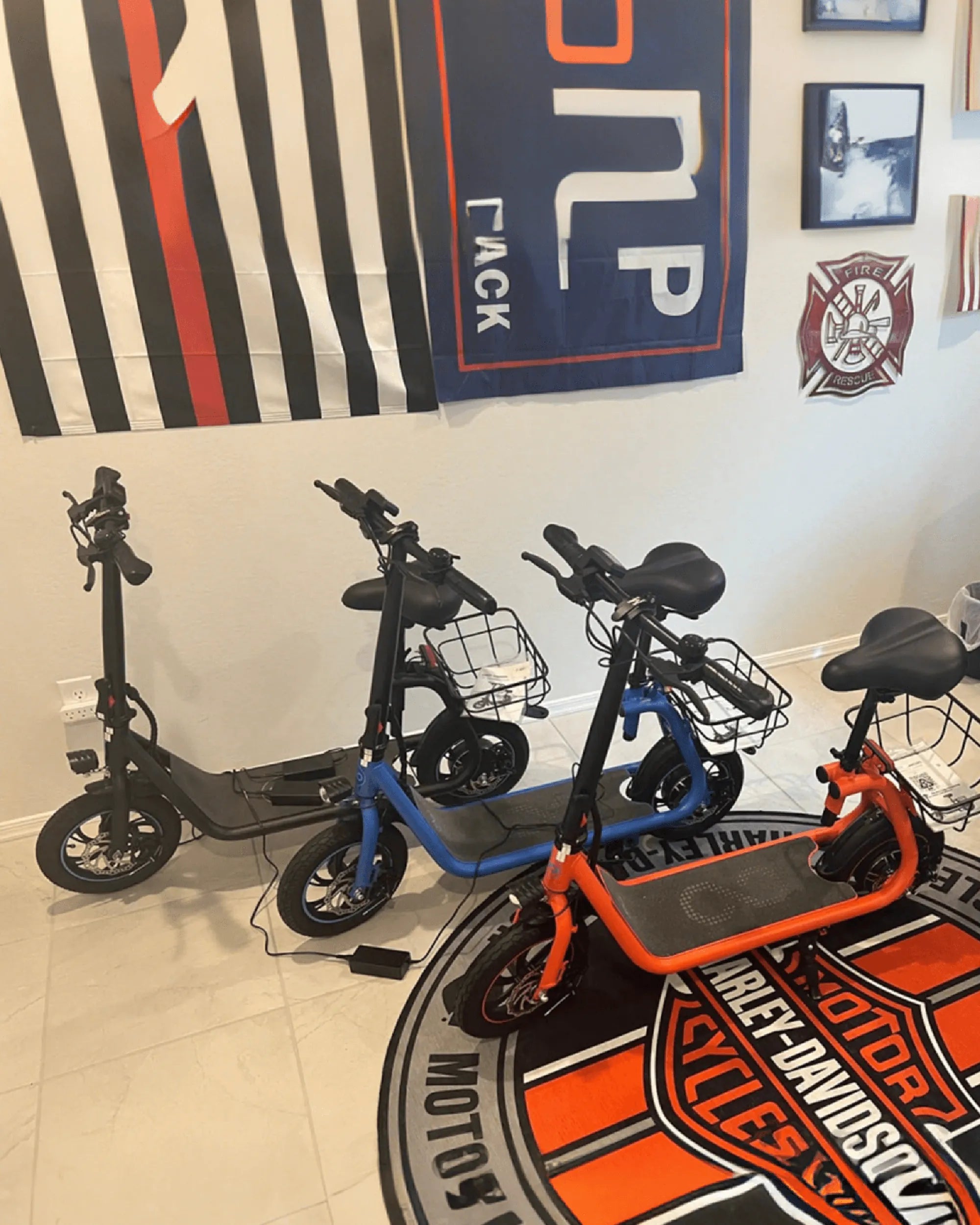
Forget chrome and fins. The new definition of cool is silent acceleration, a carbon footprint measured in watts, and a commute liberated from traffic and timetables. Cool electric scooters: the future of urban mobility is not a speculative headline but a present-day reality, transforming cityscapes one ride at a time. This evolution moves beyond mere aesthetics to encompass performance engineering, intelligent connectivity, and a fundamental shift in how we navigate our environments. You will learn what technological specifications truly matter, how to match a scooter to your specific urban lifestyle, and the data-driven criteria for evaluating long-term value and safety. Leading this charge are brands like Gyroor, trusted by over 100,000 riders for integrating UL-certified safety and robust design into the very fabric of urban mobility.
The Tech Behind the Cool: What Makes Modern E-Scooters Tick
The allure of a modern electric scooter is engineered, not accidental. It's a symphony of advanced components working in unison to deliver a ride that is powerful, safe, and reliable. Understanding these elements demystifies marketing claims and reveals what constitutes a genuinely high-quality vehicle.
Performance is dictated by the motor and battery system. Contemporary models predominantly use brushless hub motors for their efficiency, quiet operation, and minimal maintenance. Power, measured in watts, translates to torque—the force that gets you up hills and provides swift acceleration from a stop. A 500W motor handles moderate inclines, while 1000W+ models offer robust performance for varied urban terrain.
The heart of the scooter is its battery. Not all lithium-ion packs are created equal. A UL-certified battery, like those used in Gyroor scooters, has undergone rigorous independent testing for safety, stability, and longevity. These batteries are engineered to withstand 500+ charge cycles while maintaining significant capacity, directly impacting your scooter's usable lifespan. Real-world range is a critical metric, often differing from idealized lab tests based on rider weight, terrain, and speed.
Power & Performance: Motors, Batteries, and Range
Motor wattage provides a baseline, but voltage (often 36V, 48V, or 52V) is equally important for determining power delivery and top speed. A higher voltage system can deliver the same wattage with less current, often improving efficiency. Torque, the rotational force, is what you feel during acceleration. Scooters designed for hills or heavier riders prioritize high torque output.
Battery capacity, measured in Watt-hours (Wh) or Amp-hours (Ah), is your fuel tank. A larger capacity means more range, but also increased weight. Modern battery management systems (BMS) are crucial for safety, monitoring cell temperature, voltage, and current to prevent overcharging, deep discharge, and short circuits. This is where premium brands invest significantly.
Smart Features & Connectivity
The dashboard has evolved from a simple battery indicator to a full-color LED display showing speed, mode, trip distance, and real-time battery percentage. Bluetooth connectivity unlocks a new layer of functionality through dedicated smartphone apps. These apps allow for ride tracking, performance metric analysis, custom speed mode configuration, and crucial firmware over-the-air updates that can improve performance or safety features post-purchase.
Anti-theft features have become a standard expectation for cool, connected scooters. This includes electronic locking via the app that disables the motor, movement alarms that trigger notifications to your phone, and GPS tracking modules on some premium models. This integration positions the e-scooter not just as a vehicle, but as a managed personal mobility asset.
Durability & Design Engineering
A cool design must be a strong one. Aircraft-grade aluminum alloy frames provide the optimal balance of lightweight strength and corrosion resistance. The folding mechanism, a critical point of stress, must be engineered for thousands of cycles without developing play or becoming unsafe.
Suspension systems—whether spring-based, hydraulic, or rubber—absorb road imperfections, providing comfort and maintaining tire contact for better control and braking. Tire choice is pivotal: pneumatic (air-filled) tires offer superior shock absorption and traction but risk punctures, while solid or honeycomb tires eliminate flats at the cost of a slightly harder ride. A true all-weather scooter requires robust water resistance. An IPX5 rating, a standard feature on Gyroor models, means the scooter can withstand sustained water jets from any direction, making it resilient against rainy commutes and wet streets.
Cool by Category: Matching Scooter Style to Urban Lifestyle
The concept of a "cool" electric scooter is not monolithic. The ideal model is one that seamlessly integrates into your specific daily routine, commute challenges, and personal style. The market has matured to offer distinct categories, each optimized for a different urban archetype.
Choosing the right category maximizes utility and enjoyment. A scooter that is perfect for a student navigating a sprawling campus would be ill-suited for a professional with a 10-mile highway-adjacent commute. The following segments help clarify the primary use cases and design philosophies driving today's most compelling models.
The Ultra-Portable Commuter
This category prioritizes minimalism and integration with public transit. Designed for the "last-mile" problem, these scooters are exceptionally lightweight (often under 30 lbs), feature a quick, intuitive folding mechanism, and have a compact footprint when collapsed. They are easy to carry onto a bus, store under a desk, or tuck into a crowded apartment.
Performance is adequate for short to medium distances on flat to moderately inclined city streets, with motors typically ranging from 250W to 500W. Range is sufficient for daily errands or connecting transit stops to final destinations. The cool factor here is ultimate convenience and agility in dense urban cores.
The Power Commuter / Urban Explorer
This is the workhorse of urban mobility, designed for riders who use their scooter as a primary vehicle for longer, more demanding commutes. These models boast more powerful motors (500W to 1000W+), larger battery packs for extended range (25-40+ miles), and enhanced suspension systems to handle varied pavement conditions.
They often feature brighter lighting for safety, wider decks for stable footing, and more robust braking systems (disc or drum). While still foldable, portability is secondary to performance and comfort. This category embodies the cool of capability and freedom, enabling riders to efficiently traverse entire cities. Brands like Gyroor excel here, offering models that blend this performance with essential safety certifications.
The Off-Road Adventurer
Expanding the very definition of "urban," these scooters are built for paths less traveled. They feature rugged, knobby tires for traction on dirt, gravel, and grass, along with long-travel suspension to soak up significant bumps and drops. High-torque motors (often dual-motor setups) provide the power needed for steep, unpaved inclines.
While they can handle city streets, their true cool factor is unlocking recreational exploration—riding through parks, along river paths, or on light trails. They represent mobility freedom that extends beyond the asphalt grid, appealing to those who see their scooter as a tool for weekend adventure as well as daily transit.
Data-Driven Decisions: How to Choose Your Cool Ride
Selecting an electric scooter is an investment in your daily life. Moving beyond superficial appeal requires a methodical evaluation of specifications and their real-world implications. This data-centric approach ensures your choice delivers on its promises for years, not just months.
The key is to align specifications with your primary use case. A high top speed is irrelevant if your commute is short and congested, just as extreme portability is a drawback if you face a long, hilly route. The following framework provides a clear path to an informed decision.
Specification Comparison Table
| Feature | Ultra-Portable | Power Commuter | Off-Road Adventurer | Gyroor Advantage |
|---|---|---|---|---|
| Motor Power | 250W - 500W | 500W - 1000W+ | 1000W+ (often dual) | Optimized for real-world torque & efficiency |
| Max Range* | 10 - 20 miles | 25 - 40+ miles | 20 - 35 miles** | Realistic ratings based on UL-certified battery packs |
| Top Speed | 15 - 20 mph | 20 - 28 mph | 25 - 30+ mph | Electronically governed for safety & compliance |
| Weight | Under 30 lbs | 35 - 55 lbs | 55 - 80 lbs | Durable frame without excessive bulk |
| IP Rating | IPX4 | IPX5 | IPX5 / IPX6 | Standard IPX5 water-resistance across lineup |
| Key Focus | Portability, Foldability | Range, Comfort, Speed | Torque, Suspension, Traction | Safety (UL), Warranty (1-Year), Reliability |
*Range varies significantly by rider weight, terrain, and speed. **Off-road use consumes battery faster.
Cost vs. Value Analysis
The initial purchase price is only one component of total ownership cost. A cheaper scooter with a non-certified battery, poor water resistance, and a weak warranty represents a higher long-term risk. The potential cost of a premature battery failure, water damage repair, or a broken component not covered by warranty can quickly eclipse the initial savings.
Value is derived from durability, safety, and manufacturer support. A scooter with a UL-certified battery pack (like Gyroor's) and an IPX5 rating is engineered to last through years of daily use in real-world conditions. A comprehensive 1-year warranty on the vehicle, not just the battery, signals a brand's confidence in its product and commitment to customer satisfaction. This reduces long-term ownership cost and anxiety, making it a smarter financial and practical decision.
Riding into the Future: Trends Shaping Urban Mobility
The electric scooter is not an isolated gadget; it is a key node in the rapidly evolving network of smart, sustainable urban transportation. Its future is being shaped by technological integration, environmental policy, and evolving urban design philosophies that prioritize people over cars.
This evolution promises to make e-scooters safer, more convenient, and more deeply woven into the fabric of city life. Understanding these trends provides context for your purchase today, ensuring your chosen vehicle remains relevant and supported in the coming years.
Integration with Smart City Infrastructure
Cities are beginning to design for micro-mobility. This includes dedicated, protected scooter and bike lanes that create safer corridors away from automotive traffic. Smart parking and docking stations, sometimes with integrated charging, are being piloted to reduce sidewalk clutter and ensure organized storage.
Looking further ahead, Vehicle-to-Everything (V2X) communication could allow scooters to interact with traffic signals, receiving priority or alerts. This level of integration transforms the scooter from a standalone vehicle into an intelligent component of an efficient urban transit ecosystem, reducing congestion and improving flow for all road users.
The Sustainability Equation
The environmental advantage of e-scooters over single-occupancy car trips is clear, but a full lifecycle analysis is important. The most sustainable scooter is one that is durable, repairable, and built with a responsible battery lifecycle in mind. A robust warranty supports this by encouraging repair over disposal.
Manufacturers are increasingly focusing on battery recyclability and using recycled materials in frames and components. The shift towards standardized, replaceable parts also extends product life. Choosing a brand committed to these principles, and a scooter built to last, amplifies your positive environmental impact beyond simply avoiding gasoline.
Safety & Regulation Evolution
As micro-mobility matures, regulations are catching up. Clear laws regarding where scooters can be ridden (bike lanes vs. sidewalks), speed limits, and helmet requirements are becoming more common and standardized. Responsible riding—obeying traffic laws, yielding to pedestrians, and using lights at night—is paramount for community acceptance.
Manufacturer-led safety is critical. This includes not only building stable, reliable vehicles with effective brakes and lights but also adhering to independent electrical safety standards. UL 2272 certification for the drive system and UL 2849 for the entire electrical system are becoming the benchmark, signaling a manufacturer's commitment to preventing fire and electrical hazards. This proactive approach to safety is essential for the long-term viability and positive perception of the industry.
Frequently Asked Questions (FAQ)
Q1: Are electric scooters legal to ride on roads and bike lanes in my city?
Laws vary significantly by municipality, county, and state. Generally, e-scooters are permitted in bicycle lanes and on roads with speed limits at or below 25-35 mph. Riding on sidewalks is often prohibited. Most jurisdictions require riders to be 16+ years old, and many have helmet mandates for minors. Always check your local Department of Transportation or city government website for the most current regulations before riding.
Q2: How important is water resistance, and what does an IPX5 rating (like Gyroor's) actually protect against?
Water resistance is crucial for a reliable daily commuter. An IPX5 rating means the scooter's electrical components are sealed against water jets projected from a nozzle (6.3mm) from any direction. This protects against heavy rain, wet streets, and puddles. It does NOT mean the scooter is submersible or suitable for riding through deep standing water. For all-weather practicality, an IPX5 rating or higher is highly recommended.
Q3: What should I prioritize: speed, range, or portability?
Prioritize based on your dominant use case. For mixed-mode commuters (train/bus + scooter), portability and weight are paramount. For those replacing a car or biking for a full-length commute (5+ miles each way), range and comfort (suspension) are critical. Speed is often governed by local laws (typically max 20-28 mph) and should be balanced with safety; excessive speed can reduce range and increase accident severity. Most riders find a balanced approach in the Power Commuter category most satisfying.
Q4: Why are battery certifications like UL important for an electric scooter?
UL certification is an independent, rigorous safety standard. For batteries, it tests for overcharge, short circuit, imbalance, and thermal stability under fault conditions. A non-certified battery poses a higher risk of thermal runaway—a fire that is difficult to extinguish. Choosing a scooter with a UL 2272 (or UL 2849) certified battery system is the single most important decision for your safety and property safety. It is a non-negotiable feature for a quality product.
Q5: How do I maintain my electric scooter for maximum longevity?
Regular maintenance is simple but vital. Keep tire pressure at the recommended PSI (for pneumatic tires). Periodically check and tighten bolts, especially on the folding mechanism, stem, and handlebars. Clean the scooter with a damp cloth; avoid high-pressure hoses. Store it in a dry place, and avoid leaving the battery fully depleted or at 100% charge for extended periods. If storing for weeks, a 50-80% charge is ideal. Follow the manufacturer's specific lubrication guidelines for the folding mechanism and brakes.
Your Ticket to a Smarter, Cooler Commute
The true cool factor of today's electric scooters lies in their sophisticated synthesis of freedom and responsibility. They offer a tangible escape from traffic congestion and fixed schedules, yet their design increasingly reflects a serious commitment to safety standards, durable engineering, and sustainable urban integration. The choice is no longer about finding the flashiest model, but about selecting a reliable partner for your daily life—one whose technology is proven, whose construction is resilient, and whose manufacturer stands behind it with robust support.
This shift represents a maturation of the micro-mobility revolution. As cities evolve, your scooter should be a resilient asset, not a disposable toy. By prioritizing certified safety features like UL-approved batteries, practical durability through IPX5 water resistance, and the peace of mind offered by a comprehensive warranty, you invest in a tool that delivers joy and utility for the long term. The future of urban mobility is efficient, connected, and sustainable, and it starts with the decision you make today.
Ready to experience the perfect blend of performance, safety, and cool design? Explore engineering that puts reliability first. Browse the full Gyroor collection at gyroorboard.com to find your ideal electric scooter, backed by UL-certified safety and a trusted 1-year warranty.
Street Legal Electric Scooters: The Future of Urban Mobility
Street Legal Electric Scooters for Adults: The Ultimate Urban Commuting Solution