



Hoverboards have evolved significantly since their introduction, and one of the biggest advancements is the integration of Bluetooth technology. But what exactly sets a Bluetooth hoverboard apart from a regular one? Whether you're a tech enthusiast or a parent looking for the best ride for your child, understanding these differences can help you make the right choice. Let's dive into the details.
Connectivity and Smart Features
The most obvious difference between a Bluetooth hoverboard and a regular one is connectivity. Bluetooth hoverboards allow you to pair them with your smartphone or other devices, unlocking a range of smart features. These may include:
- Mobile app integration for speed control and customization
- Built-in speakers for playing music
- LED light customization via app
- Ride statistics tracking (distance, speed, battery life)
Regular hoverboards, on the other hand, lack these connectivity options. They function as standalone devices with basic controls, making them simpler but less feature-rich.
Performance and Speed
Both types of hoverboards can offer similar performance in terms of speed and range, but Bluetooth models often come with enhanced motors and batteries to support their additional features. For example:
- Bluetooth hoverboards may have dual motors for smoother rides
- Some models offer adjustable speed modes via app
- Regular hoverboards typically have fixed speed settings
If you're looking for a more customizable riding experience, a Bluetooth hoverboard might be the better option.
Design and Aesthetics
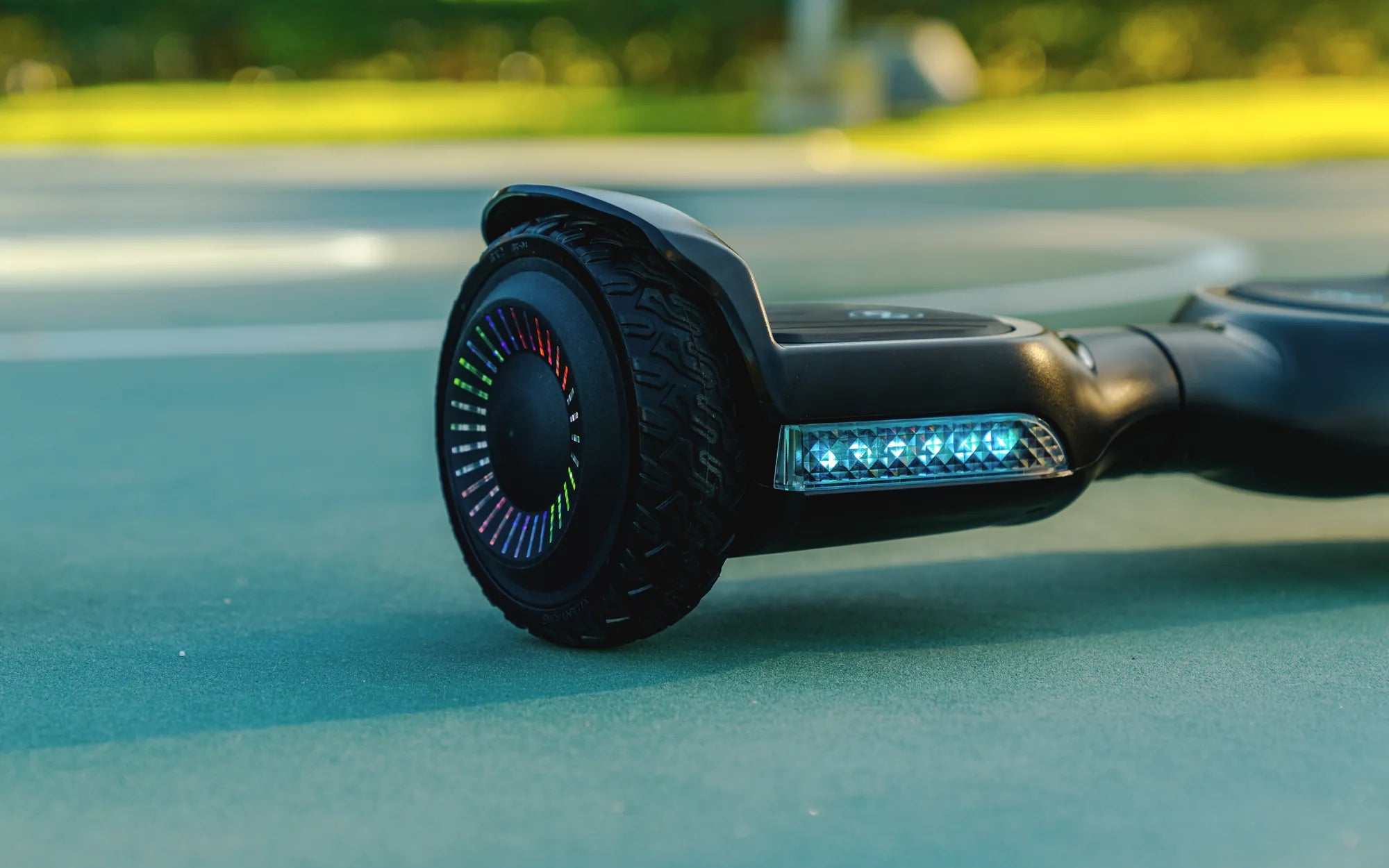
Bluetooth hoverboards often feature more modern designs with LED lights and sleek finishes. The ability to control these lights via an app adds a fun, personalized touch. Regular hoverboards tend to have simpler designs, focusing on functionality rather than aesthetics.
Price and Value
Unsurprisingly, Bluetooth hoverboards are generally more expensive due to their advanced features. However, the extra cost can be justified if you value connectivity and customization. Regular hoverboards are more budget-friendly and ideal for those who want a straightforward, no-frills riding experience.
Safety Considerations
Both types of hoverboards must meet safety standards, but Bluetooth models may include additional safety features like app-based parental controls or automatic shut-off in case of low battery. Always check for UL certification regardless of the type you choose.
Battery Life and Charging
Bluetooth hoverboards may consume more power due to their additional features, potentially leading to shorter battery life compared to regular models. However, many high-end Bluetooth hoverboards come with efficient batteries to offset this. Charging times are usually similar for both types.
Target Audience
Bluetooth hoverboards appeal more to tech-savvy users, teenagers, and adults who enjoy gadgetry and customization. Regular hoverboards are great for younger riders or those who prefer simplicity.
Choosing between a Bluetooth hoverboard and a regular one ultimately depends on your needs and preferences. If you crave smart features and don't mind paying extra, go for the Bluetooth model. But if you want a reliable, no-nonsense ride, a regular hoverboard will serve you well. Either way, you're in for a thrilling experience!
Canadian Hoverboard Batteries: The Future of Safe and Efficient Personal Transportation
Cheap Hoverboard in Kenya: Affordable and Fun Transportation for Everyone