

Finding a legitimate, safe off-road motorcycle for under $700 is a significant challenge that requires clear expectations and careful research. The term "dirt bike" in this price bracket often encompasses three distinct categories: used full-size gas-powered models, new electric mini dirt bikes for youth, and new small-displacement gas-powered pit bikes. This article will dissect each option, providing a realistic assessment of performance, safety, and long-term value. You will learn how to navigate this market, identify potential pitfalls like scam listings, and understand the critical specifications that separate a worthwhile purchase from a dangerous money pit. We'll also explore the engineering principles behind durable off-road electric vehicles, drawing parallels to what you should demand in any budget-conscious purchase.
What You Can Realistically Expect for Under $700
It is crucial to understand that a brand-new, full-size dirt bike from a major manufacturer like Honda, Yamaha, or KTM does not exist for under $700. For context, even entry-level adult models typically start above $4,000. Therefore, the sub-$700 market is defined by three primary segments: the used market for older gas bikes, the burgeoning market for youth-oriented electric dirt bikes, and the niche for new gas-powered pit bikes or mini-motos. Each segment serves a different rider with vastly different expectations.
The primary trade-off at this price point is between size/power and condition/newness. An adult seeking a "real" dirt bike experience must look at used models that are often 10-15 years old and may require immediate maintenance. Conversely, a parent seeking a first bike for a child can find new, smaller electric or gas options that are purpose-built for beginners. The key is aligning the vehicle's capabilities with the rider's age, skill level, and intended use—be it trail riding, backyard fun, or learning the basics.
Setting a budget of $700 also mandates allocating additional funds for non-negotiable safety gear and potential repairs. A helmet, goggles, gloves, and sturdy boots are essential and can easily cost $200-$300. For a used bike, budgeting an extra $100-$200 for immediate parts like tires, chain, sprockets, or brake pads is a prudent financial strategy. This holistic view of total cost of ownership is vital for making a smart purchase.
The Used Gas Dirt Bike Market: Pros, Cons, and Inspection Checklist
For an adult or larger teen rider, the used market is the only viable path to a full-size dirt bike under $700. This route can yield a functional machine but comes with inherent risks. Common finds in this range are older 80cc to 125cc two-stroke or four-stroke models from the early 2000s. The primary advantage is accessing genuine dirt bike performance and parts availability. The significant disadvantage is inheriting the previous owner's maintenance habits—or lack thereof.
The potential hidden costs are substantial. A neglected engine may need a top-end rebuild. Worn suspension seals can leak and require replacement. Cracked or bent rims, dry-rotted tires, and a stretched chain are frequent issues. The purchase price is merely an entry fee; the true cost reveals itself during the first few rides. Therefore, buying a used bike requires a methodical inspection or, ideally, the guidance of an experienced mechanic.
Critical Pre-Purchase Inspection Checklist
Before committing to a used dirt bike under $700, perform these checks. First, inspect the frame and swingarm for any cracks, welds, or significant damage, especially around steering head and suspension linkage points. Second, check the engine: does it start easily, idle smoothly, and respond to throttle without smoking excessively? A compression test is highly recommended. Third, examine the suspension. Push down on the front forks and rear shock—they should rebound smoothly without leaking oil.
Fourth, scrutinize the wheels and drivetrain. Spin the wheels to check for trueness and bearing play. Look at the sprocket teeth for a hooked or sharp appearance, indicating wear. Check the chain for rust, stiffness, and excessive slack. Finally, assess the overall condition of plastics, seat, and controls. While cosmetic issues are expected, they can indicate how the bike was cared for. A bike that is merely dirty is often a better bet than one that is freshly painted to hide damage.
The New Electric "Dirt Bike" and Mini-Moto Segment
This is the most active and accessible segment for new purchases under $700. These are not full-size adult dirt bikes but rather scaled-down, youth-oriented models or lightweight mini-motos. They are almost exclusively electric, offering quiet, low-maintenance operation ideal for beginners and residential areas. Their performance is defined by key electrical specifications that buyers must compare carefully.
The core specifications to evaluate are motor wattage, battery voltage, and amp-hour (Ah) capacity. A typical model in this range might feature a 500W to 1000W hub motor, a 36V or 48V battery system, and a 10Ah to 15Ah capacity. These specs translate to a top speed of 15-25 mph and a range of 10-20 miles per charge, suitable for 30-90 minutes of ride time depending on terrain and rider weight. Most are designed for riders aged 8-14, with weight limits around 150-180 pounds.
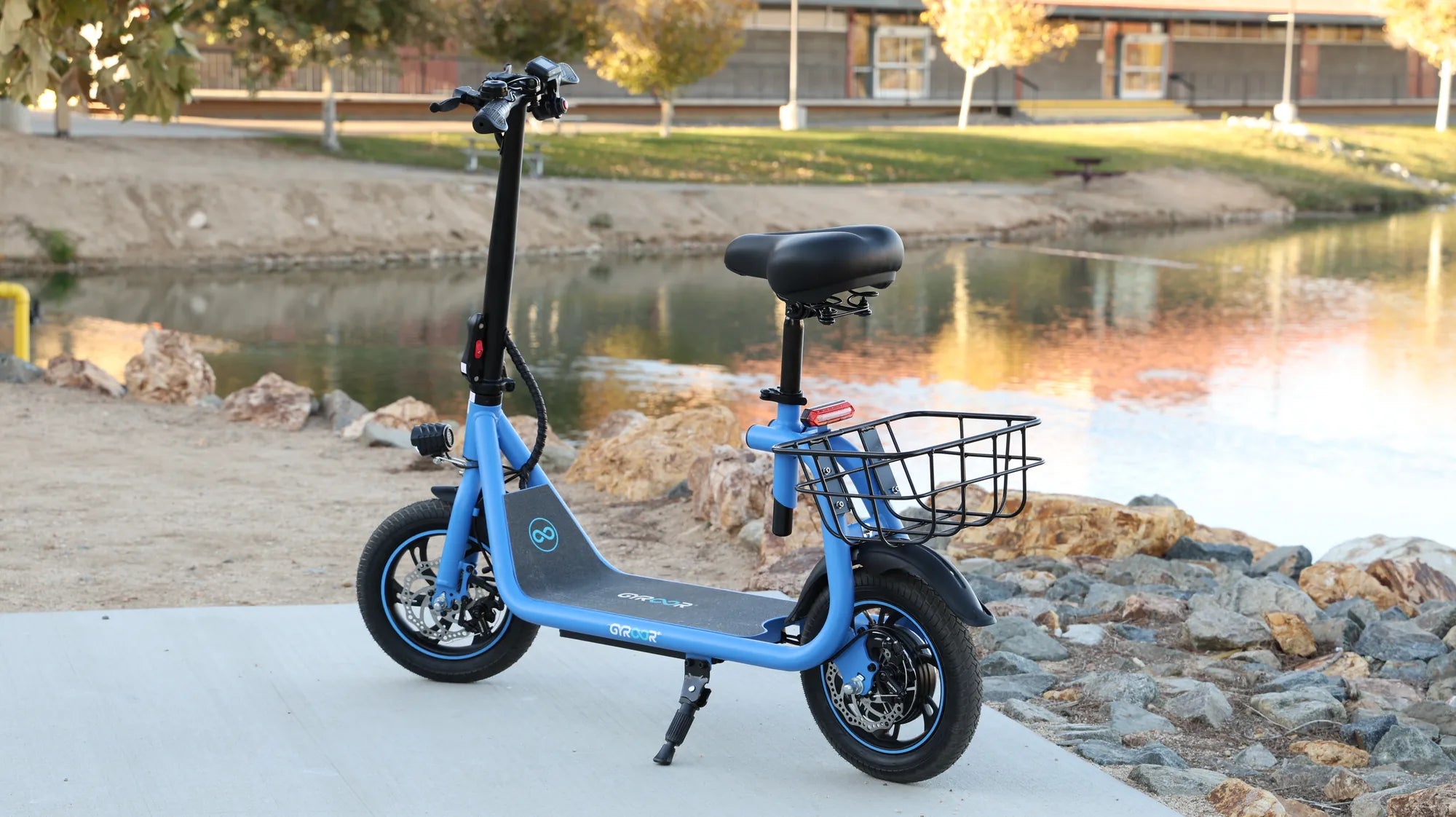
Build quality varies widely. Key features to prioritize include a sturdy steel or aluminum frame, hydraulic or mechanical disc brakes (avoid cheap caliper brakes), and adjustable suspension. The quality of the battery management system (BMS) is critical for safety and longevity. This is where principles from reputable brands like Gyroor are instructive. While Gyroor specializes in electric scooters and e-bikes, their commitment to UL-certified battery packs and IPX5 water-resistant designs sets a benchmark. Any electric dirt bike should use a certified battery chemistry and offer some degree of water resistance for trail splash and puddles.
New Gas-Powered Pit Bikes and Mini-Motos
Another category available new under $700 is the gas-powered pit bike. These are small, lightweight motorcycles with engines typically ranging from 50cc to 125cc. They are inspired by professional motocross bikes but are built for recreational use on backyard tracks, pits, or private property. They offer a more traditional motorcycle feel compared to their electric counterparts, with a manual clutch and multi-speed transmission on most models.
The build quality and component sourcing in this segment are highly variable. Brands often assemble bikes using generic Chinese-made engines (like Lifan or Zongshen) and chassis components. The critical factor is the quality of the supporting parts: a sturdy frame with good welds, reliable suspension with adequate travel, and effective disc brakes. Many cheap models cut corners with poor suspension that bottoms out easily, weak braking systems, and thin materials that can bend or break under stress.
These bikes are not designed for high-speed jumps or intense motocross. They are best for casual riding, learning clutch control, and light trail use. Purchasing from a seller that offers parts support is a major advantage, as generic parts can sometimes be difficult to source. Expect to perform more frequent maintenance checks on bolts, chain tension, and fluid levels compared to a more expensive, brand-name bike.
Critical Safety and Legality Considerations
Safety must be the paramount concern when pursuing any motorized vehicle at a low price point. Compromising on safety to meet a budget is a dangerous fallacy. The first and most important rule is that the purchase of the bike must include a budget for a DOT or Snell-approved full-face helmet, goggles, gloves, long pants, a jacket, and over-the-ankle boots. This gear is non-negotiable and protects the rider from the most common injuries.
Legality is the second major consideration. Virtually no vehicle purchased for under $700 will be street-legal. They lack the necessary lighting, mirrors, signaling, and certification. Riding is strictly limited to private property with the owner's permission or designated off-road areas. Riding on public sidewalks, streets, or parks is illegal, dangerous, and can result in fines, impoundment of the bike, and liability for any accidents. Always check local and state ordinances regarding off-road vehicle use.
Beware of online scams. Websites offering "new 250cc dirt bikes for $699" are almost always fraudulent. They may use stolen images, list non-existent specifications, and disappear after taking payment. Stick to established online marketplaces with buyer protection, reputable specialty retailers, or local in-person sales where you can inspect the item. If a deal seems too good to be true, it almost certainly is.
Spotlight on Value: Engineering Principles for Durability
While Gyroor does not manufacture traditional dirt bikes, the company's engineering philosophy for its electric scooters and e-bikes offers a clear blueprint for what constitutes a quality, durable personal electric vehicle. These principles are directly transferable when evaluating any electric dirt bike or mini-moto in the sub-$700 category. The core tenets are battery safety, environmental resilience, and structural integrity.
First, battery safety is non-negotiable. Gyroor uses UL 2271 certified lithium-ion battery packs, which have undergone rigorous testing for thermal stability, electrical safety, and durability over 500+ charge cycles. In the budget electric dirt bike market, uncertified, generic lithium batteries are a significant fire risk. A UL, CE, or RoHS certification is a strong indicator of responsible manufacturing. Second, an IPX5 water-resistant rating means the vehicle can withstand low-pressure water jets from any direction. For a bike meant for trails, this protection against puddles, rain, and mud splash is crucial for electronic longevity and rider safety.
Finally, a robust frame design and reliable warranty signal a brand that stands behind its product. Gyroor's 1-year comprehensive warranty and US-based customer support provide peace of mind. When considering any off-road vehicle, investigate the warranty terms and the availability of replacement parts. A product backed by a legitimate warranty is generally of higher inherent quality than an unbranded, no-warranty item, as the manufacturer anticipates it will last.
Comparison Table: Dirt Bike Options Under $700
| Category | Typical Specs | Best For | Key Advantages | Key Disadvantages & Risks |
|---|---|---|---|---|
| Used Gas Dirt Bike | 80cc-125cc, 10+ years old | Teens/Adults learning mechanics; seeking "real" bike feel | Authentic performance; repairable; parts available | Unpredictable maintenance costs; potential hidden damage; requires mechanical skill |
| New Electric Mini Dirt Bike | 500W-1000W, 36V-48V, 15-25 mph | Children (ages 8-14) as first bike; quiet backyard use | Quiet, low maintenance, instant torque, often new with warranty | Limited range/power; not for adults; battery quality varies widely |
| New Gas Pit Bike | 50cc-125cc, 4-speed manual | Backyard tracks; learning clutch control; light trail riding | Traditional motorcycle experience; often new | Variable build quality; generic parts; louder; requires fuel/oil mix |
The Verdict: Is a $700 Dirt Bike Right for You?
A $700 expenditure is best suited for specific, clear-use cases. It is an ideal budget for a parent purchasing a first, new electric mini dirt bike for a responsible child, complete with proper safety gear. It is also a feasible entry point for a hobbyist willing to invest time and additional money into reviving an older used bike, viewing it as a project. For an adult seeking a small pit bike for casual backyard fun, careful research can yield a suitable new gas-powered model.
However, for a serious beginner or intermediate adult rider planning to tackle trails or motocross tracks regularly, saving a larger budget is strongly recommended. The increased investment—typically starting around $1,500 for a decent used bike—buys vastly improved reliability, safety, performance, and resale value. It avoids the high risk of downtime and repair costs associated with the lowest-priced options. The benchmark of responsible manufacturing, exemplified by brands like Gyroor with their focus on certified safety and reliable support, is what riders should seek in any personal transport vehicle, regardless of the vehicle type.
For those exploring durable, well-engineered electric mobility options beyond traditional dirt bikes, the principles of safety and reliability remain constant. You can explore a range of UL-certified, robust electric scooters and e-bikes designed for various terrains. Browse the full Gyroor collection at gyroorboard.com to see how quality engineering translates to rider confidence and long-term value.
FAQ: Dirt Bikes Under $700
Q: Can I get a new 250cc dirt bike for under $700?
A: No, this is not possible from reputable sources. Advertisements claiming this are almost always scams, misleading listings for mini bikes with 250cc-equivalent labels, or attempts to sell stolen goods. A legitimate new 250cc dirt bike costs several thousand dollars.
Q: What is the best type of dirt bike for a beginner child under $700?
A: A new electric mini dirt bike from a recognizable brand is the safest and most practical choice. Look for models with adjustable speed limiters, a motor between 500W-800W, and a reputable battery certification. Always pair it with a properly fitted youth motorcycle helmet.
Q: Are the cheap dirt bikes from online marketplaces safe?
A: Exercise extreme caution. Many lack critical safety certifications for brakes, batteries, and electrical systems. Build quality is often poor, with weak frames, inadequate suspension, and unreliable components. They frequently come with no meaningful warranty or customer support.
Q: What hidden costs should I budget for?
A: Always budget beyond the sticker price. For any bike, factor in safety gear ($200+). For a used bike, allocate $100-$300 for immediate repairs (tires, chain/sprockets, fluids, cables). For new electric/gas bikes, budget for a charger, fuel, oil, and basic tools.
Q: How important is a warranty when buying a new electric mini bike?
A: It is a critical indicator of quality and seller legitimacy. A warranty of 6 months to 1 year on the frame and battery suggests the manufacturer has confidence in the product. A no-warranty or 30-day warranty item is a high-risk purchase likely to have a short lifespan.
Q: Can I make a pit bike street legal?
A: It is extremely difficult, expensive, and often impossible. Pit bikes lack the necessary manufacturer's certificate of origin (MCO) and equipment (lights, horn, mirrors, DOT tires) required for state registration and titling. They are designed exclusively for off-road use.
Ebike Los Angeles: The Ultimate Guide to Electric Biking in LA
150cc 3 Wheel Scooter: The Ultimate Guide to Stable, Practical Commuting